


What Makes Airport Audiences Unique and Captive?
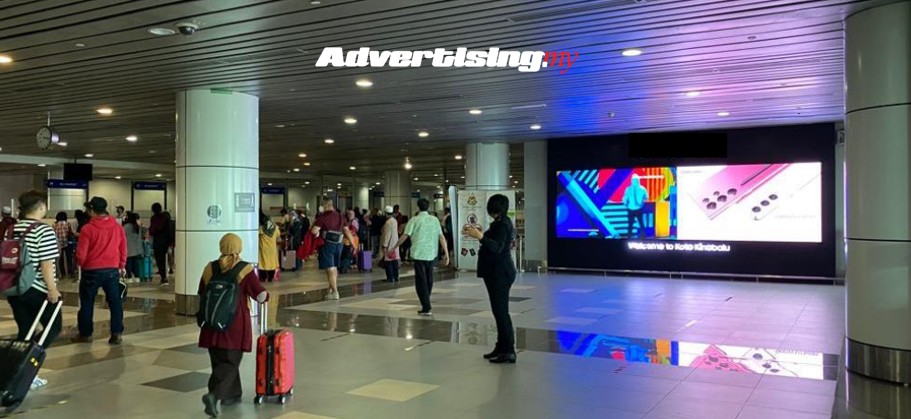
Airport environments create unique captive audience conditions unavailable through traditional advertising channels. Unlike street-level viewers who pass quickly, airport travellers spend extended periods unable to leave the facility. This forced proximity creates guaranteed exposure opportunities for brands willing to invest in airport advertising space.
Before purchasing advertising space, understand that seventy-five percent of frequent flyers arrive one hour or more before boarding. This extended pre-flight window represents prime real estate for your advertising investment and brand messaging.
How Do Different Airport Zones Perform?
Different airport areas deliver varying engagement levels and dwell times. Ticketing counters capture thirty-four percent of passengers spending 15+ minutes. Security screening holds fifty-five percent for extended periods. These are critical zones to understand when selecting your advertising location and measuring expected ROI.
Concourse areas retain fifty-one percent for 15+ minutes. Gate lounges achieve highest engagement with eighty-nine percent spending 15+ minutes. Layover areas hold sixty-six percent for full hours. Bag claim sections maintain fifty-nine percent for 15+ minutes. Strategic location selection directly impacts advertising effectiveness and passenger exposure frequency.
Understanding Ticketing Zone Opportunities
The ticketing area represents your first impression point with airport audiences. Thirty-four percent of passengers spend significant time at ticketing counters. This opening engagement moment creates ideal conditions for introducing brands to arriving passengers. Early-journey messaging influences purchasing decisions throughout their remaining airport time and travel experience.
Why Should You Prioritize Security Checkpoint Placements?
Security screening areas hold fifty-five percent of passengers for extended viewing periods. The mandatory security checkpoint ensures complete audience attention without distraction alternatives. Passengers queue stationary with zero competing activities, creating exceptional psychological receptivity to your advertising messages during mandatory waiting periods.
Analyzing Concourse and Transit Zone Value
Concourse areas maintain fifty-one percent passenger engagement for 15+ minutes. These high-traffic corridors connect gates to retail, dining, and service facilities. Travellers navigate concourses multiple times during airport visits, creating repeated exposure opportunities throughout their journey. Multiple exposures compound brand messaging impact through frequency effects.
How Can Gate Lounge Placements Maximize ROI?
Gate lounges achieve the highest engagement rate at eighty-nine percent of passengers spending 15+ minutes. Passengers awaiting boarding possess maximum psychological availability for your advertising. The seated, stationary environment enables detailed brand messaging and sophisticated creative executions impossible in transit areas. This represents premium advertising real estate.
Evaluating Layover and Long-Dwell Opportunities
- Layover zones capture sixty-six percent of passengers spending full hour periods or longer in airport facilities continuously.
- Connecting travellers represent captive audiences unable to exit security perimeters, creating extended exposure guaranteed.
- Extended layover times create unprecedented messaging opportunity for sophisticated brand storytelling and deep engagement.
- Layover area advertisements benefit from maximum viewing duration and heightened psychological receptivity to your brand.
Why Exit-Point Messaging at Bag Claim Matters
Bag claim sections hold fifty-nine percent of passengers for 15+ minutes. This exit-point positioning enables your final brand impression before airport departure. Travellers in collection areas possess heightened attention as departure anticipation builds, creating receptivity to travel-related products and services you may offer.
Understanding Your Target Audience Demographics
Airport audiences represent diverse demographic segments spanning age groups, income levels, and geographic origins. International travellers from multiple countries provide global reach unavailable through domestic advertising channels alone. Before purchasing space, identify which demographic segments align with your products and services for maximum relevance.
Business professionals, leisure families, and diverse consumer segments converge within airport environments, enabling broad demographic targeting simultaneously within single locations.
How Do Frequent Flyer Demographics Impact Purchasing Decisions?
Frequent flyers represent affluent consumer segments with higher disposable incomes and purchasing power than general population samples. These repeat travellers develop habitual airport patterns, encountering consistent advertising messages across multiple journeys. Premium brand positioning benefits significantly from association with educated, affluent, mobile consumer demographics concentrated in airport environments.
Calculating Multiple Exposure Value for Your Investment
- Passengers experience multiple exposure opportunities as they progress through different airport zones during their journey.
- Ticketing areas provide initial exposure during check-in procedures and counter queue waiting periods.
- Security checkpoints offer sustained attention during mandatory screening processes lasting 15+ minutes.
- Gate lounges deliver concentrated exposure periods during final pre-departure waiting and boarding announcements.
What Brand Recall Benefits Should You Expect?
Extended dwell time in captive environments significantly improves brand recall compared to fleeting highway or street-level exposure. Psychological research confirms extended viewing duration increases memory formation and brand association development substantially. Before investing, understand that repeated exposure across multiple airport zones builds cumulative brand awareness exceeding short-term campaigns.
Understanding Passenger Psychological Receptivity
Airport passengers experience unique psychological states favoring advertising engagement. Travellers possess reduced stress levels and heightened awareness compared to commuting populations during leisure travel planning. Leisure mindset creates openness to product discovery and brand interaction, positioning airport audiences as ideal targets for premium brand messaging and premium product offerings.
How Should You Structure Your Multi-Zone Strategy?
Strategic space buyers position messages across multiple zones targeting different passenger journey stages. Introductory messaging at ticketing introduces brands to arriving passengers effectively. Sustained exposure at gates reinforces brand benefits during extended waiting periods. Exit-point messaging at bag claim drives final purchasing consideration before airport departure, maximizing complete journey impact.
Justifying Your Airport Advertising Investment
The combination of extended dwell time, affluent audience quality, and heightened psychological receptivity justifies premium advertising investments in airport environments. Guaranteed audience exposure across diverse demographics creates exceptional return compared to traditional media alternatives. Airport advertising delivers measurable brand value through sustained visibility and targeted consumer engagement unmatched by alternative formats available today.