Exploring Trolley Advertising:
Mobile Brand Messaging in High-Traffic Travel Environments
Trolley advertising offers exceptional visibility because shopping trolleys move throughout stores and parking areas. Unlike static advertisements, trolleys are seen repeatedly by shoppers navigating aisles, increasing brand exposure significantly. This format ensures messages reach wide, diverse audiences including families and regular consumers spending substantial time in-store shopping.
Targeted Local Marketing Capabilities
- Trolley advertising targets specific local communities effectively through strategic store placement and geographic positioning.
- Businesses place ads in stores within desired demographic areas, making campaigns highly relevant and localized.
- This format works especially well for small to medium businesses connecting with nearby customers.
- Local awareness campaigns drive foot traffic and purchase decisions at the point of sale directly.
Cost-Effective and High Engagement
Trolley advertising is relatively affordable compared to traditional advertising channels. Shoppers spend extended periods with trolleys, meaning advertisements remain visible longer than fleeting digital or billboard ads. This prolonged exposure improves brand recall and influences purchasing decisions at critical moments.
Airport Trolley Advertising Overview
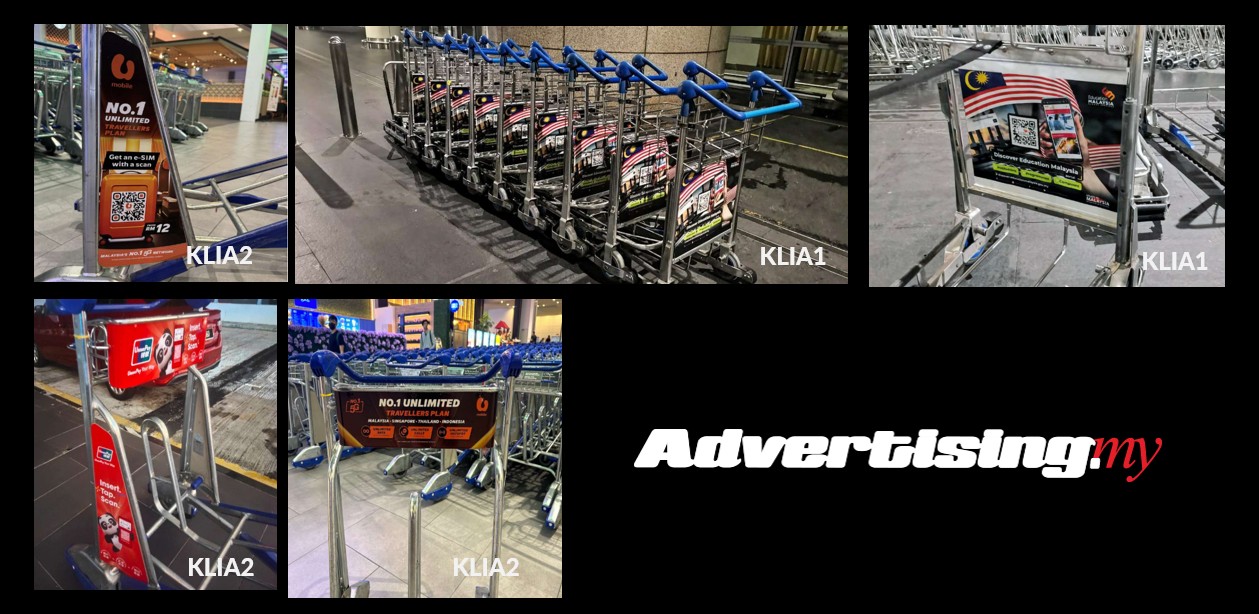
Airport trolley advertising is an innovative out-of-home advertising format targeting travellers navigating airports. This format provides mobility and visibility advantages unavailable through static installations. Dynamic advertising spaces captivate traveller attention throughout the airport journey, making them effective for brand exposure and engagement.
Diverse Passenger Demographics and Reach
The target audience for airport trolley advertising is diverse, encompassing various age groups and professions. Airports attract both domestic and international travellers, ensuring global reach and exposure. Business travellers with high disposable incomes represent significant demographics interested in premium products and services throughout airport facilities.
Leisure Travellers and Family Audiences
- Leisure travellers represent important audience segments for family-oriented and vacation-focused brands.
- The demographic diversity ensures tailored messaging to broad consumer spectrums in one strategic location.
- Airport trolley advertising engages different market segments effectively simultaneously across passenger populations.
- International travellers provide unique exposure opportunities for brands seeking global market penetration.
Key Advantages of Airport Trolley Advertising
High visibility is a key advantage of airport trolley advertising. Almost all passengers use trolleys, ensuring advertisements seen by large numbers repeatedly. This frequent exposure builds brand recognition effectively. Airport advertising resists being skipped compared to digital ads or traditional media formats, ensuring message delivery.
Cost Considerations and Effectiveness Factors
The cost of airport advertising can be higher compared to other out-of-home formats, particularly in major international hubs. Effectiveness can be reduced during off-peak travel seasons when fewer passengers utilize airport facilities and services. Strategic timing and location selection maximize advertising impact and passenger exposure rates substantially.
Trolley Placement Strategy: Side vs. Back
Advertisers debate whether side or back placement is more advantageous for trolley advertising. The side provides wider surface area and distance visibility, ideal for brand logos and high-impact visuals. The back targets passengers following trolleys in crowded spaces, creating intimate engagement opportunities and close-range brand interactions.
Optimizing Ad Placement for Maximum Impact
Placement choice depends on campaign goals and target audience positioning. Distant attention capture requires front or side placement strategy. Strategic ad placement significantly enhances effectiveness, ensuring maximum visibility for brands. The choice influences whether advertisements capture attention from afar or target passengers closer to trolleys throughout airport journeys.