
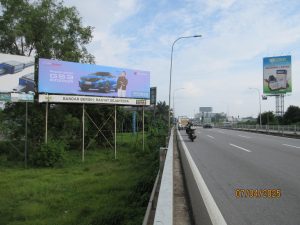
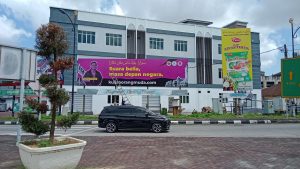
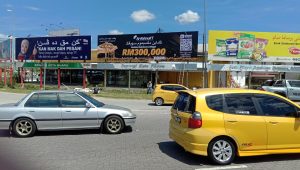
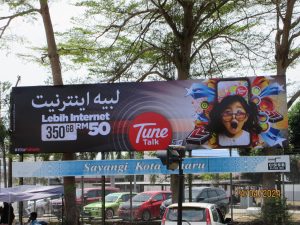
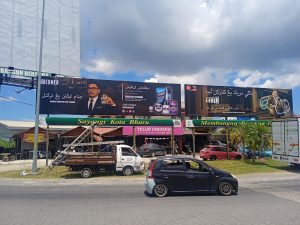
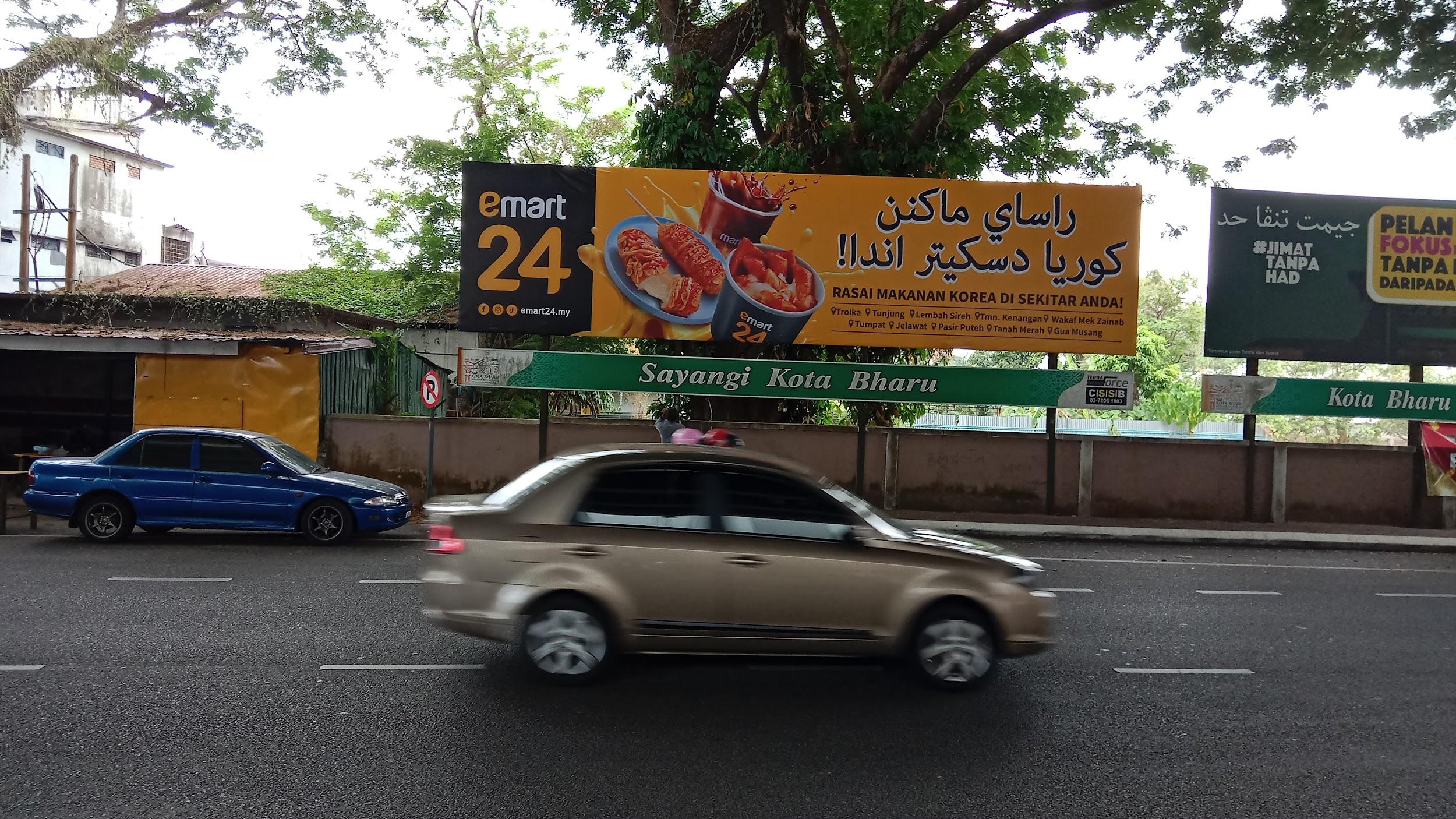
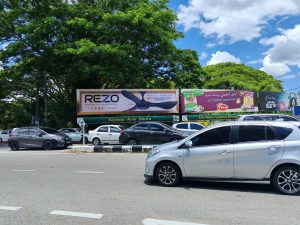
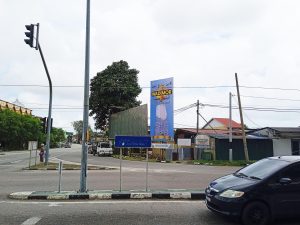
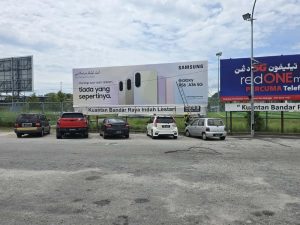
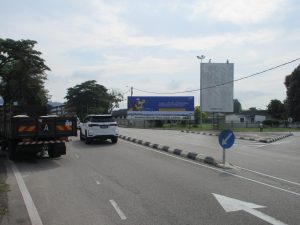
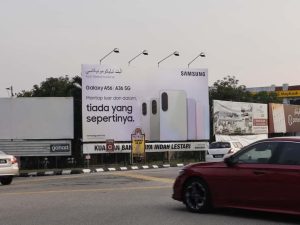
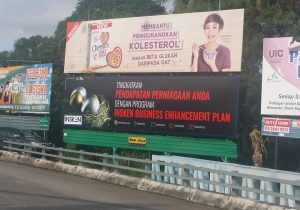
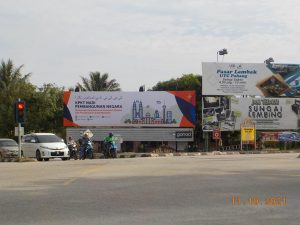
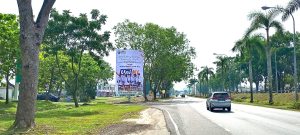
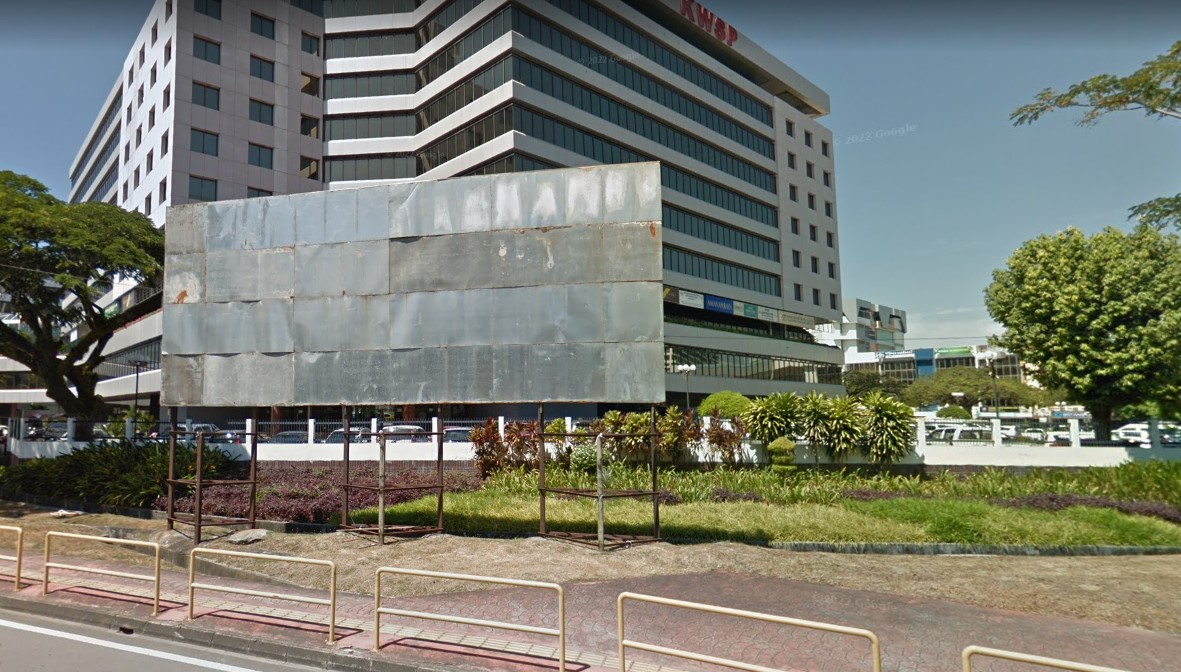
Jalan Tunku Abdul Rahman Sabah Advertising

Purchasing Power

Purchasing power around Jalan Tunku Abdul Rahman Sabah is moderate to strong from civil servants, office workers, families, students, tourists and local businesses.

Ethnicity/Race

Jalan Tunku Abdul Rahman Sabah serves Sabah’s mixed urban profile, including Malay, Chinese, Kadazan-Dusun, Bajau, other Bumiputera communities, students, workers and families.

Prominent Roads

Prominent roads around Jalan Tunku Abdul Rahman Sabah include Kota Kinabalu city roads, Jalan Tun Razak, Jalan Lintas, Jalan Tuaran and local residential connectors.

Local Businesses(Retails/Factories

Local businesses around Jalan Tunku Abdul Rahman Sabah include restaurants, clinics, offices, grocers, schools, pharmacies, convenience shops and service outlets.

Cost of living

Cost of living around Jalan Tunku Abdul Rahman Sabah is moderate to high for Kota Kinabalu, especially near city frontage, offices and established residential areas.

Landmarks

Landmarks in Jalan Tunku Abdul Rahman Sabah include city shoplots, schools, offices, mosques, churches, residential areas and nearby Kota Kinabalu facilities.

Highlights & Attractions

Highlights around Jalan Tunku Abdul Rahman Sabah include Kota Kinabalu access, mixed community demand, school and office traffic, and steady city retail visibility.

Population data

The catchment in Jalan Tunku Abdul Rahman Sabah includes Kota Kinabalu city users, school communities, government-office visitors, nearby residents and suburban commuters.

Traffic Flow & Movement

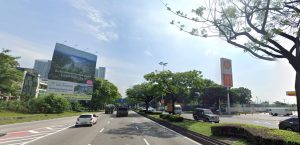
Jalan Tunku Abdul Rahman Sabah traffic is moderate to heavy during weekday peaks, school hours, government-service periods and city-centre shopping or office movement.

Market Profile

Jalan Tunku Abdul Rahman Sabah is suitable for F&B, offices, clinics, education services, convenience retail, tourism support, government-support services and neighbourhood trade.

Jalan Tunku Abdul Rahman Sabah is a Kota Kinabalu/Sabah corridor associated with city access, government and commercial movement, schools, residential areas and links to surrounding urban districts.

Location Search

Location Search

Reset