Why TRX MRT Station Is the Most Powerful Advertising Address in Malaysia Right Now
There are hundreds of MRT stations across the Klang Valley. Only one holds the rank of Malaysia’s largest underground interchange, sits inside the country’s most ambitious financial district, and draws three million footfalls through its concourses. That station is TRX — and it has quietly become the most strategically valuable advertising real estate in Southeast Asia.
The Station at the Centre of Everything
Tun Razak Exchange MRT Station is the sole interchange hub connecting both the MRT Kajang Line and the MRT Putrajaya Line. That single fact makes it unavoidable. Commuters travelling between either line must pass through TRX — there is no alternative route. Every transfer passenger becomes a captive audience inside one of the most architecturally striking underground spaces in the region.
Footfall That Commands Attention
The station records three million in footfall and is ranked the number one MRT station in the network by traffic volume. Daily, an estimated 220,000 commuters move through its concourses — a figure that compounds across weeks, months, and campaign cycles into sustained, high-frequency brand exposure unlike any other transit format in Malaysia.
Location: Surrounded by Wealth, Influence, and Footfall
TRX station does not sit in isolation. It sits at the epicentre of Kuala Lumpur’s most ambitious urban development — and every major landmark within walking distance feeds passenger volume directly into its concourses.
What’s Within 300 Metres
TRX Mall sits just 0.10 km away — one of KL’s most premium retail destinations. Exchange 106, Malaysia’s tallest office tower, is 0.10 km. Menara Affin at TRX is 0.15 km. Berjaya Times Square, one of the largest malls in the world, is 0.19 km. The Forum Condominium is 0.25 km and RHB Centre HQ at 0.30 km completes a corridor of financial, residential, and commercial gravity that few transit stations anywhere in Asia can match. Akisama, a further major retail development, is set to complete in 2025 — adding yet another footfall generator directly above the station.
Road Access and Connectivity
The station is accessible from Jalan Tun Razak, one of KL’s primary arterial roads, as well as the surrounding network of roads serving the TRX precinct including Jalan Kerinchi Link and the broader Bukit Bintang-KLCC corridor. Its underground position means passenger flow is weather-independent, consistent, and undisrupted by surface traffic conditions.
The Station Itself: A Media Environment Built for Impact
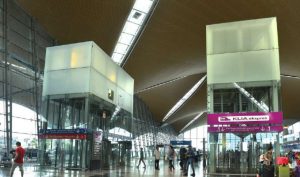
TRX station is the largest underground station in Malaysia and is considered one of the largest in Southeast Asia. Its scale is not incidental — it translates directly into advertising inventory. Three concourses with extensive indoor spaces, plus an outdoor activation zone at road level adjacent to Pintu B, create a multi-dimensional brand environment that no single surface format can replicate.
Advertising Formats Available
The station supports a full spectrum of formats spanning hallway panels, escalator wraps, lift door branding, platform-level placements, concourse digitals, and outdoor road-level activations at Pintu B. Retail lots adjacent to the mall entrance — currently occupied by Gigi, Kopi Malaya, TeaLive, and Bask Bear — demonstrate the station’s ability to sustain premium commercial tenants within the environment itself, reinforcing its positioning as a destination rather than a transit stop.
- Hallway and concourse panels — sustained exposure across three underground concourse levels
- Escalator and lift door wraps — repeated contact points during vertical passenger movement
- Outdoor Pintu B activation space — road-level visibility capturing both MRT passengers and street traffic
- Station naming rights — full co-branding of the station identity across signage, maps, and announcements
- Station domination — end-to-end brand takeover of all available surfaces across the entire station environment
- Retail activation zones — physical kiosk and experiential spaces within concourse footprint
The Samsung Station Domination: A Blueprint for Brand Ownership
No campaign better illustrates TRX station’s advertising power than Samsung’s full station takeover in 2024. Samsung did not simply buy panels — it renamed the station. The TRX MRT Station became the TRX Samsung Galaxy MRT Station, with co-branded identity applied across every touchpoint inside and outside the environment.
How Samsung Activated the Space
The Samsung Galaxy S24 campaign ran across hallways, escalators, lift doors, and inside train cabins. Station benches were redesigned to mimic the fold mechanism of Samsung’s Galaxy foldable phones — a physical installation that turned waiting infrastructure into a product demonstration. Interactive kiosks allowed commuters to physically handle the flagship devices, collapsing the distance between advertising exposure and product trial within a single environment.
Why It Worked
Station domination at TRX works because of dwell time, scale, and captivity. A commuter entering TRX to change lines encounters Samsung branding on approach, on escalators, at platform level, on the train itself, and on exit. The brand surrounds the journey completely. That kind of 360-degree exposure is impossible to achieve through any individual format — it requires owning the environment, which is precisely what station domination delivers.
- Station renaming — Samsung Galaxy appeared on all official MRT signage, maps, and audio announcements
- Full surface coverage — no competing brand visible anywhere within the station footprint during the campaign
- Experiential integration — bench design and product kiosks turned the station into a physical brand experience
- Train cabin extension — campaign carried beyond station walls into the train cabins serving the interchange lines
Why Brands Should Advertise at TRX Station
The case for advertising at TRX station is built on four compounding factors: volume, quality, context, and exclusivity. No other MRT station in Malaysia delivers all four simultaneously.
Volume and Consistency
Three million footfalls at the network’s highest-ranked station means guaranteed impressions at scale. Unlike surface OOH formats vulnerable to weather, traffic routing, or viewing angle, underground station advertising delivers consistent exposure to every passenger moving through the environment — without exception.
Audience Quality
TRX draws a disproportionately affluent, professional, and internationally-oriented audience. The surrounding precinct hosts over 20,000 knowledge workers, major financial institutions, and premium retail — the audience profile is higher-income, decision-making, and brand-responsive. This is not a mass-transit station serving a dormitory suburb. It is the financial district’s front door.
Context and Prestige
Brands that advertise at TRX station inherit the station’s own positioning. Being present at Malaysia’s largest underground interchange, inside KL’s premier financial district, adjacent to the nation’s most ambitious urban development, carries implicit premium signal. The environment elevates the brand simply by association.
- Rank #1 station in the MRT network by footfall — the highest-traffic advertising address on the entire system
- Interchange exclusivity — the only station connecting both MRT Kajang and Putrajaya Lines guarantees unavoidable passenger flow
- Premium district positioning — TRX precinct hosts top-tier financial, retail, and residential tenants that define the audience
- Multi-format flexibility — from single panels to full station domination, inventory scales to any campaign budget and objective
- Proven precedent — Samsung’s station domination campaign established the benchmark for what full ownership of this environment delivers
The Opportunity Is Now
TRX station and its surrounding precinct are still in active growth. With Akisama completing in 2025 and the TRX financial district continuing to attract major corporate tenants, footfall at the station will only increase. Brands that establish presence now — before the environment reaches full saturation — will benefit from the most competitive rates against the highest future audience volume. The Samsung campaign proved what station domination at TRX looks like when executed at full scale. The question for every brand manager is a simple one: who owns that space next?

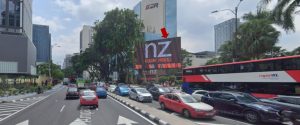
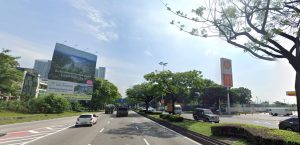
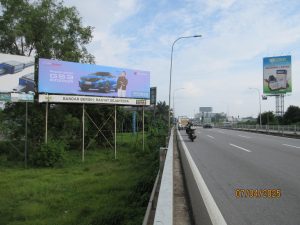
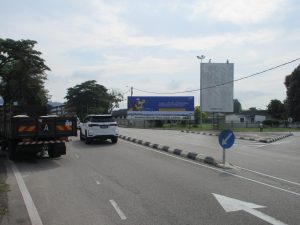
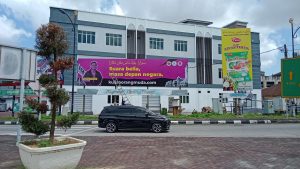 Freestanding Billboard at Jalan Sultanah Zainab/Jalan Hamzah,
Kota Bharu
Freestanding Billboard at Jalan Sultanah Zainab/Jalan Hamzah,
Kota Bharu
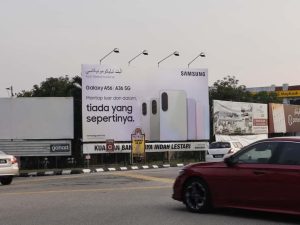
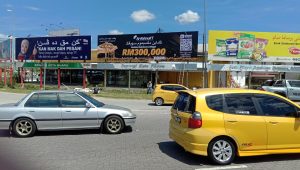 Freestanding Billboard at Simpang Empat Jln Kuala Krai/Lebuhraya
Baru Ke Pasir Mas
Freestanding Billboard at Simpang Empat Jln Kuala Krai/Lebuhraya
Baru Ke Pasir Mas
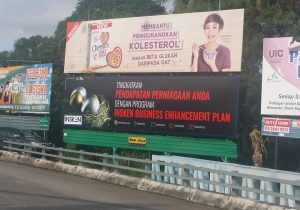
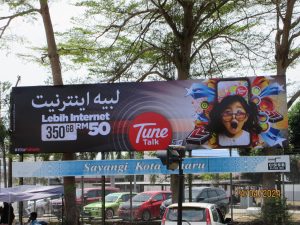 Freestanding Billboard at Jalan Pengkalan Chepa, Lapangan
Terbang Sultan Ismail Petra
Freestanding Billboard at Jalan Pengkalan Chepa, Lapangan
Terbang Sultan Ismail Petra
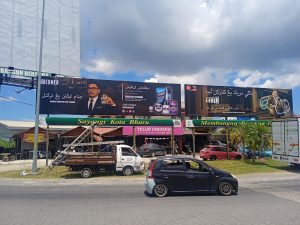
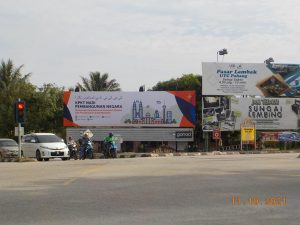
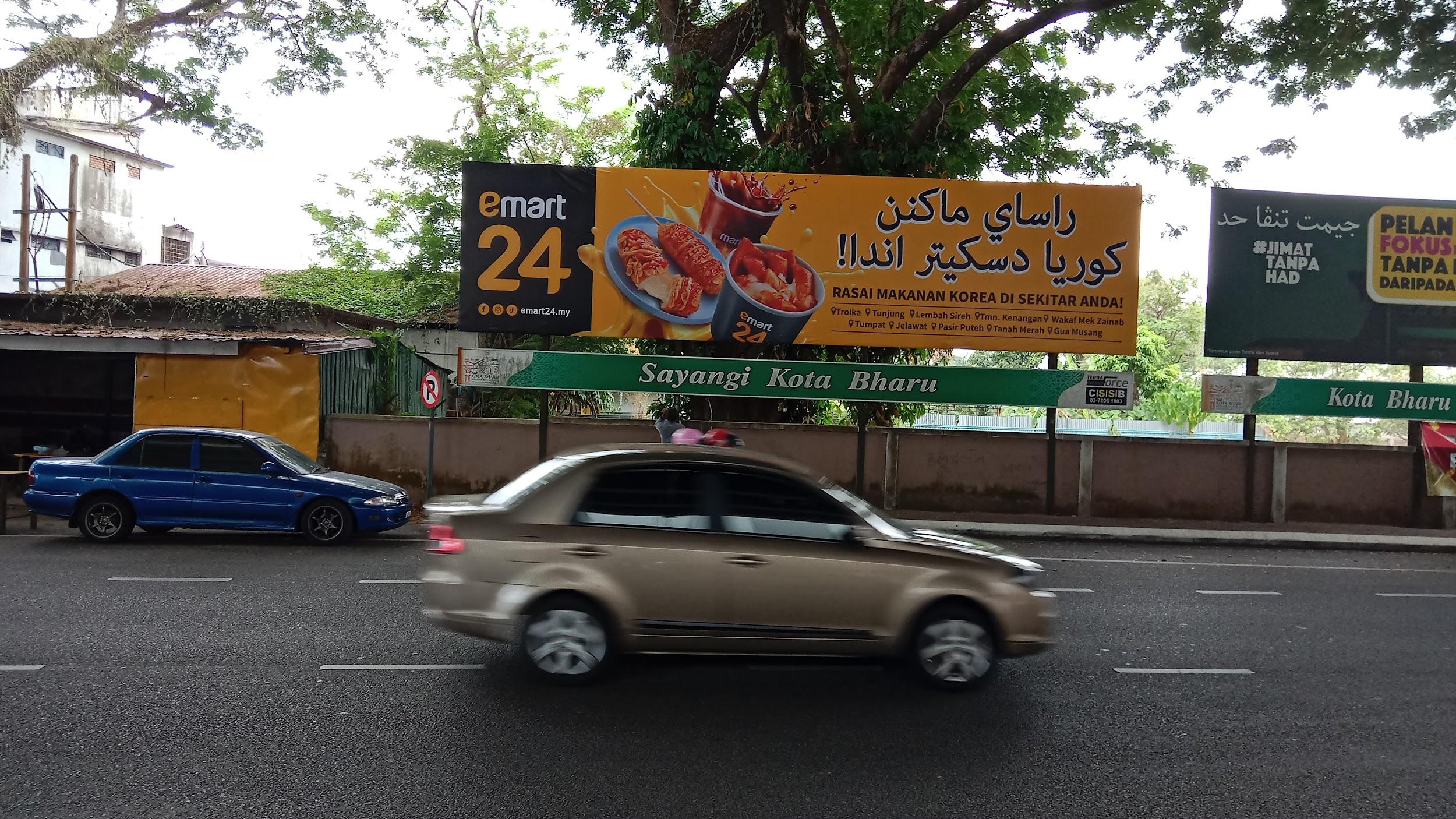 Freestanding Billboard at Simpang 4 Jalan Hamzah Berhadapan KB
Mall
Freestanding Billboard at Simpang 4 Jalan Hamzah Berhadapan KB
Mall
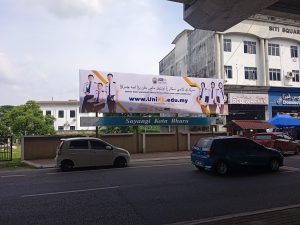 Freestanding Billboard at Simpang 4 Jalan Hamzah Berhadapan KB
Mall
Freestanding Billboard at Simpang 4 Jalan Hamzah Berhadapan KB
Mall
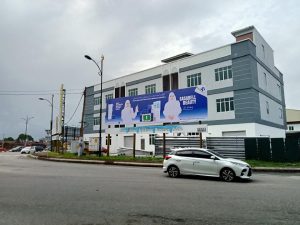 Freestanding Billboard at Persimpangan Jalan Sultanah Zainab /
Jalan Hamzah
Freestanding Billboard at Persimpangan Jalan Sultanah Zainab /
Jalan Hamzah
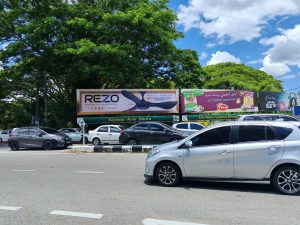 Freestanding Billboard at Simpang 4, Jalan Kebun Sultan/Jalan
Wakaf Mek Zainab
Freestanding Billboard at Simpang 4, Jalan Kebun Sultan/Jalan
Wakaf Mek Zainab
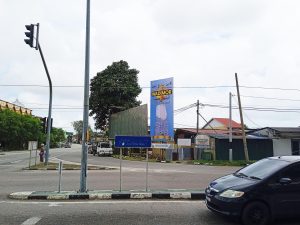
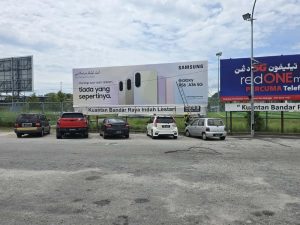 Freestanding Billboard at Persimpangan Jalan Bukit Ubi/Jalan
Stadium, Kuantan
Freestanding Billboard at Persimpangan Jalan Bukit Ubi/Jalan
Stadium, Kuantan