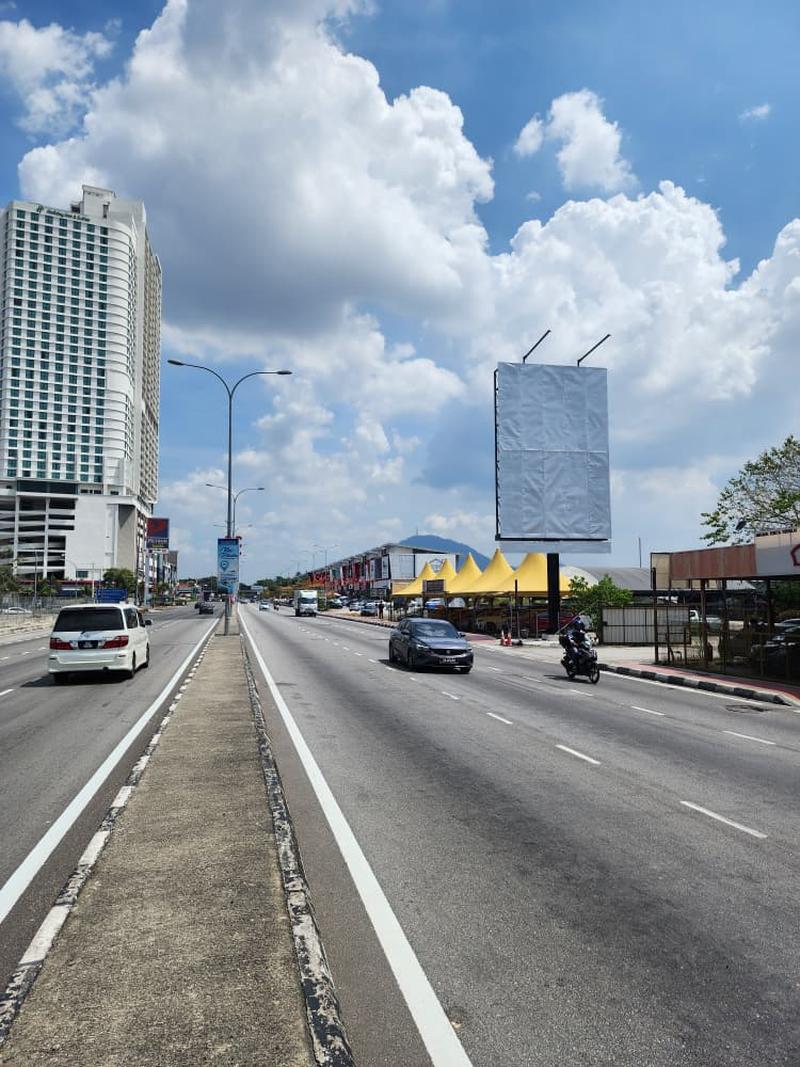
Outdoor Advertising in Penang: Two Councils, Two Markets and a UNESCO Heritage Core
Penang is the most complicated outdoor market in northern Malaysia. It carries the highest rates outside the Klang Valley and the tightest signage controls in the country.
The complication is structural. The state splits across two city councils with different by-laws, and part of the island sits inside a UNESCO World Heritage Site with its own review process.
Two Councils, Two Different Markets
Anyone planning a Penang campaign needs to know which authority governs each site before anything else. The two halves of the state behave differently in almost every respect.
Penang Island City Council
MBPP administers the island, including George Town, Bayan Lepas, Batu Ferringhi and the Balik Pulau side. It operates under the Advertisement By-Laws 2000.
Seberang Perai City Council
MBSP covers the mainland: Butterworth, Perai, Seberang Jaya, Bukit Mertajam and Nibong Tebal. It publishes its own separate guidelines for business premise signage.
- Different by-laws apply on each side of the channel
- Different fee schedules and renewal cycles for each council
- Different enforcement postures, with MBPP the more aggressive of the two
- Heritage review applies only within the George Town zones
- Bahasa Malaysia is required on both sides, with DBP verification
The Island: Where Traffic Concentrates
Island traffic runs on a narrow coastal ring with very little redundancy. When one corridor blocks, there is rarely an alternative, which is why congestion here is so predictable.
The Main Corridors
- Tun Dr Lim Chong Eu Expressway — the coastal spine linking George Town to Bayan Lepas and both bridges
- Jalan Masjid Negeri (Green Lane) — the central artery through Air Itam and Jelutong
- Jalan Sultan Azlan Shah — feeding the Bayan Lepas industrial zone and the airport
- Jalan Burma and Jalan Perak — George Town’s inner commercial routes
- Gurney Drive and Persiaran Gurney — the retail and dining seafront
- Batu Ferringhi coastal road — the resort corridor, seasonal in character
The Bayan Lepas Effect
The free industrial zone is the single strongest weekday traffic generator on the island. Shift patterns produce peaks outside conventional rush hours, which changes how a site performs.
Traffic here skews towards a working-age, salaried audience, much of it employed by multinational electronics manufacturers with above-average household income.
The Island’s Structural Squeeze
Land is scarce and permits are not issued freely on the island. Prime positions are held on long leases and rarely reach the open market.
That scarcity is what keeps island rates firm even when advertising spend softens nationally. The mainland offers volume, but the island offers positions that cannot be replicated.
The Mainland: Volume and Industry
Seberang Perai carries more industrial and long-distance traffic than the island, at rates that sit noticeably below island equivalents.
- North-South Expressway — the main north-south flow, with the Juru interchange as the key node
- Butterworth-Kulim Expressway — connecting the Kedah industrial belt to Penang Port
- Jalan Bagan Luar and Butterworth town — serving the ferry and Penang Sentral transport hub
- Seberang Jaya and Perai — dense industrial and residential mix
- Bukit Mertajam — the mainland’s commercial centre with its own retail catchment
The Bridges Are Their Own Environment
The Penang Bridge and the Sultan Abdul Halim Muadzam Shah Bridge carry the entire island-mainland commute. Approach positions on either side deliver captive, slow-moving audiences.
Butterworth Is Changing
The Penang Sentral transport hub has reorganised movement through Butterworth, concentrating bus, rail and ferry passengers into a single interchange with its own captive audience.
George Town: The Heritage Constraint
George Town’s UNESCO listing brings the strictest signage controls anywhere in Malaysia. Advertisers who treat it as ordinary city inventory will lose weeks to rejection.
What the Core Zone Restricts
- LED screens, neon signs and brightly illuminated boards are typically prohibited in the core zone
- Subdued, externally lit signage may be permitted where internal illumination is not
- Colours must be sympathetic to the heritage streetscape, with garish tones generally refused
- Size and mounting must respect the building facade rather than cover it
- Traditional bilingual text is encouraged to preserve the street’s character
- Heritage review adds processing time on top of the standard licence timeline
Applications Take Longer Here
Signage applications inside the heritage zone require additional review by the heritage authorities alongside the council’s normal process. Build that into the schedule rather than discovering it late.
The practical implication is that George Town is a poor choice for tactical, fast-turnaround campaigns. It suits long-term brand presence where the approval time can be absorbed.
MBPP Enforcement Is Genuinely Active
This is not a market where an unlicensed board quietly survives. MBPP introduced tightened guidelines under its Advertisement By-Laws 2000 specifically to remove non-compliant structures.
What Happens to Non-Compliant Boards
The council issues takedown notices, and where owners ignore them it carries out the demolition itself and bills the cost back to the company responsible.
Companies that fail to pay are blacklisted for six months. Offences that have triggered blacklisting include altering approved sizes, relocating structures and installing without permission.
One enforcement operation at Bayan Lepas involved twenty officers and took close to ten hours to bring down a single giant billboard opposite a well-known tourist site.
- Verify the licence is current before signing, not after
- Confirm the approved size matches what is actually installed
- Check the structure has not been relocated from its approved position
- Ask whether the vendor has ever been subject to a takedown notice
- Remember the advertiser’s campaign disappears with the structure
Digital and LED Inventory
MBPP maintains a separate planning guideline specifically for LED outdoor billboards on the island, reflecting how differently digital is treated from static.
Outside the heritage core, digital screens cluster around the retail and expressway corridors. Supply is thinner than Kuala Lumpur and turnover is slower, so availability needs early confirmation.
Brightness and operating hours are the usual points of negotiation, since councils are sensitive to driver distraction and to residential neighbours near expressway positions.
Who You Are Reaching
Penang carries several distinct audiences within a small geographic area, which is what makes site selection matter more here than raw traffic counts.
- The electronics workforce across Bayan Lepas and the mainland industrial parks
- Affluent island residents concentrated around Gurney, Pulau Tikus and Tanjung Bungah
- Domestic and international tourists in George Town and along the northern beaches
- Medical tourists, a substantial and consistent flow from Indonesia into the island’s private hospitals
- Students from Universiti Sains Malaysia and the private colleges
- Mainland commuters crossing the bridges daily in both directions
Medical Tourism Is Worth Planning For
The private hospital corridor draws regional visitors year-round. Sites on the airport approach and near the hospital cluster reach an audience with specific, high-value needs.
Language Requirements
Bahasa Malaysia is required on signage across both councils, with other languages permitted subject to state and council rules. Artwork needs Dewan Bahasa dan Pustaka verification before approval.
Penang’s multilingual commercial character means many boards carry Chinese or Tamil alongside Malay. That is workable, but the hierarchy has to follow the council’s requirements rather than the brand’s preference.
Formats Across the State
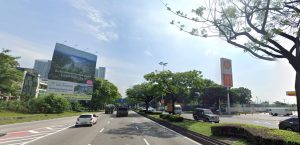
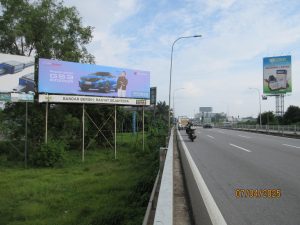
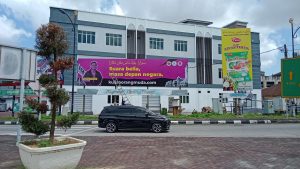
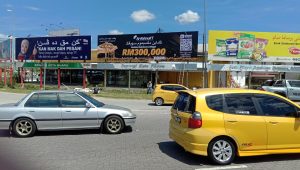
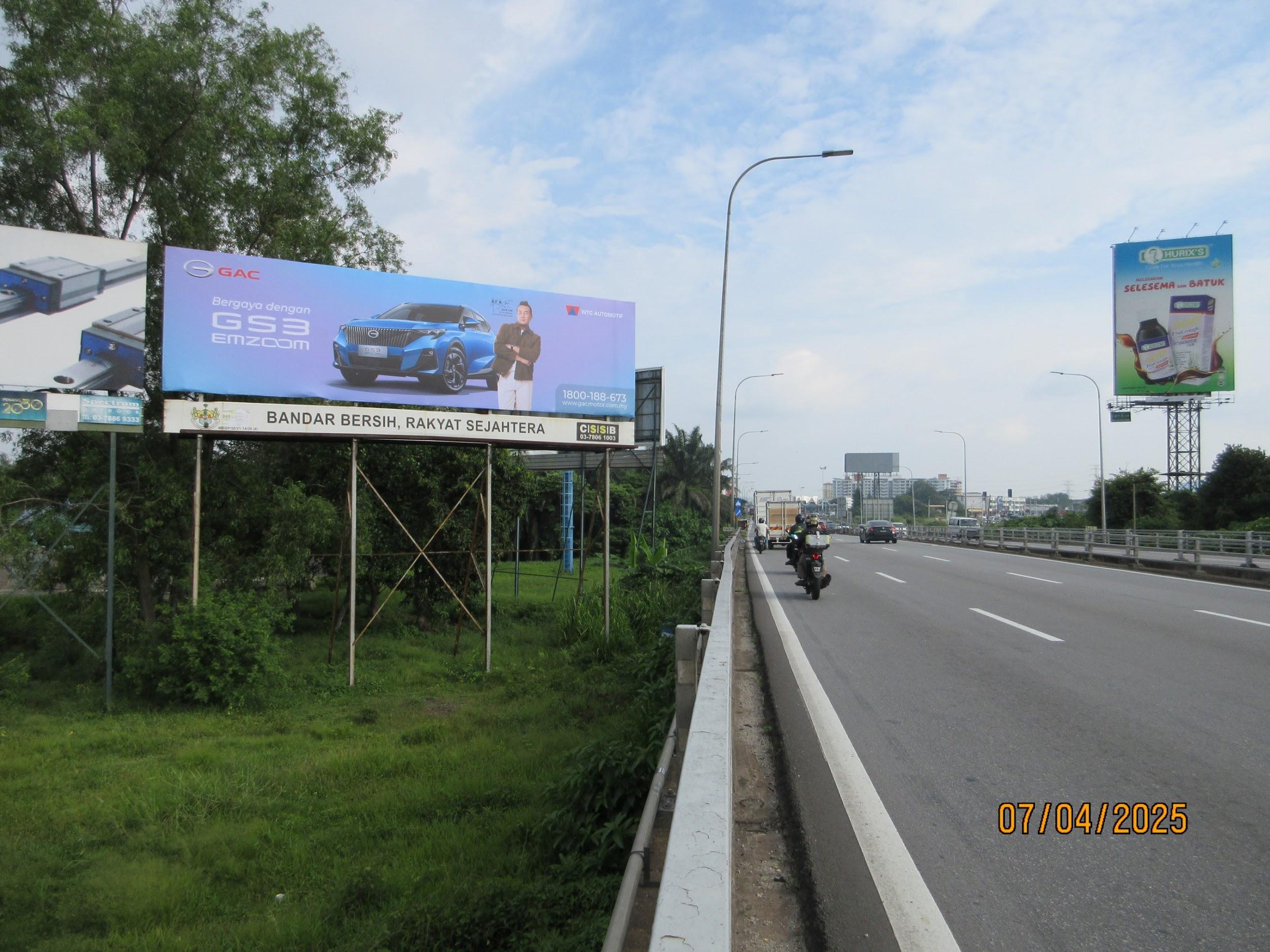
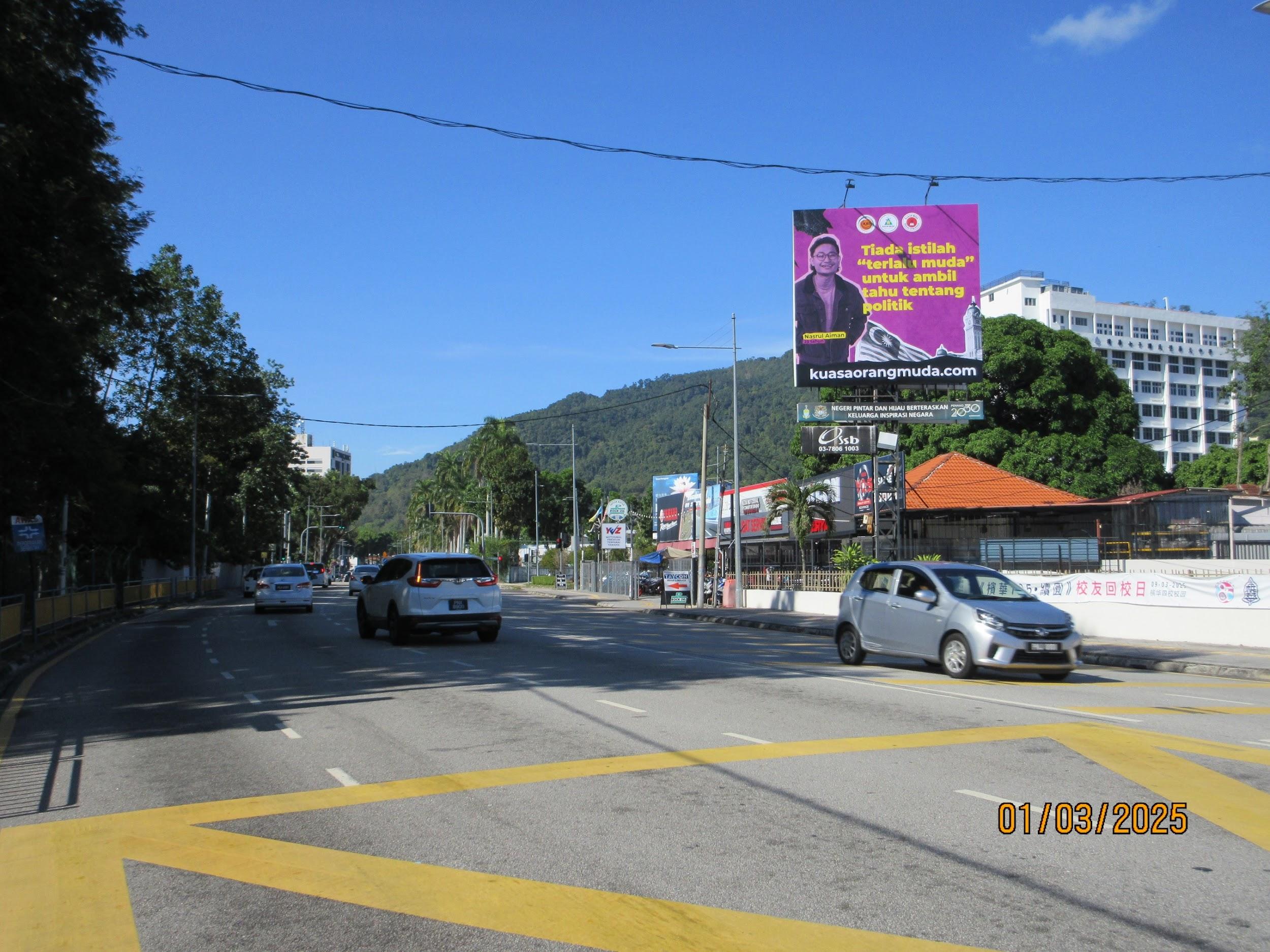
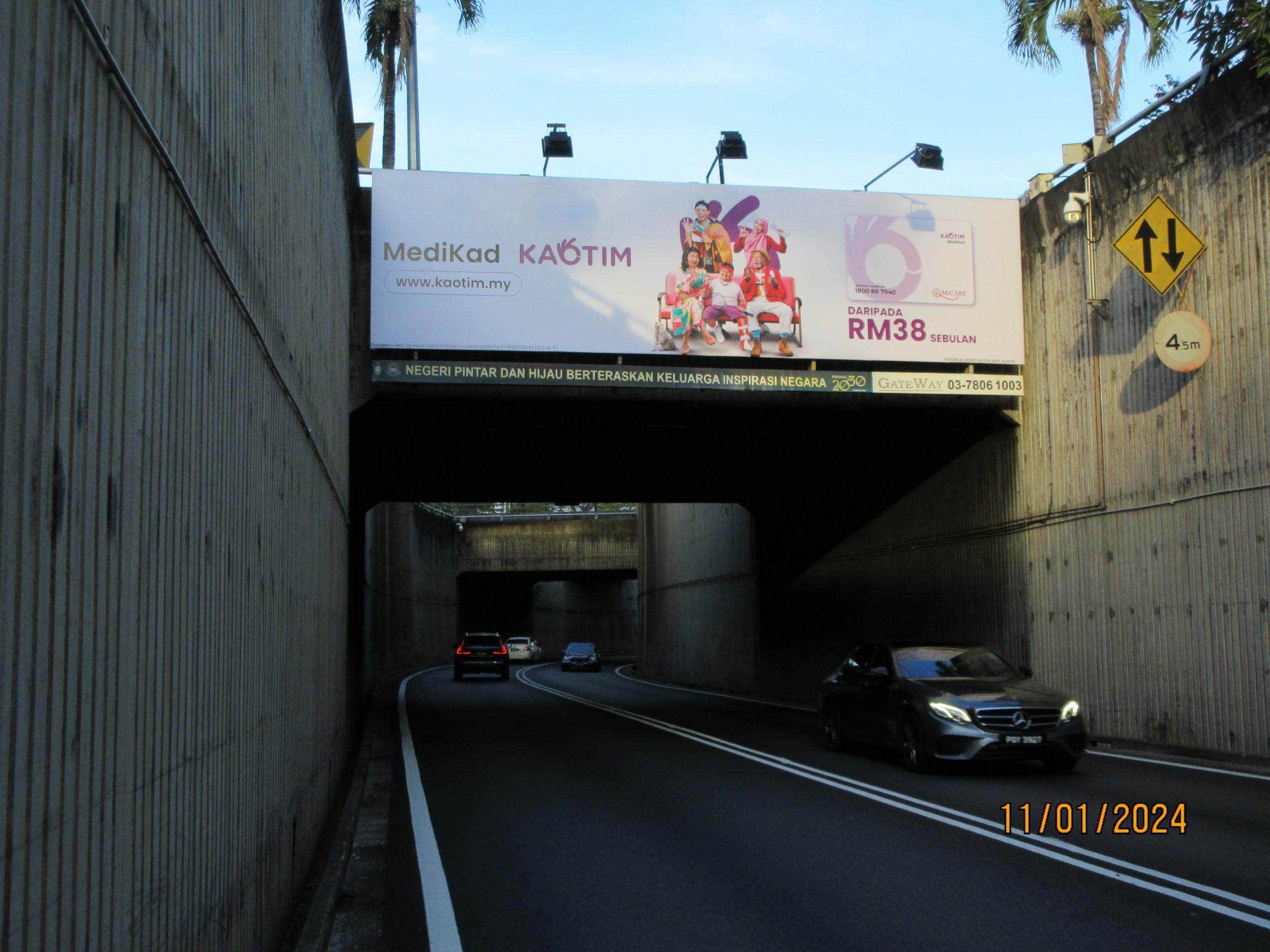
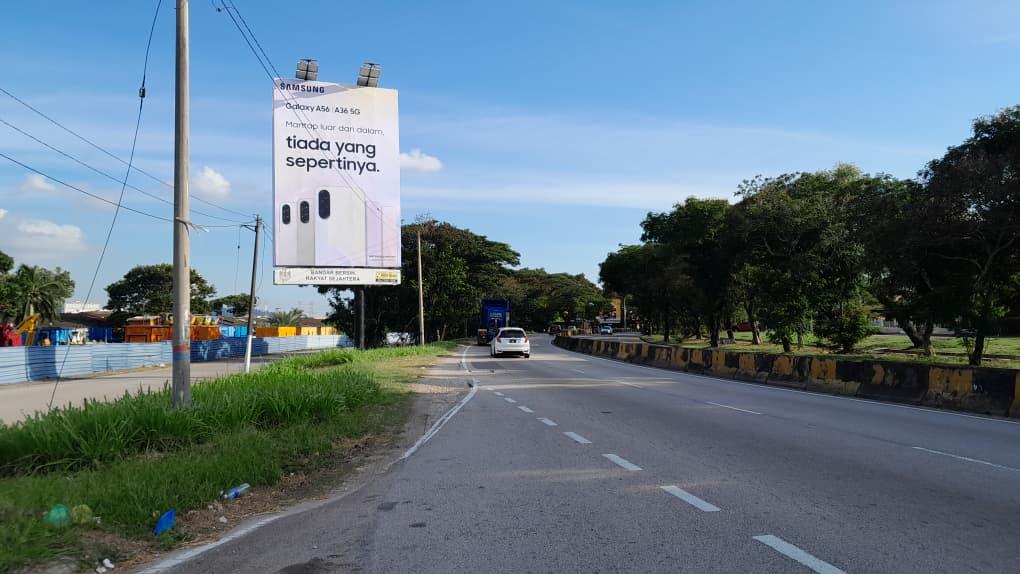
Static remains the backbone: unipoles and freestanding boards on the expressways, wall-mounted panels through the commercial districts.
Mall media is unusually strong here given the concentration of retail at Gurney, Queensbay and the mainland centres. Airport inventory operates on a separate approval track through the airport authority.
Transit options include buses and the ferry and Penang Sentral environment, which reaches the commuter flow in a way roadside inventory cannot.
Mainland Rates Against Island Rates
The same budget buys considerably more inventory on the mainland. For campaigns chasing reach rather than prestige, a mainland-weighted buy usually delivers better value.
The reverse holds for brands targeting affluent island households or the tourist economy, where mainland positions simply do not reach the audience.