The Complete Field Guide To Out-Of-Home: Every Format A Brand Can Buy, From Highway Gantries To Lift Lobby Screens
Out-of-home advertising is the only medium that cannot be skipped, blocked, muted or scrolled past. It reaches people in the physical world — driving, commuting, shopping, waiting — and it has quietly become one of the fastest-growing categories in Malaysian media as digital screens replace vinyl.
What follows is a working guide to the full spectrum of OOH formats, what each one does well, and where each one falls short.
Why Out-Of-Home Still Works in Malaysia
Every other channel is fighting for attention inside a device the audience controls. OOH operates in shared public space, where the message is part of the environment rather than an interruption to it.
No ad blocking — there is no software that removes a billboard from a skyline.
Broadcast scale — a single high-traffic site delivers mass reach in a way few digital placements can match.
Repetition by routine — commuters pass the same sites twice daily, five days a week.
Brand credibility — physical presence signals permanence and scale that a social post cannot.
Proximity to purchase — retail and mall formats reach shoppers metres from the shelf.
Amplification — striking executions get photographed and shared, earning free social reach.
Roadside And Highway Formats in Malaysia
The traditional backbone of the medium, and still where the largest share of Malaysian OOH spend sits.
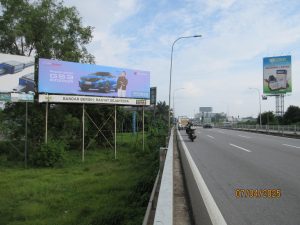
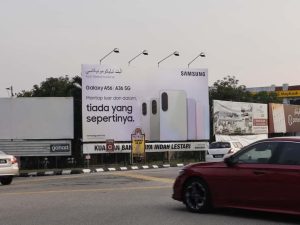
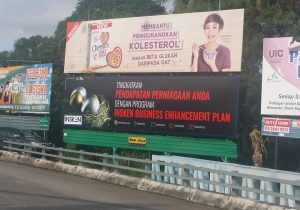
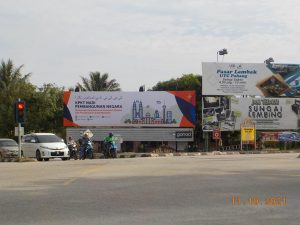
Unipoles And Static Billboards
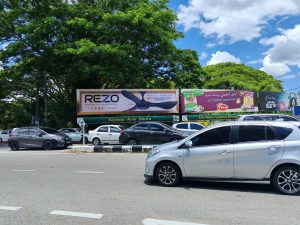
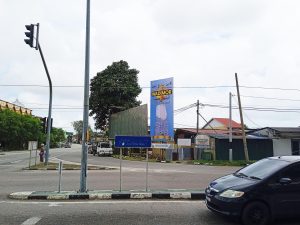
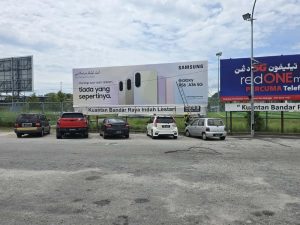
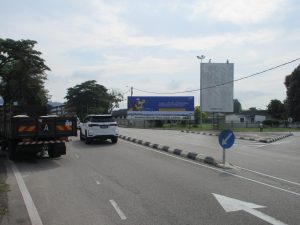
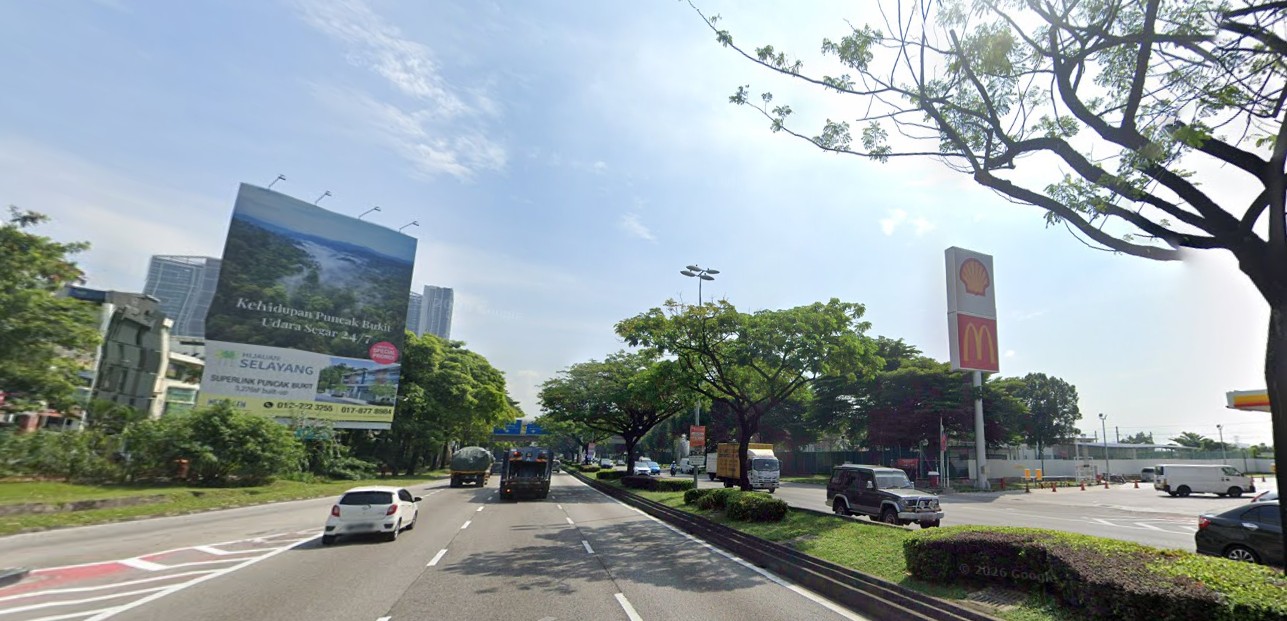
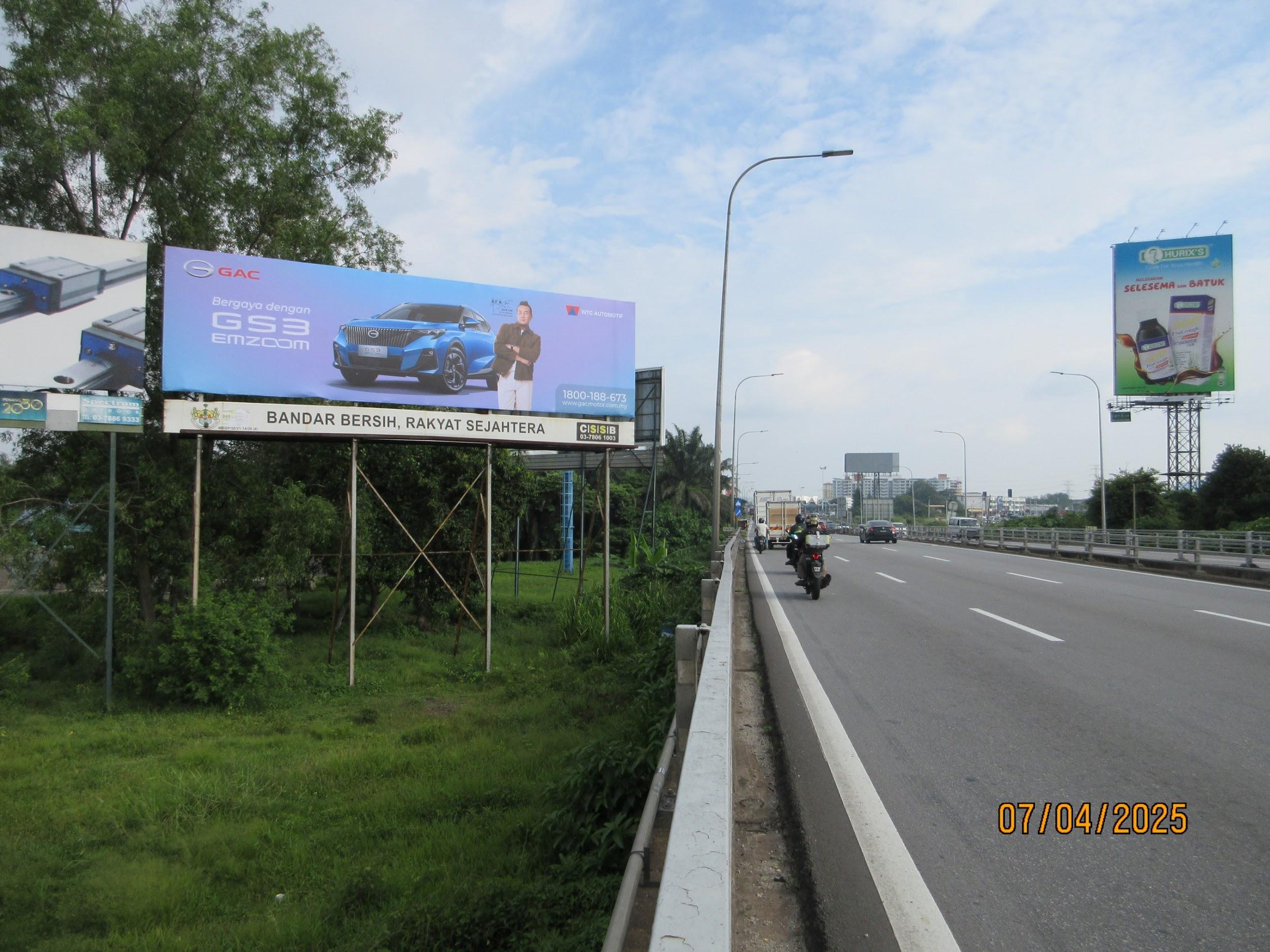
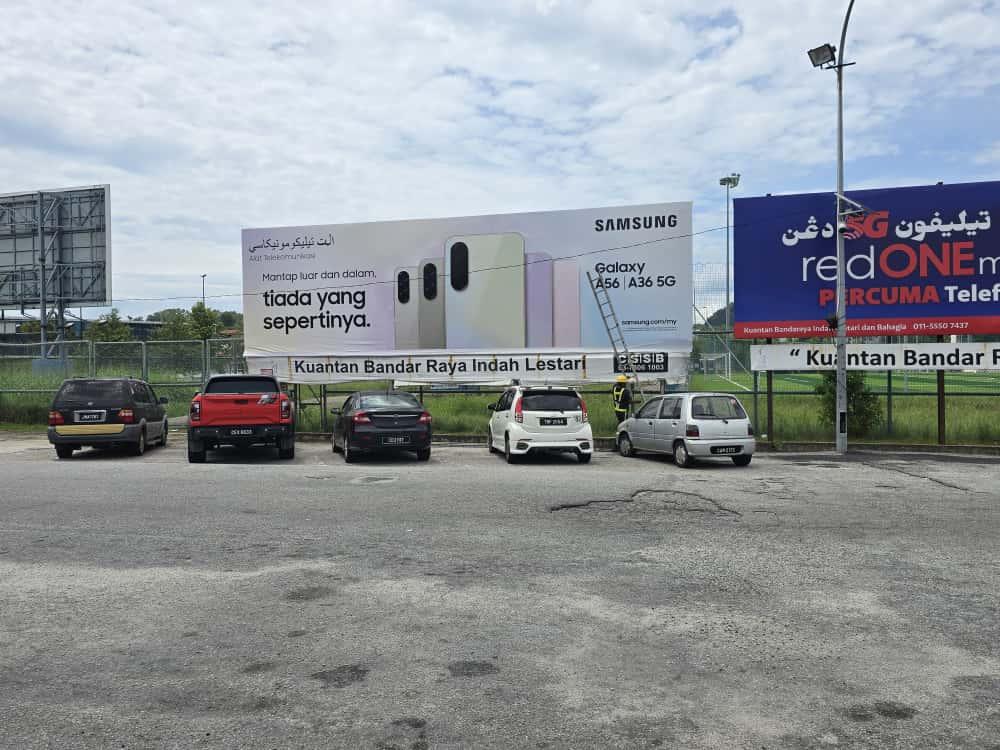
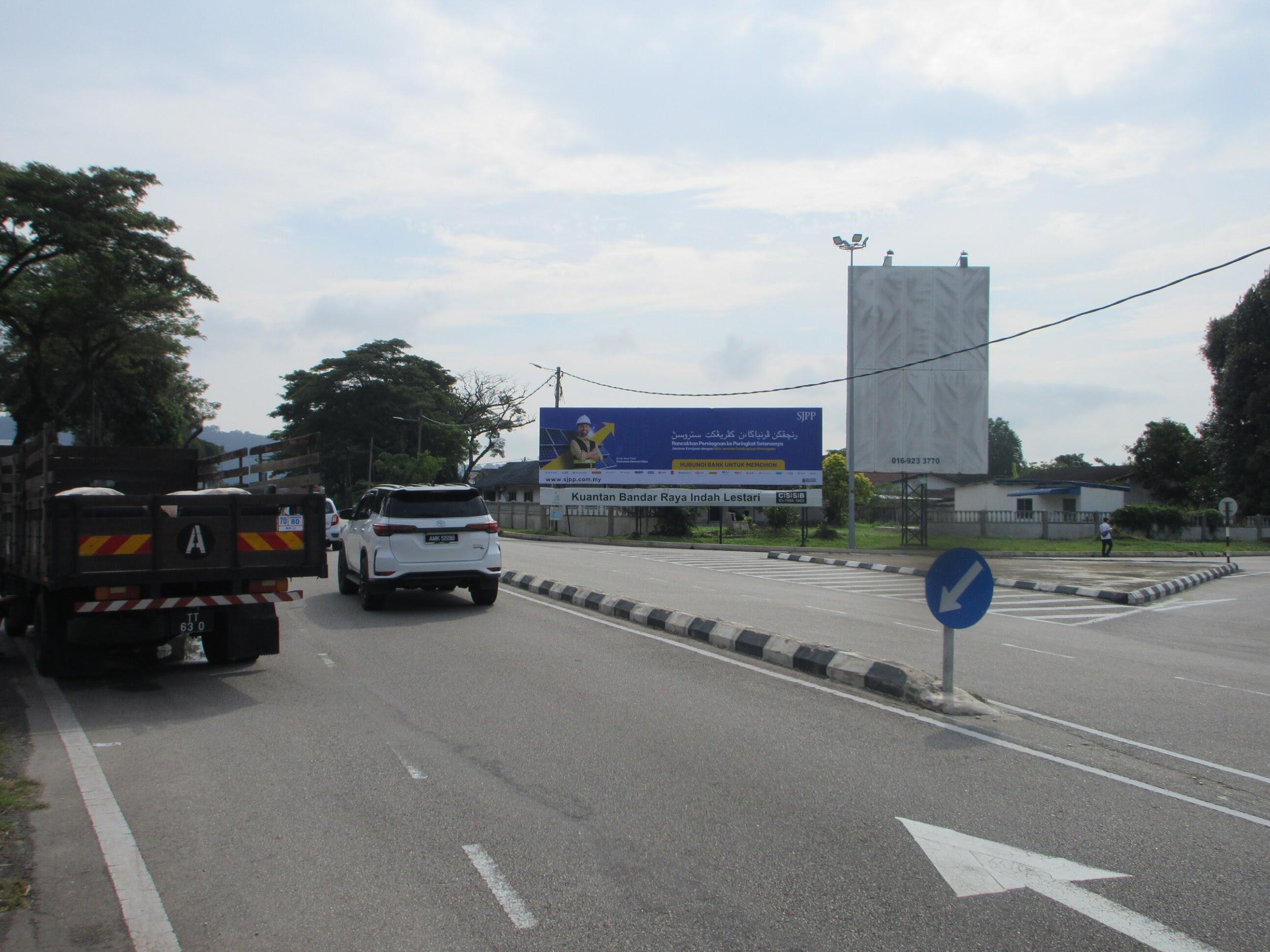
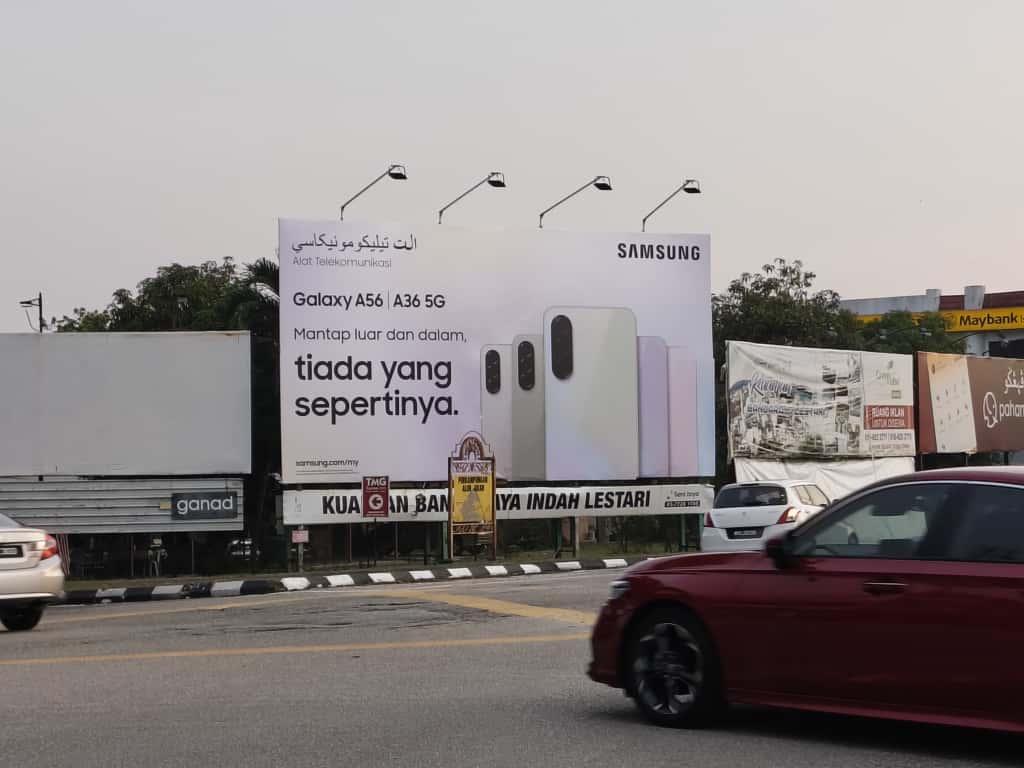
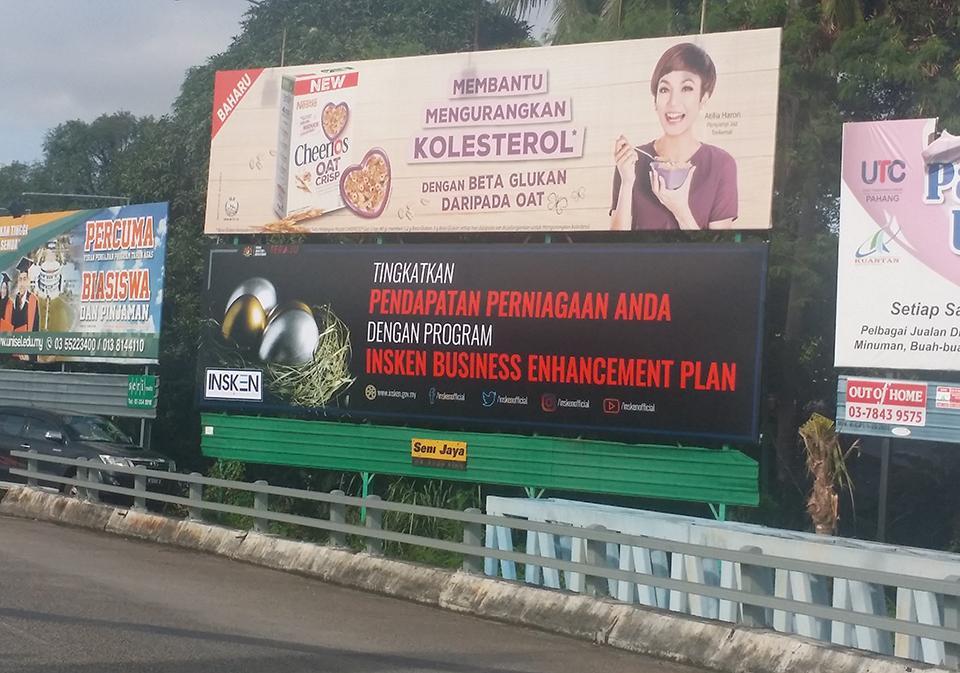
Freestanding structures on a single steel column, positioned along expressways and trunk roads. They deliver long-range visibility at highway speed, which is why copy has to be brutally short.
Best for brand awareness rather than detailed messaging.
Typically booked monthly or annually, with production billed separately.
Sites are logged by kilometre marker and carriageway direction.
Copy discipline matters — seven words or fewer is the working rule.
Prominent Gantries And Overhead Structures in Malaysian Highways
Spanning above the carriageway rather than sitting beside it, gantries put the message directly in the driver’s sightline. They command premium rates because the eye has nowhere else to go.
Overhead Bridge And Pedestrian Bridge Panels
Double-sided by nature, capturing traffic in both directions.
Long horizontal format suits logo-and-line executions.
Common on federal roads and urban arterials.
Often paired with pedestrian-level exposure from the bridge itself.
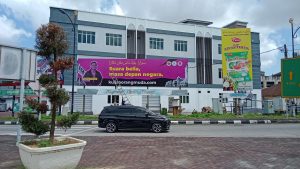
KL Wallscapes And Building Wraps
Large-format vinyl or mesh applied to a building elevation. These deliver extraordinary scale and dominate a skyline, though they are constrained by local authority approval and building ownership.
Malaysia Highway Toll Plaza Advertising
One of the most underrated formats in the Malaysian market. Vehicles are slowing, stopping or queuing, which converts a three-second glance into genuine dwell time.
Captive audience — drivers cannot leave the lane.
Longer copy tolerated — low speed permits more information.
Predictable volumes — toll operators hold accurate traffic counts.
Peak amplification — festive balik kampung periods deliver enormous seasonal volume.
Lamp Post Bunting in Highways and major Malaysian cities
Small vertical banners mounted on street lighting columns, usually sold in sequential runs along a stretch of road. Individually modest, collectively powerful.
Repetition — a run of poles hits the same driver several times per journey.
Low production cost — refresh is cheap compared to large format.
Fast turnaround — ideal for short promotional windows.
Township targeting — clusters sit outside named residential catchments.
Developer favourite — heavily used for property launches.
Malaysia Digital Out-Of-Home(DOOH)
The fastest-growing segment, replacing printed vinyl with screens running scheduled loops. The economics change completely: multiple advertisers share one site, and creative can be swapped without a production crew.
LED Billboards And DOOH Screens
Slot-based buying — typically 6 to 10 advertisers rotating on a loop.
15-second spots are the market standard.
Dayparting — different creative by time of day.
Rapid changeover — artwork updates in hours, not days.
Motion capability — animation and video, not just static frames.
Extended hours — many sites run 17 to 18 hours daily.
Media Facade in KL
The most spectacular format in the medium — an entire building elevation converted into a programmable display surface. Media facades function as urban landmarks, not merely advertising slots.
Skyline dominance — visible across entire districts.
Social amplification — heavily filmed and shared by passers-by.
Premium positioning — signals a major brand moment.
Creative demands — requires purpose-built content, not resized artwork.
Limited inventory — few such structures exist, so lead times are long.
Malaysia Programmatic DOOH Technology
Screens bought through automated exchanges rather than direct negotiation, allowing brands to trigger creative based on weather, time, traffic or inventory levels. Still emerging in Malaysia, but growing quickly.
Malaysia Transit Advertising
Media that moves with the audience or lives inside the transport network. Transit delivers exceptional frequency, because commuting is the most repetitive behaviour in urban life.
KL MRT, LRT And Monorail
Rail advertising splits into station media and train media, and they behave quite differently.
Platform screens — reach a stationary, waiting audience with nowhere else to look.
Concourse and lightbox panels — catch commuters entering and exiting.
Train wraps — entire carriage exteriors, delivering moving mass reach.
Interior panels and handles — exposure across a 10 to 15 minute journey.
Station domination — full takeover of a single station for total share of voice.
Escalator and pillar wraps — unavoidable at pinch points.
Rapidkl Bus Wraps And Bus Shelters
Buses turn a fixed budget into a mobile campaign covering multiple neighbourhoods in a single day. Shelters, by contrast, work like small static billboards at eye level.
Full wraps — maximum impact, covering the entire vehicle body.
Partial and rear panels — cheaper, targeting following traffic.
Route selection — campaigns can follow specific corridors.
Bus shelters — reach both waiting passengers and passing drivers.
Backlit shelter panels — effective through evening hours.
Malaysia Airport Advertising
The most premium audience in OOH. Travellers are affluent, captive and unhurried, moving through a controlled environment with long unavoidable dwell periods.
Arrival and departure halls — the first and last impression of a country or city.
Baggage claim — possibly the longest guaranteed dwell time in all advertising.
Aerobridges and travelators — sequential exposure along forced walking routes.
Trolley panels — travel the full terminal with the passenger.
Lounge and gate screens — reaching business travellers specifically.
Terminal domination — total takeover for launch moments.
Malaysian Taxi And Ride-Hailing Media
Vehicle wraps, rooftop digital toppers and in-car tablet screens, reaching both pedestrians outside and passengers inside. Increasingly bought with geo-targeted digital toppers that change creative by neighbourhood.
Place-Based And Indoor Formats
Screens and panels inside buildings, reaching audiences who are already in a spending or working mindset.
KL, JB, Ipoh and JB Shopping Mall Media
Atrium and concourse LED — large-format screens at the architectural heart of the mall.
Lift and escalator wraps — unavoidable vertical circulation points.
Directory and wayfinding screens — consulted deliberately rather than glanced at.
Washroom and corridor panels — high dwell, low competition.
Carpark media — reaching drivers before and after the shopping trip.
Atrium activations — physical experiential space for product sampling.
KL Office And Residence Screens
Digital panels in lift lobbies and lift cars of office towers and condominiums. The format trades scale for precision and repetition.
Demographic targeting — buildings can be selected by tenant profile or property tier.
Extreme frequency — residents and staff pass the same screen multiple times daily.
Guaranteed dwell — nobody looks anywhere else in a lift.
B2B reach — office towers deliver decision-makers in volume.
Residential proximity — effective for food delivery, grocery and services.
Retail And In-Store Media in Malaysia
The closest OOH gets to the point of sale. In-store media reaches shoppers seconds before the purchase decision, and increasingly forms its own category as retail media networks.
Store entrances — category priming before the basket fills.
Main aisles — high-dwell exposure along primary walking routes.
Shelf zones and wobblers — visibility at the moment of selection.
Checkout areas — the final impulse window.
Trolley and basket panels — travelling the whole store.
Floor graphics and gondola ends — interrupting the shopper’s path.
Cinema Advertising
A seated audience in a darkened room with full sight and sound. Cinema carries the highest attention quality in the medium, though it demands long lead times for regulatory clearance.
Ambient And Experiential OOH
Everything that does not fit a standard panel. Ambient formats trade reach for memorability, and work best as the social-content engine of a wider campaign.
Street furniture — benches, bollards, kiosks and public amenity fixtures.
Petrol station media — pump toppers and forecourt screens with fixed dwell time.
Gym and fitness screens — long dwell with a defined lifestyle audience.
Stadium and event signage — reaching emotionally engaged crowds.
Projection and 3D anamorphic — built explicitly for online sharing.
Pop-ups and roadshows — physical brand interaction rather than passive viewing.
How OOH Is Planned And Bought
The Metrics That Matter
Traffic count — vehicles or pedestrians passing per day or month.
Dwell time — how long the audience is able to look.
Frequency — how often the same person is exposed.
Share of voice — on digital loops, the proportion of total screen time owned.
Proof of play — documented evidence that the campaign actually ran.
Booking Structures
Static sites are usually sold monthly or annually, with production and lighting charged separately. Digital sites are sold as loop slots, priced by spot length and share of loop. Rates in Malaysia are typically quoted excluding SST.
Lead Times And Approvals
Local authority permits — required for new structures and certain wraps.
Language regulations — Malaysian signage rules govern Bahasa Malaysia prominence.
Cinema clearance — requires FINAS and LPF approval, adding weeks.
Production scheduling — printing and installation crews need advance booking.
Festive congestion — premium inventory sells out months ahead of major seasons.
Building A Campaign Across Formats
The strongest OOH plans rarely rely on one format. They layer contact points along a single audience journey — a highway gantry on the commute, a rail platform screen at the station, a lift lobby panel at the office, a mall LED at lunch, and an in-store shelf talker at the moment of purchase.
Each format does a different job. Highway and transit build awareness. Mall and office screens build familiarity. Retail and in-store convert. The mistake is buying only the first category and expecting the third to happen by itself.
Where The Medium Is Heading
Digital conversion — static faces steadily replaced by LED across urban corridors.
Measurement — mobile location data turning OOH into a trackable channel.
Retail media networks — supermarket chains selling their own in-store inventory.
Offline to online — QR codes and retargeting linking a billboard view to a digital audience.
Programmatic buying — screens traded like display inventory.
Sustainability — pressure toward solar-powered structures and recyclable substrates.
Out-of-home has spent two decades being written off as a legacy medium. Instead it has done the opposite — absorbed digital capability, gained measurement, and kept the one advantage no other channel can replicate: it exists in the real world, where the audience actually lives.
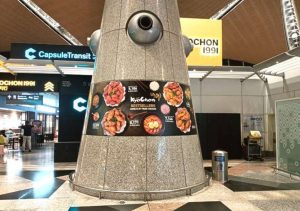
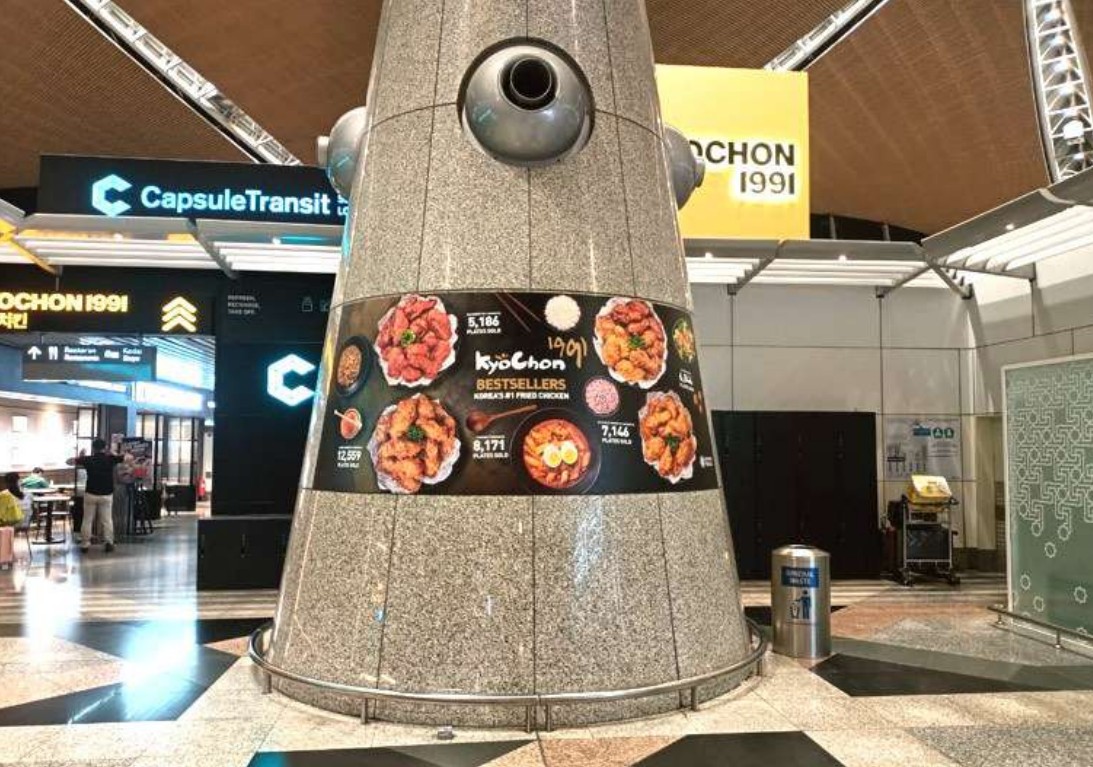
KLIA1 Media Opportunity A distinctive pillar wrap positioned inside KLIA Terminal 1, designed to create a high-impact brand presence for passengers moving through the domestic departure area. Domestic Departures Only One Unit Available Capsule-Like Format...
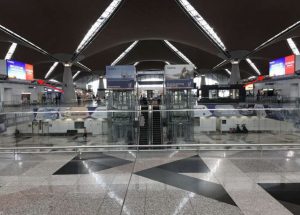
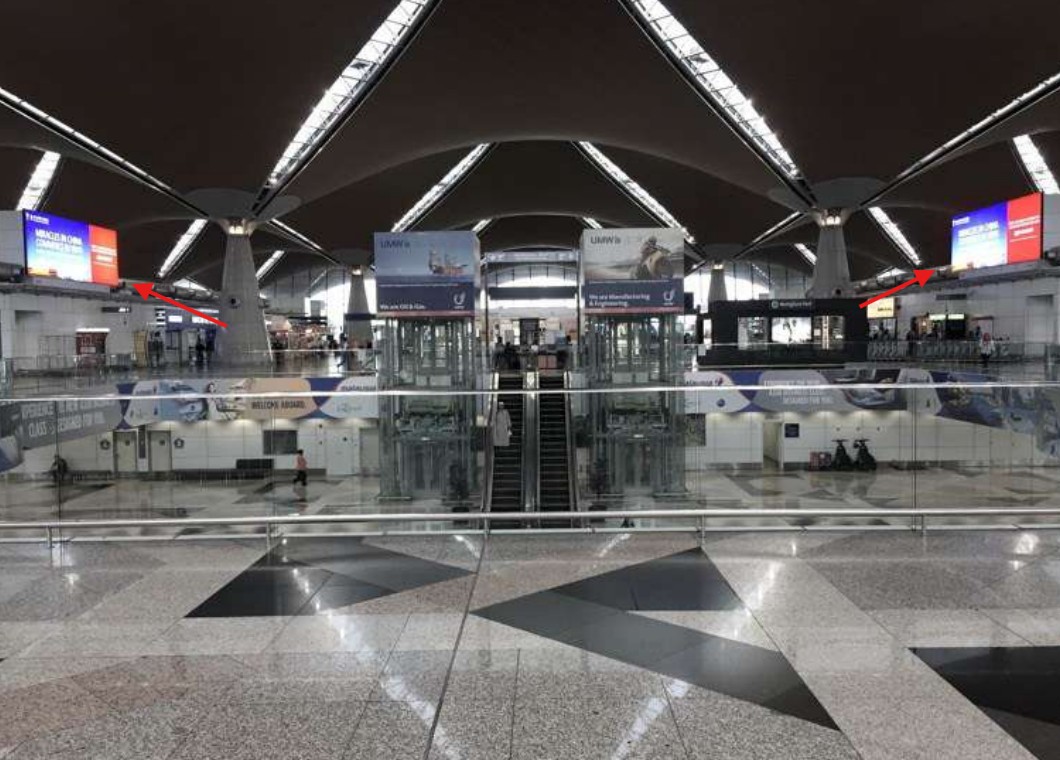
KLIA1 Media Opportunity The T1 Departures Icon is a premium pair of large-format backlit advertising units placed at one of KLIA Terminal 1’s most important passenger movement zones. Positioned on the left and right sides...
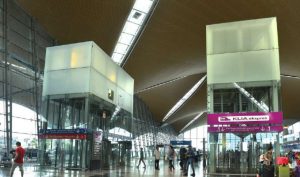
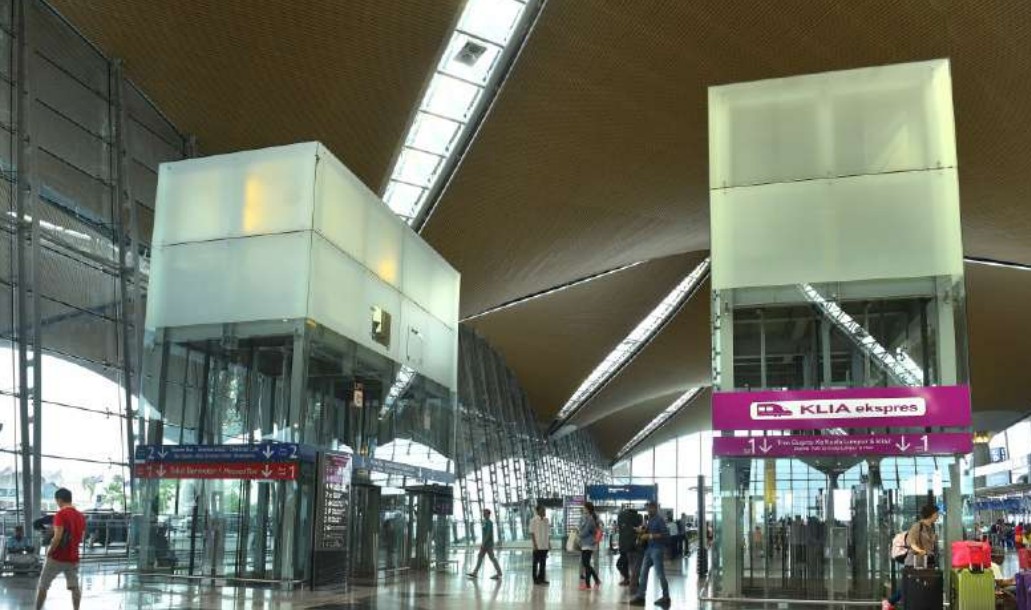
KLIA1 Media Opportunity T1 Departures Check-In Icons offers a commanding airport advertising presence above the four main lift shafts inside the KLIA Terminal 1 check-in hall. With large glass facade wraps surrounding highly visible architectural...
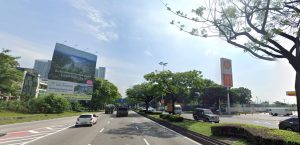
Located along the KM145 southbound corridor at Seberang Jaya, Penang, this site captures commuters, intercity motorists and holidaymakers moving between Butterworth, Seberang Jaya, Penang Sentral and the wider mainland townships. Nearby landmarks include Sunway Carnival...
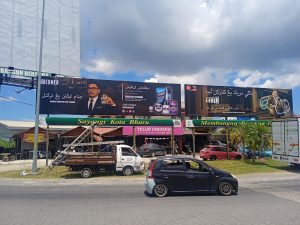
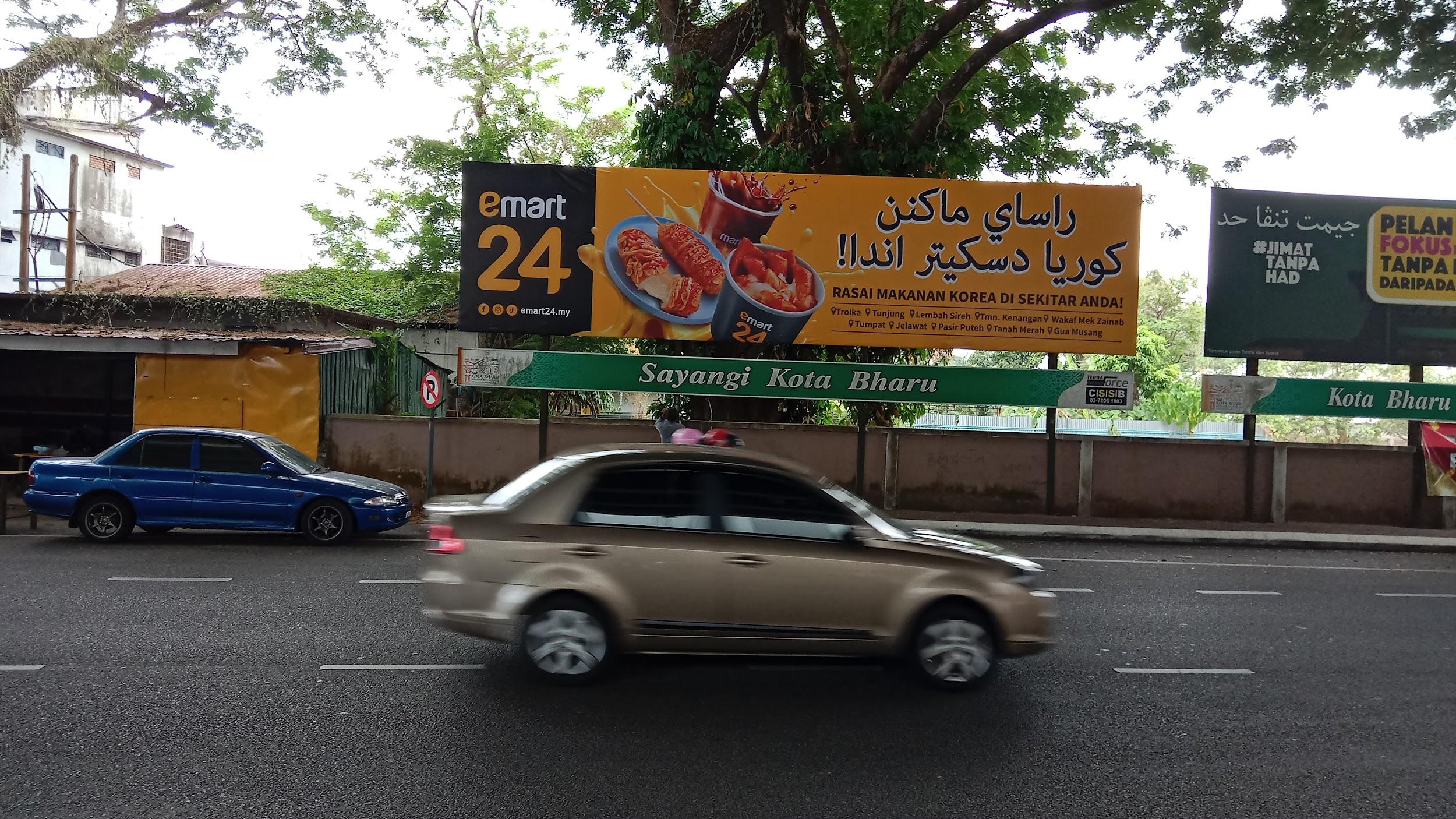
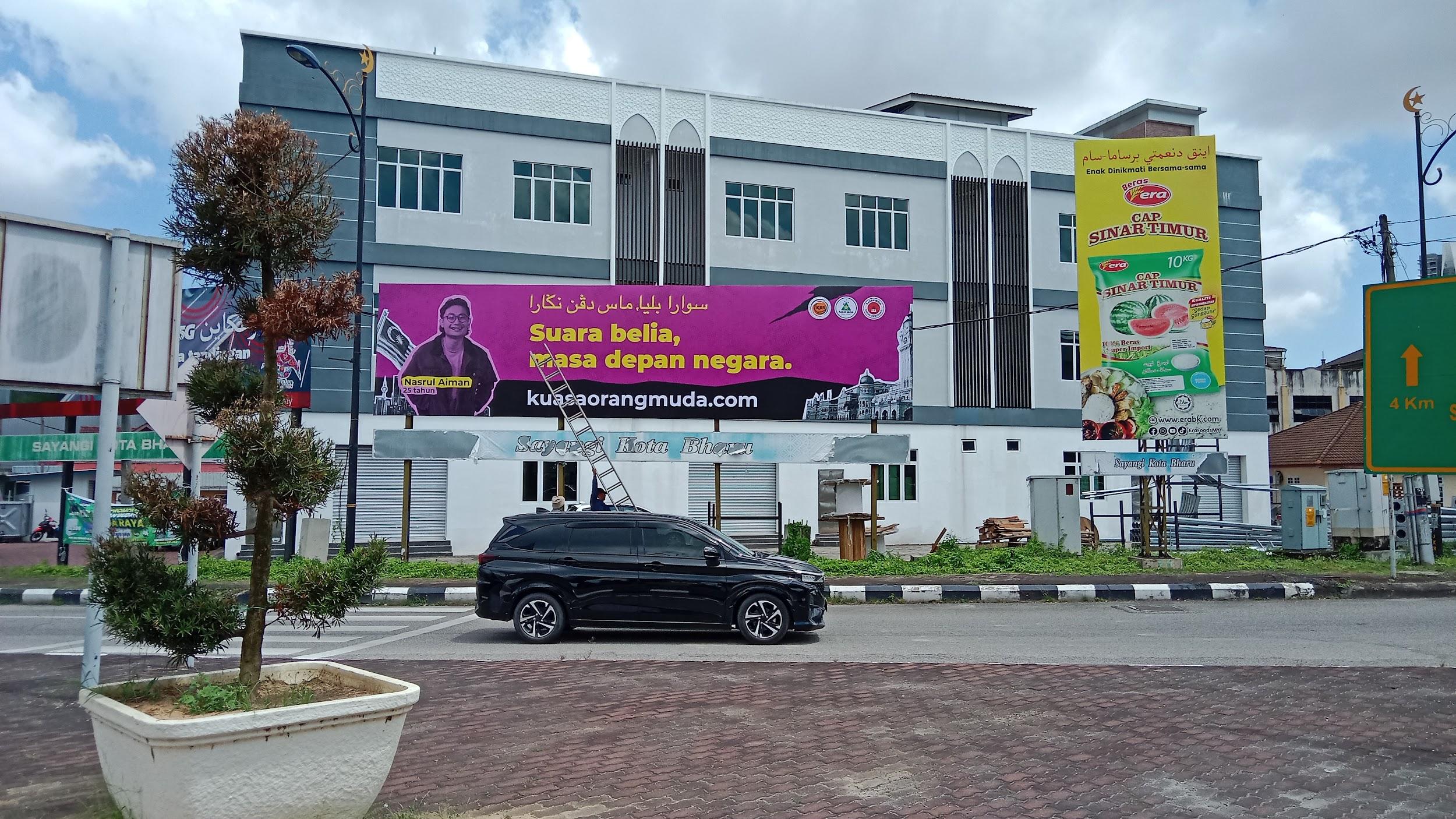
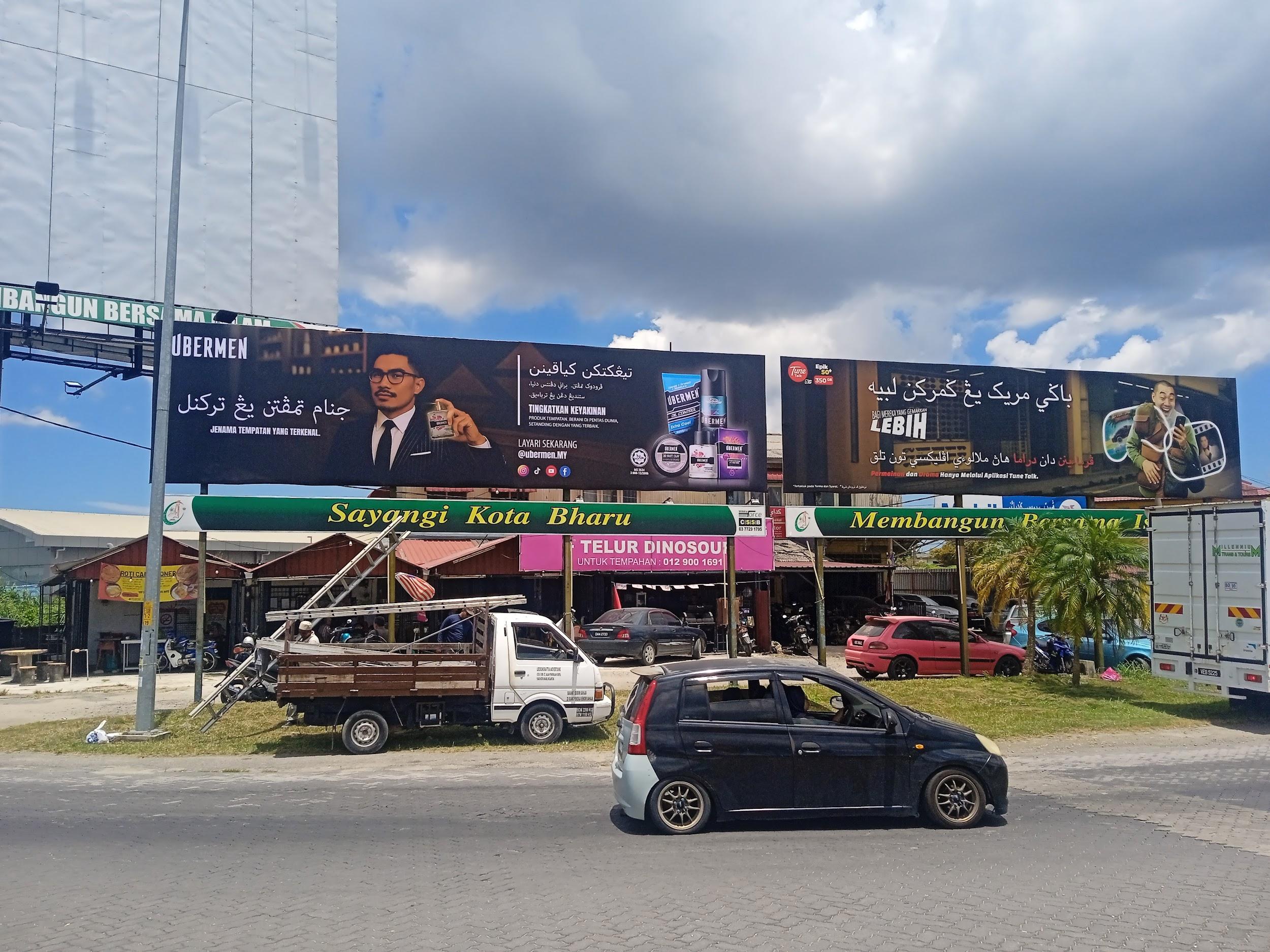
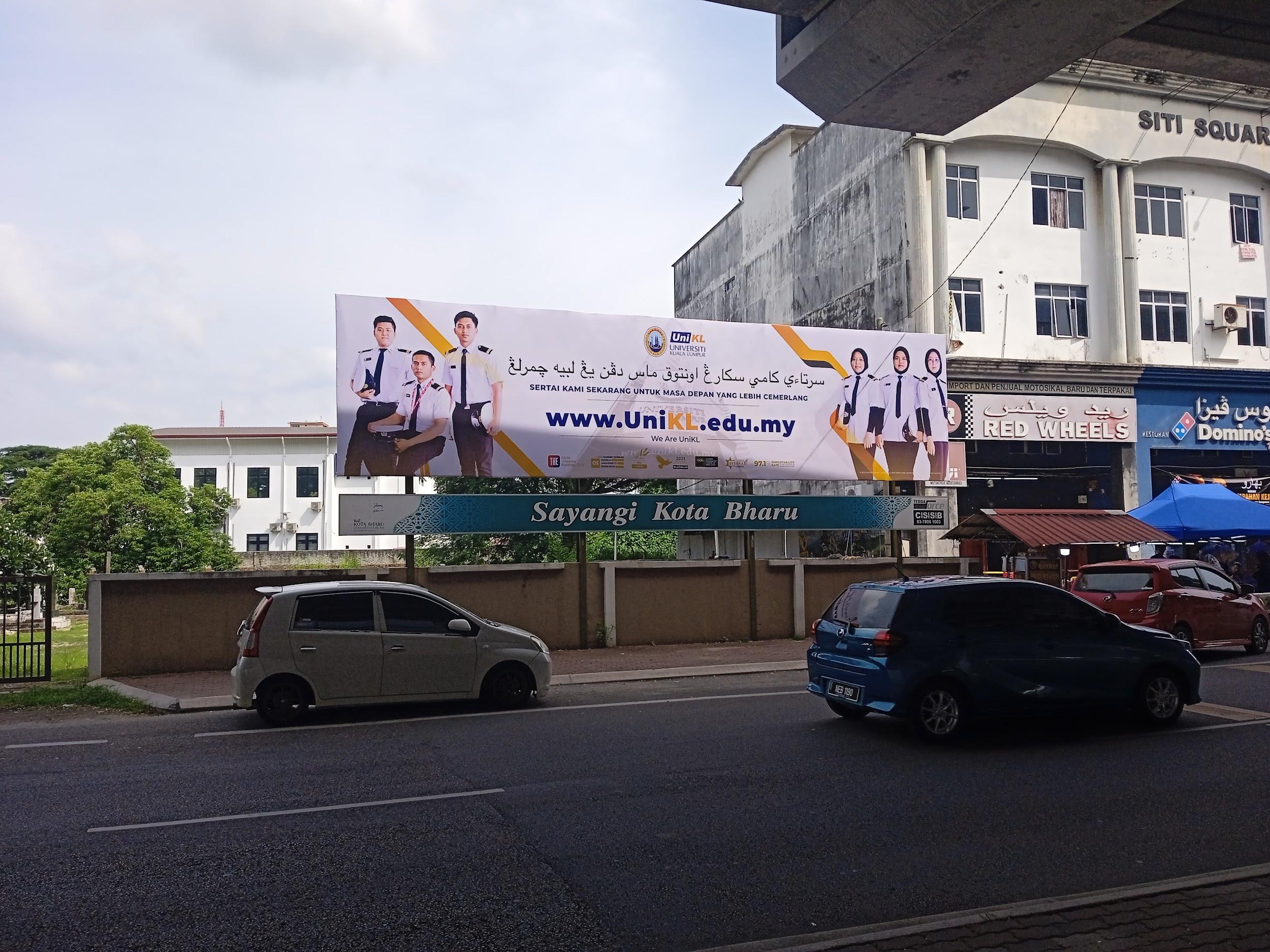
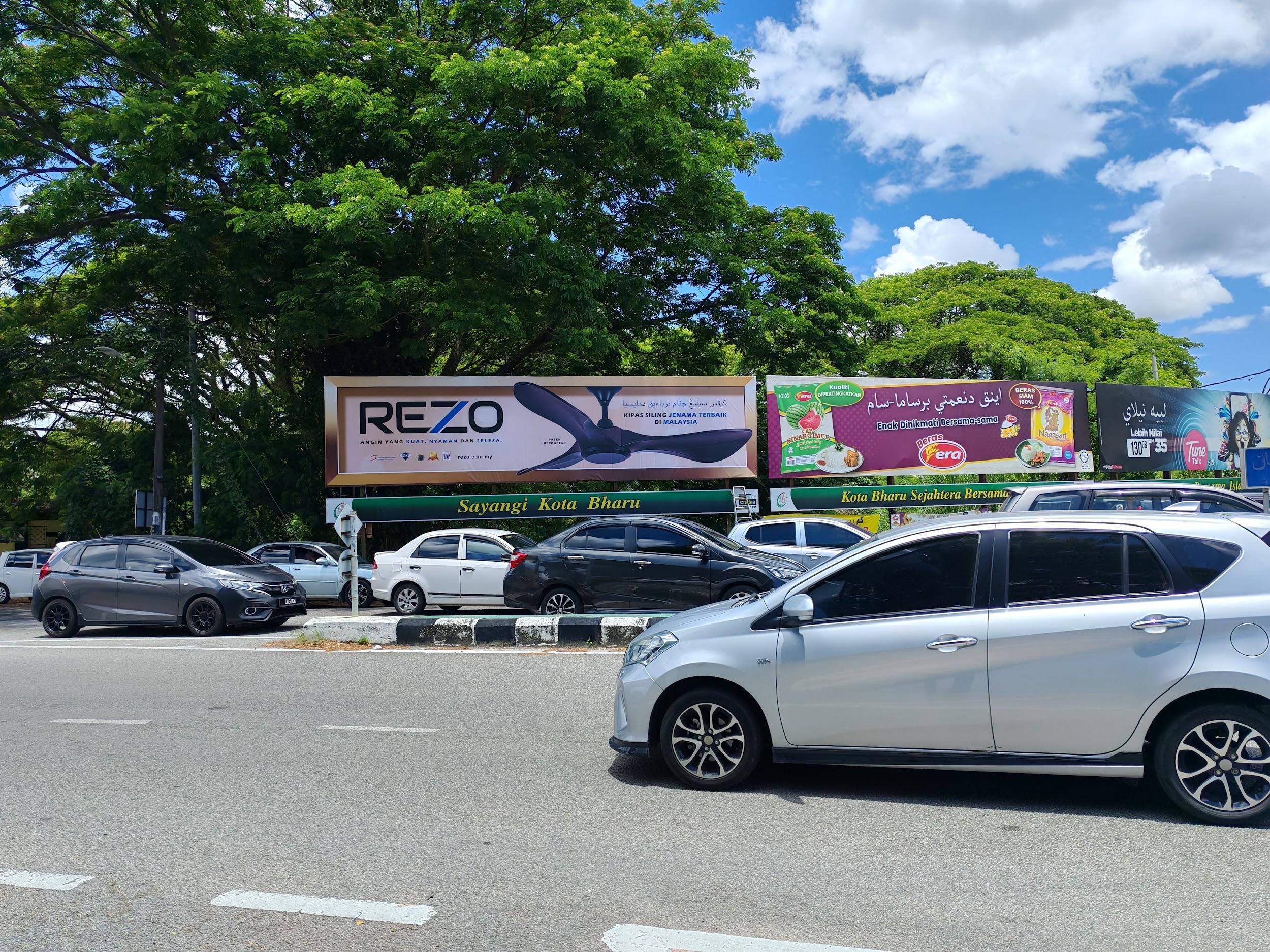
Located at the junction of Jalan Sultanah Zainab and Jalan Hamzah in Kota Bharu, this site captures daily traffic travelling between the city centre, schools, government offices, commercial streets and surrounding residential areas. Nearby landmarks...
Located at the four-way connection of Jalan Kuala Krai and the routes towards Pasir Mas, Rantau Panjang, Jeli and Gerik, this site captures regional motorists entering and leaving Kota Bharu together with cross-district commuters, logistics...
Located on Jalan Pengkalan Chepa directly opposite Sultan Ismail Petra Airport, this site captures airport-bound passengers, daily commuters and motorists moving between Kota Bharu city centre, Pengkalan Chepa and nearby townships. Nearby landmarks include the...
Located at Jalan Kuala Krai Batu 4 near the routes towards Pasir Mas, Rantau Panjang, Jeli and Kota Bharu, this site captures steady township and regional traffic from residents, students and commuters moving between suburban...
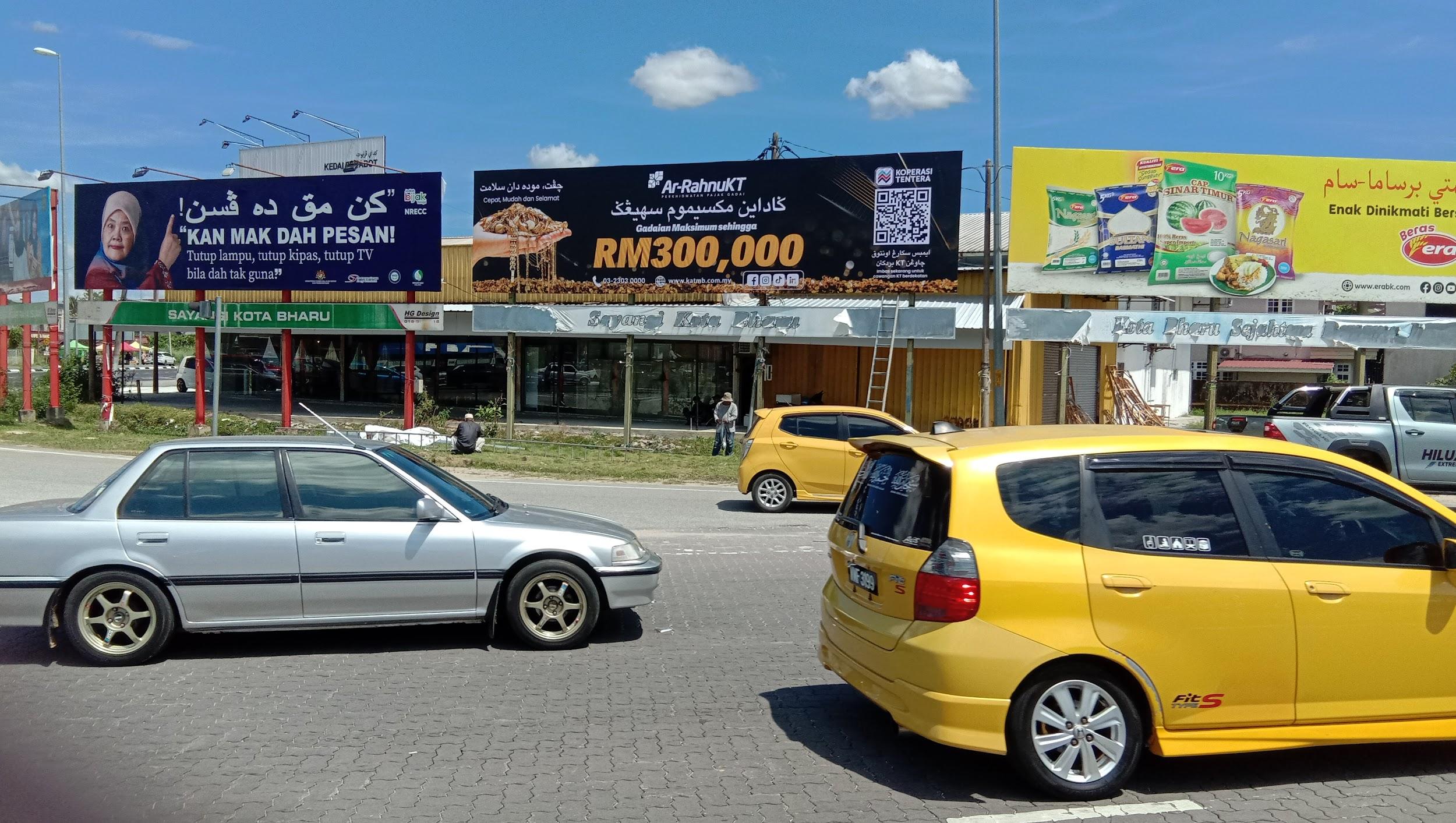
Located at the four-way junction connecting Jalan Hamzah, Jalan Kuala Krai, Jalan Sultan Yahya Petra and Jalan Sultan Ibrahim in front of KB Mall, this site captures high-value city traffic moving around Kota Bharu’s retail,...
Located at the KB Mall-facing junction linking Jalan Hamzah, Jalan Kuala Krai, Jalan Sultan Yahya Petra and Jalan Sultan Ibrahim, this site captures repeat exposure from motorists, shoppers and students circulating between major Kota Bharu...
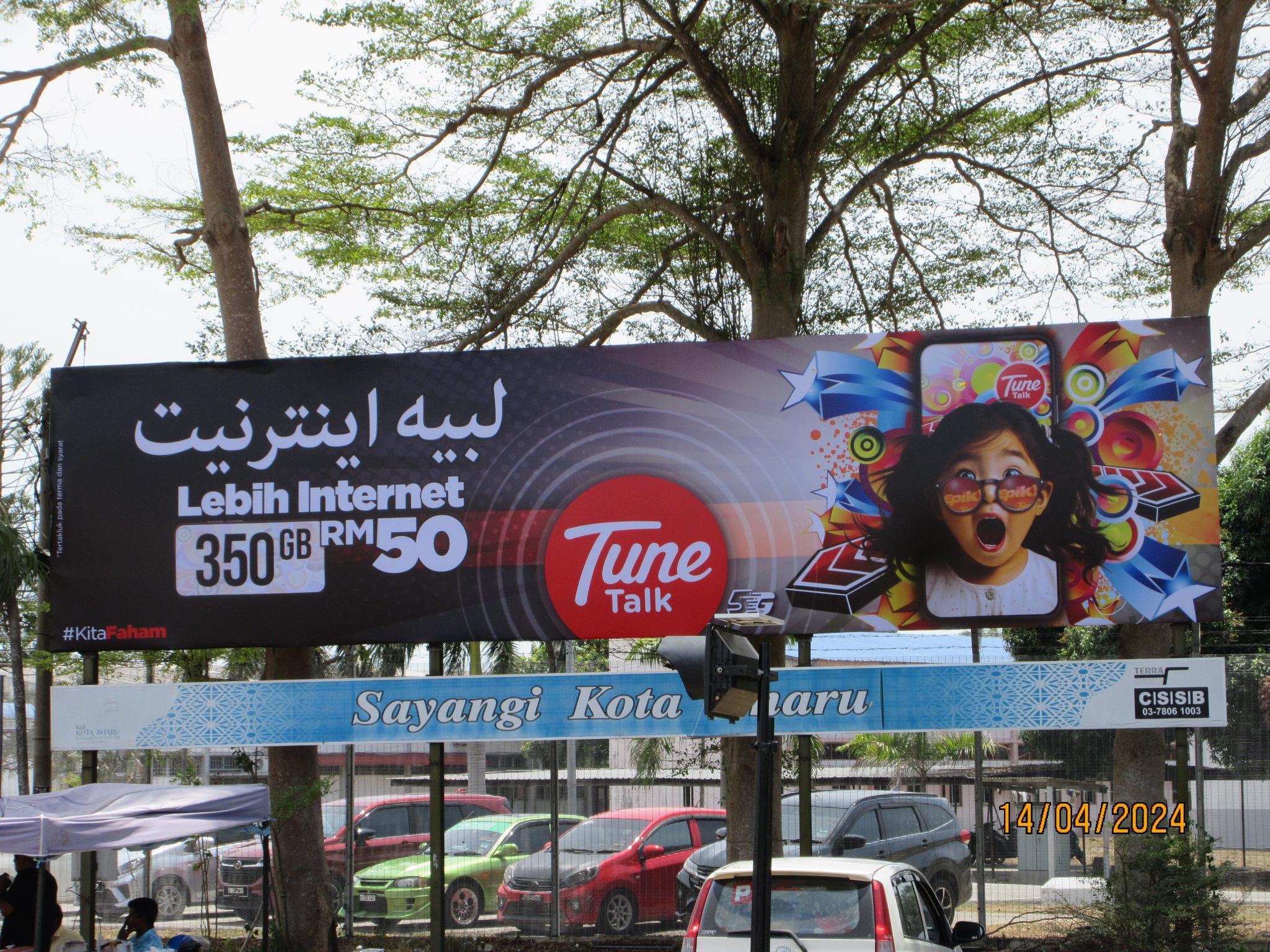
Located at the Jalan Sultanah Zainab and Jalan Hamzah intersection in Kota Bharu, this site captures daily motorists travelling through the city centre towards commercial streets, residential neighbourhoods and school zones. Nearby landmarks include local...
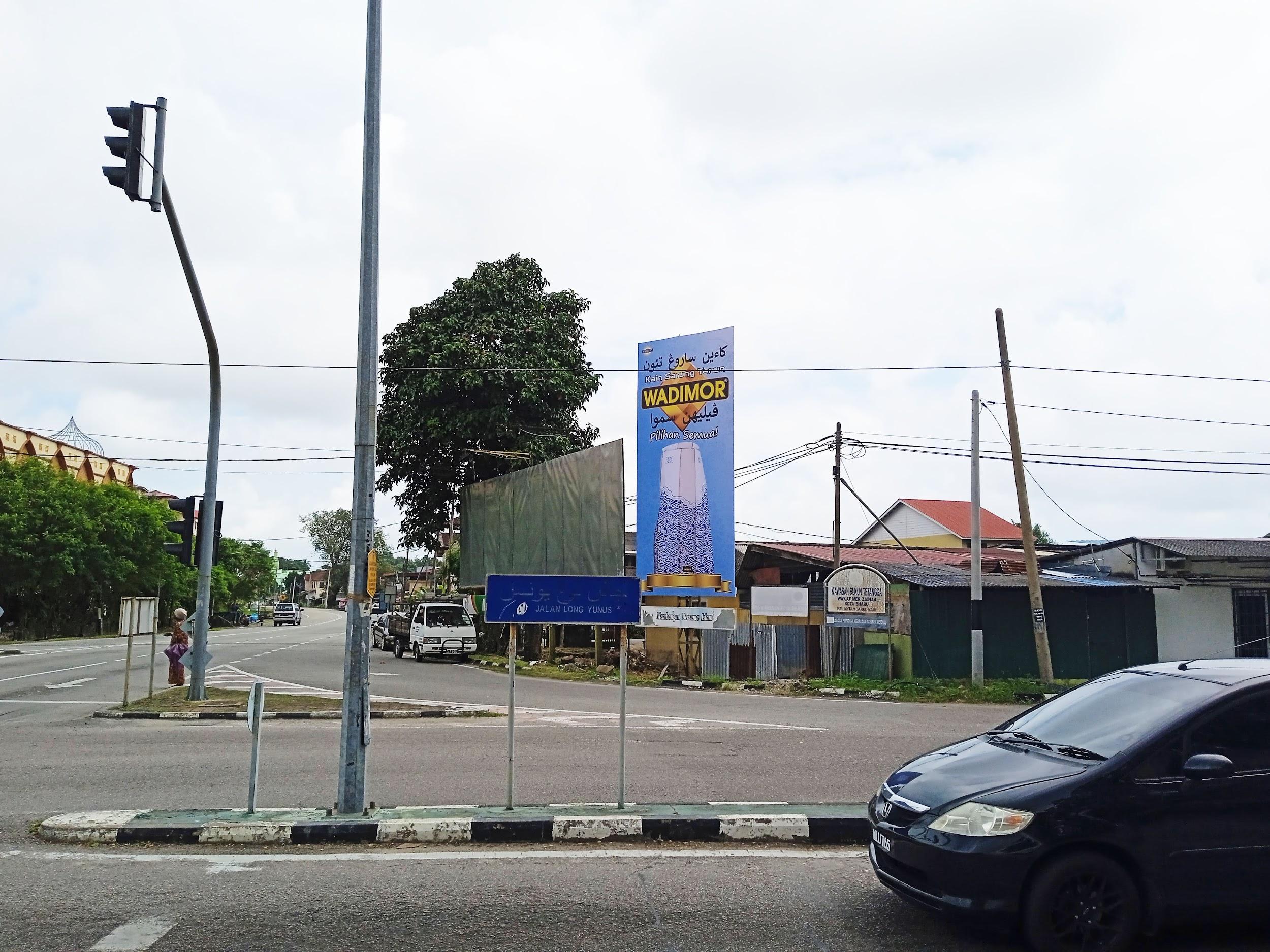
Located at Simpang 4 Jalan Kebun Sultan and Jalan Wakaf Mek Zainab in Kota Bharu, this site captures traffic moving between Kota Bharu’s inner-city roads, retail streets, community areas and nearby residential catchments. Nearby landmarks...
Located at the four-way junction of Jalan Tengku Ahmad Panglima and Jalan Long Yunus in Kota Bharu, this site captures city commuters and township motorists travelling between local neighbourhoods, commercial areas and central Kota Bharu....
Located at the intersection of Jalan Bukit Ubi and Jalan Stadium in Kuantan, this site captures daily traffic moving between Kuantan city centre, stadium facilities, schools and surrounding residential districts. Nearby landmarks include Stadium Darul...
Located at the junction of Jalan Hj Junid, Jalan Bukit Setongkol and Jalan Darat Makbar in Kuantan, this site captures neighbourhood and commuter traffic travelling between residential zones, local commercial pockets and city access routes....
Located at the junction of Jalan Kubang Buaya and Jalan Beserah in Kuantan, this site captures urban traffic moving between Kuantan city centre, coastal routes, residential neighbourhoods and business areas. Nearby landmarks include commercial shoplots,...
Located along Jalan Beserah heading towards Cherating near Sungai Galing in Kuantan, this site captures coastal-route traffic from local commuters, beachgoers, tourists and motorists travelling between Kuantan and Cherating. Nearby landmarks include Sungai Galing, coastal...