





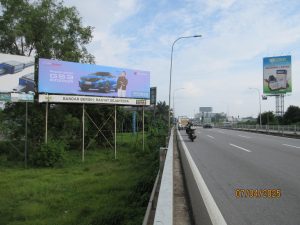


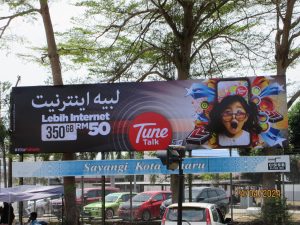
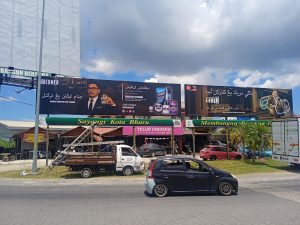




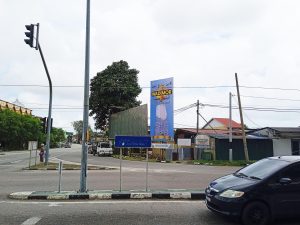




Billboard advertising remains a popular choice for brands looking to increase visibility and reach a broad audience. However, the cost of billboard advertising can vary significantly depending on whether the location is urban or rural. This article explores the factors influencing the range of billboard advertising cost in these two distinct settings, helping businesses make informed decisions about their advertising investments.
Understanding Billboard Advertising Costs
Billboard advertising costs are influenced by several factors, including location, audience size, visibility, and competition. Understanding these elements can help businesses assess the best options for their advertising needs.
Urban Billboard Advertising Cost
Urban areas typically feature higher billboard advertising costs due to increased demand and the potential for a larger audience.
High Demand and Competition
In metropolitan areas, there is often a higher demand for billboard space. Multiple businesses compete for visibility, driving up costs. Prime locations, such as busy intersections and highways, can command premium rates. Advertisers must be prepared to pay more for the visibility that comes with these high-traffic areas.
Larger Audience Reach
Urban billboards are strategically placed to reach a diverse and substantial audience. The higher population density in cities means more people are likely to see the advertisement, justifying the higher costs. Brands targeting a broad demographic often find urban billboards to be an effective investment, as they can reach thousands of potential customers daily.
Rural Billboard Advertising Cost
In contrast, billboard advertising costs in rural areas tend to be lower, primarily due to decreased demand and a smaller audience.
Lower Demand and Competition
Rural areas usually have fewer businesses vying for billboard space, resulting in lower demand. This reduced competition can lead to more affordable advertising options. Businesses looking for cost-effective advertising solutions may find rural billboards appealing, particularly if they are targeting local consumers.
Smaller Audience Reach
While rural billboards are cheaper, they also reach a smaller audience. The lower population density means fewer impressions per day. However, for businesses that cater primarily to local customers, these billboards can still be effective in generating awareness and driving foot traffic.
Factors Influencing Billboard Advertising Costs
Several additional factors can influence the cost of billboard advertising in both urban and rural settings.
Location Quality
The quality of the billboard location plays a crucial role in determining costs. Billboards in high-visibility areas, such as near popular shopping centers or major highways, will typically cost more than those placed in less trafficked regions. Urban areas usually have more such prime locations, leading to higher prices.
Billboard Type and Size
The type and size of the billboard also affect costs. Digital billboards tend to be more expensive than traditional static billboards due to their advanced technology and ability to display dynamic content. Additionally, larger billboards usually command higher prices, regardless of location. Advertisers must consider their budget and goals when selecting billboard types and sizes.
Duration of Advertising Campaign
The length of the advertising campaign can influence overall costs. Longer campaigns may qualify for discounted rates, particularly in rural areas where competition is less fierce. Advertisers should weigh the benefits of longer campaigns against the potential for reduced visibility over time.
Benefits of Urban Billboard Advertising
Despite the higher costs, urban billboard advertising offers several advantages that can justify the investment.
Increased Brand Awareness
Urban billboards have the potential to reach a vast audience, enhancing brand visibility and awareness. For businesses looking to establish a strong presence in a competitive market, urban billboards can be a powerful tool.
Targeted Demographics
Urban areas often have diverse populations, allowing businesses to target specific demographics effectively. Advertisers can tailor their messages to resonate with urban audiences, maximizing the impact of their campaigns.
Benefits of Rural Billboard Advertising
While rural billboard advertising may have lower costs, it also offers unique advantages.
Cost-Effective Marketing
For small businesses or those with limited marketing budgets, rural billboards provide an affordable option for reaching local customers. This cost-effectiveness allows businesses to allocate resources to other marketing initiatives.
Community Engagement
Rural billboards can foster a sense of community engagement. By promoting local events, sales, or initiatives, businesses can strengthen their ties to the community and encourage customer loyalty. This local focus can be particularly beneficial for businesses that thrive on word-of-mouth advertising.
Conclusion
The cost of billboard advertising varies significantly between urban and rural locations, influenced by factors such as demand, audience reach, and location quality. While urban billboards offer high visibility and the potential for a larger audience, they come with a higher price tag. Conversely, rural billboards provide cost-effective solutions for reaching local consumers but may have a smaller audience. By understanding these differences, businesses can make informed decisions about their advertising strategies to maximize their return on investment.
Key Points
– Urban billboard advertising costs are typically higher due to demand and competition.
– Rural billboard advertising offers lower costs but smaller audience reach.
– Location quality, billboard type, and campaign duration influence costs.
– Urban billboards enhance brand awareness and target diverse demographics.
– Rural billboards provide cost-effective marketing and community engagement opportunities.
