




















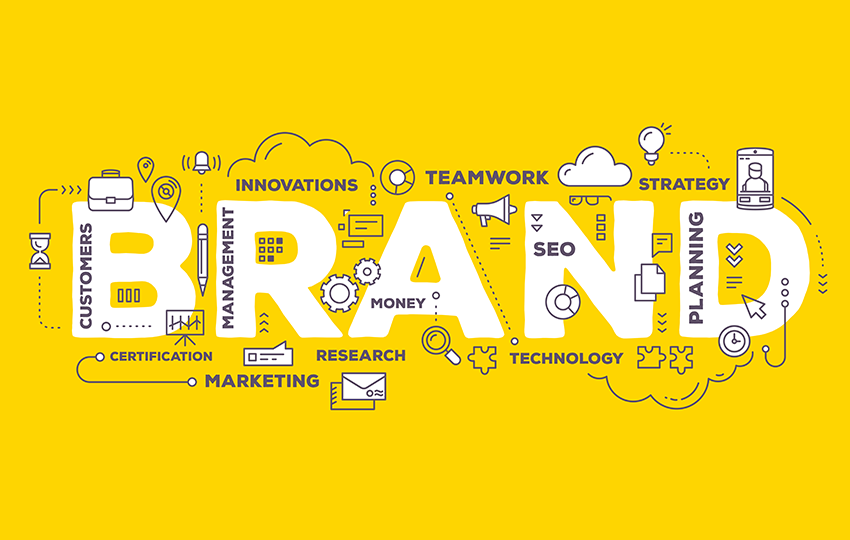
What Is Brand Marketing and Why Does It Matter?
Brand marketing demonstrates enterprise image and reputation to consumers creating product recognition. It represents the marketing strategy enterprises use to create value recognition of brands in consumers’ hearts. Quality, culture, and product uniqueness promotion form brand benefits and lasting customer relationships.
The premise of brand marketing ensures product quality recognized by consumers ultimately. Brands are built on tangible products and intangible services working together. Long-term development requires establishing brand marketing strategy positioning enterprises for sustained competitive advantage.
How Do Marketing Mix Frameworks Support Brand Success?
- ✓ 4P Framework – product, price, place, promotion meeting customer needs effectively
- ✓ 4C Framework – customer needs, cost, convenience, communication understanding desires
- ✓ 4R Framework – relationships, relevance, resonance improving customer loyalty significantly
- ✓ Traditional marketing – complementing network marketing approaches for maximum reach
- ✓ Network marketing – website promotion, brand awareness, customer relations online
What Are the Core Components of Brand Marketing Strategy?
Brand marketing strategies include personality, communication, sales and management components. Brand personality creates distinctive character differentiating products from competitors. Communication conveys brand values while sales and management ensure consistent delivery and customer satisfaction throughout experience.
Market conditions have shifted from seller’s market to buyer’s market requiring strategic brand implementation. Consumers increasingly active means enterprises must adapt offerings demonstrating awareness of evolving market dynamics and customer preferences.
How Does Brand Marketing Help Enterprises Adapt to Markets?
- ✓ Market adaptation – helps enterprises meet changing consumer demand effectively
- ✓ Consumer awareness – brand strategies occupy mindshare in competitive markets
- ✓ Buyer-focused approach – shifting emphasis to consumer preferences and satisfaction
- ✓ Strategic positioning – establishing competitive advantage through brand differentiation
- ✓ Market occupation – securing position through brand loyalty and recognition
What Overall Quality Improvements Result From Brand Marketing?
Brand marketing improves overall enterprise quality comprehensively. Brand products embody technological level, management level and marketing level of enterprises. The brand creation process helps improve product quality, management quality, technical quality and talent quality throughout organization.
Technology upgrades and product structure rationalization result from systematic brand development. Enterprises gain efficiency through coordinated improvement of all quality dimensions supporting long-term competitive positioning.
How Does Brand Marketing Enable International Competitiveness?
- ✓ Global competition advantage – strong brands occupy positions in consumer hearts internationally
- ✓ Economic globalization response – expanding competitive stage from national to worldwide markets
- ✓ Consumer loyalty development – building preference and repeat purchase behaviour
- ✓ Market position security – establishing presence among powerful international competitors
- ✓ Ease of operations – leveraging brand loyalty for smoother market engagement
What Efficiency and Risk Benefits Does Brand Marketing Provide?
Brand marketing transforms passive marketing into active marketing improving enterprise efficiency. Research and marketing work conducted together throughout organization reduces internal friction and operational redundancy significantly. Systematic approach minimizes risk while generating more reasonable profit margins consistently.
Coordinated research and integrated marketing efforts enable enterprises to operate more efficiently. Win-win approach satisfying both enterprise interests and customer satisfaction builds lifelong customers. Strategic brand marketing positions enterprises for sustainable growth and competitive advantage in dynamic market environments.