How Sabah’s Capital Actually Works as an Outdoor Market
Kota Kinabalu is the largest advertising market in East Malaysia, but it behaves nothing like the Klang Valley. The city’s shape, its licensing regime and its audience mix all differ.
A City Built Along a Single Corridor
Kota Kinabalu is squeezed between the South China Sea and the Crocker Range. That geography forces almost all movement onto a narrow north-south band rather than a spreading road network.
Why That Matters for Media Buying
In a city with one dominant traffic spine, a handful of correctly chosen sites can reach most of the population. Coverage is far cheaper to achieve here than in a sprawling metro.
The flip side is that inventory on that spine is limited and tightly held. When the good positions are taken, the alternatives drop off sharply in quality rather than gradually.
The Main Advertising Corridors
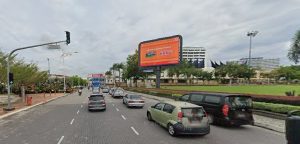
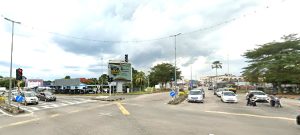
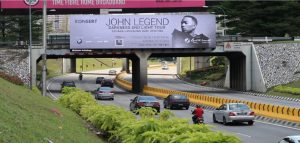
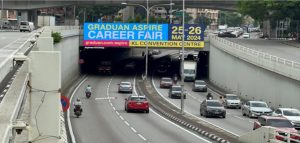
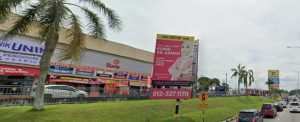
Most large-format inventory in Kota Kinabalu clusters along a small number of roads. Understanding what each carries matters more than comparing raw traffic counts.
- Jalan Lintas — the city’s main ring road and its most congested stretch, linking Luyang, Kepayan and Inanam
- Coastal Highway (Jalan Tun Fuad Stephens) — the fast seafront route into the city centre
- Jalan Tuaran and the Tuaran Bypass — northbound traffic towards Inanam, Menggatal and Sepanggar
- Jalan Penampang — serving Donggongon and the growing Penampang residential belt
- Jalan Putatan and the airport approach — carrying traffic to Kota Kinabalu International Airport and the southern suburbs
- Jalan Sulaman — the route north towards the university, the port and Tuaran
The Congestion Advantage
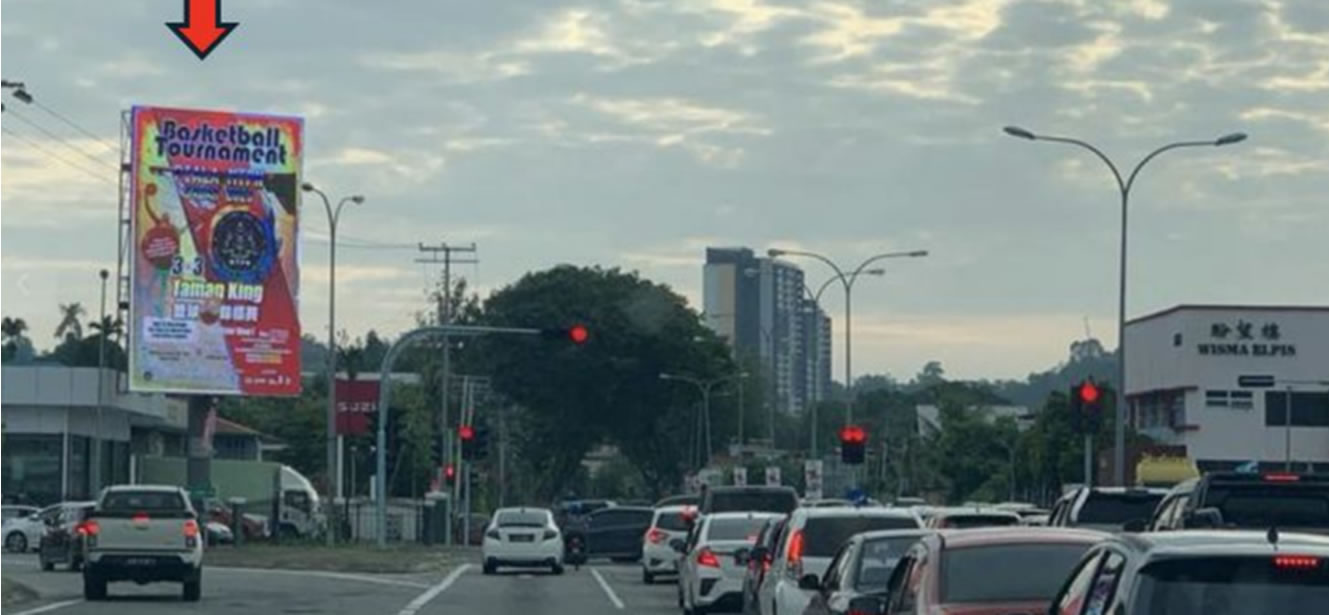
Jalan Lintas in particular delivers the dwell time that makes outdoor work. Traffic through the Luyang and Foh Sang stretches slows to a crawl during both peaks.
Formats Available in the City
Kota Kinabalu supports most standard outdoor formats, though the digital supply is far thinner than in Kuala Lumpur and turns over less frequently.
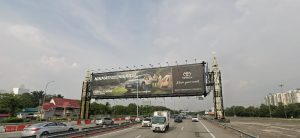
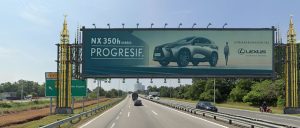
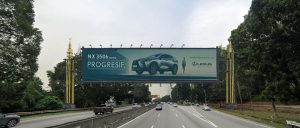
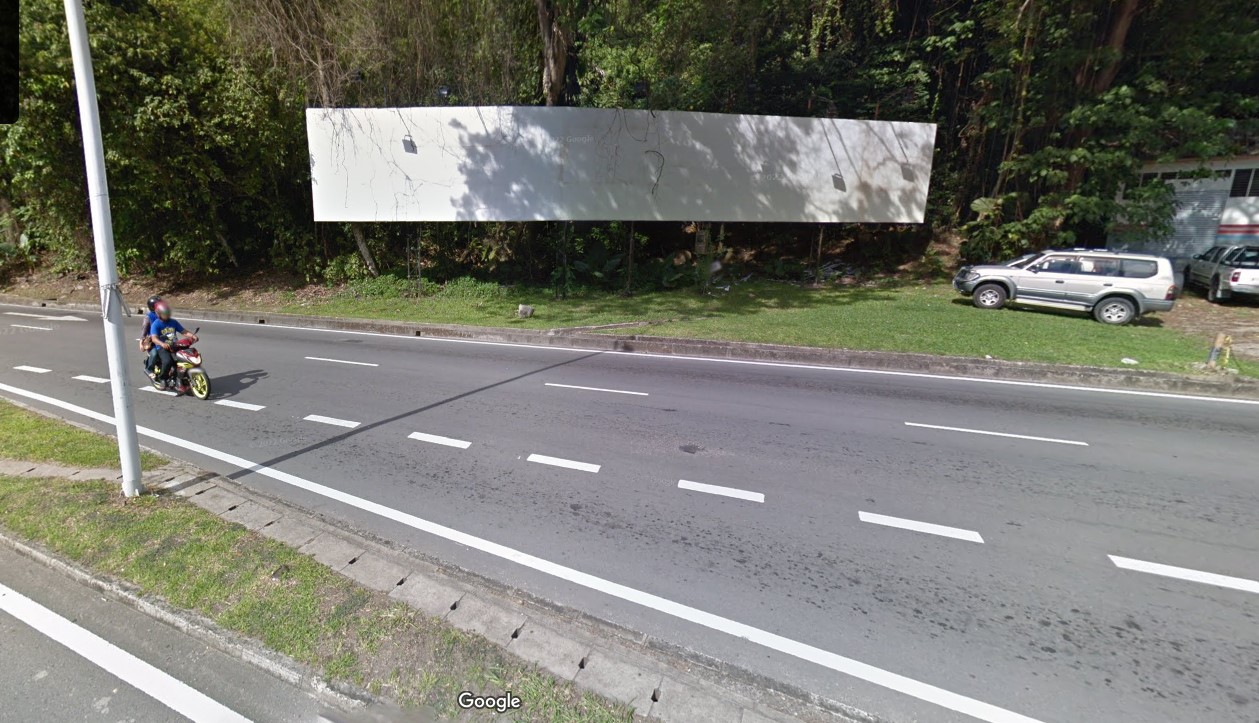
- Unipoles and freestanding boards along the main corridors and approach roads
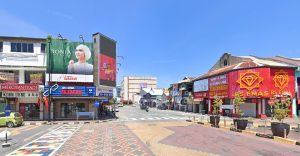
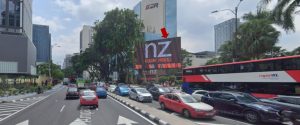
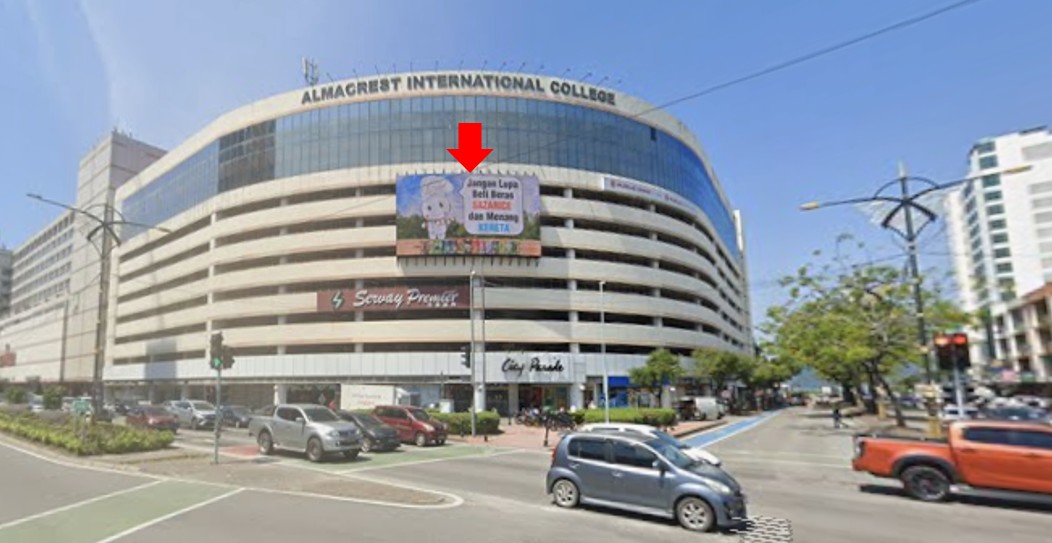
- Building and wall-mounted panels concentrated in the city centre and Karamunsing
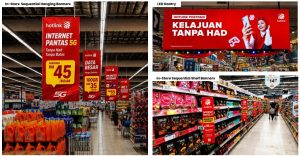
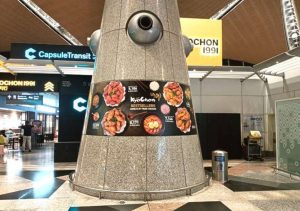
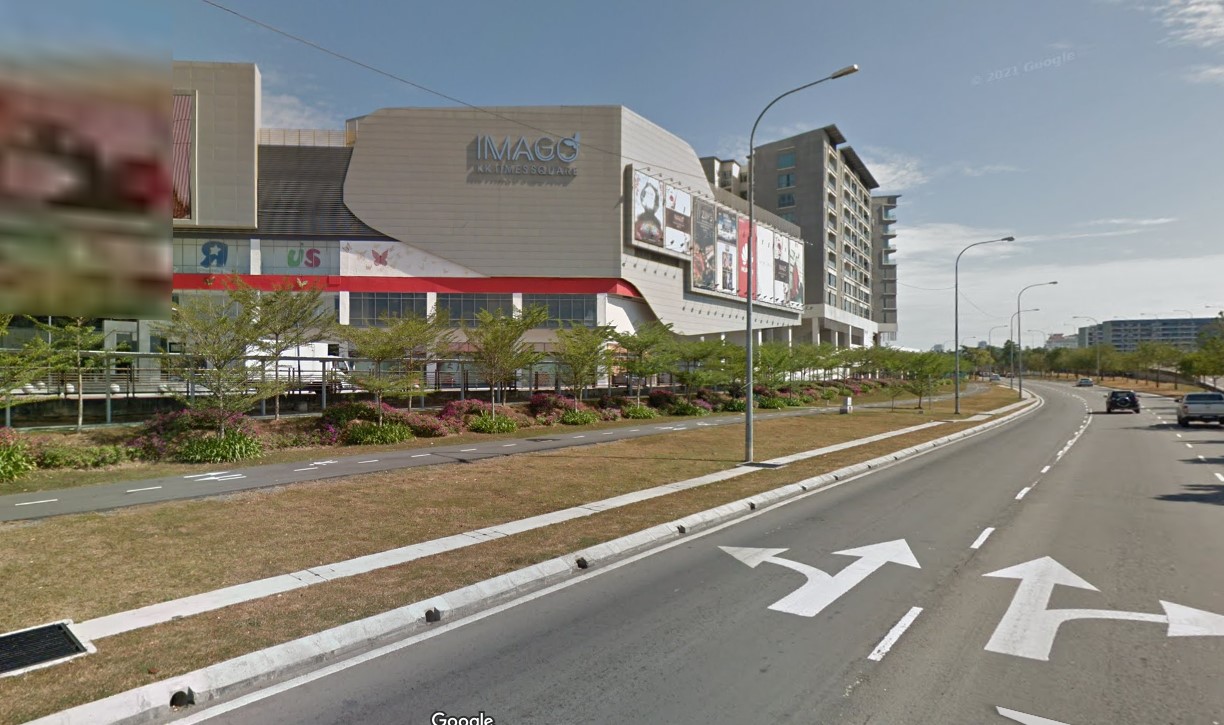
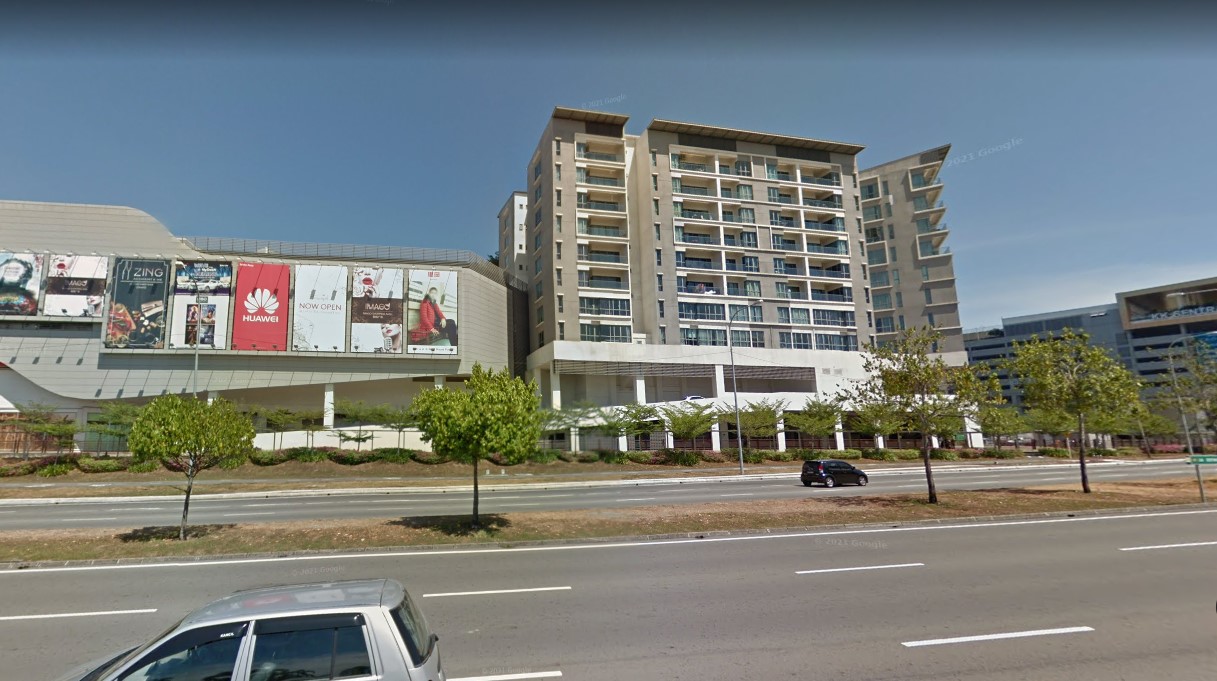
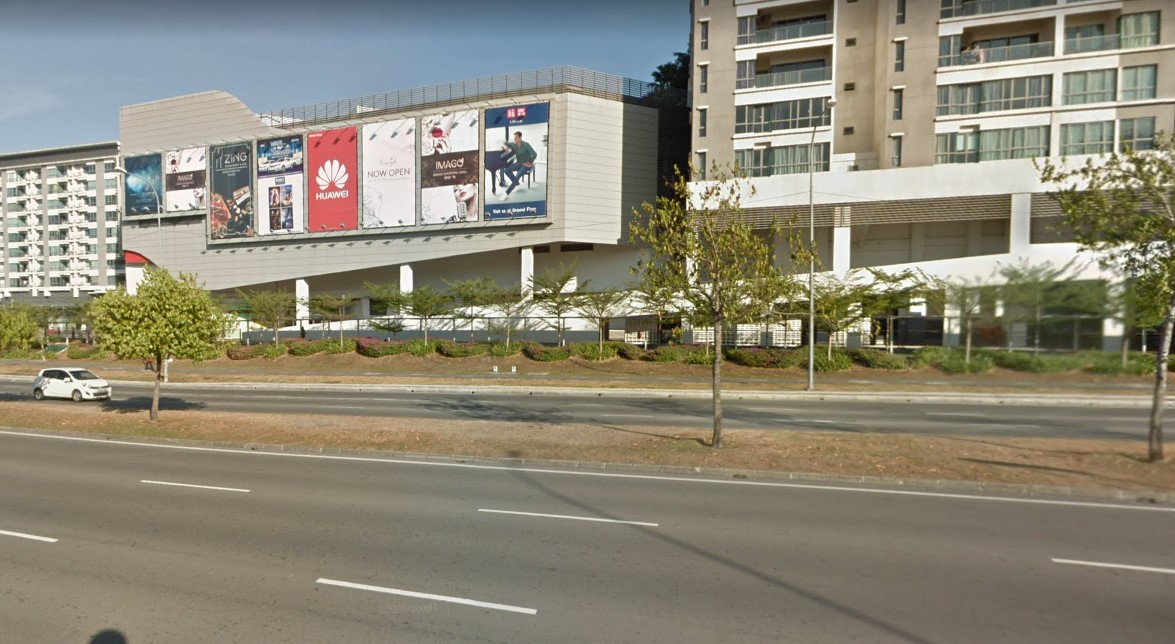
- Mall media across Suria Sabah, Imago, Centre Point, 1Borneo and Oceanus
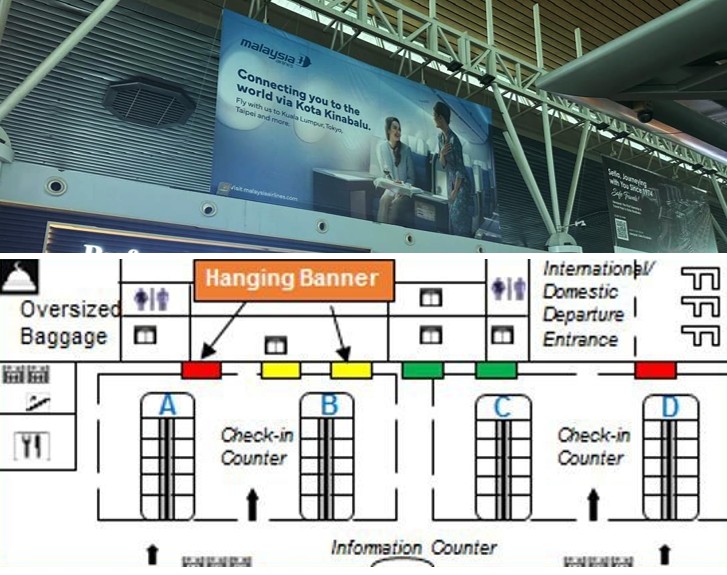
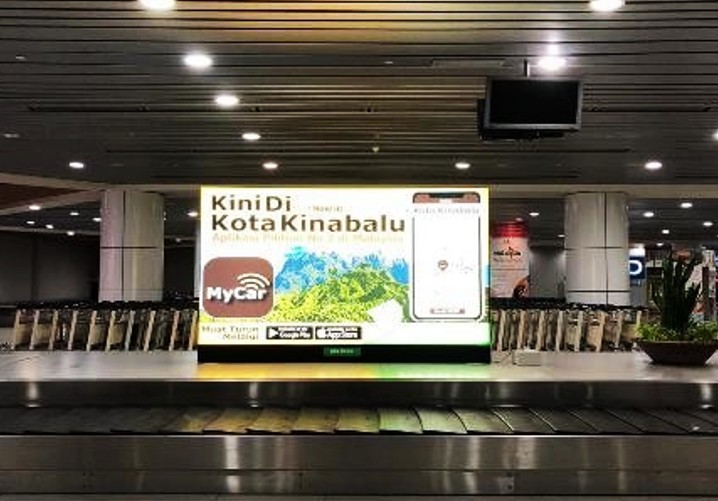
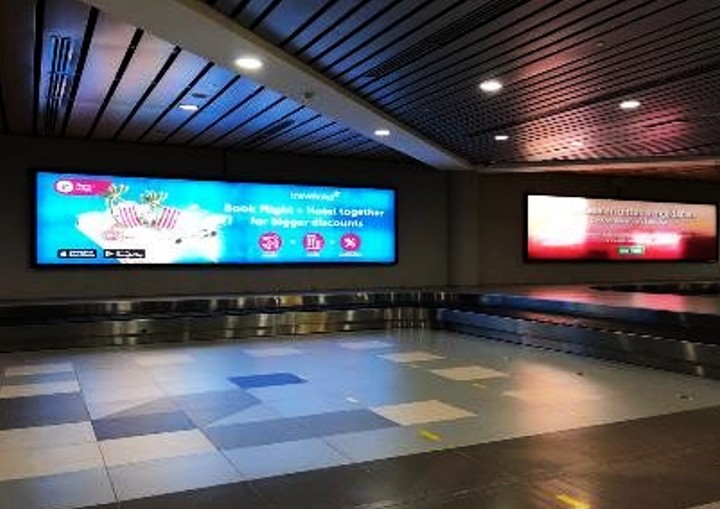
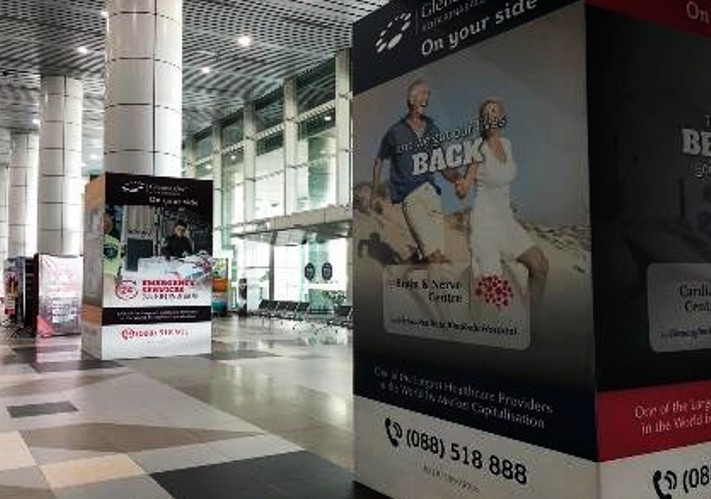
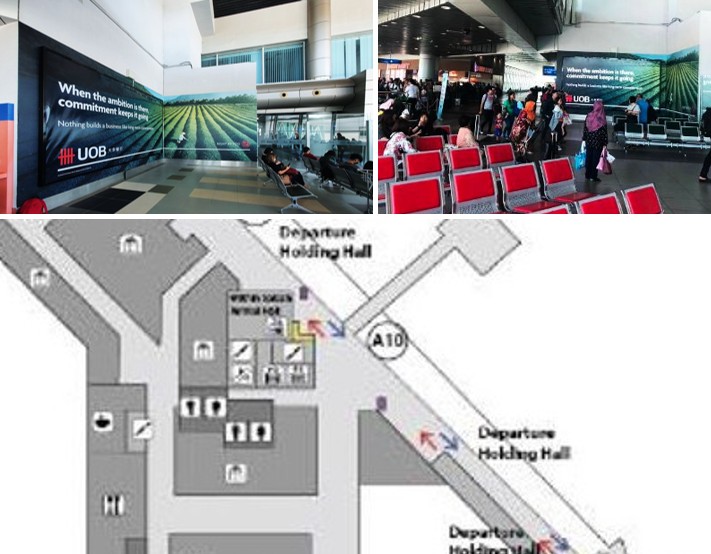
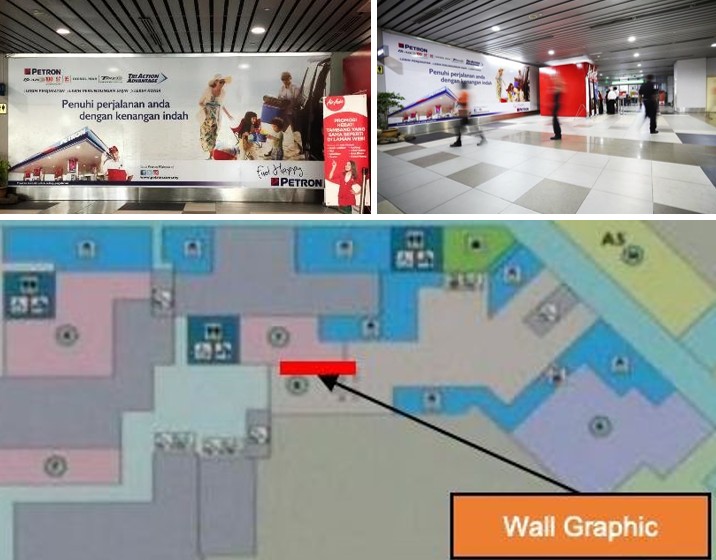
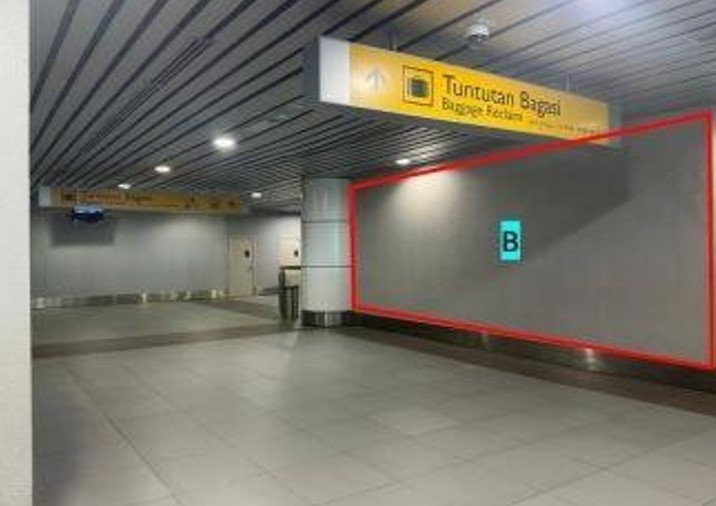
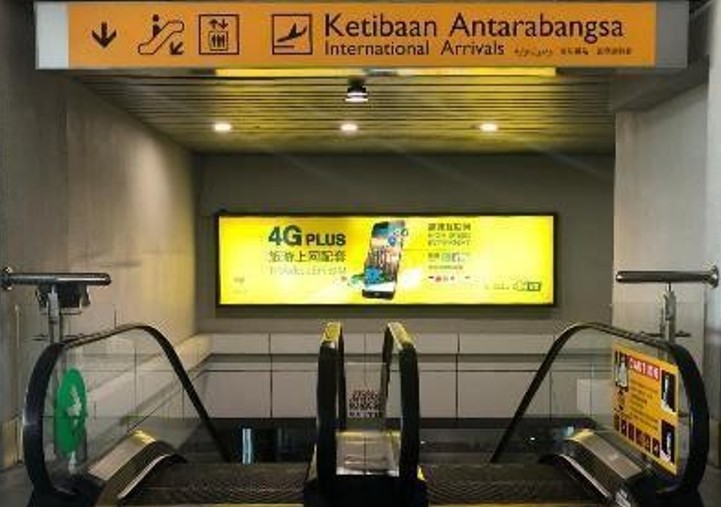
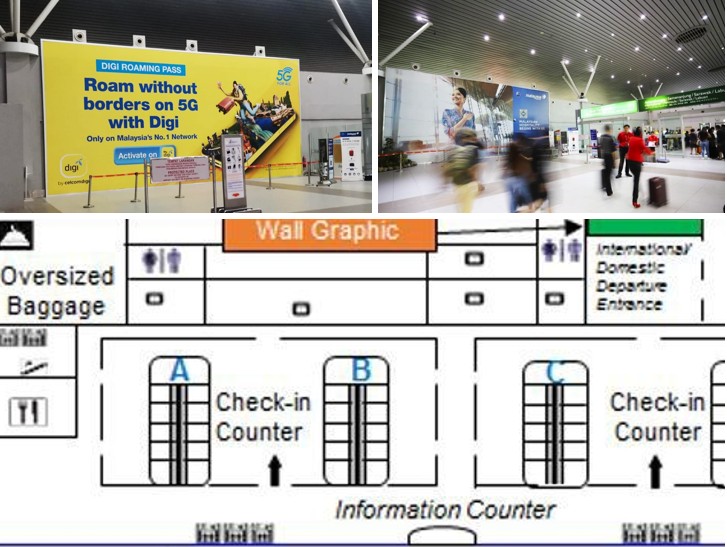
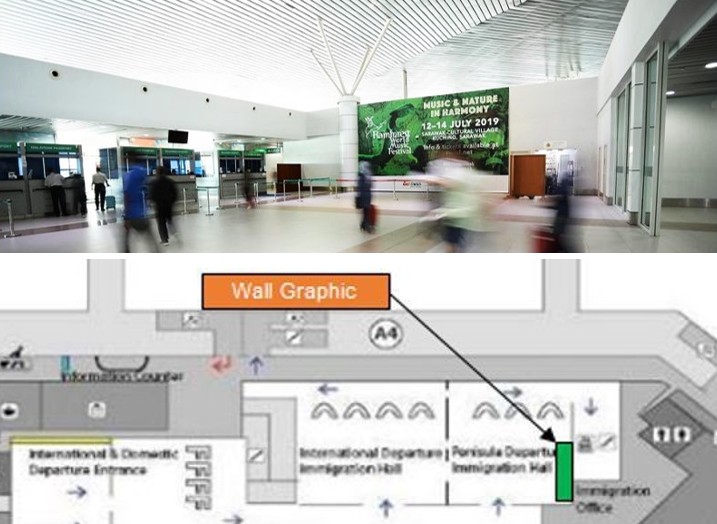
- Airport inventory at Kota Kinabalu International Airport, on a separate approval track
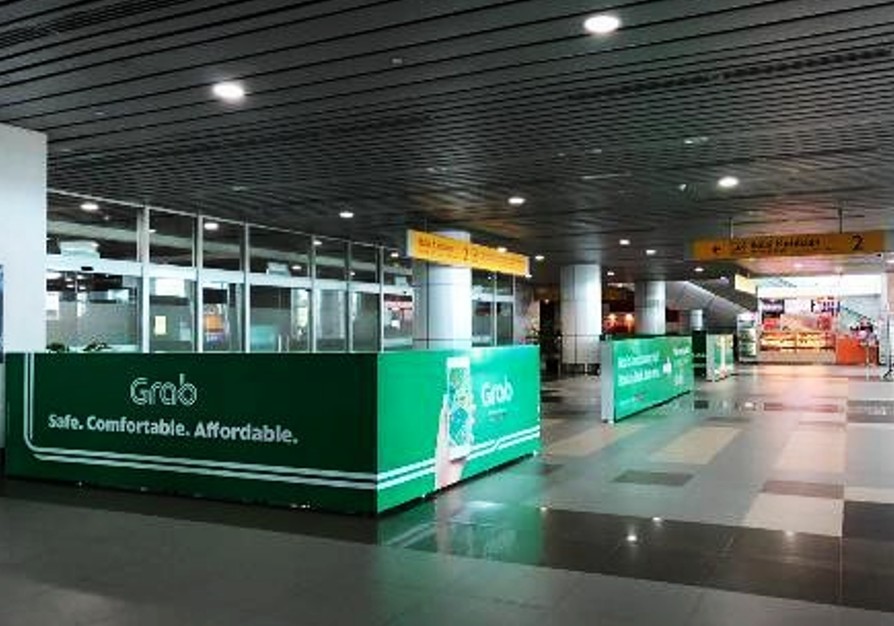
- Transit media on buses and, increasingly, ride-hailing formats
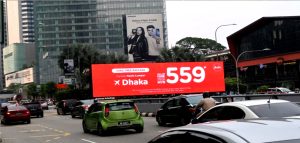
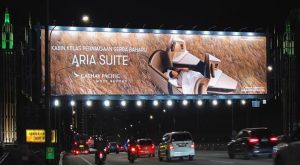
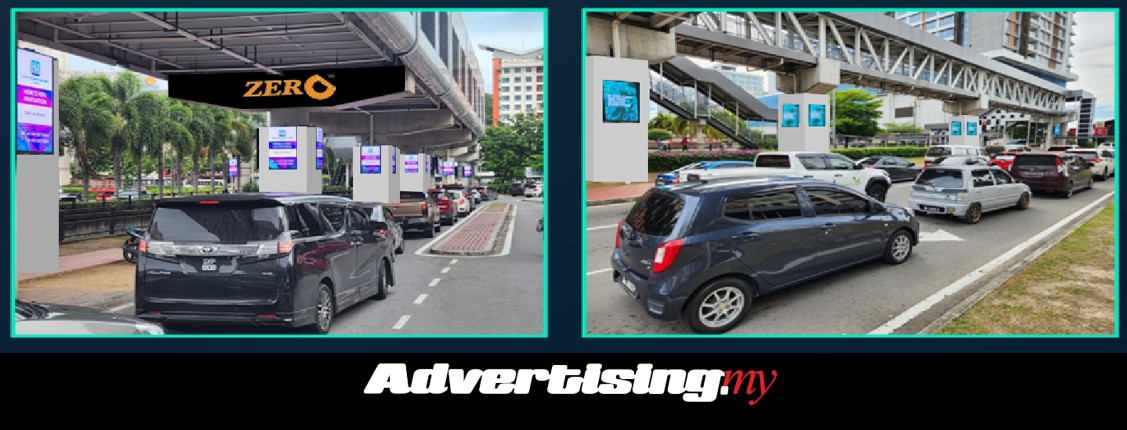
- Digital screens in limited numbers, mostly retail-adjacent rather than roadside
Who You Are Actually Reaching
The Kota Kinabalu audience differs from Peninsular markets in ways that should shape both site selection and creative.
A Layered Local Population
The city serves as the administrative, commercial and healthcare centre for the whole state. Its catchment extends well beyond the city boundary into Penampang, Putatan and Tuaran.
Substantial Tourist Volume
Kota Kinabalu is the gateway to Sabah’s dive and mountain tourism, drawing heavy visitor traffic from China, South Korea, Taiwan and increasingly the domestic market.
That creates a genuine split. Sites near the waterfront, the airport and the city centre hotels reach visitors, while the ring road and suburban corridors reach residents.
Licensing and DBKK Approval
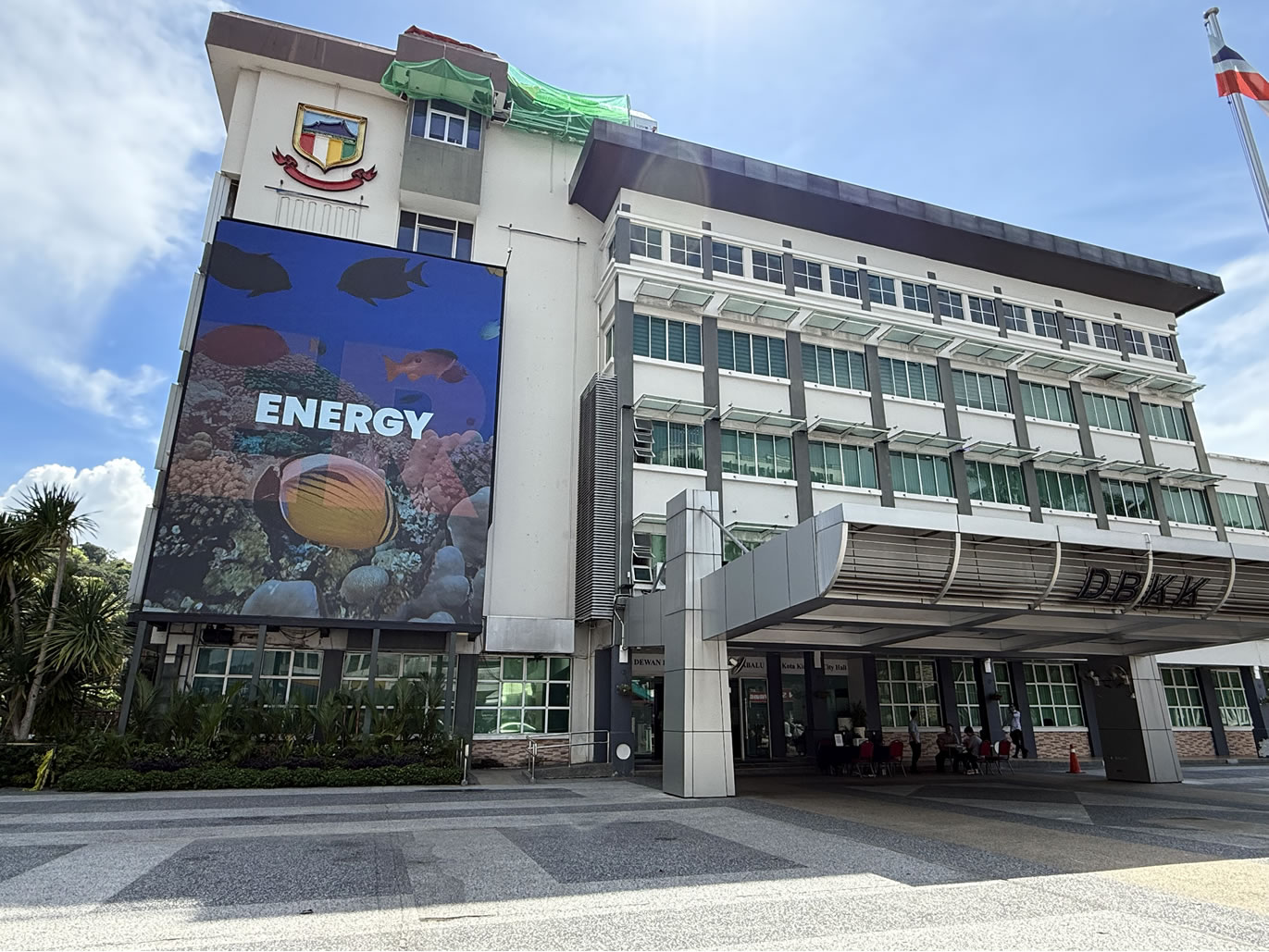
Every form of advertising installation within Kota Kinabalu requires approval and a valid permit from Dewan Bandaraya Kota Kinabalu. This is not treated as a formality.
The Governing By-Laws
Advertising falls under the Kota Kinabalu Municipal Council (Advertisement) By-Laws 1983, gazetted more than four decades ago and still fully in force today.
The by-laws cover banners, buntings, premise signboards and directional signs, not just large-format billboards. Anything installed in the city’s administrative area needs a permit.
Enforcement Is Active
DBKK’s Licensing Department runs periodic enforcement operations targeting unlicensed and expired advertising, with recent sweeps focused on the city centre, Inanam, Kepayan and Lido.
Penalties on conviction reach RM5,000. The council generally issues a reminder notice before compounding, though the by-laws do not require it to do so.
- Apply through the DBKK advertisement licence form under the 1983 by-laws
- Applications and renewals can be handled through the DBKK e-services portal
- Renewals typically open from November for the following year
- Enquiries go to the Licensing Department, Advertisement Section
- Confirm whether your media owner holds the permit or expects you to apply
Language and Content Rules Still Apply
National advertising standards apply in Sabah exactly as they do in the peninsula. Bahasa Malaysia must be the dominant language on the copy.
The usual category restrictions hold: no gambling content, health and medical claims require ministry clearance, and medical products need their approval code displayed.
Sabah’s alcohol position differs from most peninsular states in practice, but advertising restrictions still apply and should be checked with the operator before artwork begins.
Practical Considerations Specific to Sabah
The physical environment does more damage here than in the peninsula, and it shows up in maintenance quality rather than in the rate card.
- Salt air on coastal sites accelerates corrosion on structures and fixings
- Heavy rainfall during the northeast monsoon can delay installation and repairs
- Humidity and UV fade vinyl faster than an equivalent site in Kuala Lumpur
- Installer availability is thinner, so reprints and repairs take longer to schedule
- Power supply for illuminated sites varies by location and is worth confirming
Questions Worth Asking Any Kota Kinabalu Vendor
- Is the DBKK advertisement licence current, and whose name is it in
- How recently was the structure inspected and repainted
- What is the lighting arrangement, and who pays for the electricity
- How is the traffic figure derived, and is it a count or an estimate
- What happens if the face is damaged during monsoon season
- Can they supply site photography during the campaign, not just at installation
The Bottom Line
Kota Kinabalu rewards advertisers who treat it as its own market rather than a smaller version of the Klang Valley. Fewer sites are needed, but the right ones matter more.
Start with the ring road and the corridor serving your target catchment, confirm the licensing position before committing production budget, and build in extra time for weather and logistics.