Brands above the clouds, seen before touchdown
In-flight advertising gives brands access to passengers during one of the rare moments when attention is naturally concentrated — travellers are seated, less distracted, and open to messages.
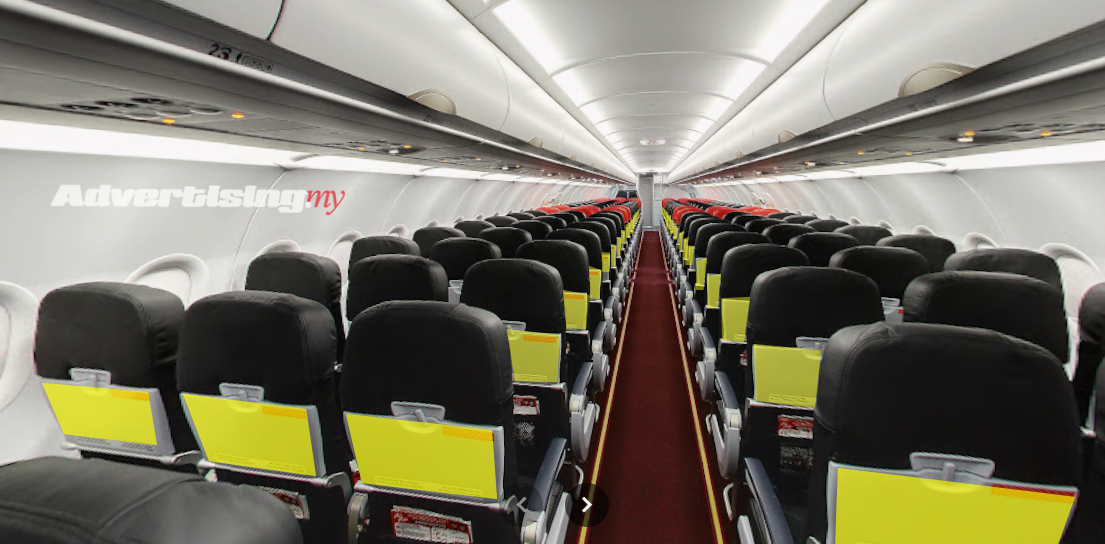
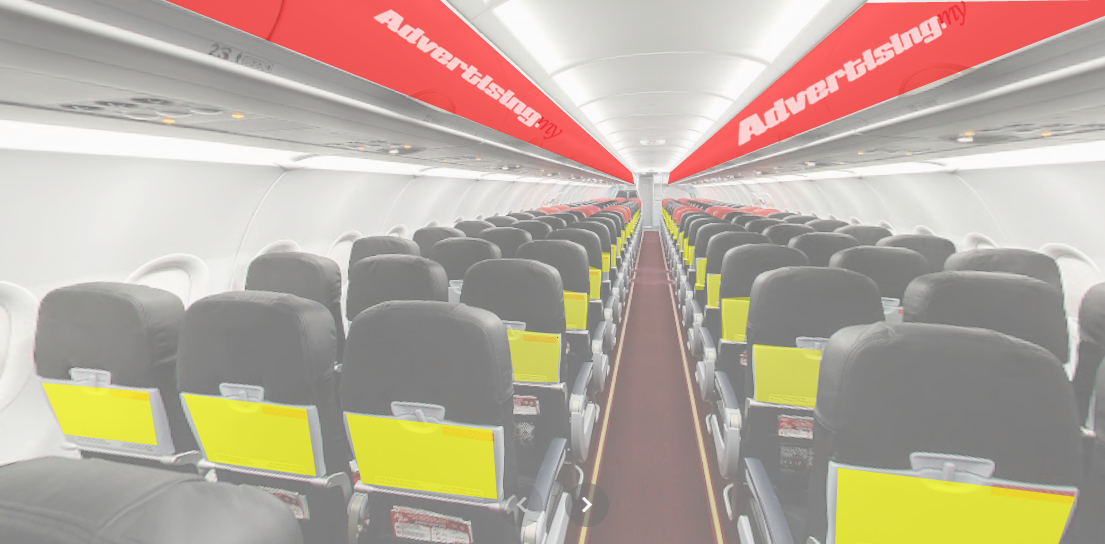
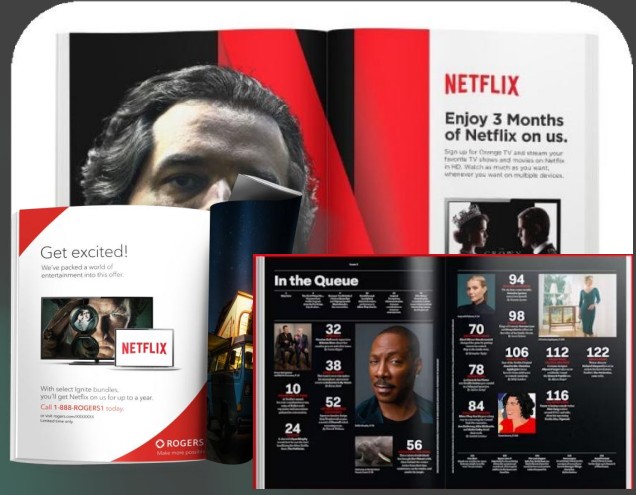
The format spans seatback screens, inflight magazines, tray table branding, boarding pass inserts, cabin announcements, overhead bin panels, WiFi portals and airline app placements.
It works well across travel, tourism, finance, telco, luxury retail, hotels, insurance, education, automotive and destination campaigns — virtually any category that benefits from a captive, focused audience.
The setting differs from roadside or mall advertising because the audience is enclosed. Whether on a short domestic hop or a long-haul journey, the cabin is a controlled media environment.
This gives advertisers a focused opportunity to reach people already thinking about trips, work, shopping, transport or what they will do upon arrival at their destination.
Science now backs what advertisers have long sensed. Birkbeck University research using EEG brain-scanning found passengers at 30,000 feet show a 50% increase in brand recall vs ground-level groups.
The cause is the relaxed, distraction-free frame of mind unique to air travel — no emails, no notifications, no urban noise — letting passengers absorb and recall content far more effectively.
43.2% – Average recall score on the ground
64.9% – Average recall score inflight
+50% – Increase in ad recall inflight
Why the inflight environment works for advertisers
- Passengers are in a digital detox setting, away from emails and notifications, giving brand messages rare and undivided attention
- 74% of passengers read the inflight magazine, making print placements a high-engagement channel within the cabin
- Travel media reaches one of the most affluent readership demographics globally, concentrating premium audiences in a single environment
- Passengers tend to be in an excited, happy mindset — the thrill of travel makes them more receptive to inspiration, discovery and new ideas
In-flight media carries a premium association tied to travel, airports and cross-border movement — a context that elevates how passengers perceive the brands they encounter.
A telco can promote roaming plans, a hotel can highlight a city stay, a bank can push travel cards, and a tourism board can introduce attractions before the traveller even lands.
The key is to speak to the journey — not just place a generic message in the cabin. Relevance to the travel moment is what separates effective campaigns from forgettable ones.
Audience mindset and travel value
The in-flight audience spans business travellers, families, tourists, expatriates, students, airline members and higher-spending leisure travellers — a broad but consistently engaged demographic.
Many are already in a decision-making mindset around accommodation, dining, shopping, insurance, currency exchange and destination activities — primed to act on relevant brand messages.
This makes in-flight media powerful for brands wanting to influence post-landing behaviour — where passengers go, what they buy, and which service or product they choose to trust.
Route selection shapes the campaign. A business-heavy route suits finance, corporate services and premium transport. A leisure route suits tourism, retail, dining and family products.
International flights support destination marketing, duty-free and luxury. Domestic flights work well for local tourism, property launches, events and regional brand awareness campaigns.
Creative advantage and best use
Creative should feel polished and travel-relevant. Passengers have more time than roadside audiences, but the message still needs to be immediately clear — strong visuals and concise copy are essential.
Destination cues, travel benefits and a simple call to action work best. QR codes, promo codes and app links are useful since passengers often act on messages after landing.
What makes in-flight creative land effectively
- Lead with the travel moment — messages connecting to arrival, exploration or comfort feel native to the environment rather than intrusive
- Keep copy concise and visuals bold; the message should be immediately clear at a glance, even for a distracted or tired passenger
- Include a save-for-later mechanic — QR code, promo code or app link — since passengers often act on brand messages after landing, not mid-flight
- Lean into the premium association of air travel; elevated tone and high-quality production reinforce brand credibility in a context where passengers expect quality
The biggest advantage for advertisers is quality attention in a controlled environment — something increasingly rare in a fragmented, always-on media landscape.
In-flight advertising won’t match a highway billboard’s mass visibility, but it delivers deeper focus and premium brand association — now backed by measurable neuroscience.
It is strongest when campaigns connect naturally to travel, arrival, lifestyle or destination decisions. Used well, it turns travel time into brand time.