Big-Screen Brand Moments Before the Story Begins
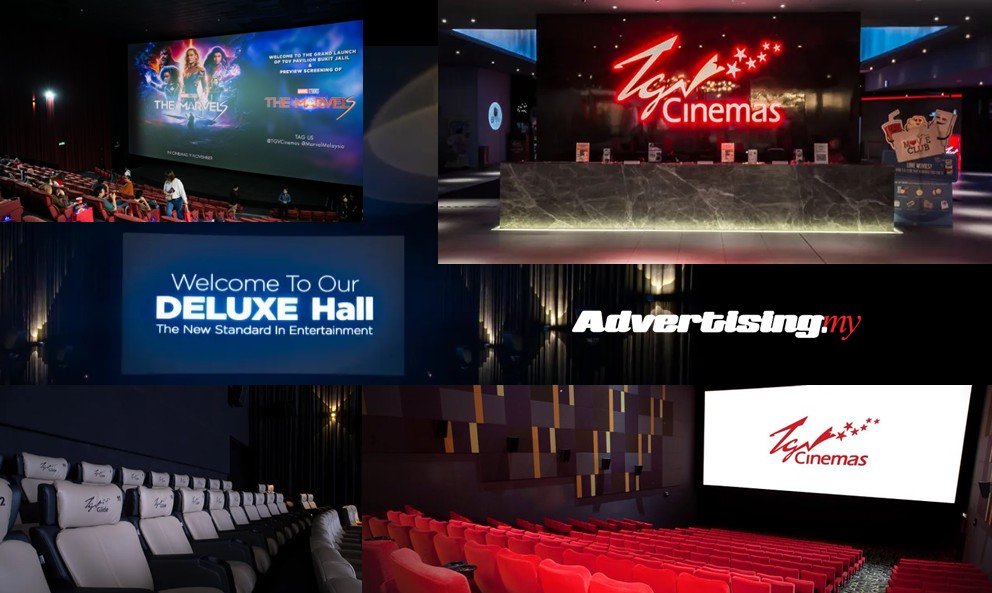
Cinema advertising gives brands a captive audience inside a controlled entertainment environment. Unlike roadside media, viewers are seated, waiting and already focused on the screen. This makes cinema a strong channel for campaigns that need emotional storytelling, polished visuals, sound, motion and a more premium brand impression. It can reach couples, families, students, professionals, movie fans and shoppers who visit cinemas as part of a mall or weekend leisure routine.
The format can include pre-show video ads, lobby screens, ticket counter displays, standees, seat branding, sampling booths and cinema hall slides. It works well for entertainment, food, beverages, telco, cars, beauty, fashion, finance, property, apps and event launches. Because the environment feels immersive, the creative can be more cinematic than a normal outdoor ad, with music, voiceover and a clearer storyline.
Audience and Location Value
Cinema audiences are often in a relaxed spending mood. Many visitors also spend time in nearby malls, food courts, cafes and retail shops before or after the movie. This makes cinema advertising useful for brands that want to connect awareness with nearby shopping behaviour. A campaign in a busy mall cinema can reach both moviegoers and leisure shoppers, especially during weekends, school holidays and blockbuster release periods.
Creative Advantage
The biggest advantage is attention quality. People may ignore many ads during a busy day, but inside a cinema, the screen is the main focus. Brands can use bigger emotion, stronger sound and more detailed storytelling than they could on a static billboard. For advertisers, cinema media is useful when the message needs to feel memorable, polished and entertaining, especially for launches or campaigns that benefit from mood and atmosphere.