Wayfinding That Works Like Quiet Persuasion
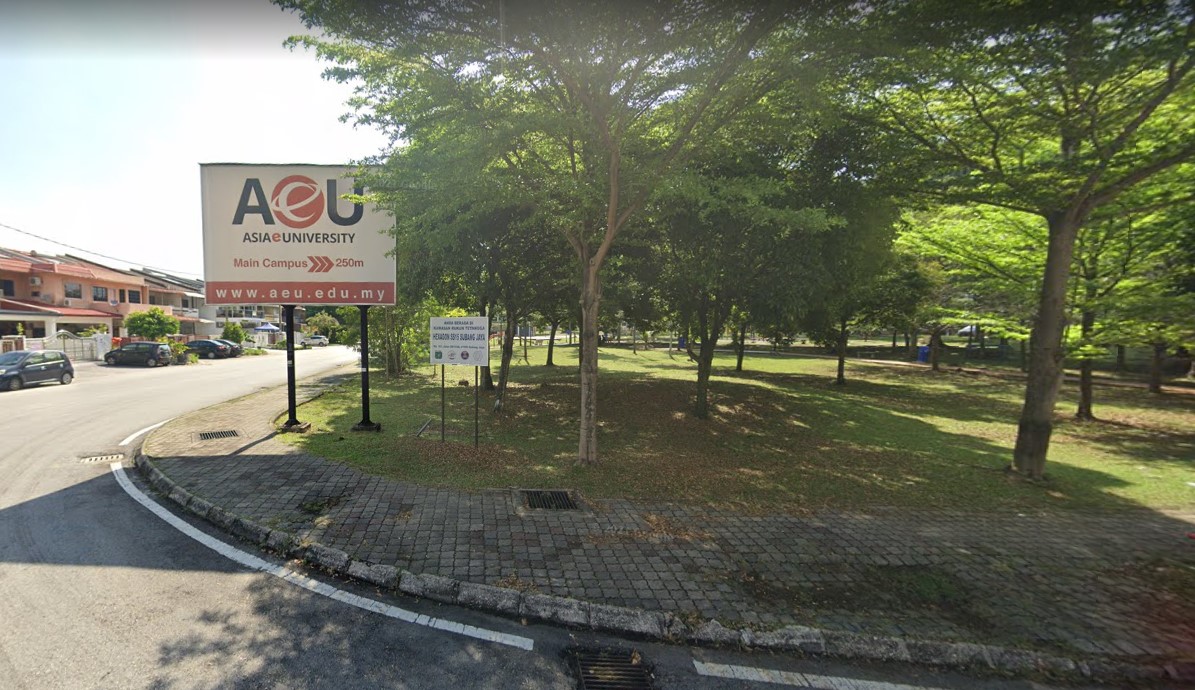
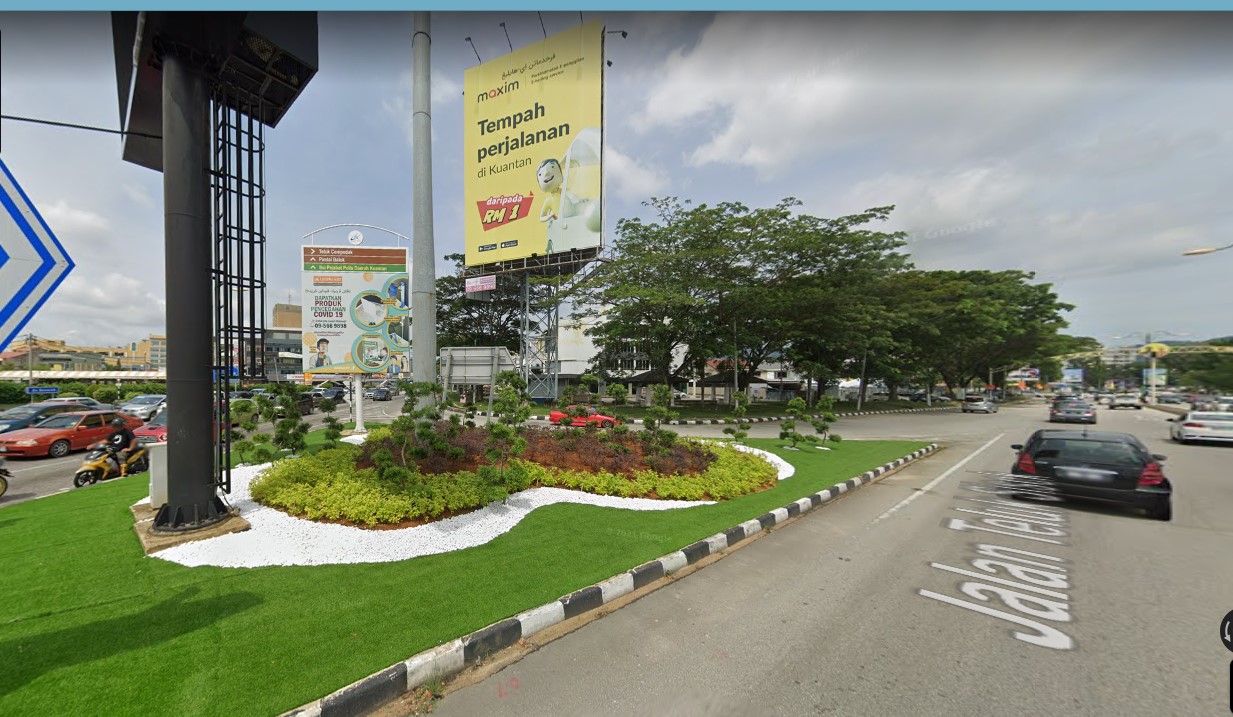
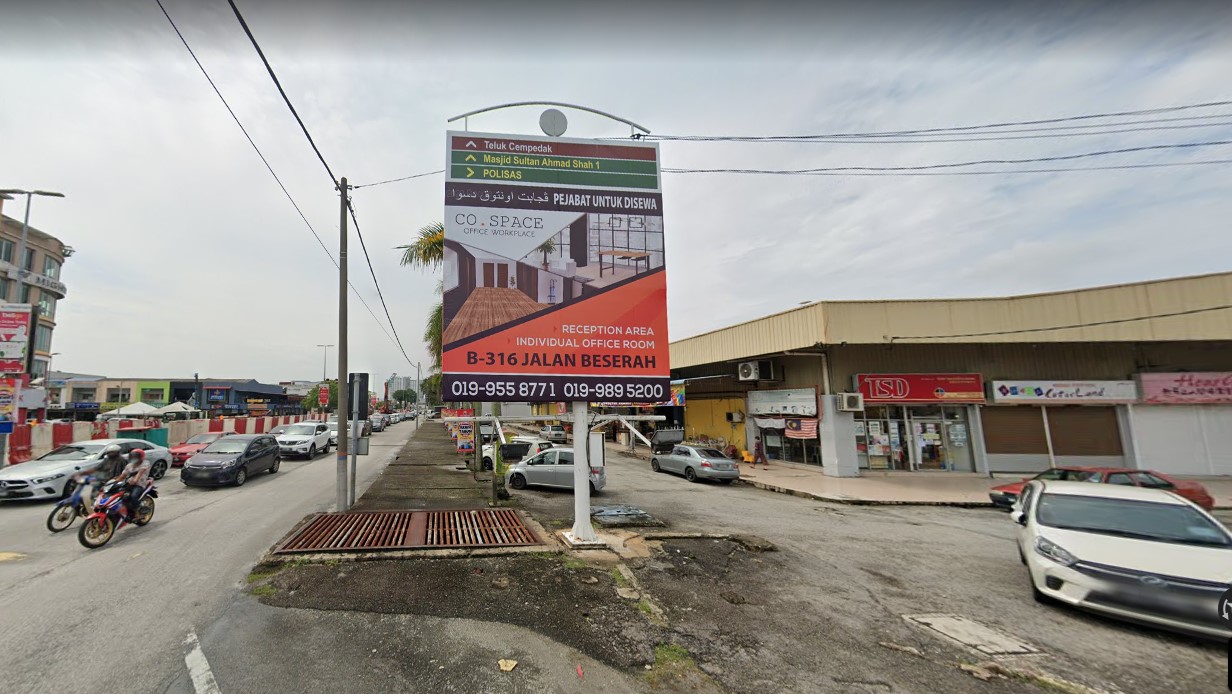
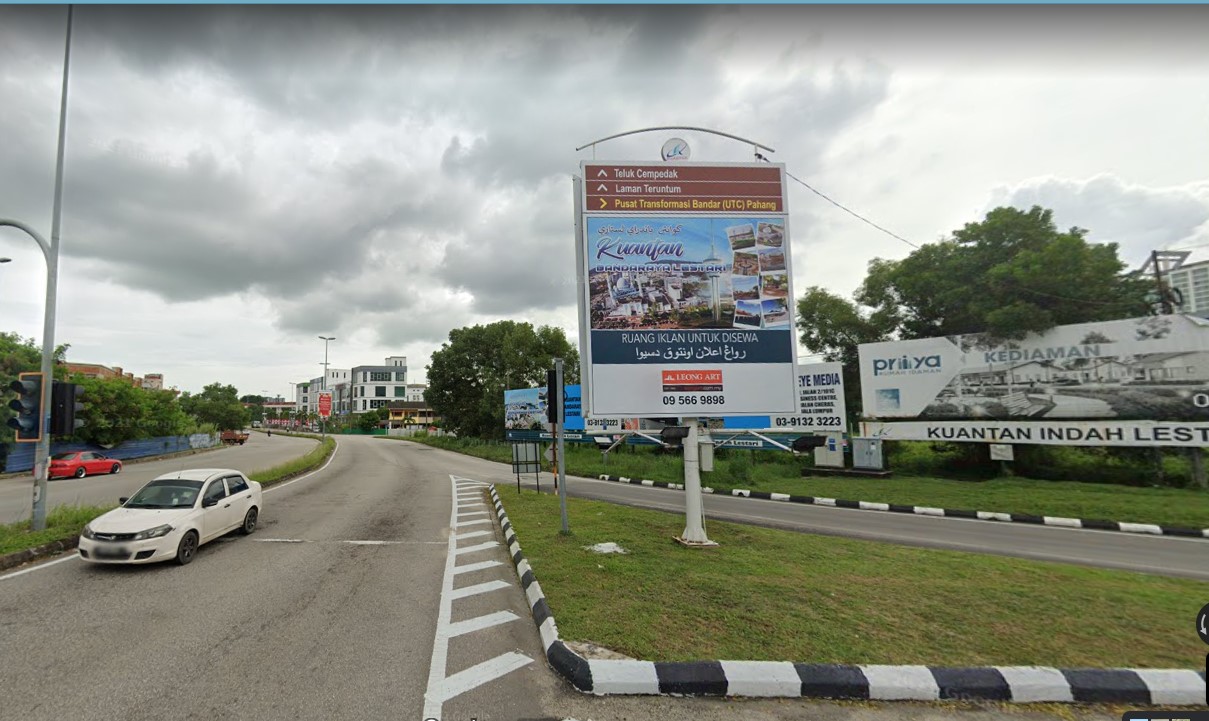
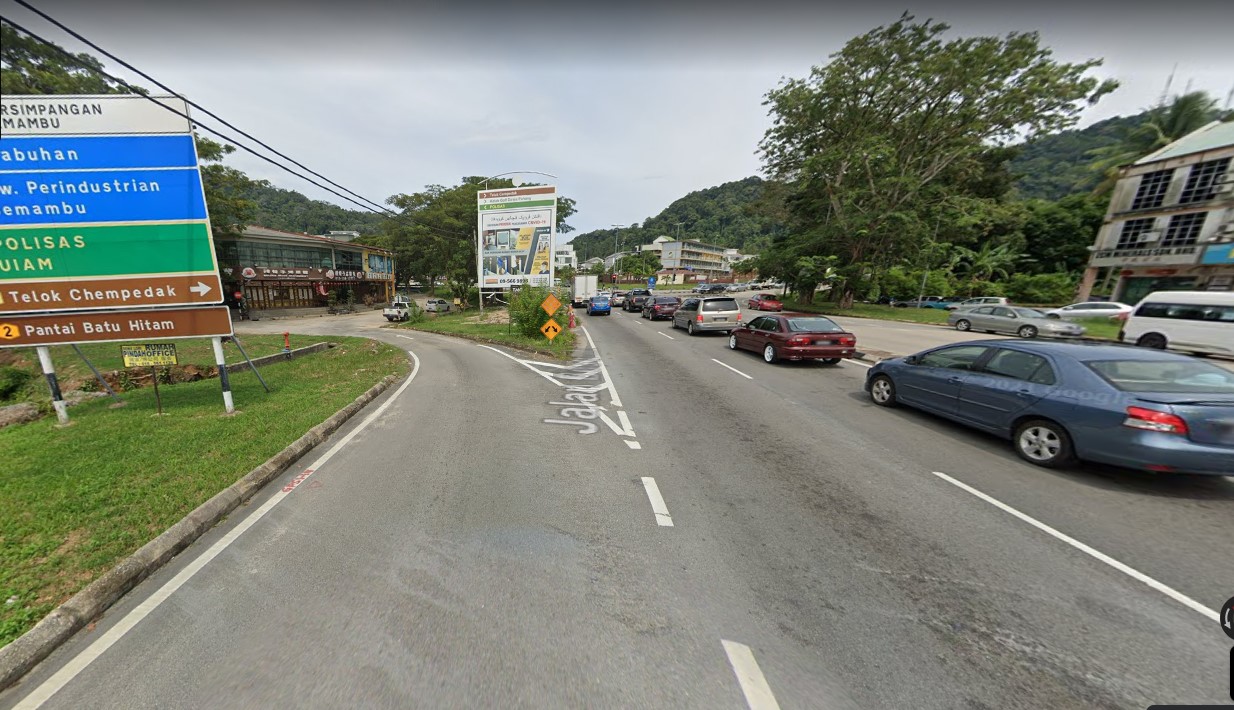
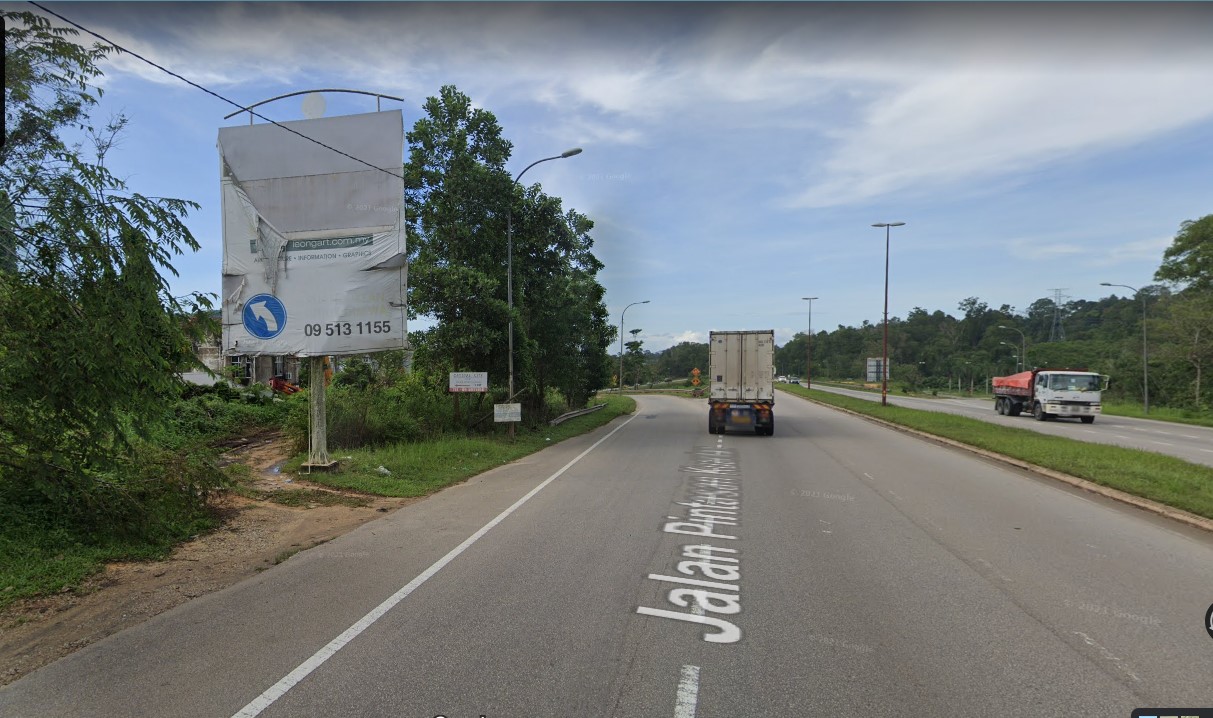
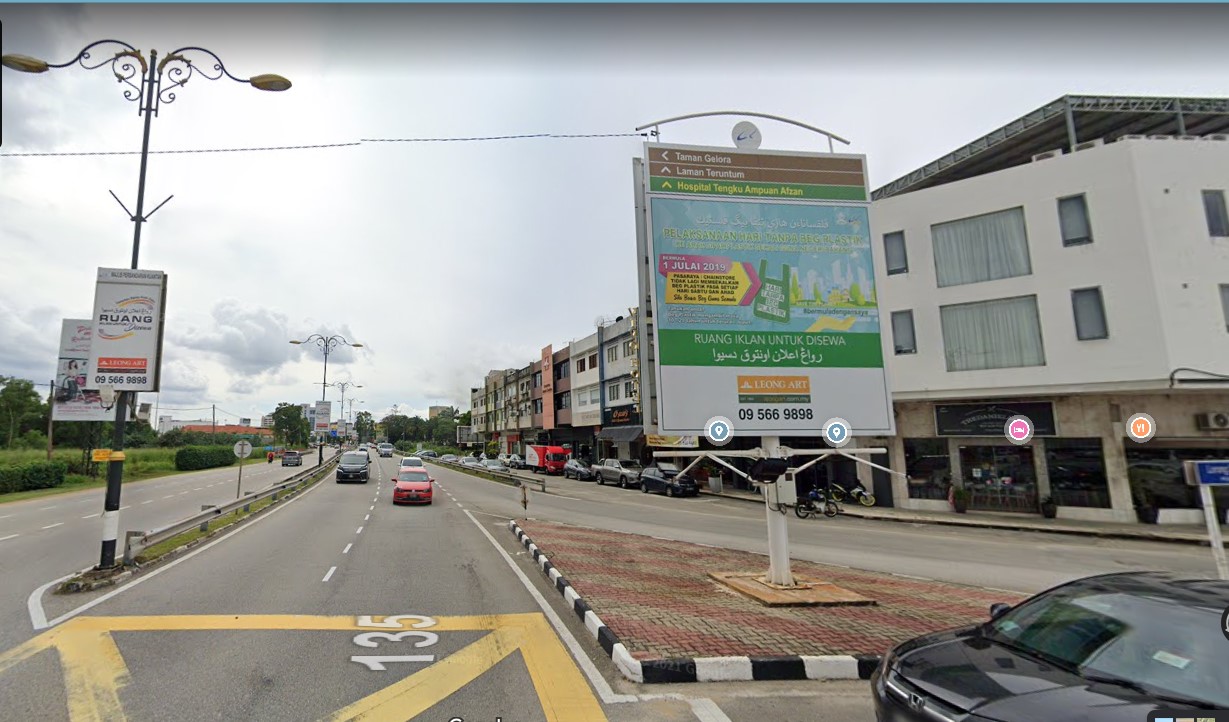
Direction signage advertising combines practical route guidance with brand exposure. It is often placed near junctions, township entrances, commercial areas, schools, hospitals, malls, property showrooms, factories, event venues and business parks. People naturally look at these signs because they help them decide where to turn, where to go or how close they are to a destination. That functional purpose gives the brand a useful moment of attention.
This format is especially helpful for location-based businesses and campaigns. Property developers, retail outlets, clinics, schools, warehouses, sales galleries, restaurants and event organisers can use direction signage to guide traffic while building familiarity. It works best when the message is clear and uncluttered, with a strong arrow, logo, place name and short descriptor. Drivers need to understand the sign quickly without slowing down too much.
Local Route Advantage
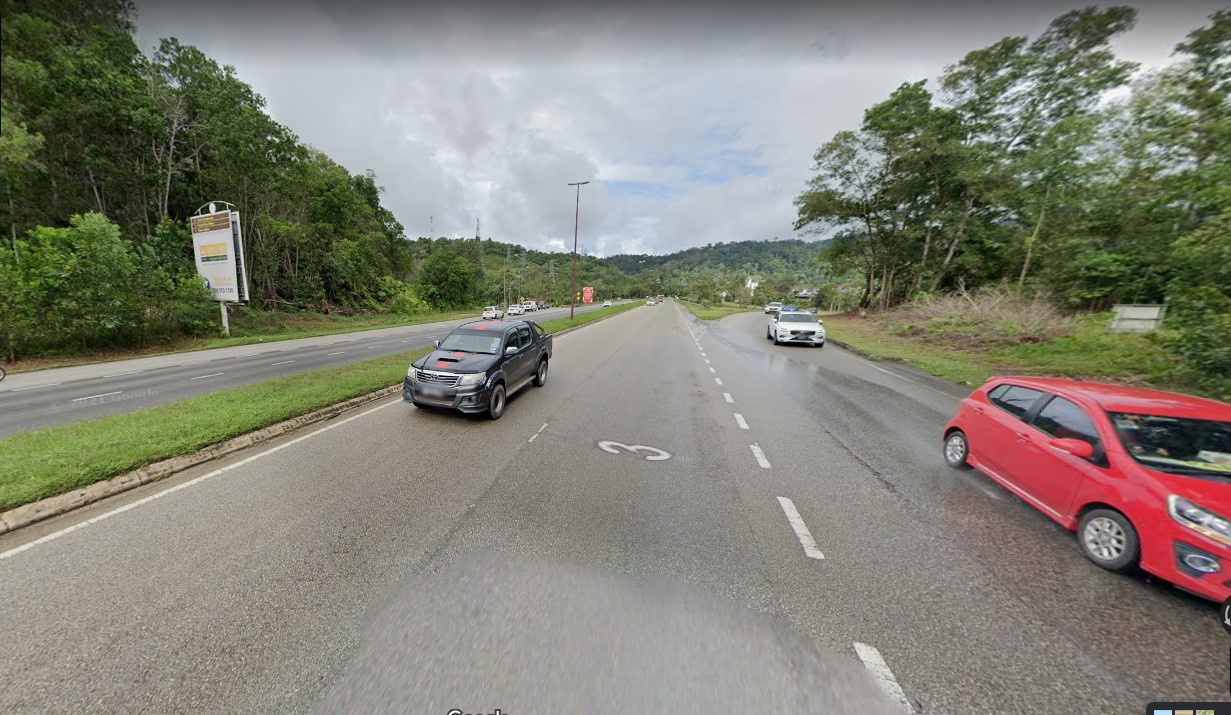
Direction signage has strong neighbourhood value because it appears along real access routes. People may pass the sign daily even if they are not visiting the destination immediately. Over time, the name becomes associated with that area, road or township. This is useful for new developments, businesses away from the main road, or campaigns that need people to remember a location before making a visit later.
Best Creative Use
The best direction signage does not try to say too much. It should guide first and advertise second. Clean typography, readable distance, strong colour contrast and a recognisable brand mark are more important than long selling points. For advertisers, this format offers practical visibility, local trust and action-based awareness. It is a good support medium when the campaign depends on visits, enquiries, route familiarity or nearby footfall.