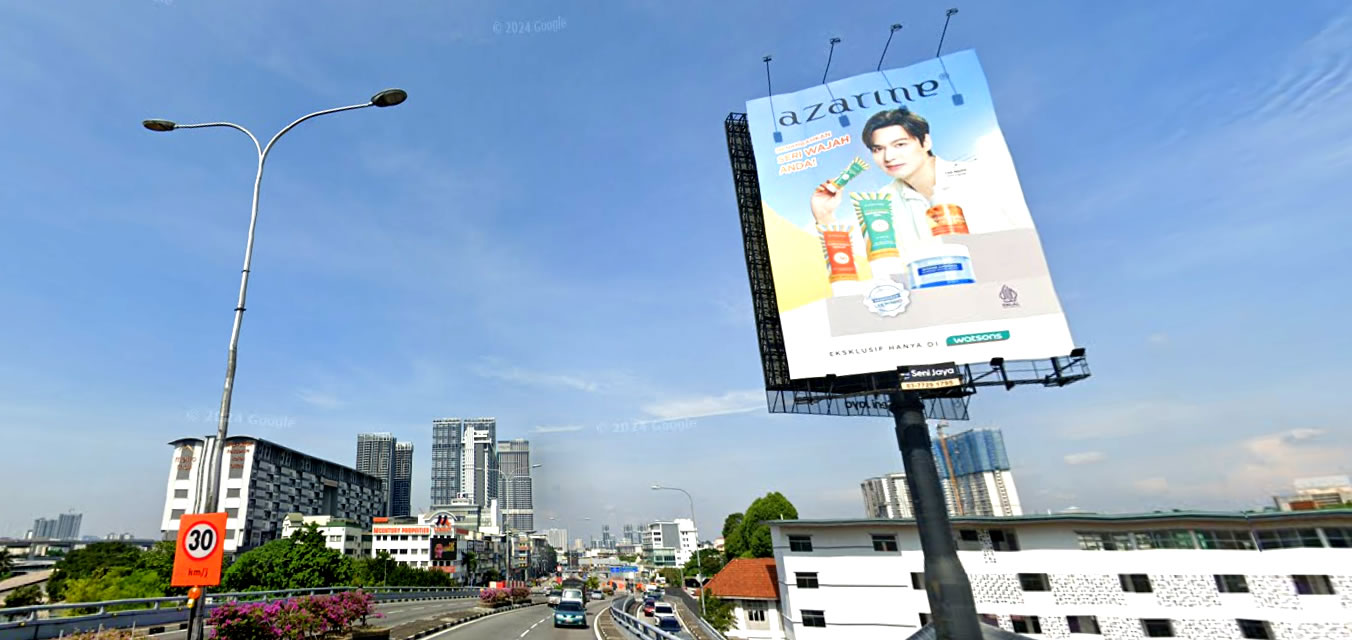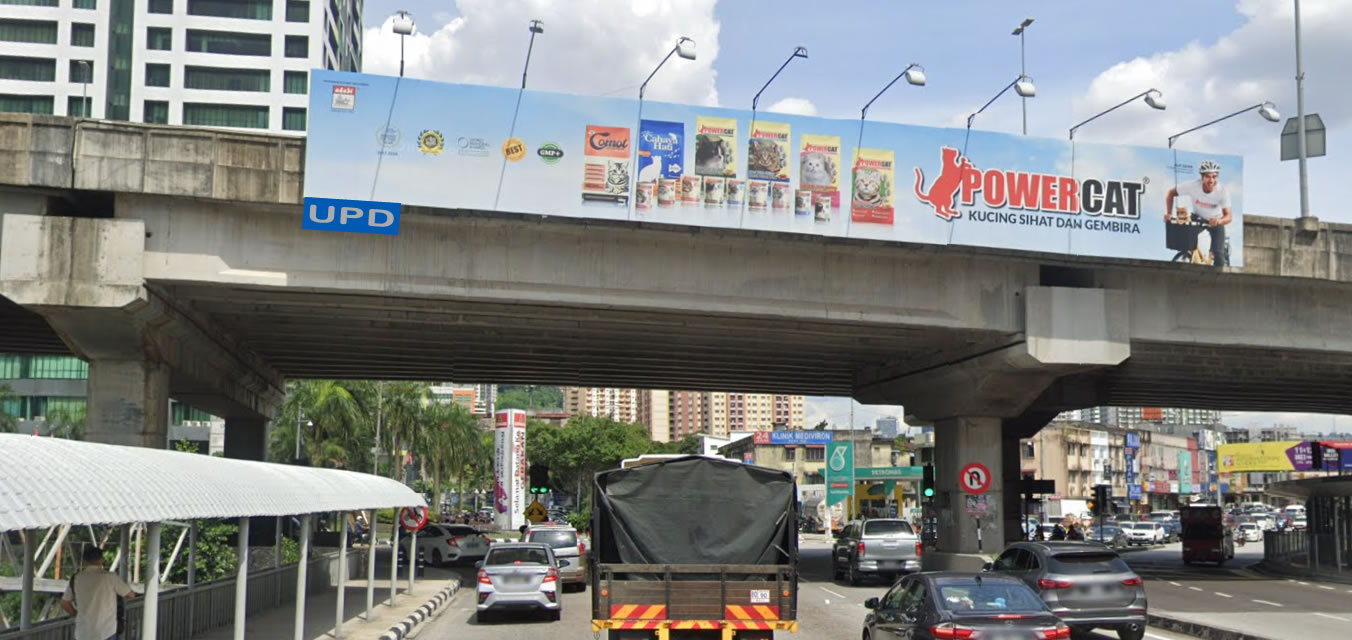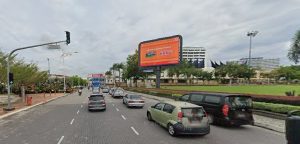
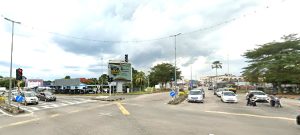
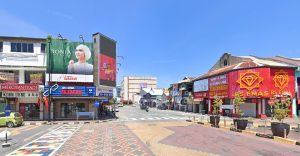
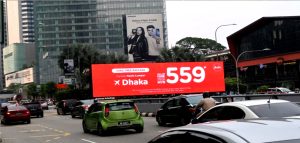
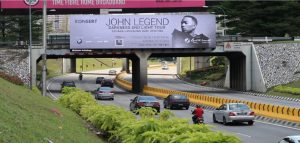
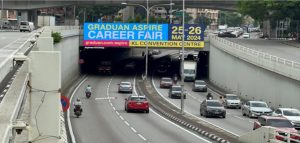
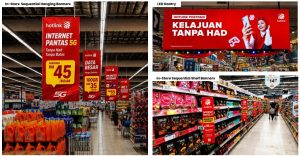

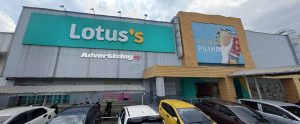

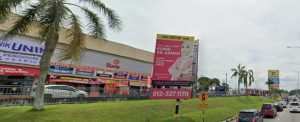



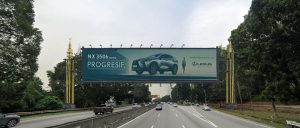
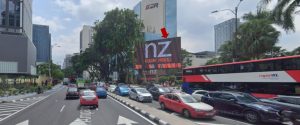

D.Info has rolled out additional miniboard and minipole inventory nationwide, extending a format that sits between large-format billboards and street-level signage.
What a Miniboard Actually Is
The format is also known as a citilight billboard. It is a compact freestanding structure designed for junction positions rather than open highway frontage.
Panel Configuration
The standard build carries a 16ft by 12ft top panel with a 3ft by 12ft strip beneath it, constructed double-sided so both directions of travel are covered.
Some structures instead carry two panels arranged left and right, which allows either a single wide message or two separate advertisers on one structure.
- Top panel — 16ft (H) x 12ft (W), the main creative area
- Bottom panel — 3ft (H) x 12ft (W), suited to contact details or a strapline
- Double-sided on most units, capturing traffic in both directions
- Twin-panel variants split left and right on selected structures
- Freestanding, so the position is not dependent on a building facade
Built for Junctions
Miniboards are placed predominantly at high-traffic junctions, which is where the format earns its value rather than through sheer physical scale.
Why Junctions Suit This Format
Traffic at a signalised junction stops. A vehicle held through a signal cycle gives the board far longer than a highway site would at speed.
That extended viewing time means the smaller face is not a disadvantage. At junction distances a 16ft panel reads as clearly as a giant board seen from further away.
It also allows slightly more information than highway creative tolerates, which is where the bottom panel becomes useful for a phone number or web address.
Nationwide Coverage
The network now spans every state in Peninsular Malaysia, giving advertisers a single format and a single specification across the whole peninsula.
- Northern region — Perlis, Kedah, Penang and Perak
- Central region — Selangor, Kuala Lumpur and Putrajaya
- Southern region — Negeri Sembilan, Melaka and Johor
- East coast — Pahang, Terengganu and Kelantan
- Not currently available in Sabah and Sarawak
One Specification, Many Markets
Consistent dimensions across states mean a single artwork file serves the entire buy, which removes the production cost that usually comes with multi-market campaigns.
Language Requirements by State
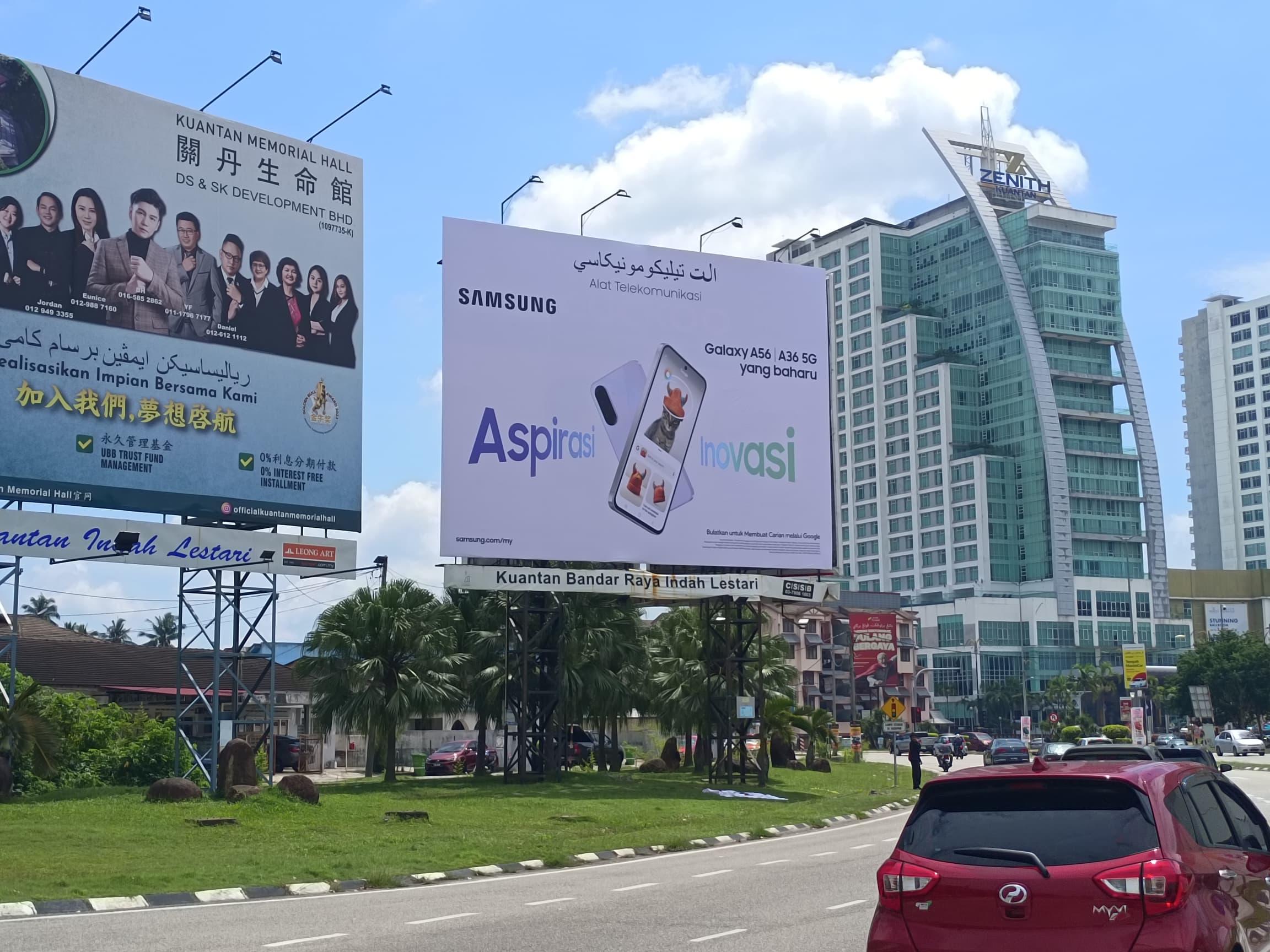
Creative is not entirely uniform, however. Four states require Jawi script on advertising, and artwork for those markets needs to be built differently from the start.
Jawi is compulsory in Kedah, Terengganu, Kelantan and Pahang. Retrofitting it onto a finished layout produces cramped results, so plan the space at design stage.
Across all states, Bahasa Malaysia must be prominent on the copy, and artwork requires Dewan Bahasa dan Pustaka language verification before council approval.
- Jawi required — Kedah, Terengganu, Kelantan and Pahang
- Bahasa Malaysia prominent — all states
- DBP verification — needed before the licence application proceeds
- Two artwork versions — plan for a Jawi build and a standard build
Who the Format Suits
Miniboards work for advertisers who need geographic spread rather than a single landmark position, at a rate well below large-format inventory.
Retail chains, telcos, healthcare providers, education institutions and property developers all fit naturally, particularly where the message is tied to a nearby location.
The format also suits campaigns building frequency, since several junction positions within one town cost a fraction of a single giant board on the expressway.