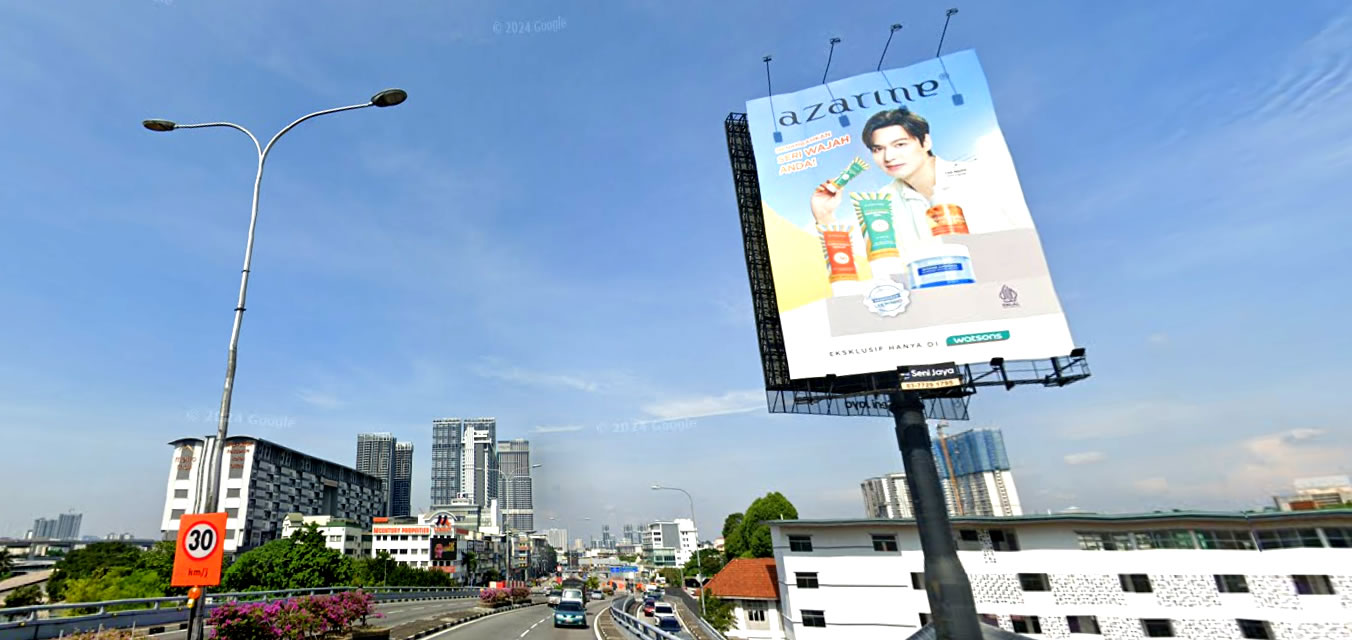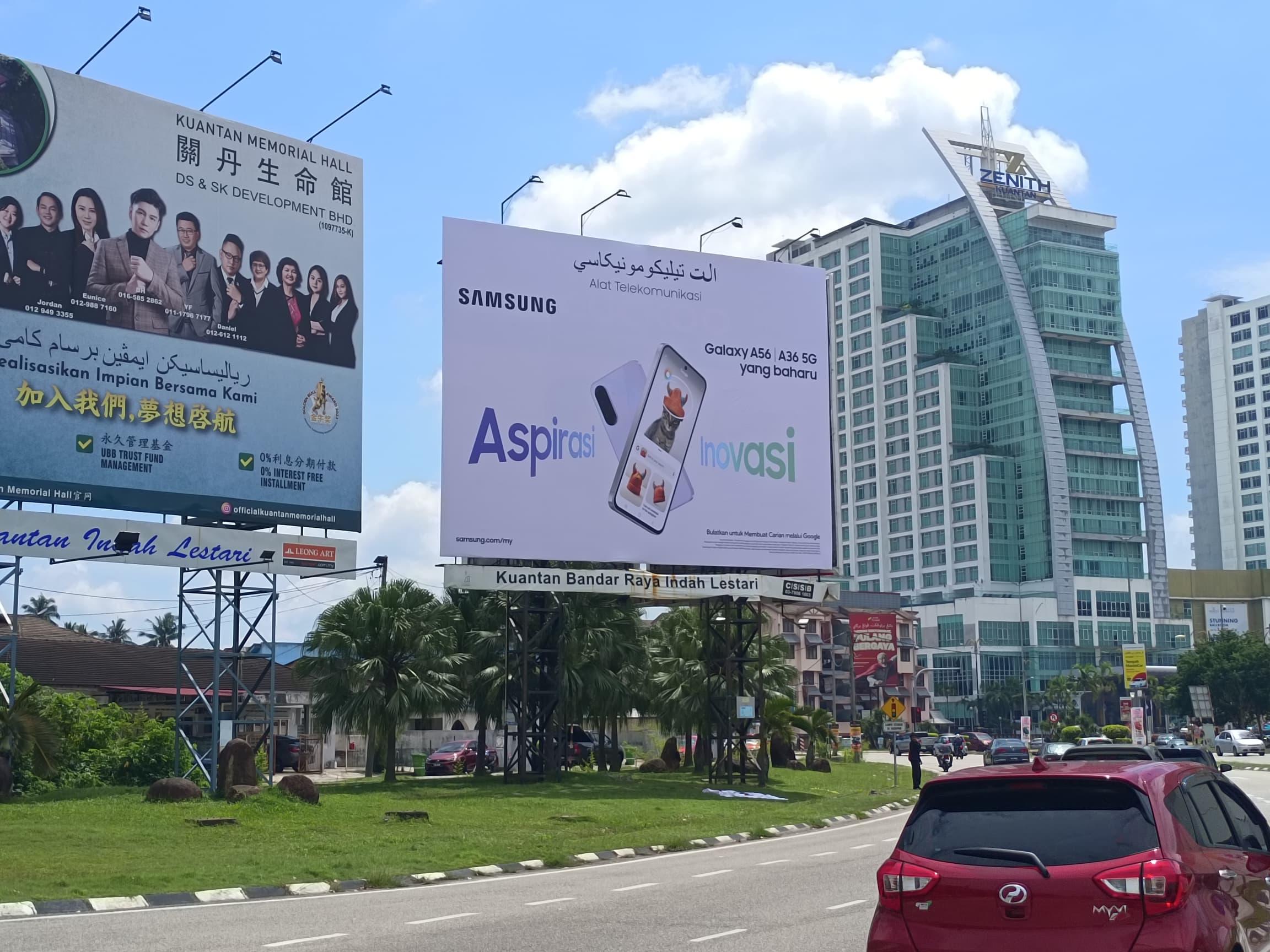
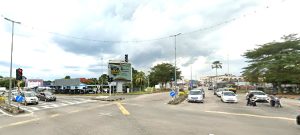
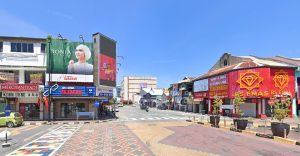
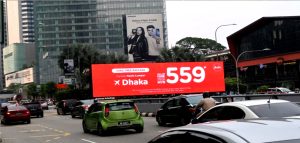
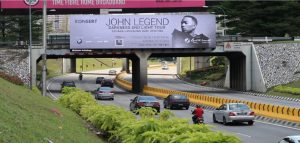
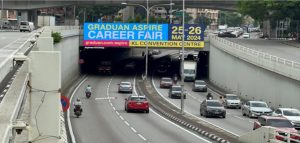
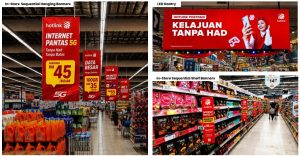



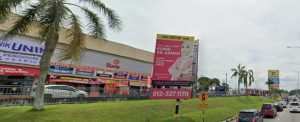
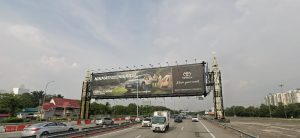

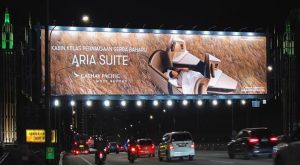

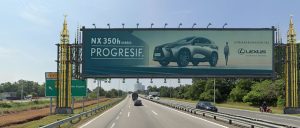

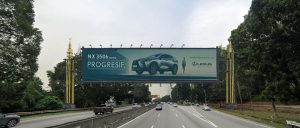
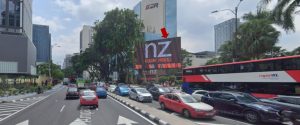
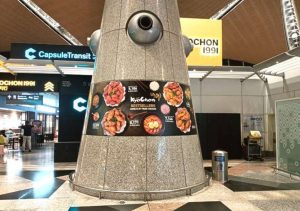

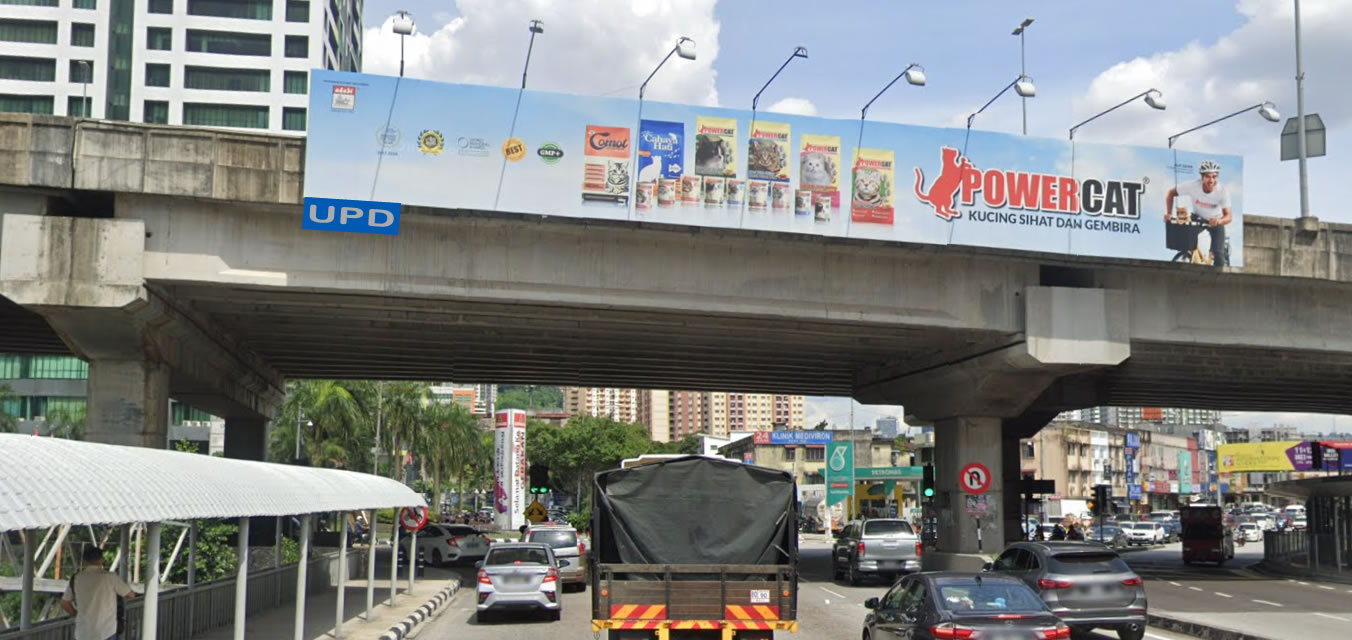
Outdoor advertising is often sold on panel counts. It shouldn’t be. What actually determines whether a billboard campaign works is which road it sits on, who drives that road, and how slowly they drive it.
UPD Outdoor’s network is built around that logic. UPD’s inventory is made up largely of large format billboards and posters, placed along expressways and urban routes that are reliably congested.
This guide walks the network road by road, covering what each corridor carries, who it reaches, and which kinds of campaigns suit it.
UPD @ SPRINT Highway
One of the most heavily used expressways in the Klang Valley, handling more than 40 million vehicles a year, with the main volume entering through the Damansara Link.
What The Road Actually Does
SPRINT is not a single straight run. It functions as a set of linked routes connecting the western suburbs into central Kuala Lumpur, which is why so much traffic funnels through the same points.
The Damansara Link feeds traffic from Damansara and the TTDI area toward the city. The wider corridor also serves Bangsar, Mont Kiara, Hartamas and Petaling Jaya.
Who You Reach
- Affluent residential catchments across Damansara, Mont Kiara and Hartamas
- Office workers commuting into the city centre and back
- Expatriate households concentrated in the surrounding suburbs
- Private vehicle users rather than public transport commuters
- School run traffic through the international school belt
Best Suited To
Property launches, automotive, private healthcare, international schools and premium lifestyle brands. This corridor carries arguably the highest-income drive-time audience in the country.
New Pantai Expressway
Known universally as the NPE. UPD boards sit along major stretches where roughly 200,000 vehicles travel between urban locations daily.
What The Road Actually Does
The NPE connects the Subang and Petaling Jaya side of the valley into Kuala Lumpur through the Pantai corridor, running broadly parallel to the Federal Highway.
Many drivers use it precisely because the Federal is congested, which means it carries a self-selecting group of regular, habitual commuters who know the route well.
Who You Reach
- Daily commuters from Subang, Puchong and PJ into the city
- Repeat exposure audiences, passing the same sites twice a day
- Working professionals in the mid to upper income bands
- Traffic heading toward Bangsar South and the Kerinchi commercial belt
Best Suited To
Banking and insurance, telcos, employer branding, FMCG and campaigns built on frequency rather than one-off impact. If your strategy relies on repetition, this is the corridor for it.
Besraya Highway
Serving the southern and south-eastern approaches into Kuala Lumpur, with a traffic volume of more than 160,000 vehicles per day.
What The Road Actually Does
Besraya links the Sungai Besi area with Cheras and the routes heading toward Kajang and Seri Kembangan, carrying traffic from some of the valley’s densest residential zones.
The audience skews differently from SPRINT. This is a mass-market commuter corridor rather than a premium one, which is a strength for the right advertiser.
Who You Reach
- Dense residential catchments across Cheras, Kajang and Seri Kembangan
- Family households and middle-income commuters
- Traffic connecting to the southern city entry points
- Students and staff moving between education hubs in the south
Best Suited To
FMCG, telco prepaid, affordable housing, education, retail chains and value-led campaigns aimed at volume rather than exclusivity.
UPD @ Federal Highway
UPD’s billboards are placed along the Petaling Jaya stretch, visible to both outgoing and incoming vehicles on one of the highest-profile highways in the country.
What The Road Actually Does
The Federal is the original artery linking Klang and Port Klang through Shah Alam and Petaling Jaya into Kuala Lumpur. It remains one of the busiest routes in the Klang Valley.
Its reputation for peak-hour congestion is exactly what makes it valuable as an advertising environment. Stationary traffic reads billboards in a way moving traffic never does.
Who You Reach
- Commuters from Klang, Shah Alam and Subang into the capital
- Industrial and commercial traffic serving the western corridor
- A genuinely broad cross-section of income and demographic groups
- Both directions of travel, morning and evening
Best Suited To
Mass-reach campaigns where the objective is everybody, not somebody. Banks, telcos, FMCG, automotive and national retail all perform here.
UPD @ KLIA Expressway
Billboards line the route as vehicles travel between towns and the international airport, with an estimated volume of 5 million vehicles per month.
What The Road Actually Does
This is the main approach corridor to Kuala Lumpur International Airport, carrying traffic from the city and surrounding townships down toward Sepang.
Unlike the commuter routes, the audience here is defined by purpose rather than residence. People on this road are going somewhere specific.
Who You Reach
- Departing and arriving air travellers, both domestic and international
- Airline crew and airport staff on daily shift runs
- Airport transfer drivers, taxis and coaches
- Business travellers heading to and from early flights
- Commercial and cargo traffic serving the airport corridor
Best Suited To
Travel and tourism, airlines, hotels, duty-free and luxury retail, banking with forex or travel card offers, telcos selling roaming, and destination or country branding aimed at inbound visitors.
Tun Dr Lim Chong Eu Highway, Penang
Formerly known as the Jelutong Highway, this is one of Penang’s most prominent roads, used by vehicles travelling between George Town and other parts of the island.
What The Road Actually Does
It runs along the island’s eastern coastline, linking George Town in the north with the Bayan Lepas industrial and airport area in the south, and connecting to the bridge crossings to the mainland.
That makes it Penang’s equivalent of a central spine: commercial, industrial and tourist traffic all share the same stretch of road.
Who You Reach
- George Town residents and workers commuting south
- Bayan Lepas industrial employees, including the electronics and manufacturing workforce
- Tourists moving between the heritage zone and the beaches
- Airport-bound traffic and bridge crossings to the mainland
Best Suited To
Brands wanting presence outside the Klang Valley, northern region retail, property, recruitment campaigns targeting the manufacturing workforce, and tourism operators.
Beyond The Expressways
Alongside the highway network, UPD manages media in other high-traffic environments, which suit campaigns needing a different kind of visibility.
- Unipoles at major junctions and approach roads, visible from multiple directions
- Building-mounted billboards, including sites around Pusat Bandar Damansara
- Overhead bridge placements that span the carriageway and face traffic head-on
- Additional urban display sites across key market centres
Why Overhead Bridges Work Differently
A roadside board is seen at an angle. A bridge-mounted board sits directly in the driver’s line of sight for the entire approach, which is why these sites command attention out of proportion to their size.
How To Compare The Corridors
By Objective
- Premium positioning: SPRINT
- Frequency and repetition: NPE
- Mass reach: Federal Highway
- Volume at lower cost: Besraya
- Travellers and inbound audiences: KLIA Expressway
- Northern region coverage: Tun Dr Lim Chong Eu Highway
A Note On Traffic Figures
Treat all volume numbers as vendor estimates rather than audited counts. They are genuinely useful for comparing sites within one network, but they are not measured impressions and rarely strip out repeat journeys by the same vehicle.
The more reliable question is not how many vehicles pass, but how slowly they pass, and whether the people inside them are your customers.
Before You Book Any Corridor
- Drive the route yourself at peak hour and after dark
- Check whether the traffic flows toward your business or away from it
- Look for trees, flyovers and competing signage blocking the sightline
- Confirm the lighting works if evening visibility matters
- Ask which direction of travel the site faces
- Consider pairing two corridors serving the same audience for added weight
The Short Version
UPD’s network is not one audience but several. SPRINT and the NPE reach the affluent western suburbs, Besraya and the Federal carry mass-market volume, KLIA delivers travellers, and Penang covers the north.
Pick the corridor that matches your customer, not the one with the biggest number attached to it. The right road beats the busiest road almost every time.