Kuala Lumpur being the federal capital of Malaysia is the main hop-off and hop-on center for tourists and visitors. It accommodates tourists, business travelers and just about anyone with a broad range of hotels available around its vicinity. From budget hotels like Swiss Garden to world-class names like Shangri-La Hotel, there is a room for any budget here. Getting around Kuala Lumpur is very easy once you know the main areas around the city center.
Main streets in Kuala Lumpur
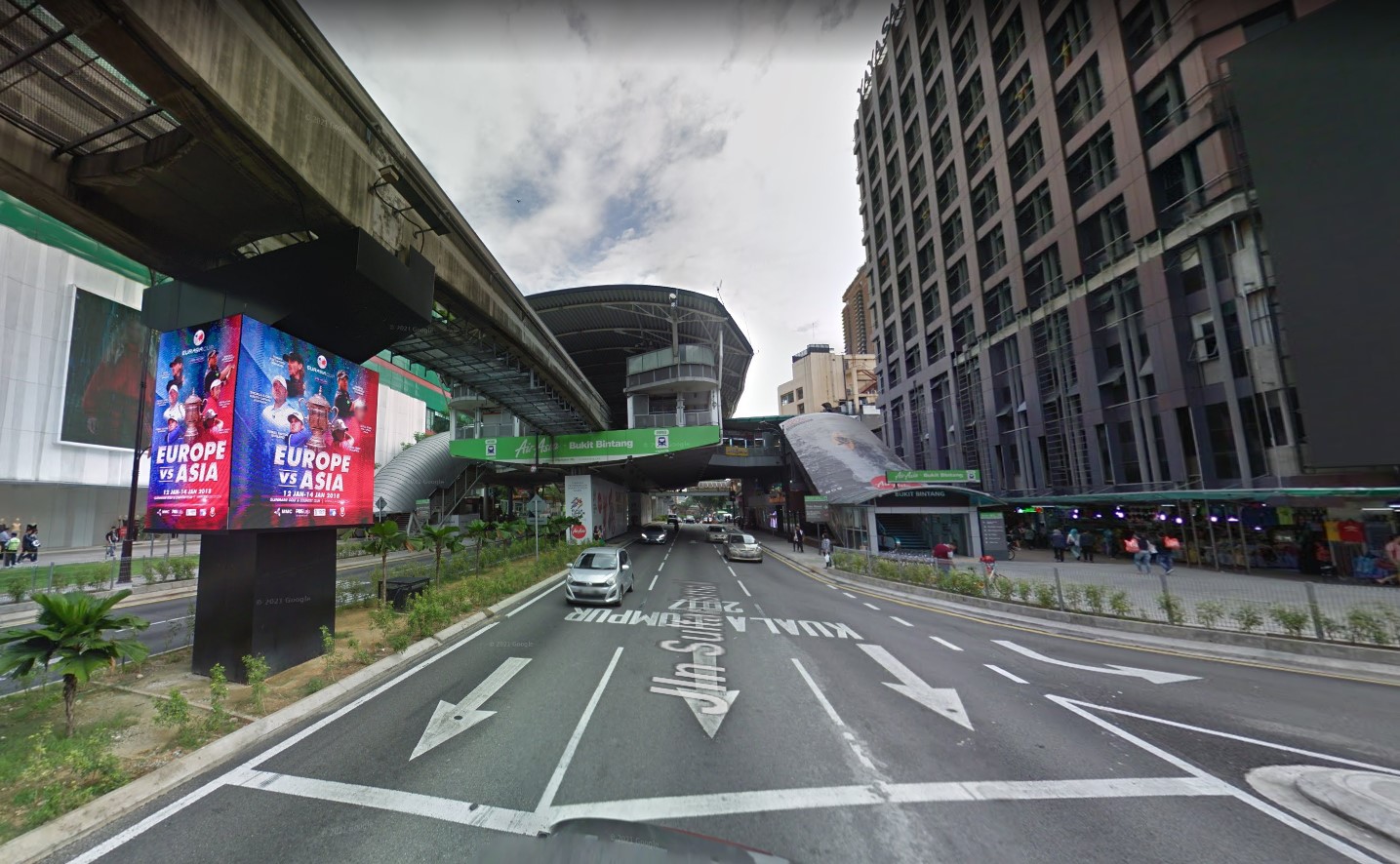
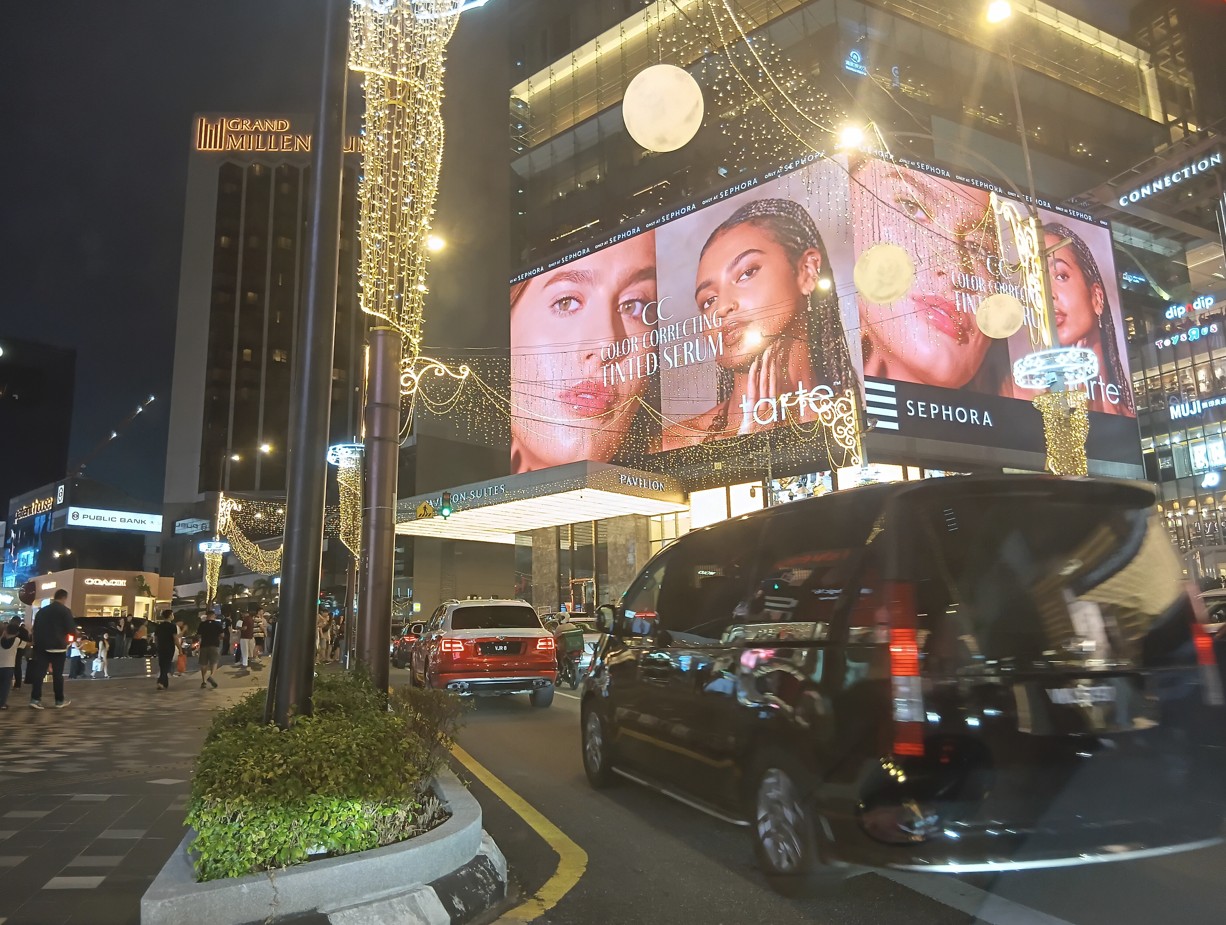
The Golden Triangle in Kuala Lumpur is around the Bukit Bintang area. This is known as the nucleus for tourists who come here for the food and great accommodation options. Around here you will find shopping centers like:
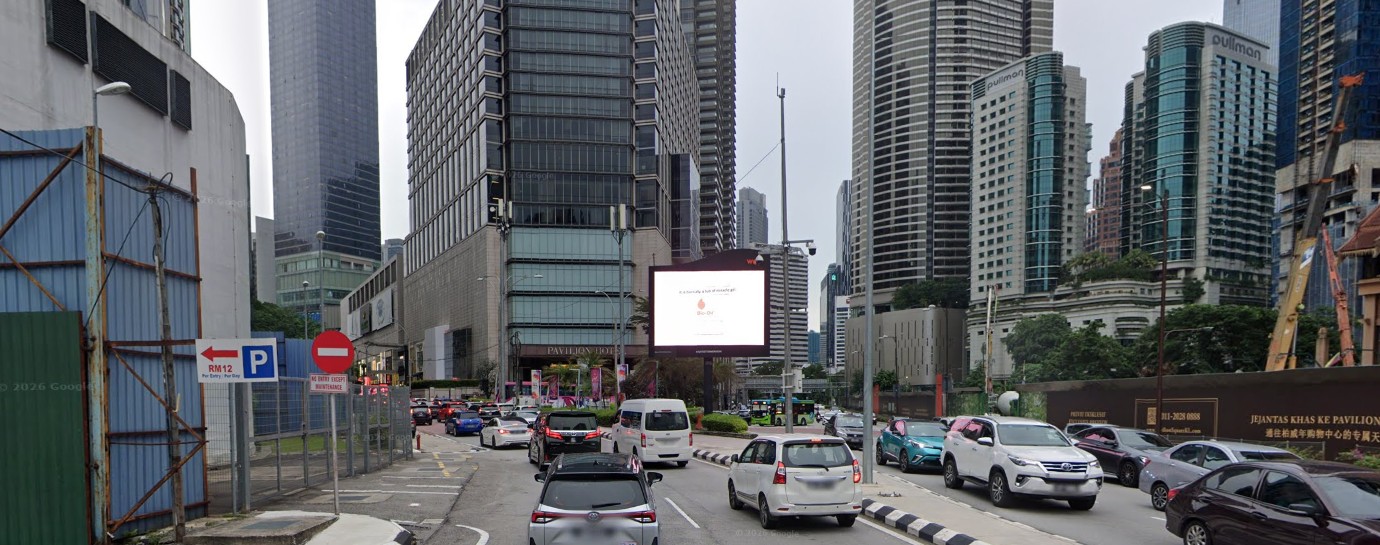
- Pavilion Shopping Center
- Sungei Wang Plaza
- Lot 10 Shopping Center
- Fahrenheit 88
- Suria KLCC
- and many more
Bukit Bintang
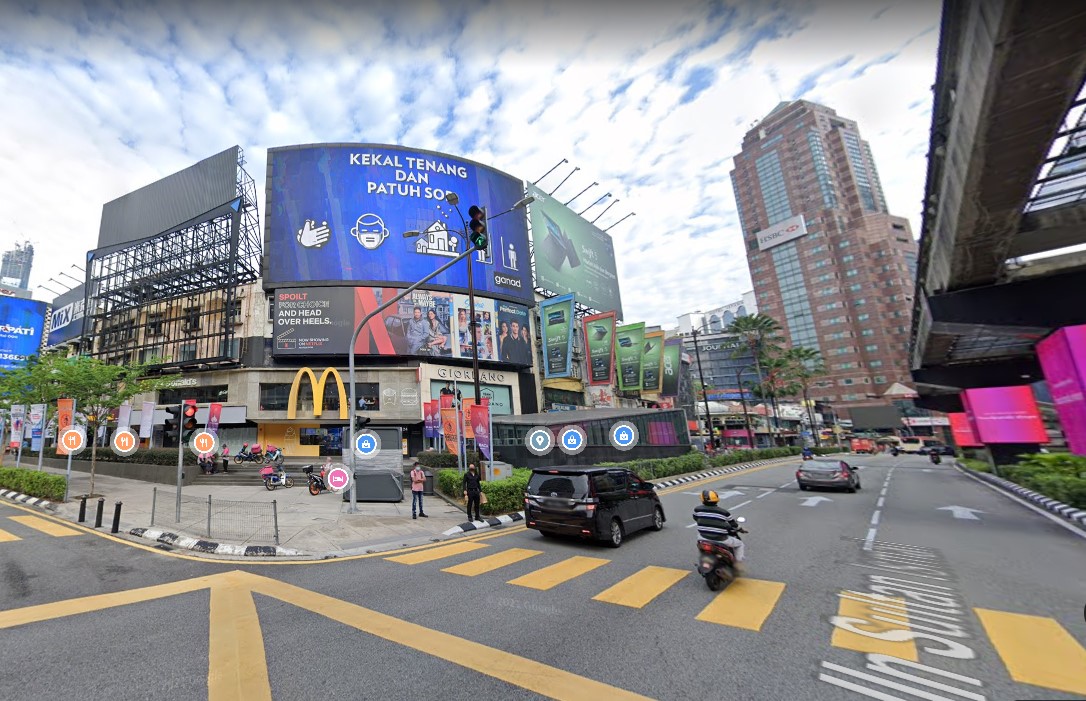
Bukit Bintang is perhaps one of the most distinguishable spots in Kuala Lumpur known for being the shopping and food haven. This is where you will find the likes of:
- Street food along Jalan Alor and Changkat Raja Chulan
- Shopping centers
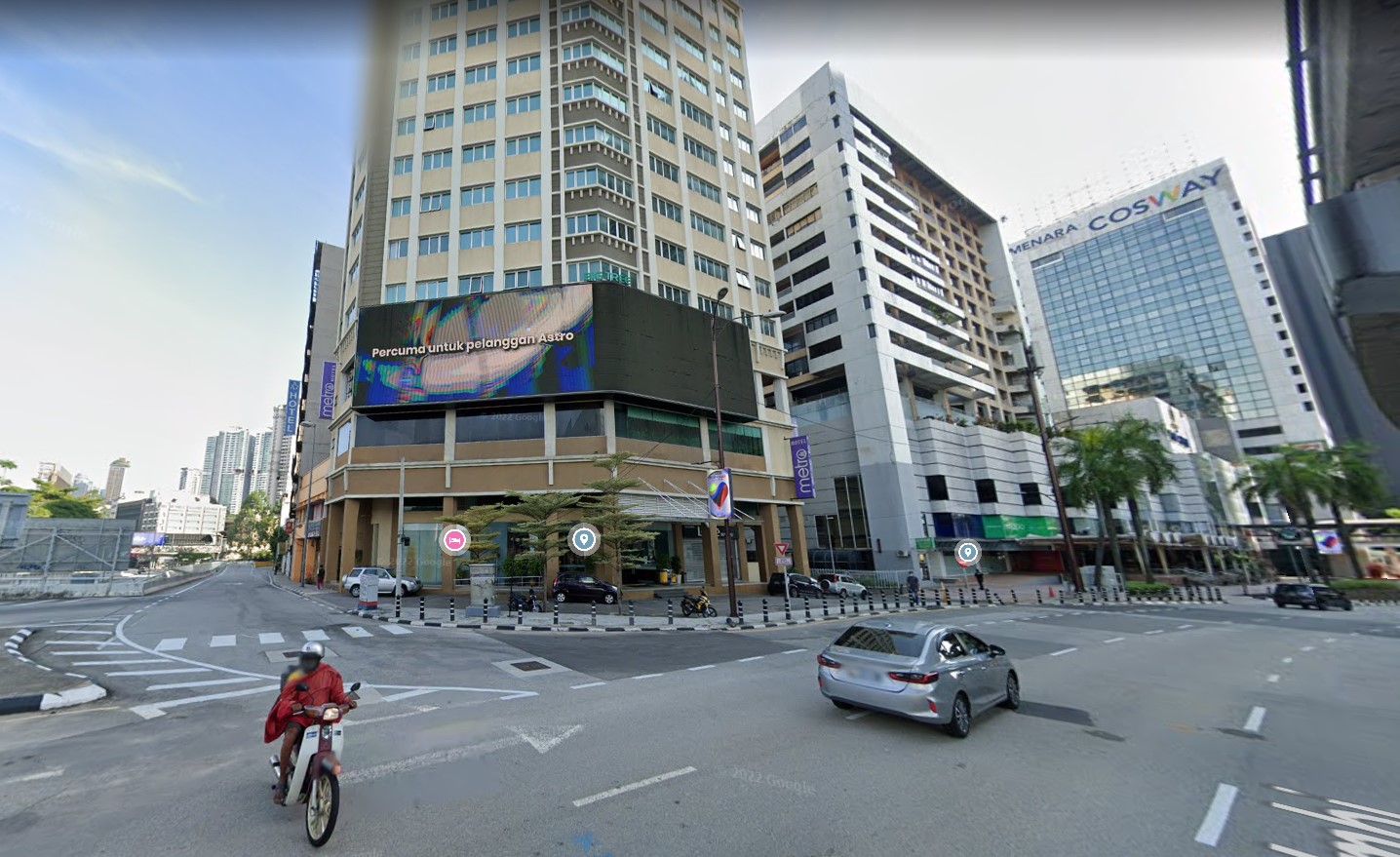
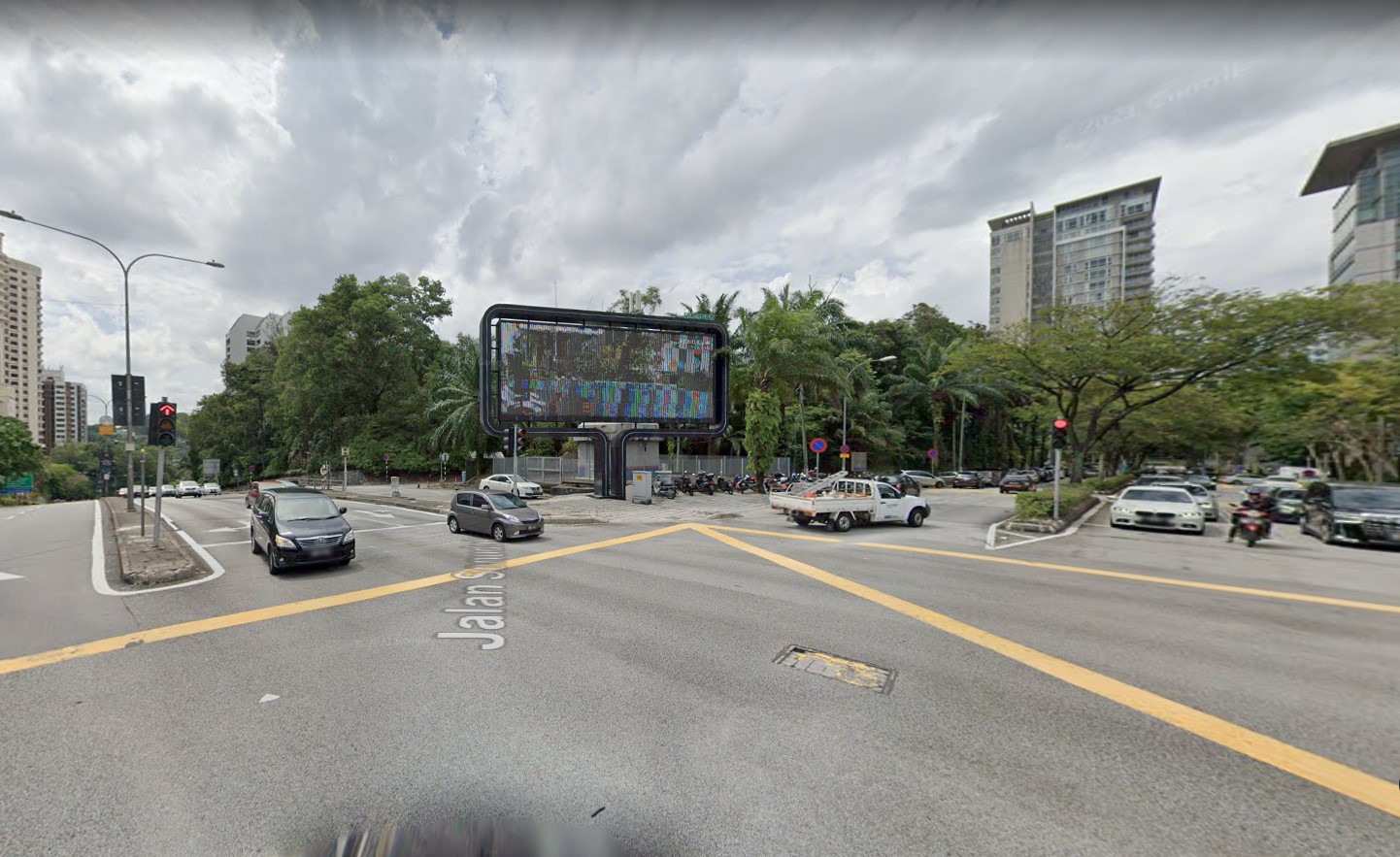
Sultan Ismail
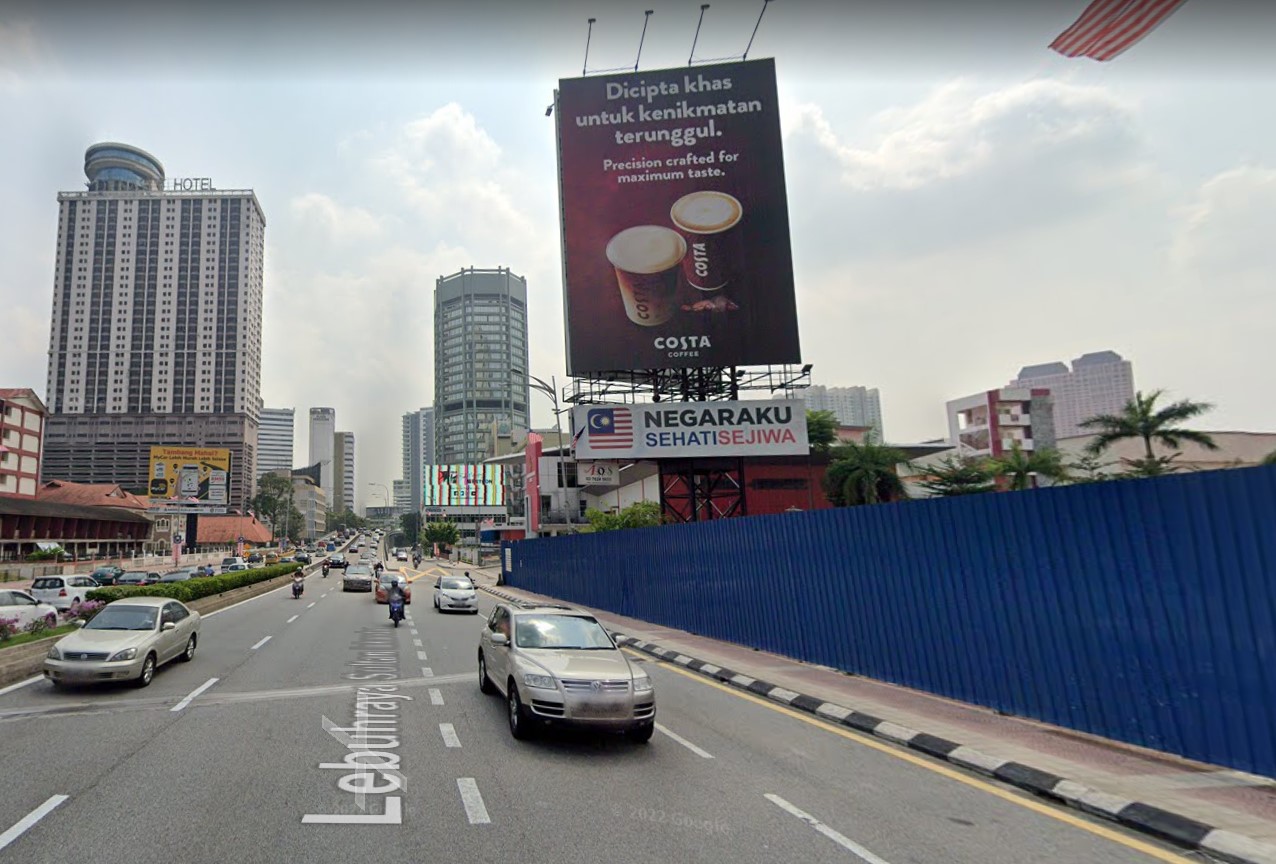
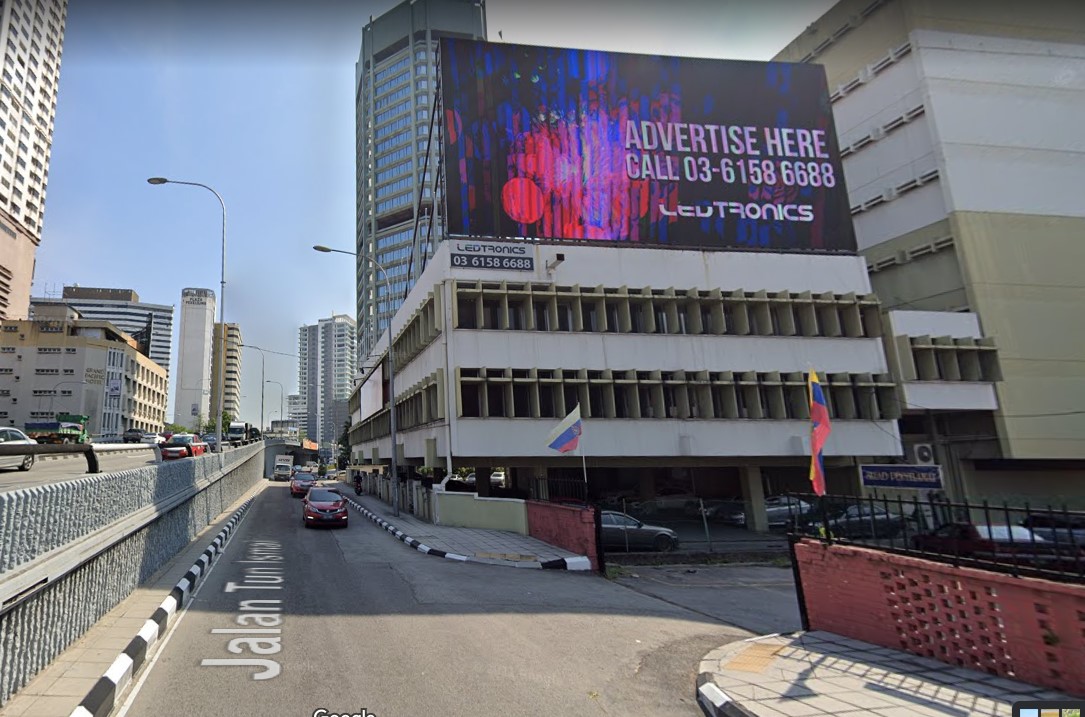
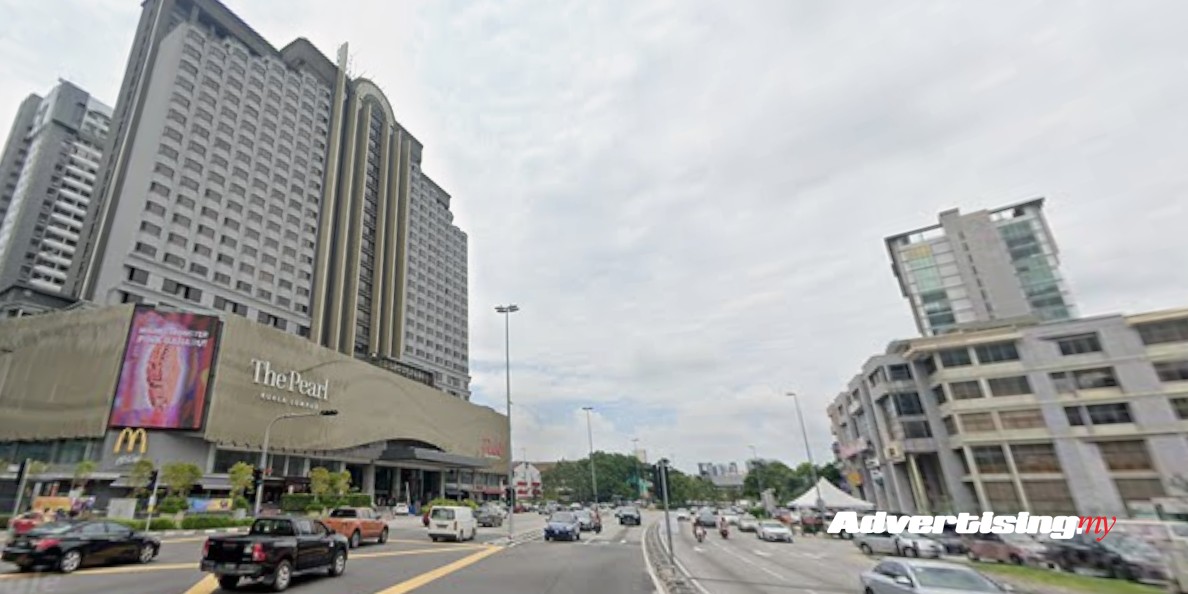
Jalan Sultan Ismail is among the longest roads in Kuala Lumpur. It hosts several shopping centers like:
- Sungei Wang Plaza
- BB Plaza
Meanwhile, you will find a lot of hotels along this stretch like Shangri-La Hotel and Concorde Hotel.
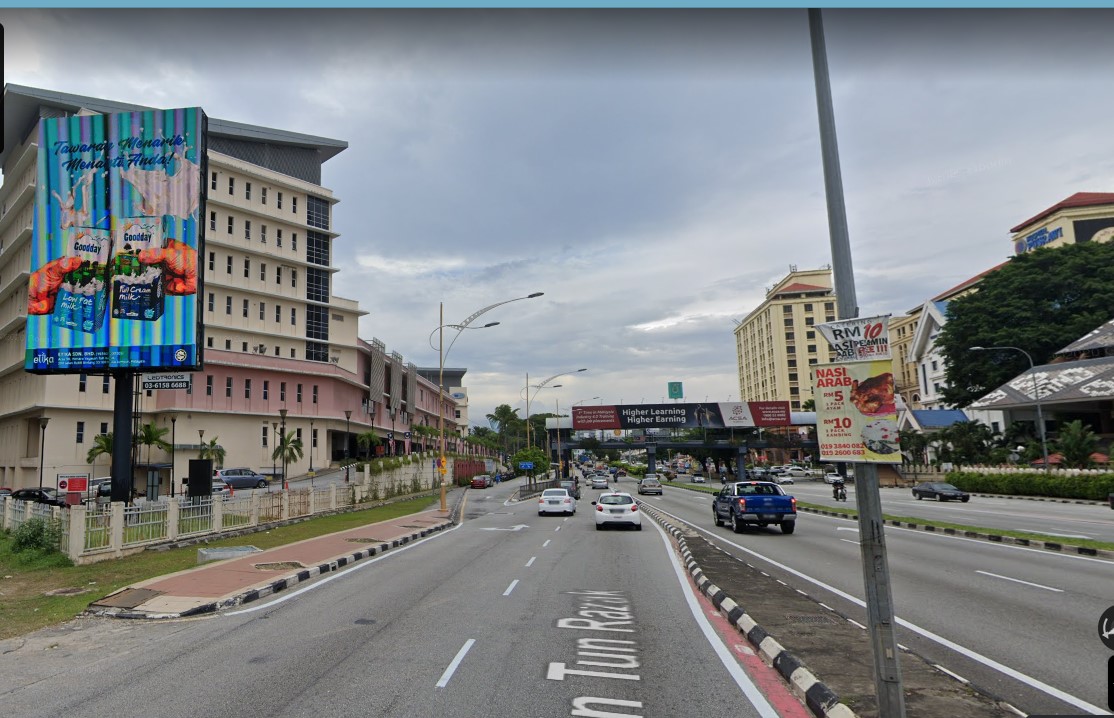
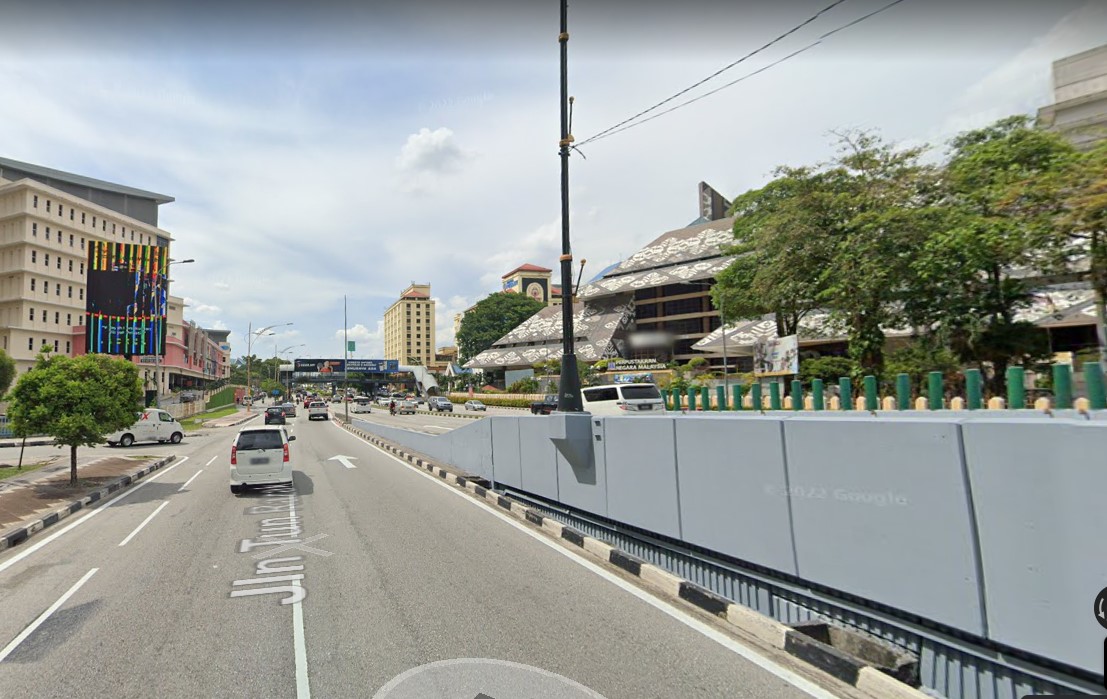
Jalan Tun Razak
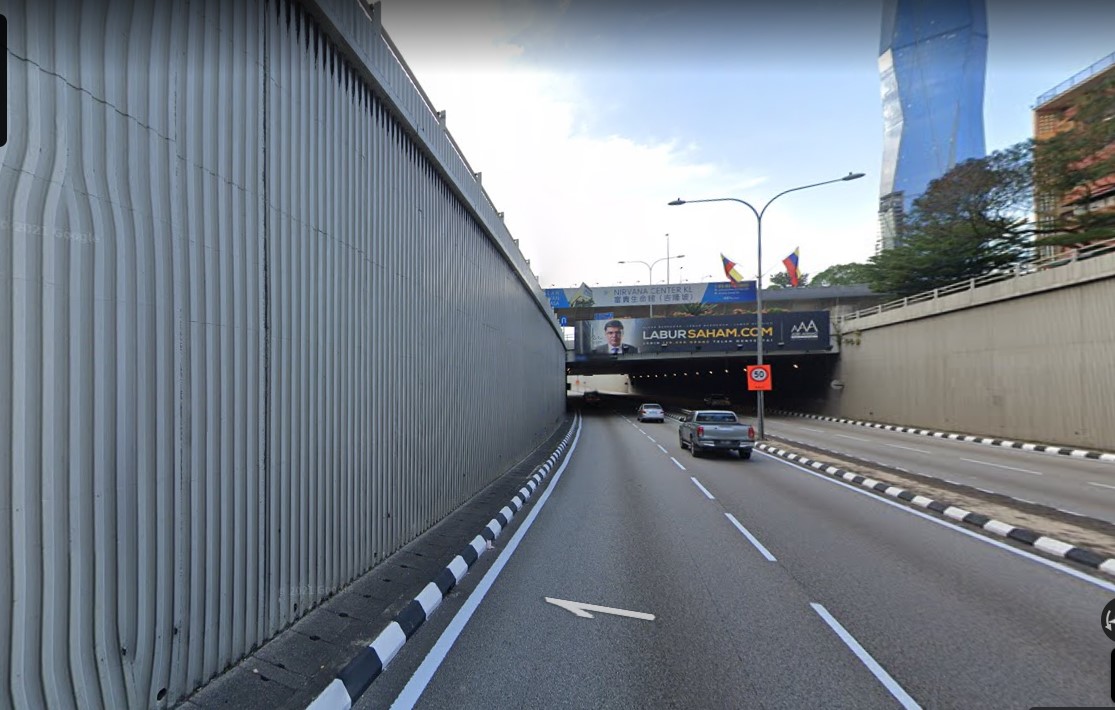
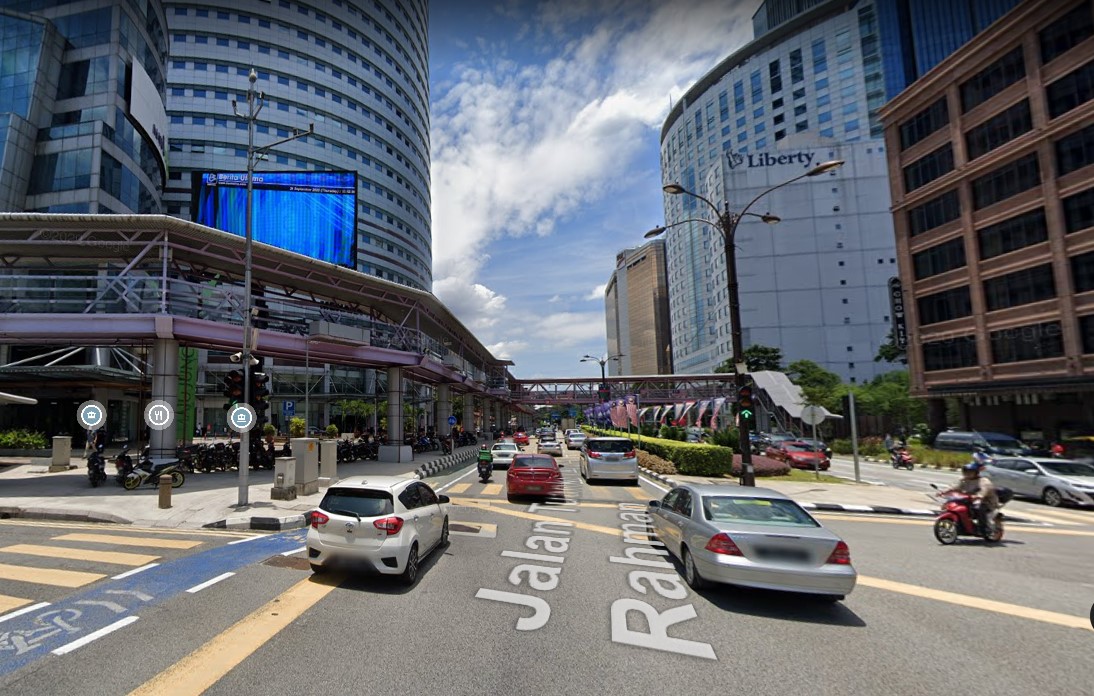
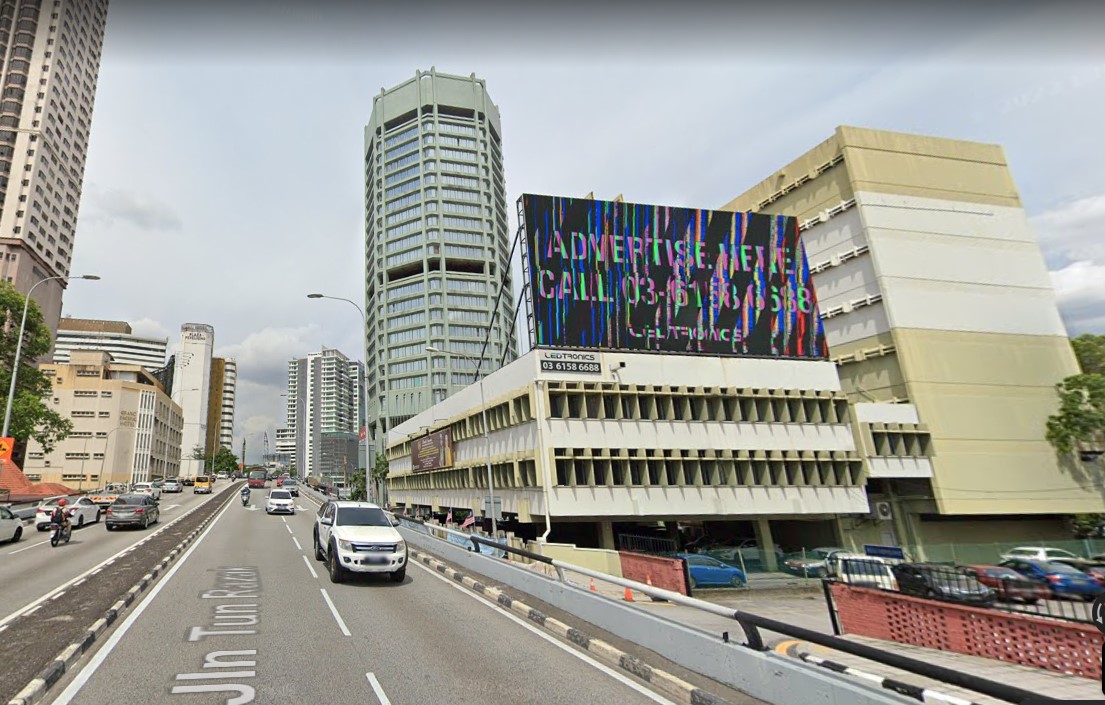
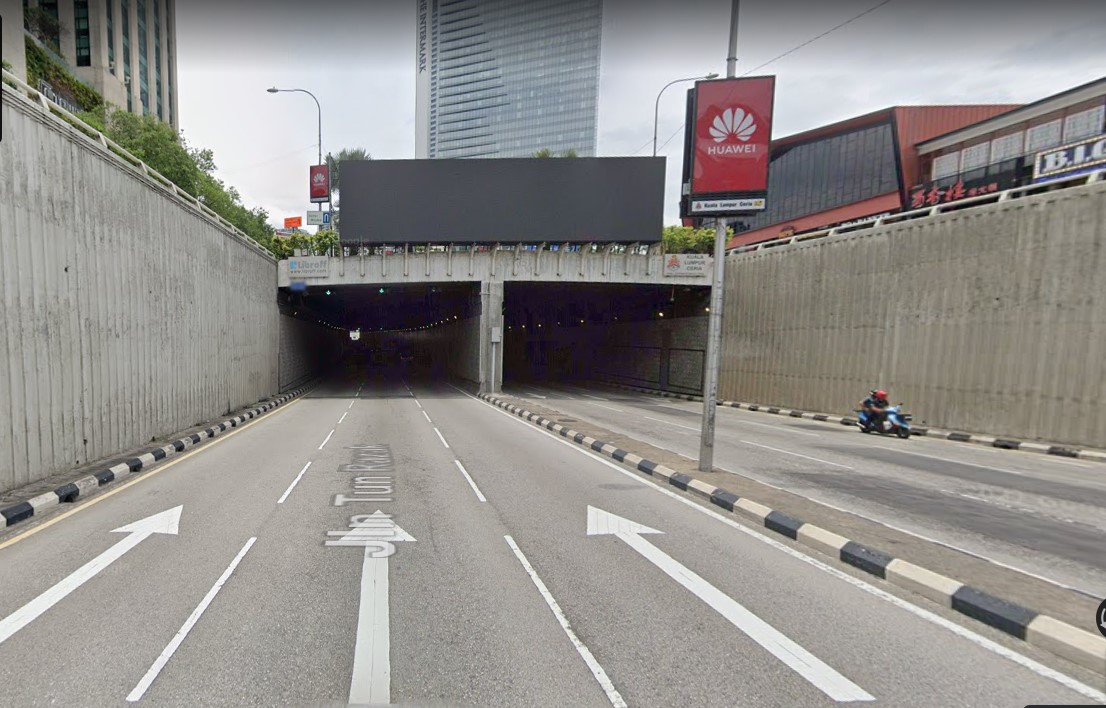
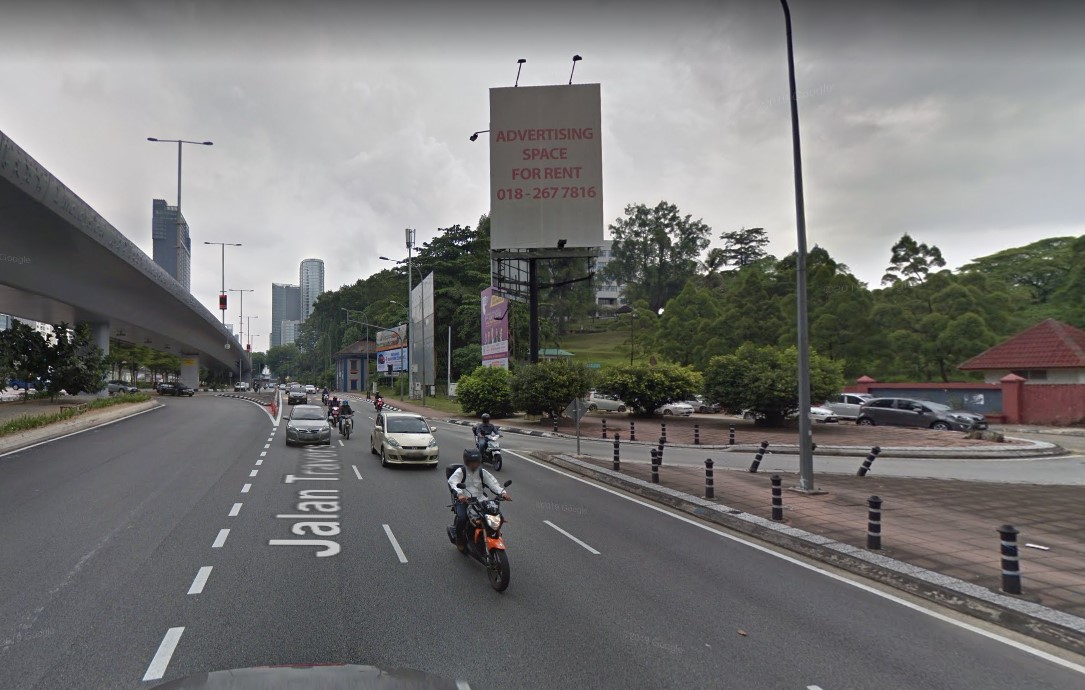
Another main road in Kuala Lumpur is Jalan Tun Razak. This road connects the northern and southern parts of the capital. In fact, it houses some of the most prominent landmarks like:
- The National Visual Arts Gallery
- The National Library
- KLCC
Kuala Lumpur City Guide
The capital of Malaysia, Kuala Lumpur has transformed from a former sleepy tin-mining village to a modern metropolis. Reputed as a cultural melting pot, this is an ideal destination for tourists and visitors to experience diverse cultures by interacting with the locals and enjoy some of the unique gastronomic delights. Business or leisure travelers are welcomed to the city and you can choose from a wide range of budget hostels or luxurious five-star world-class accommodation.
Generally, the city can be separated into different areas depending on the attractions and facilities available. If this is your first visit to the modern metropolis, take note. Here are some of the must visit hotspots within the vicinity. Of course, if you would like to indulge in different cultures, head over to the city centre because you can find some of the country’s historical attractions such as Merdeka Square and Sultan Abdul Samad Building. Besides that, you can also take your own sweet time to walk around Chinatown (the bustling Chinese business area).
Shopping around Kuala Lumpur
Shopaholics, if you are looking forward for an ultimate shopping experience where you can shop till you drop, Golden Triangle is definitely the right place for you. You can find plenty of first-tier shopping malls and specialty stores where you’ll end up buying great and irresistible goods. The city’s best nightclubs are located within walking distance in this thriving Golden Triangle.
Other must visit areas in KL include Brickfields and Tuanku Abdul Rahman. Brickfields or commonly known as Little India is vibrant and full of life during the weekend. Tempt your palate with aromatic banana leaf rice and other vegetarian dishes here. On another note, Tuanku Abdul Rahman is also a popular shopping district filled with various eclectic goods. Traveling around the city is not an issue because tourists can easily get to other parts of city or country via LRT, Monorail, KTM or buses.
Federal Territory of Malaysia
The Federal Territory is the capital of Malaysia. It used to be the administrative center of the country before Putrajaya which has taken over the role. However, Kuala Lumpur remains as the busiest city in the country by virtue of being the main transportation, commercial and entertainment hub. Kuala Lumpur is administered by the federal government of Malaysia and is home to some 2 million people from all walks of life, background and culture.
The City center
The main commercial areas are located around the Bukit Bintang, Pudu and surrounding areas in which they are all connected through main roads like Jalan Tun Razak, Jalan Sultan Ismail, Jalan Pudu as well as by a highly efficient train service. The city center is constantly bursting with activities throughout the day as thousands of people come in for work. The nightlife in Kuala Lumpur is when the entertainment areas come alive particularly around Bukit Bintang and along Jalan Sultan Ismail and in around Pudu where there are eateries, hawker centers and pubs which attract tourists and the locals alike.
Kuala Lumpur Advertising Market Trend
Kuala Lumpur is the single most valuable advertising market in Malaysia, delivering the country’s highest concentration of spending power, daytime population and vehicular traffic. The Federal Territory holds roughly 1.8 to 2 million residents, but the working-day population swells well beyond that as commuters pour in from Selangor across the Federal Highway, MRR2, DUKE and the rail network — putting total Greater KL reach at over 8 million. For advertisers, this means a single well-placed billboard in KL can deliver national brand impact, while suburban and arterial sites offer sharply defined community targeting. Understanding how the city’s districts, ethnic communities and road hierarchy fit together is what separates an efficient buy from wasted spend.
Why Kuala Lumpur Is No. 1 among all states in terms of billboard media price
Kuala Lumpur is still the most expensive billboard market because it has the strongest concentration of national advertisers and media budgets. A billboard in KL is not only a local awareness tool. It is a national brand signal.
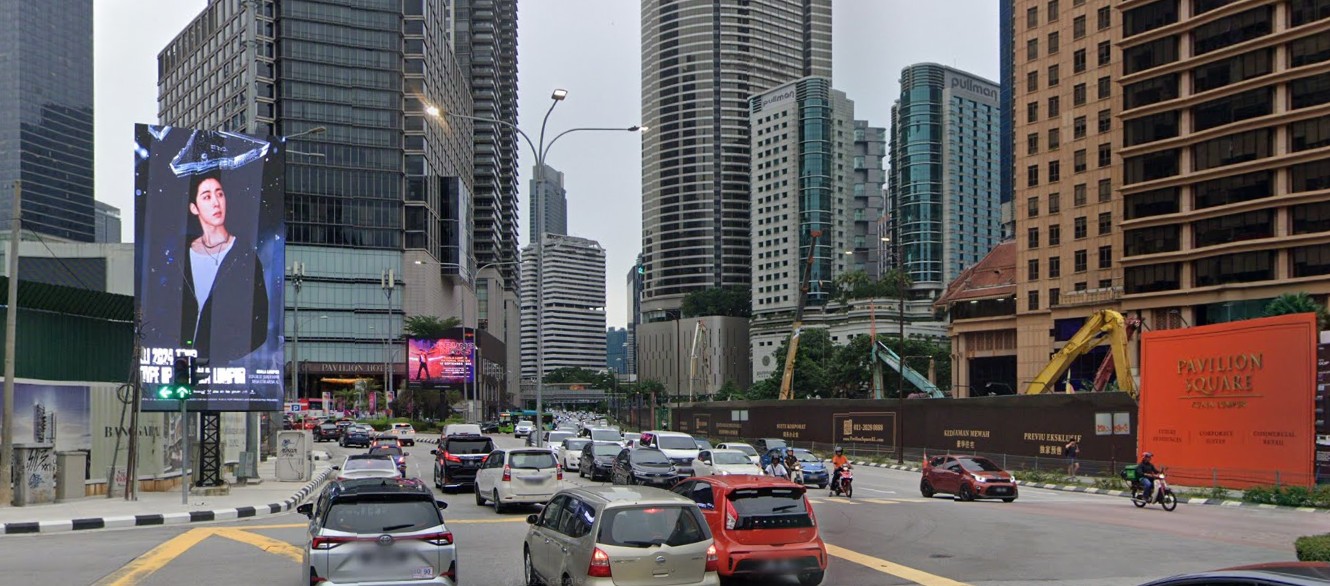
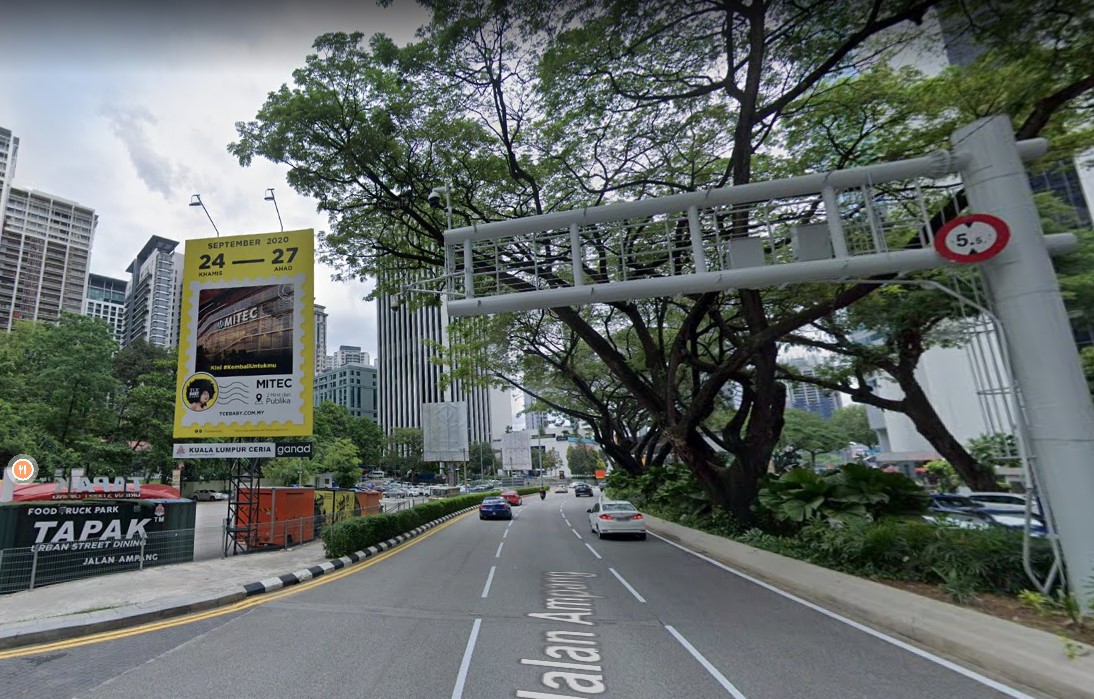
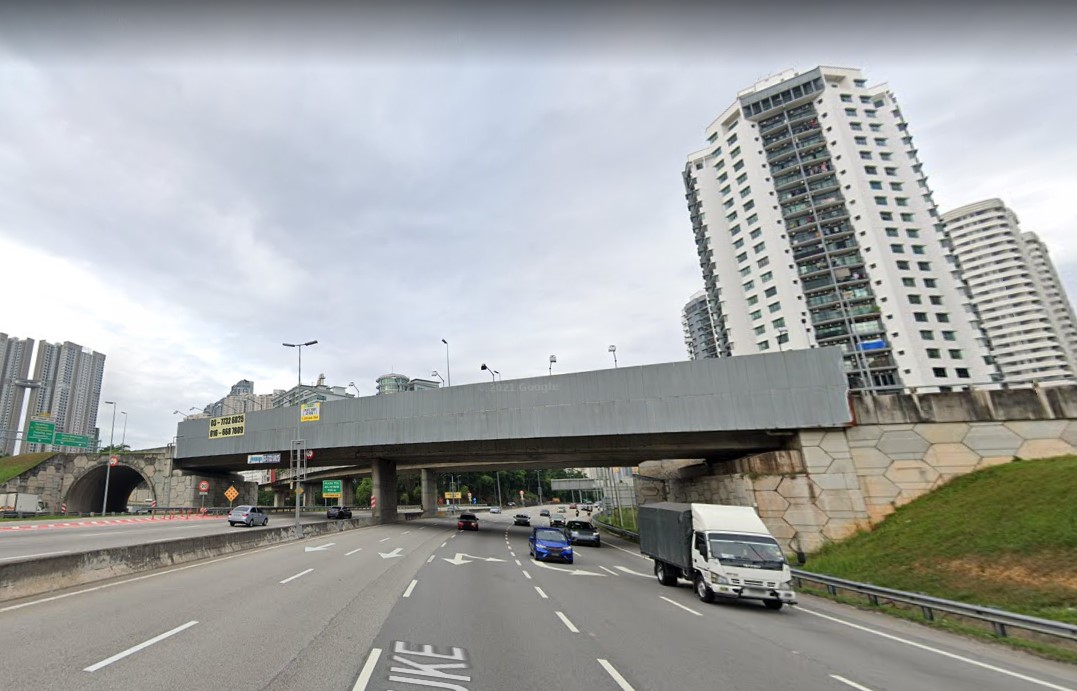
The highest-value locations include Bukit Bintang, KLCC, Jalan Tun Razak, Jalan Sultan Ismail, Jalan Ampang, Mid Valley, Bangsar, Jalan Kuching, MRR2, DUKE and city-centre digital screens. These locations attract banks, telcos, automotive brands, property developers, FMCG brands, tourism brands, luxury brands and government campaigns.
KL Landmark Sites and High-Impact Locations
Landmarks matter in outdoor advertising because they dictate dwell time, footfall and photographic backdrop value. Across the Federal Territory, the Perdana Lake Gardens precinct, Masjid Negara, Tugu Negara and Parliament House sit within heritage and civic zones where signage approval is tightly restricted, making nearby permitted sites scarce and premium. Commercially, the strongest landmark-adjacent inventory sits around KL Sentral — the country’s largest transport interchange, handling airport rail, KTM, LRT, MRT and monorail traffic — plus Mid Valley Megamall on the KL–Petaling Jaya boundary, Bukit Jalil National Stadium in the south, and Titiwangsa and Bukit Bintang as evening leisure destinations. Highway-facing structures along MRR2, Jalan Kuching and the Federal Highway deliver the heaviest raw vehicle counts, while Batu Caves just over the Selangor border drives enormous seasonal traffic during Thaipusam, a proven window for tactical campaigns targeting the Indian community.
Audience and Community Targeting by Area
Kuala Lumpur’s ethnic geography is the most practical targeting tool available to outdoor advertisers, because language, product category and creative treatment can be matched street by street. Brickfields (Little India) concentrates the Indian and Tamil audience, ideal for Tamil-language creative, gold and jewellery, remittance services and Deepavali campaigns. Kampung Baru, Keramat, Setiawangsa, Wangsa Maju and Titiwangsa are predominantly Malay, suiting halal FMCG, Islamic finance, takaful and Ramadan or Raya campaigns. Predominantly Chinese catchments include Cheras, Kepong, Pudu, Segambut, Old Klang Road, Salak South and Sungai Besi — strong for Mandarin creative, property launches, F&B, education and Chinese New Year bursts. Sentul is mixed Indian and Chinese, while Chow Kit carries a large Malay base alongside Indonesian, Bangladeshi, Nepali and Myanmar migrant communities, making it the key corridor for telco prepaid, remittance and money-transfer brands. Bangsar, Mont Kiara, Desa ParkCity and Taman Tun Dr Ismail are the affluent, expatriate-heavy zones — the natural home for luxury automotive, private healthcare, international schools and premium property, with Mont Kiara in particular reaching sizeable Japanese and Korean audiences.
Prominent Advertising Corridors Across Kuala Lumpur
These are the roads that carry the traffic volumes and commercial frontage outdoor campaigns are built on. Site availability, permitted format and rate card all vary sharply by corridor.
Central and Commercial Corridors
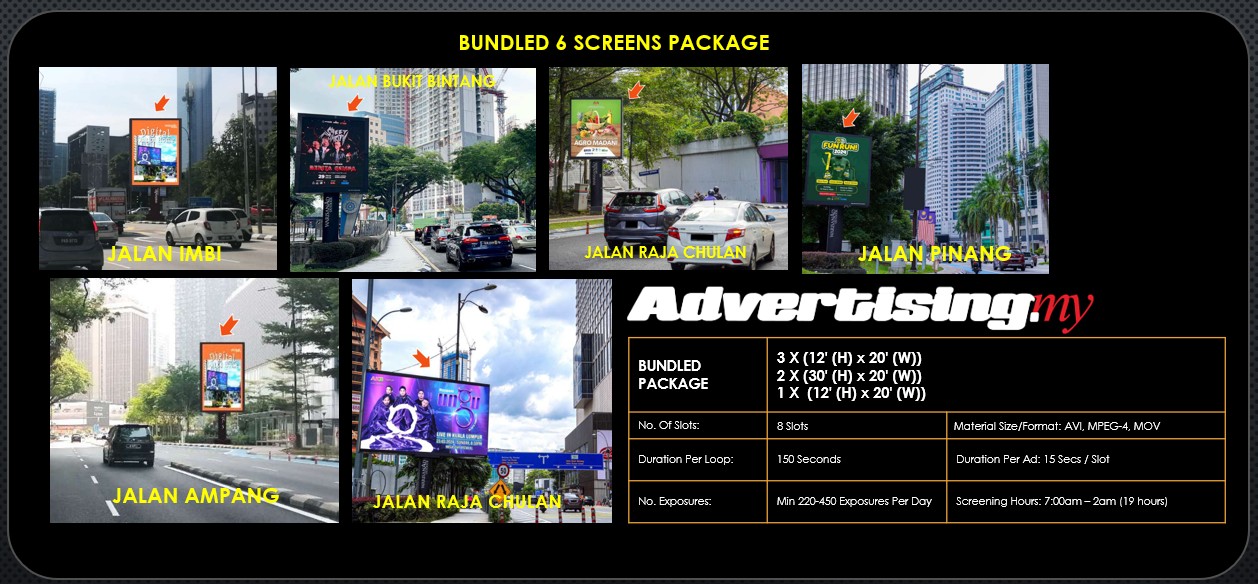
- Jalan Bukit Bintang, Jalan Sultan Ismail, Jalan Raja Chulan, Jalan P. Ramlee — highest-value retail and hospitality frontage
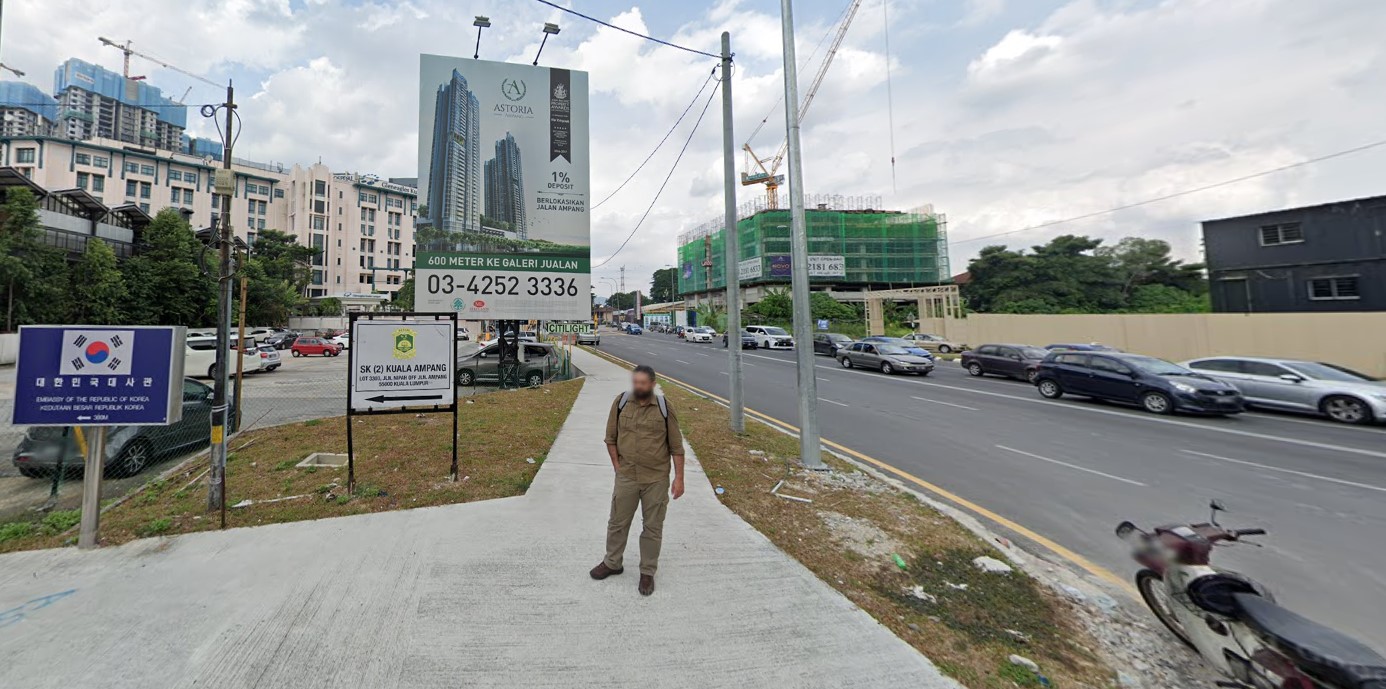
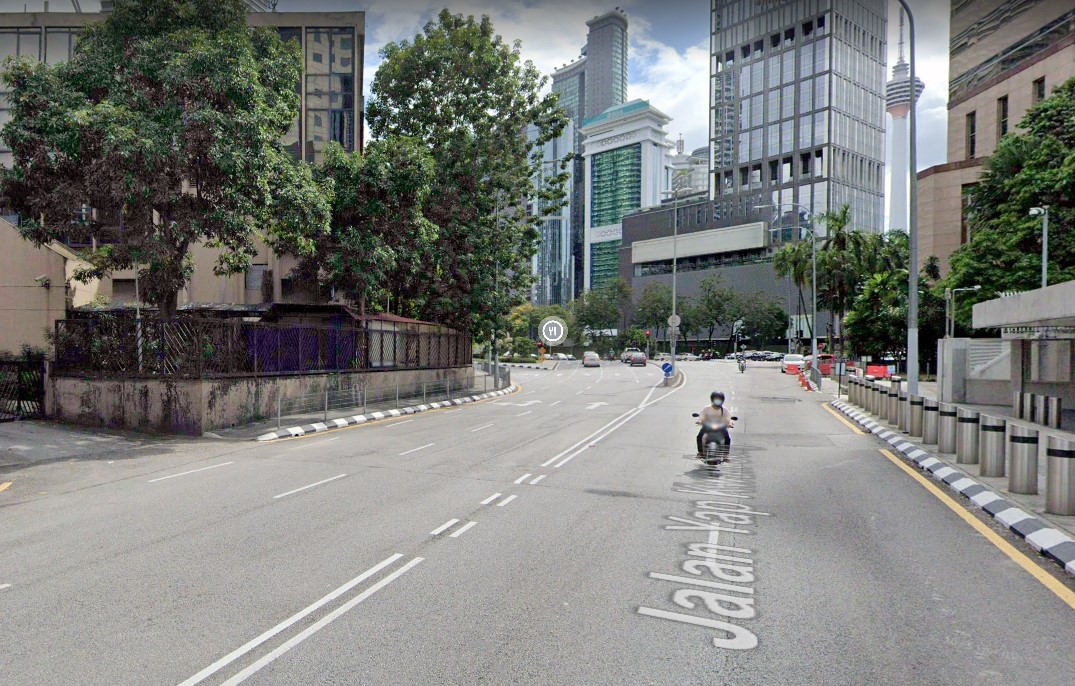
- Jalan Ampang, Jalan Tun Razak, Jalan Yap Kwan Seng, Jalan Kia Peng — corporate, embassy and premium residential reach
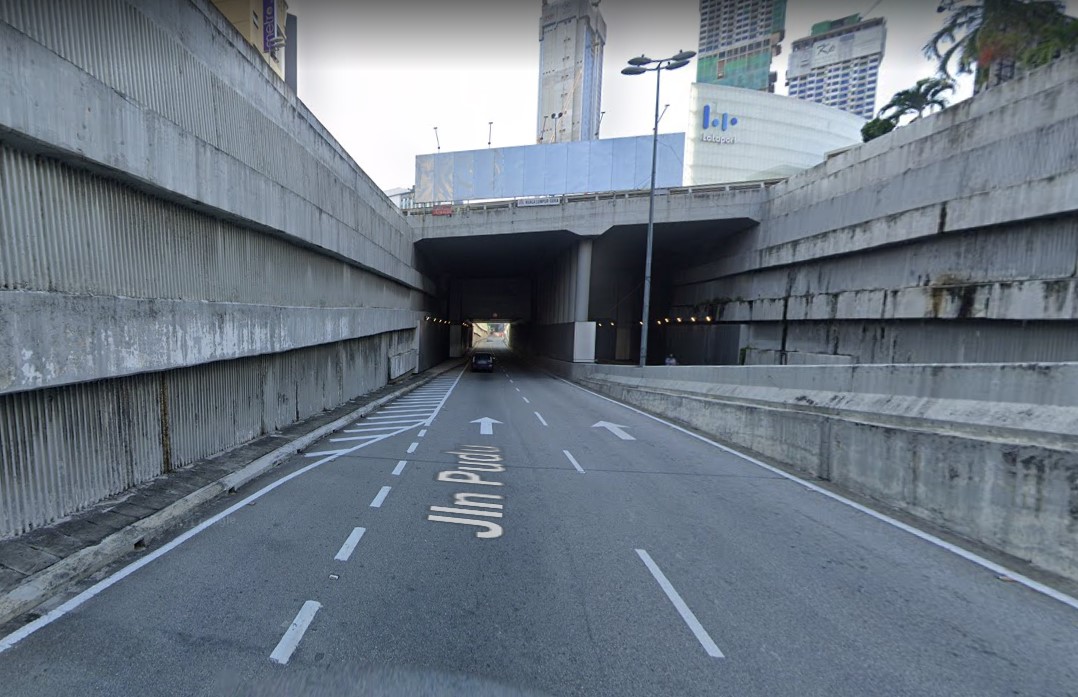
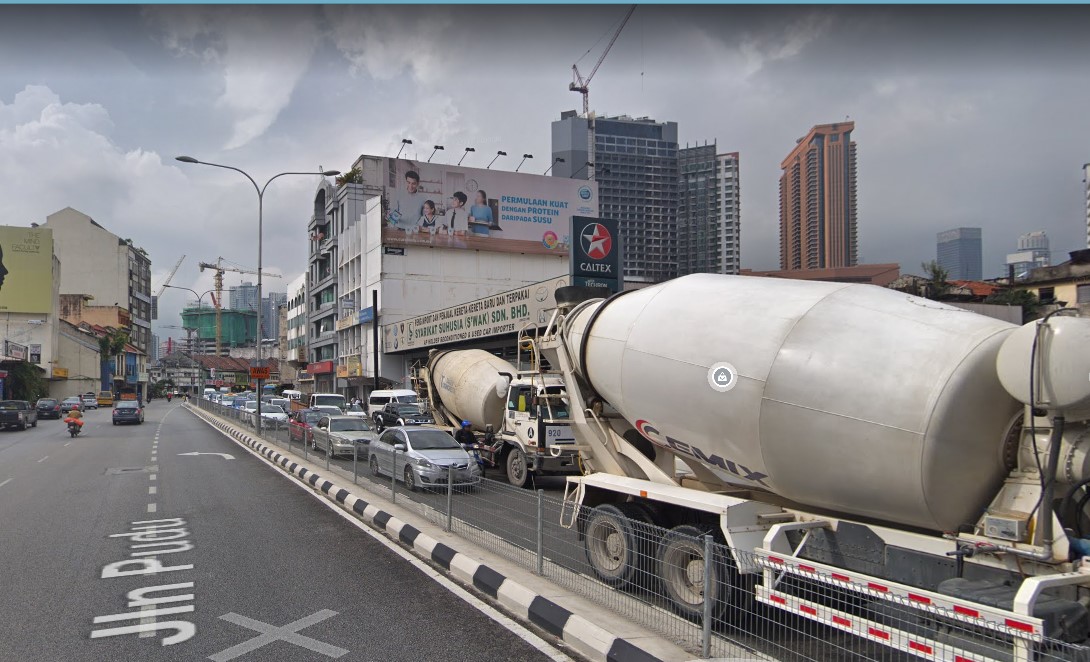
- Jalan Imbi, Jalan Pudu, Jalan Hang Tuah, Jalan Cochrane — heavy commuter and mall-bound traffic
- Jalan Tun Perak, Jalan Dang Wangi, Jalan Masjid India — dense pedestrian and bus traffic in the old commercial core
- Jalan Tun Tan Cheng Lock, Jalan Tun Tan Siew Sin, Jalan Yap Ah Loy, Jalan Maharajalela — heritage zone with tighter signage controls
Northern and Western Routes
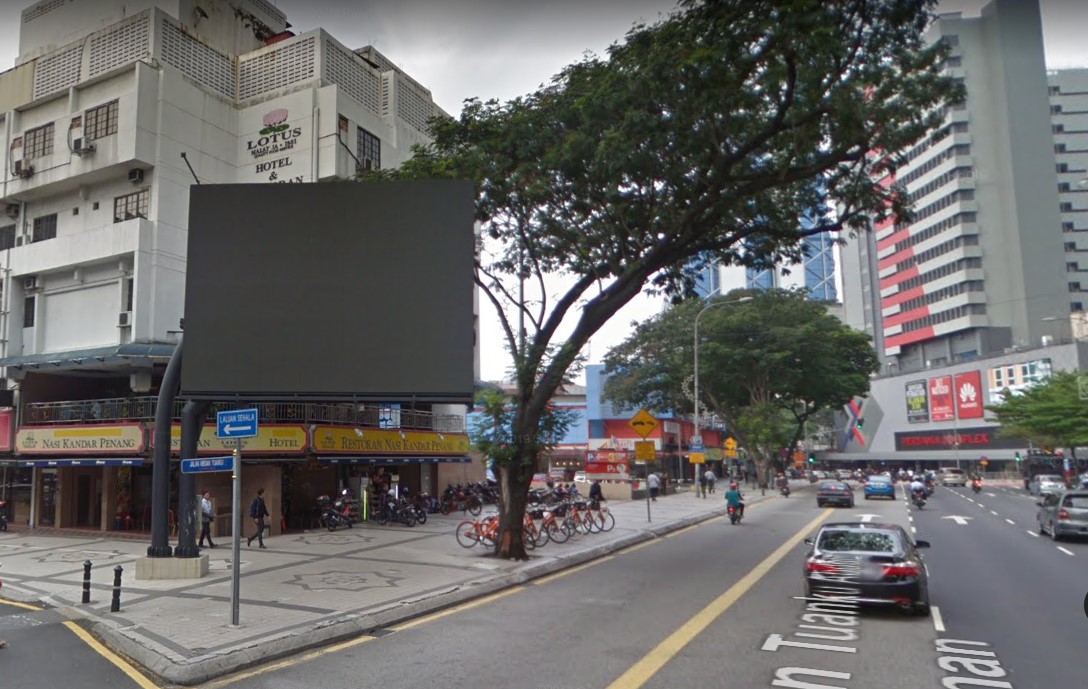
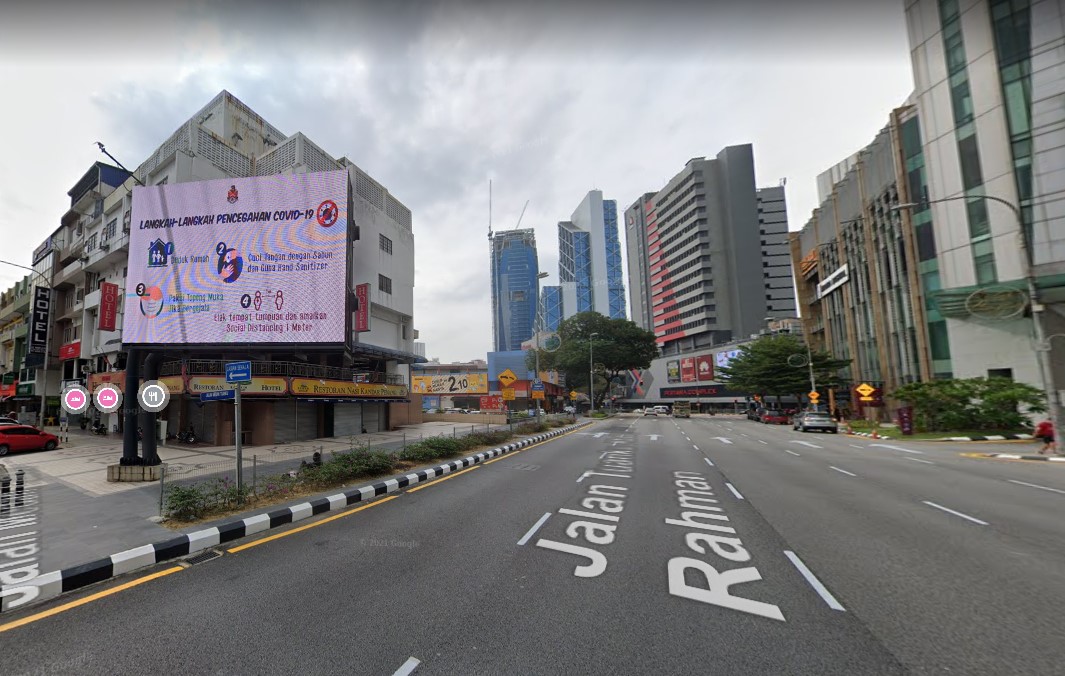
- Jalan Tuanku Abdul Rahman (Jalan TAR), Jalan Raja Laut, Jalan Chow Kit, Jalan Pahang — mass-market retail and high pedestrian density
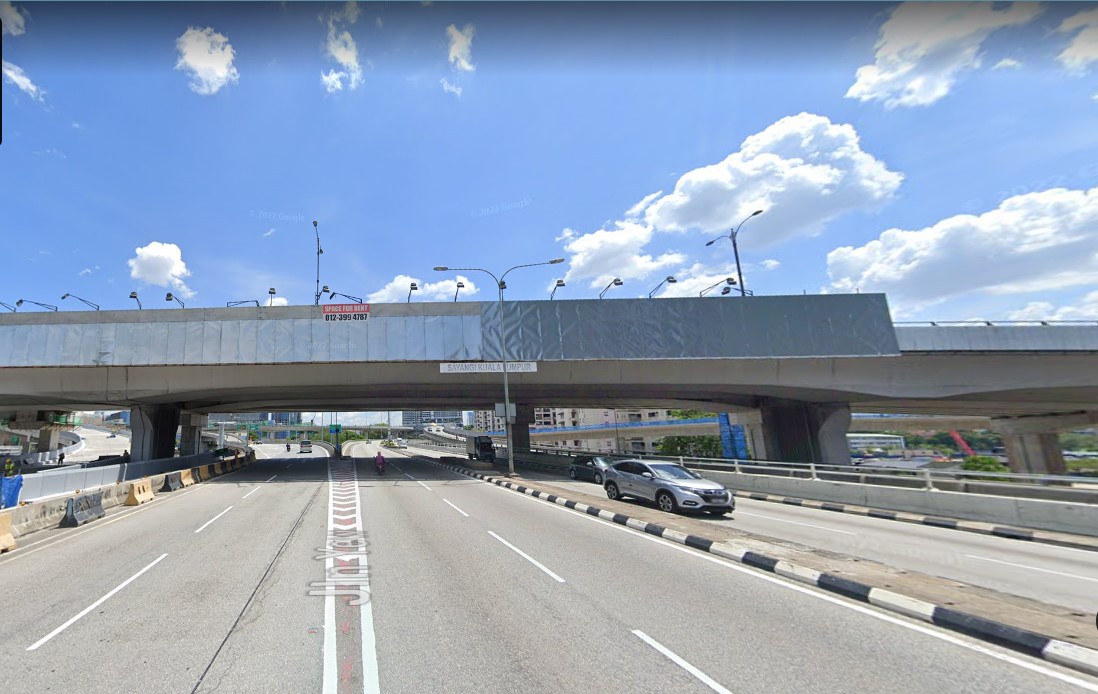
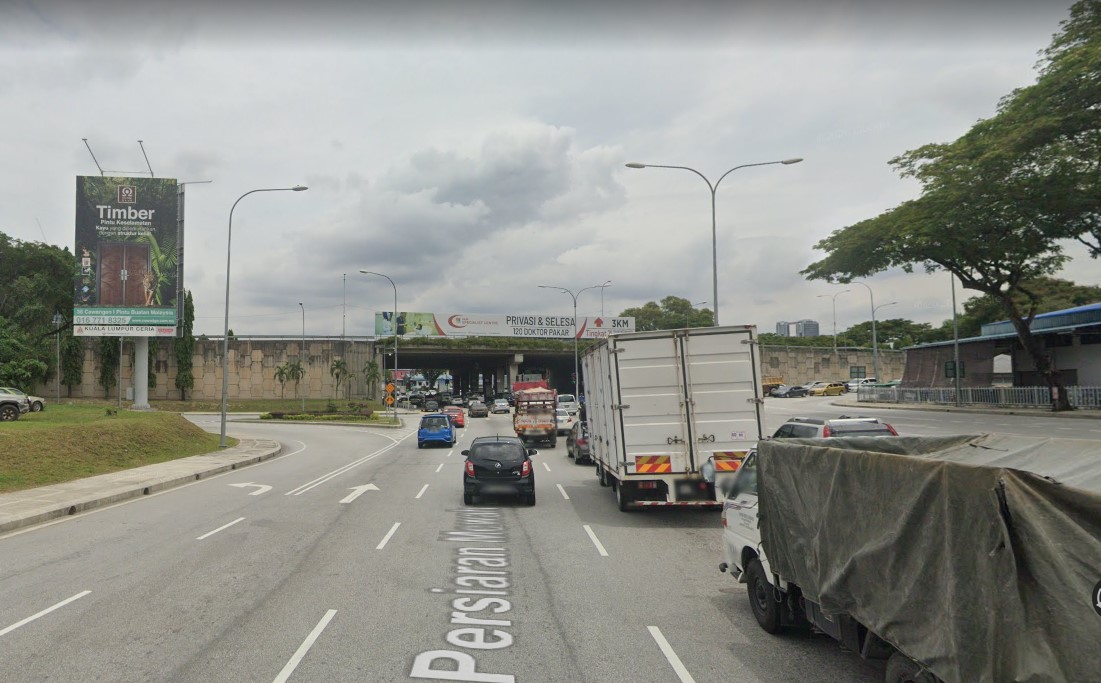
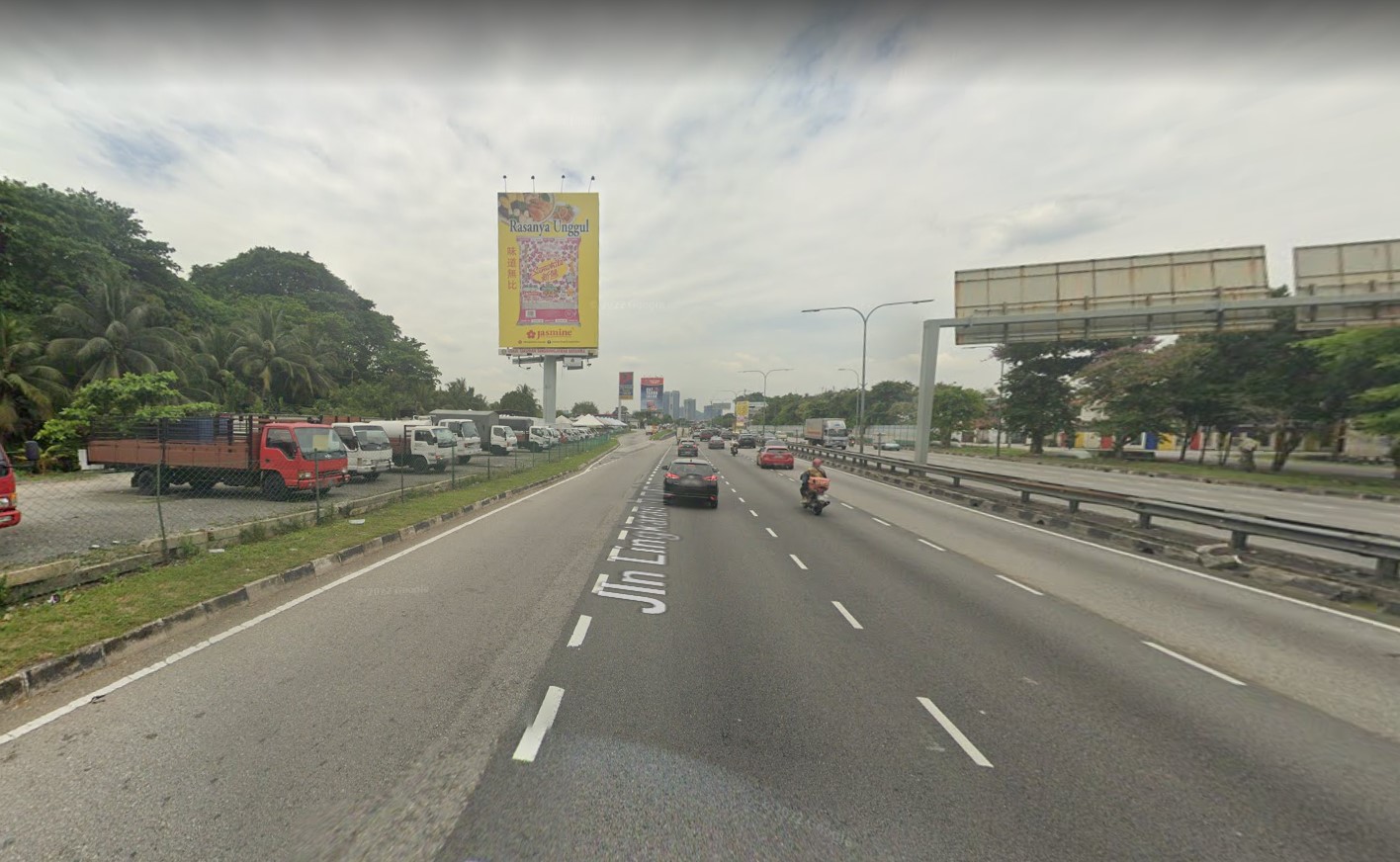
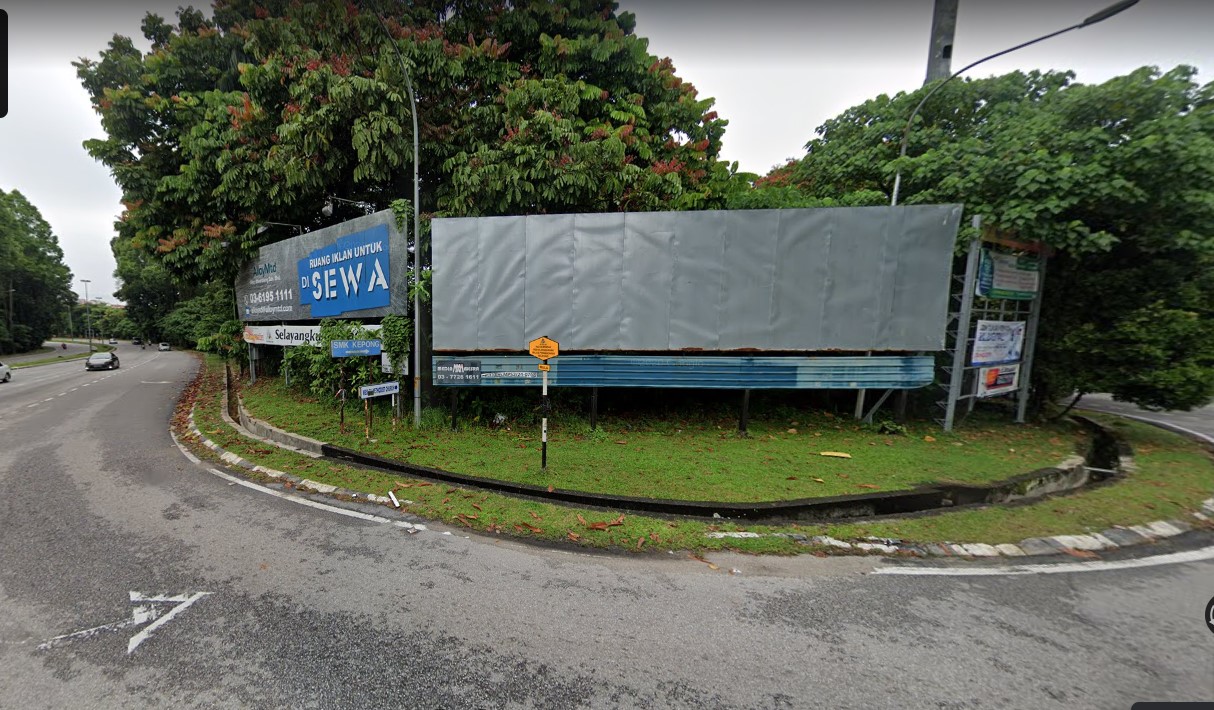
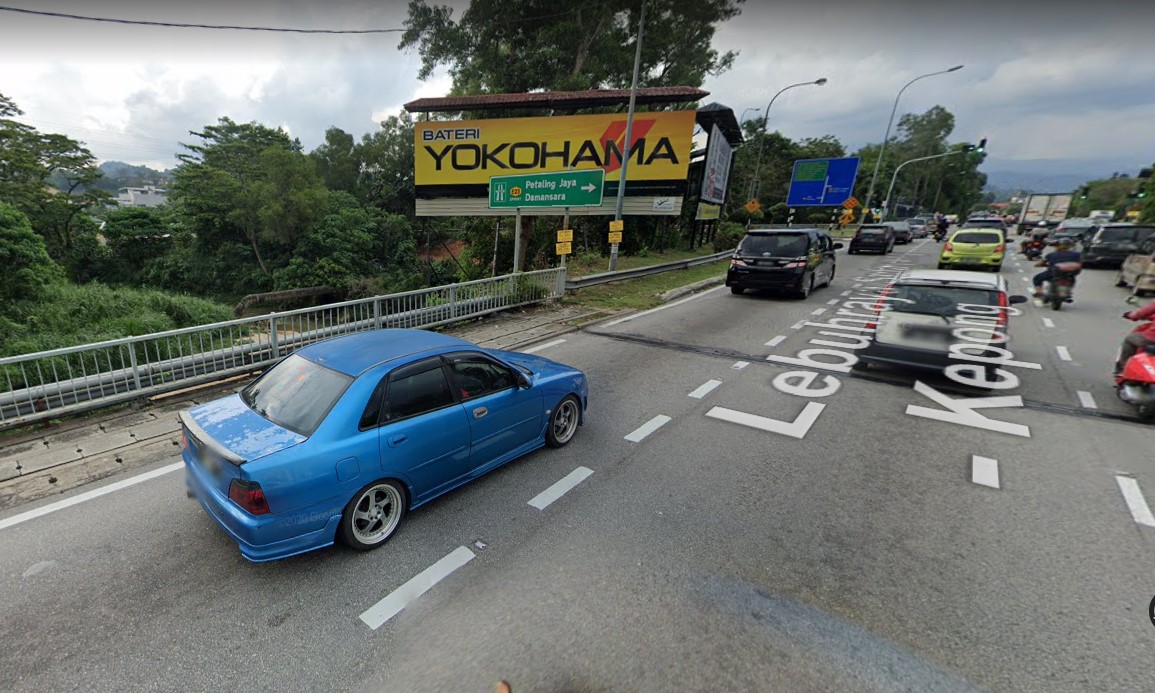
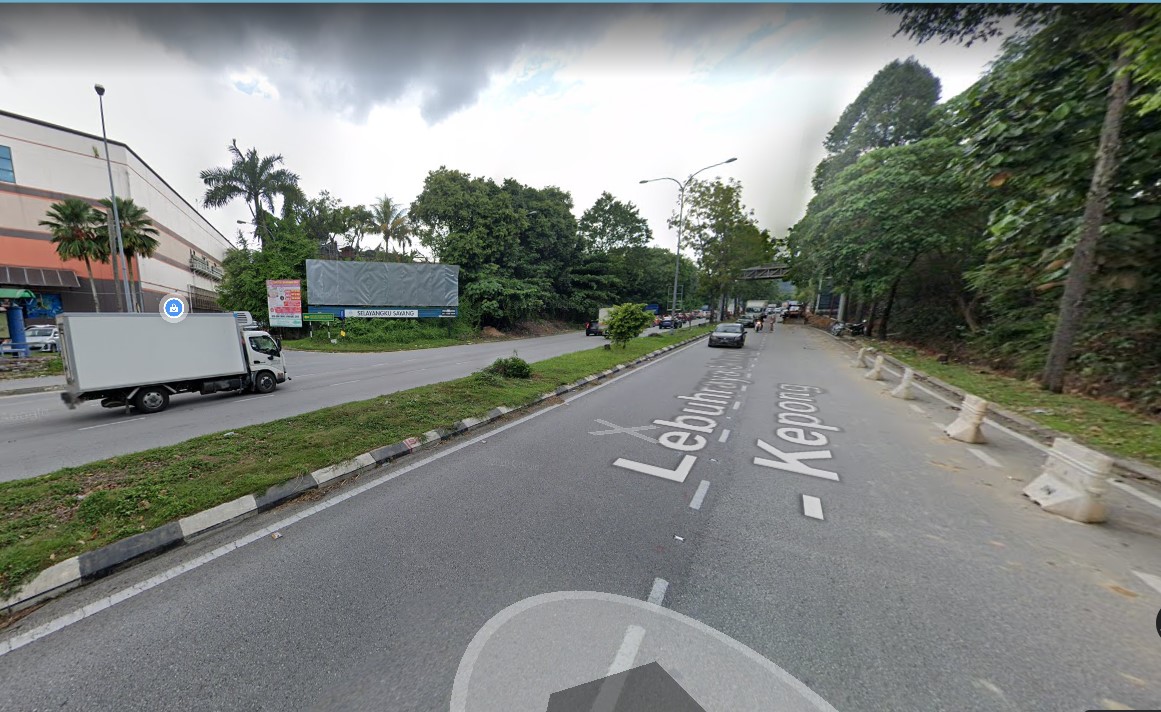
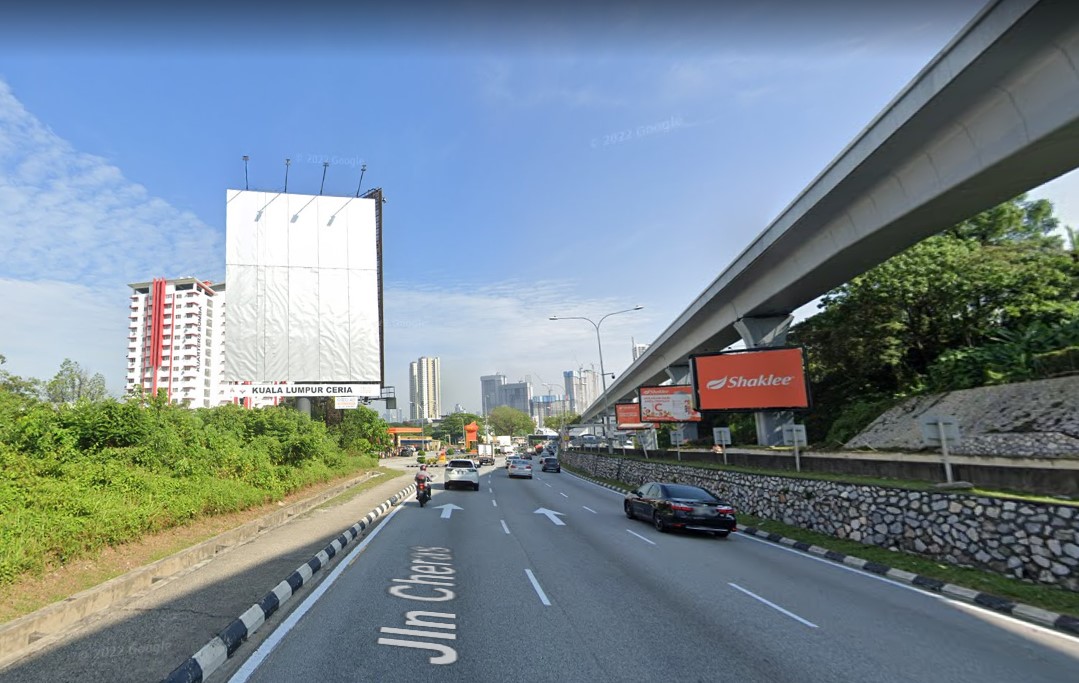
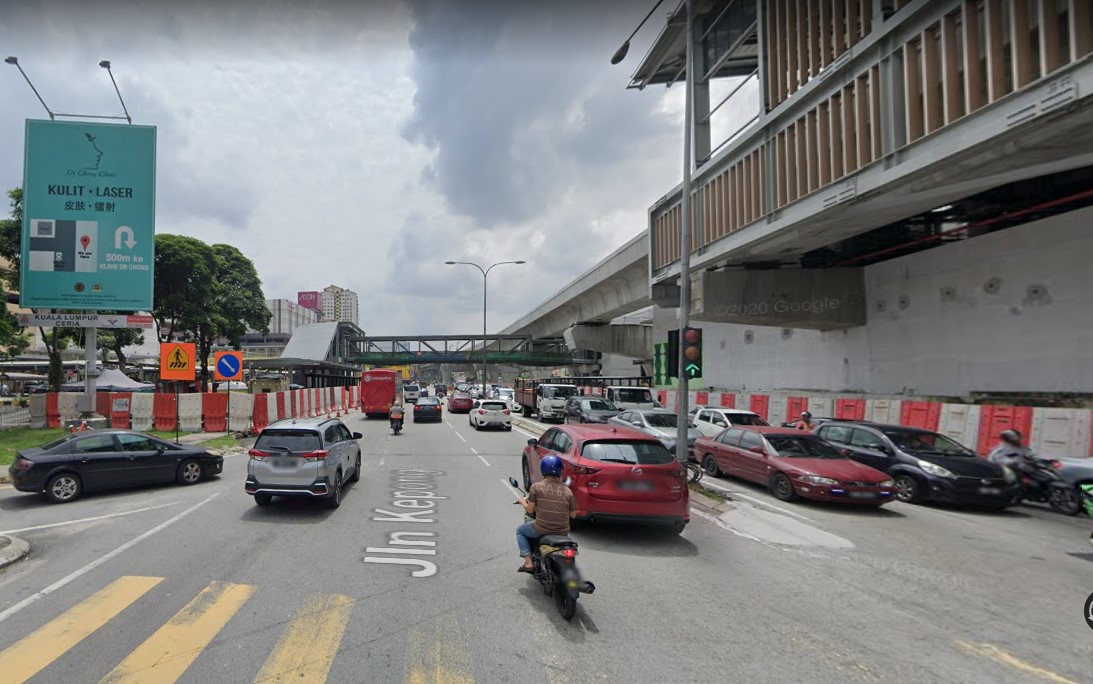
- Jalan Kuching, Jalan Sentul, Jalan Kepong, Jalan Genting Klang — major northern commuter arteries with strong billboard inventory
- Jalan Duta, Jalan Parlimen, Jalan Travers, Jalan Tun Sambanthan — government, civic and KL Sentral catchment
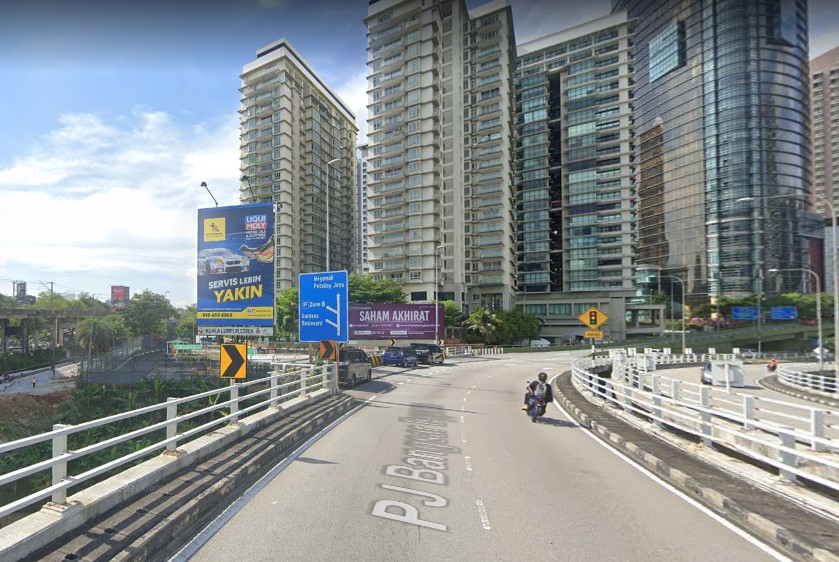
- Jalan Maarof, Jalan Pantai Baharu, Jalan Istana — affluent Bangsar and southwest residential reach
Southern Routes and Highway Inventory
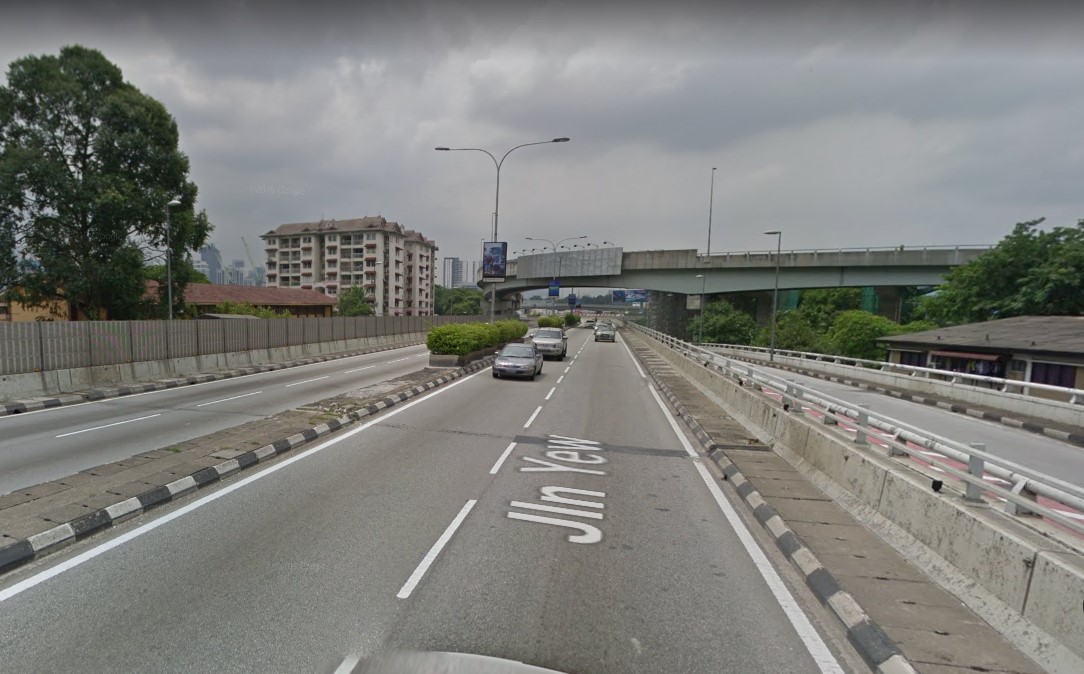
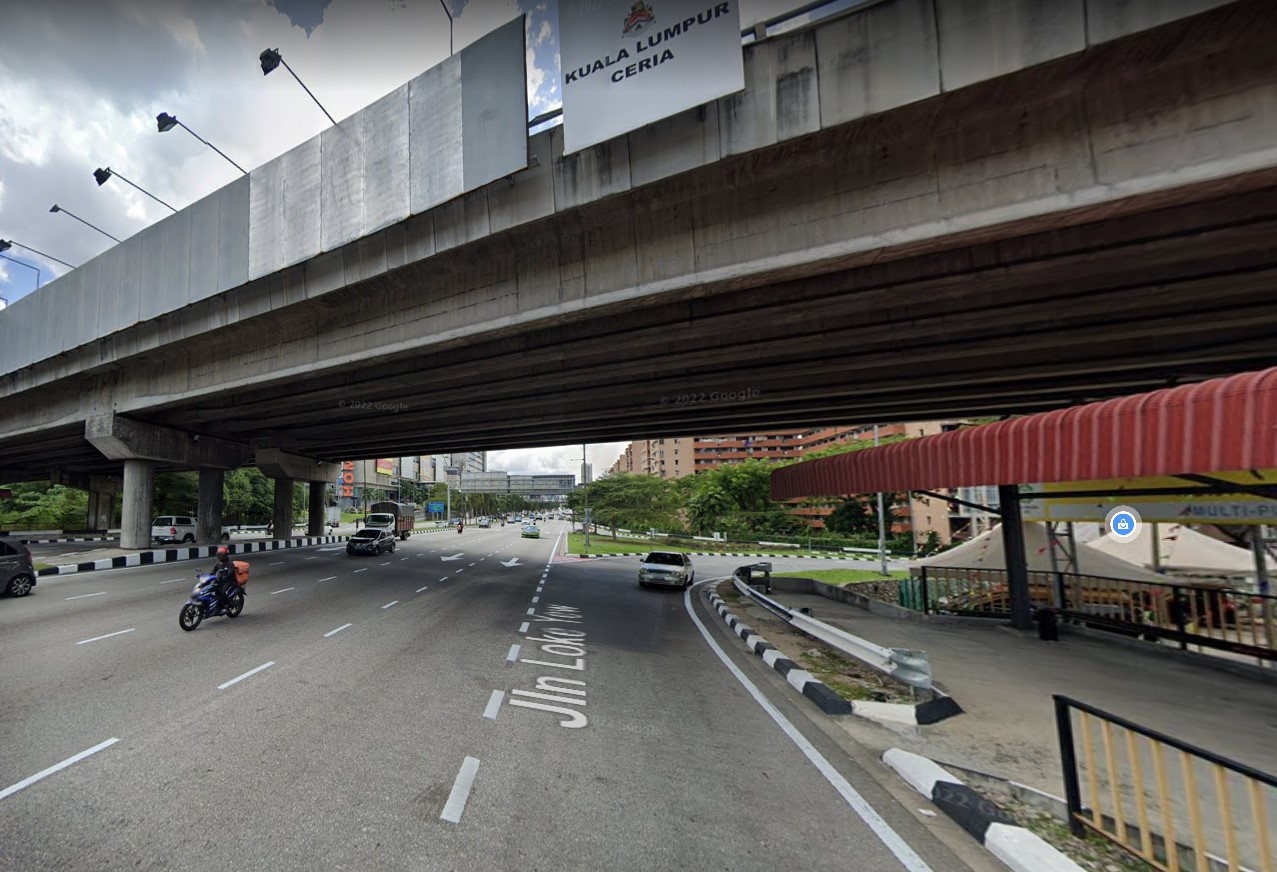
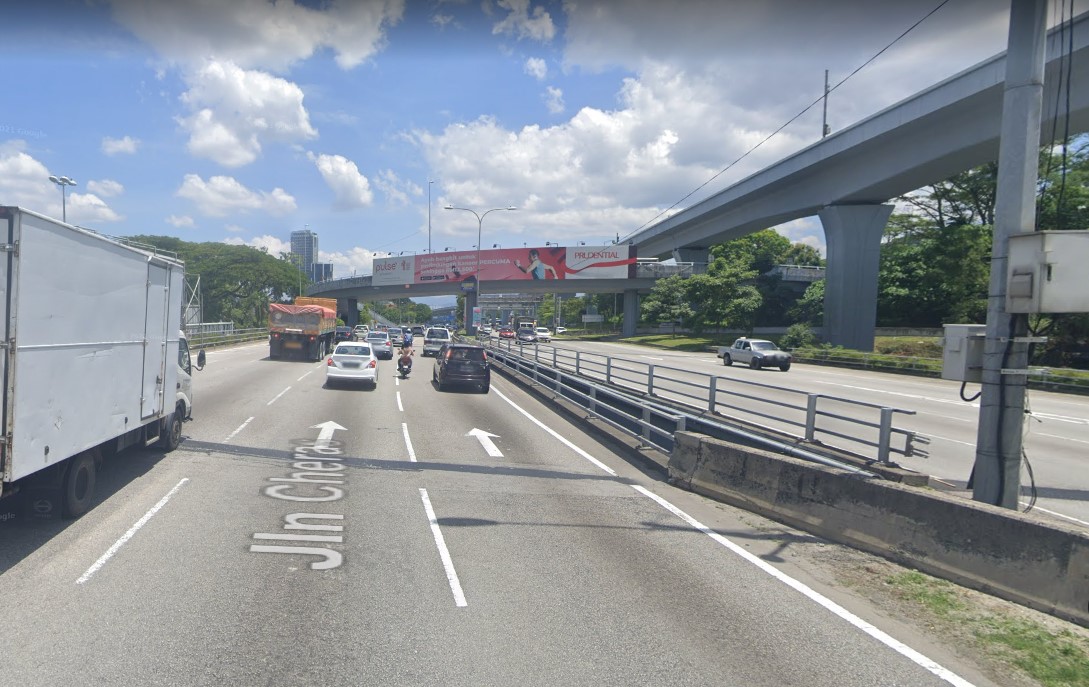
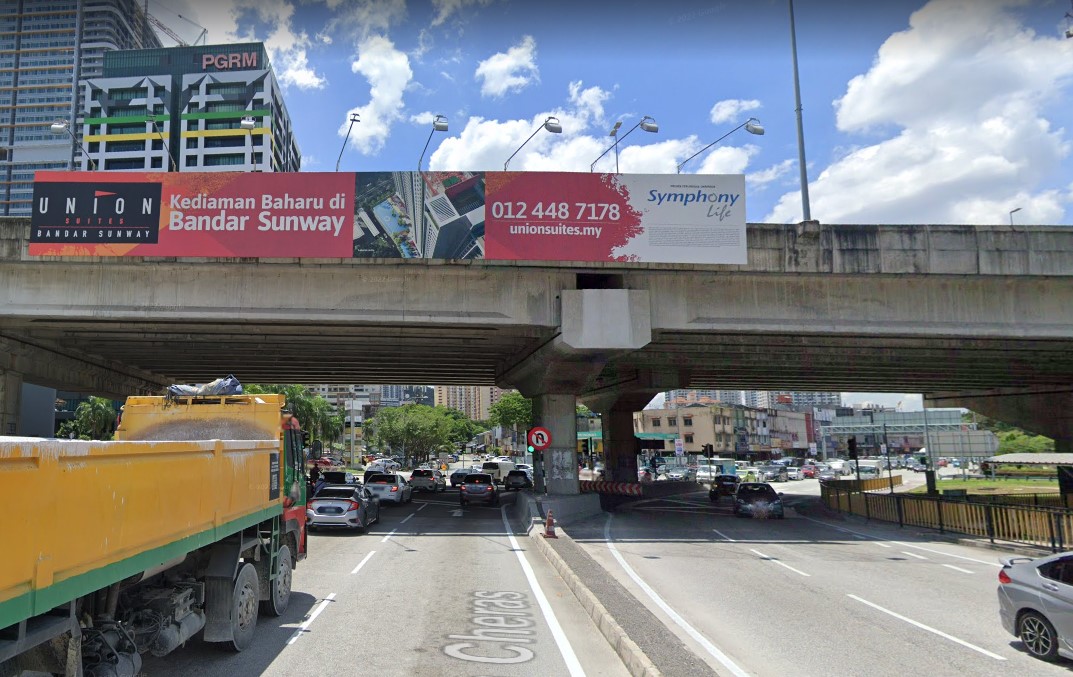
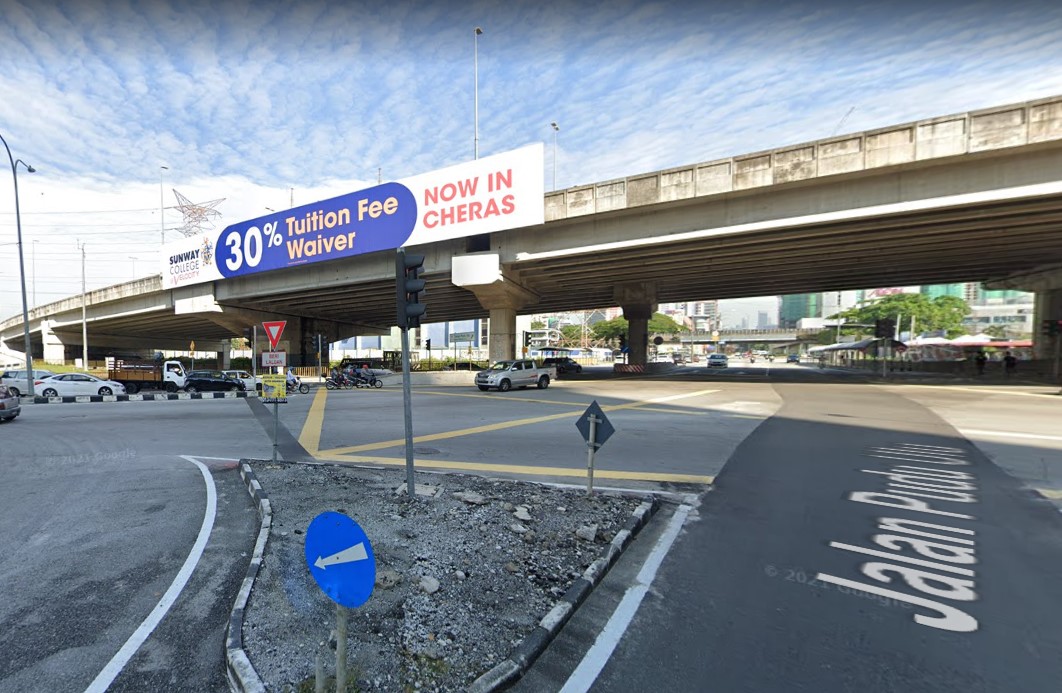
- Jalan Cheras, Jalan Loke Yew, Jalan Sungai Besi, Jalan Syed Putra — dense southern commuter flow
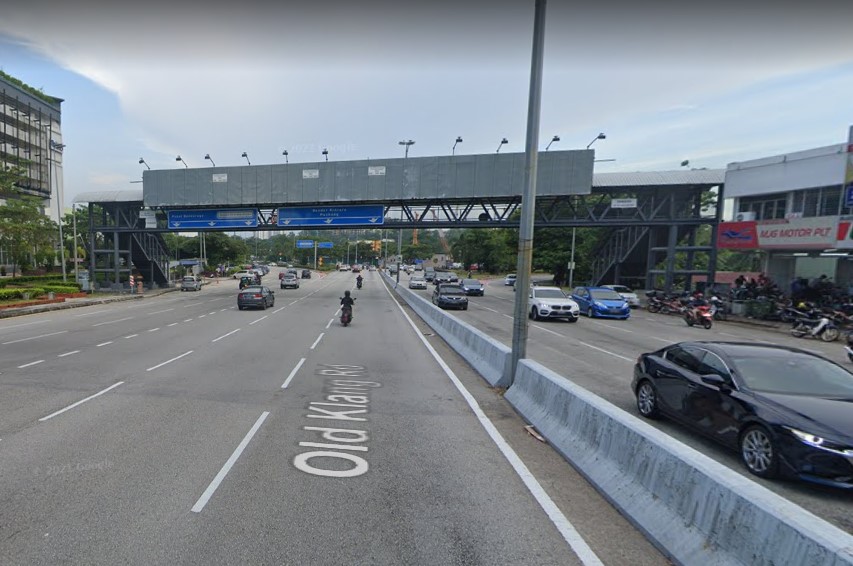
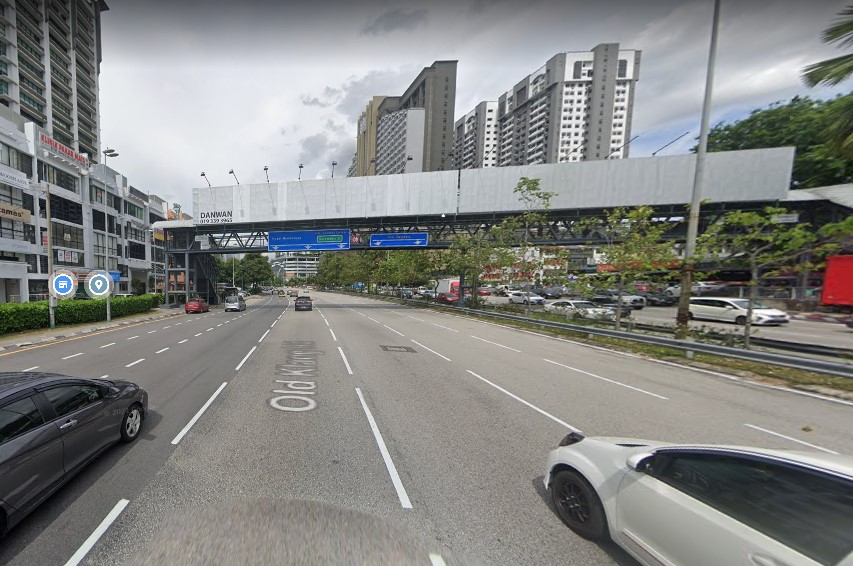
- Jalan Klang Lama (Old Klang Road) — continuous commercial frontage and high daily vehicle count
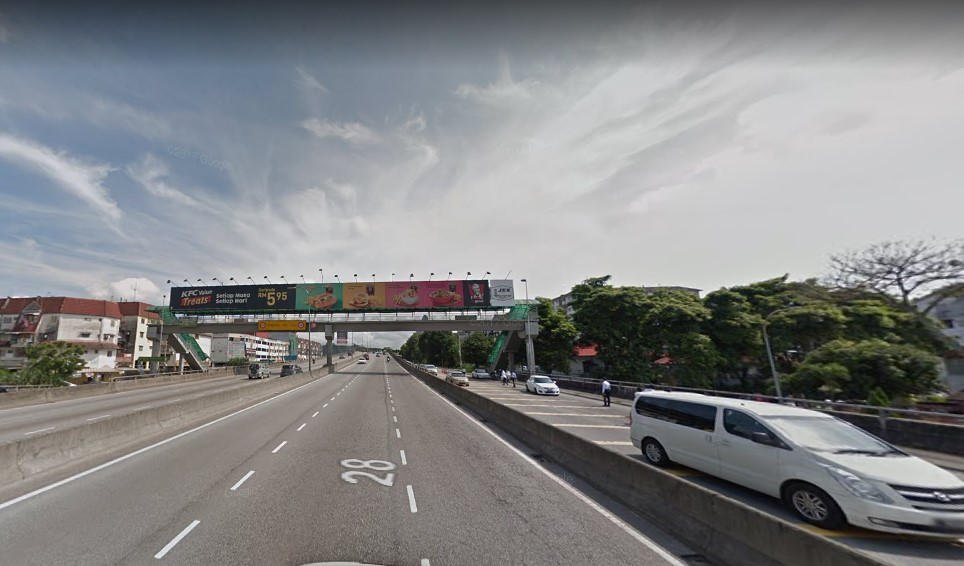
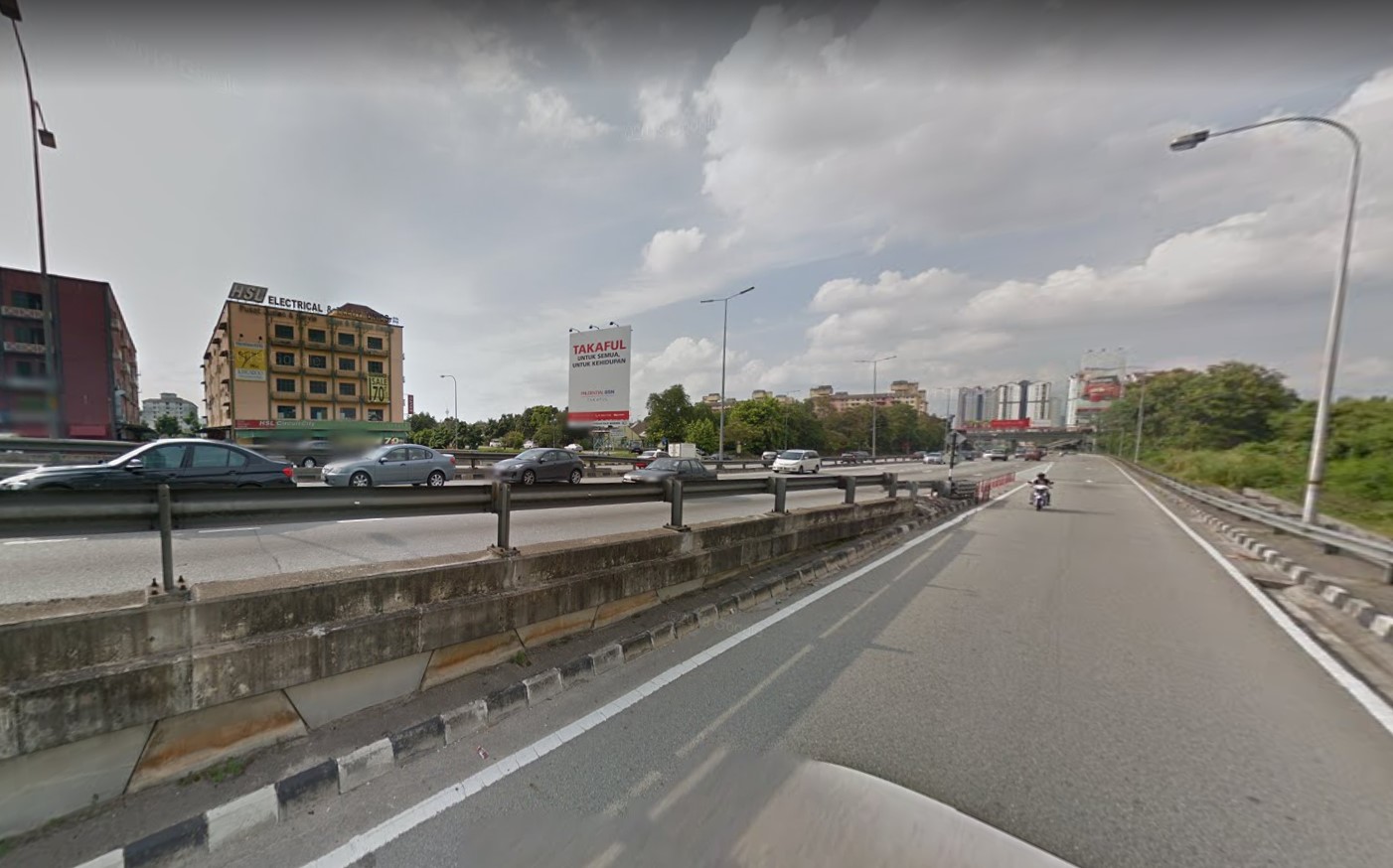
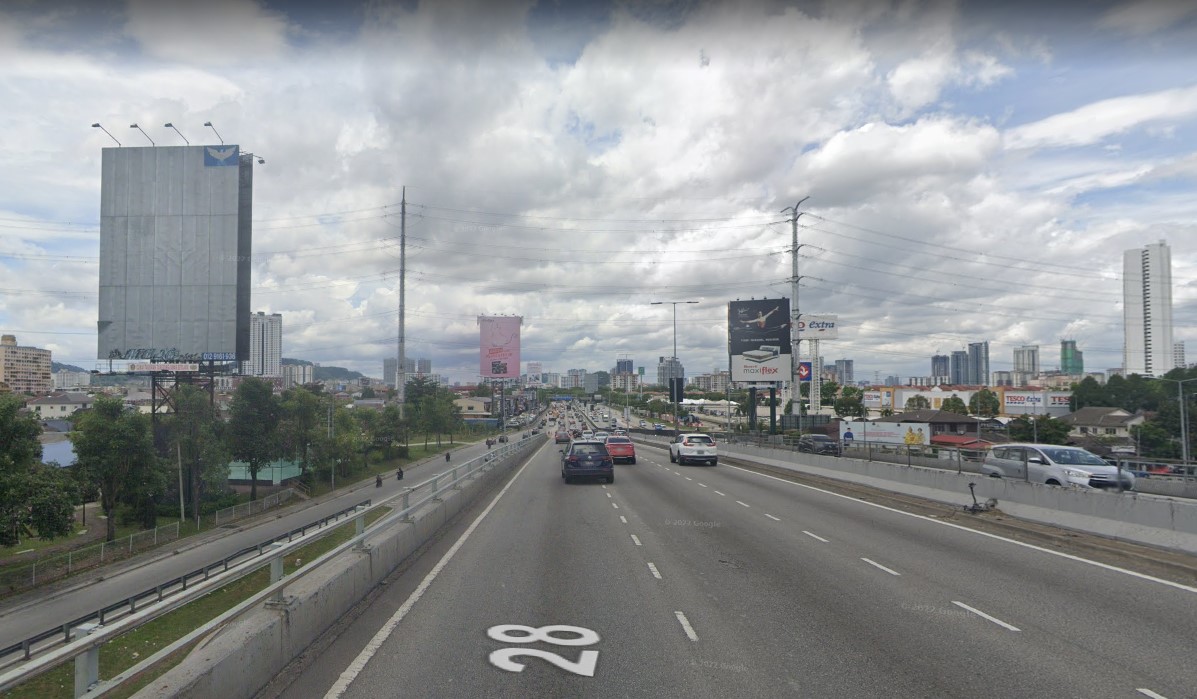
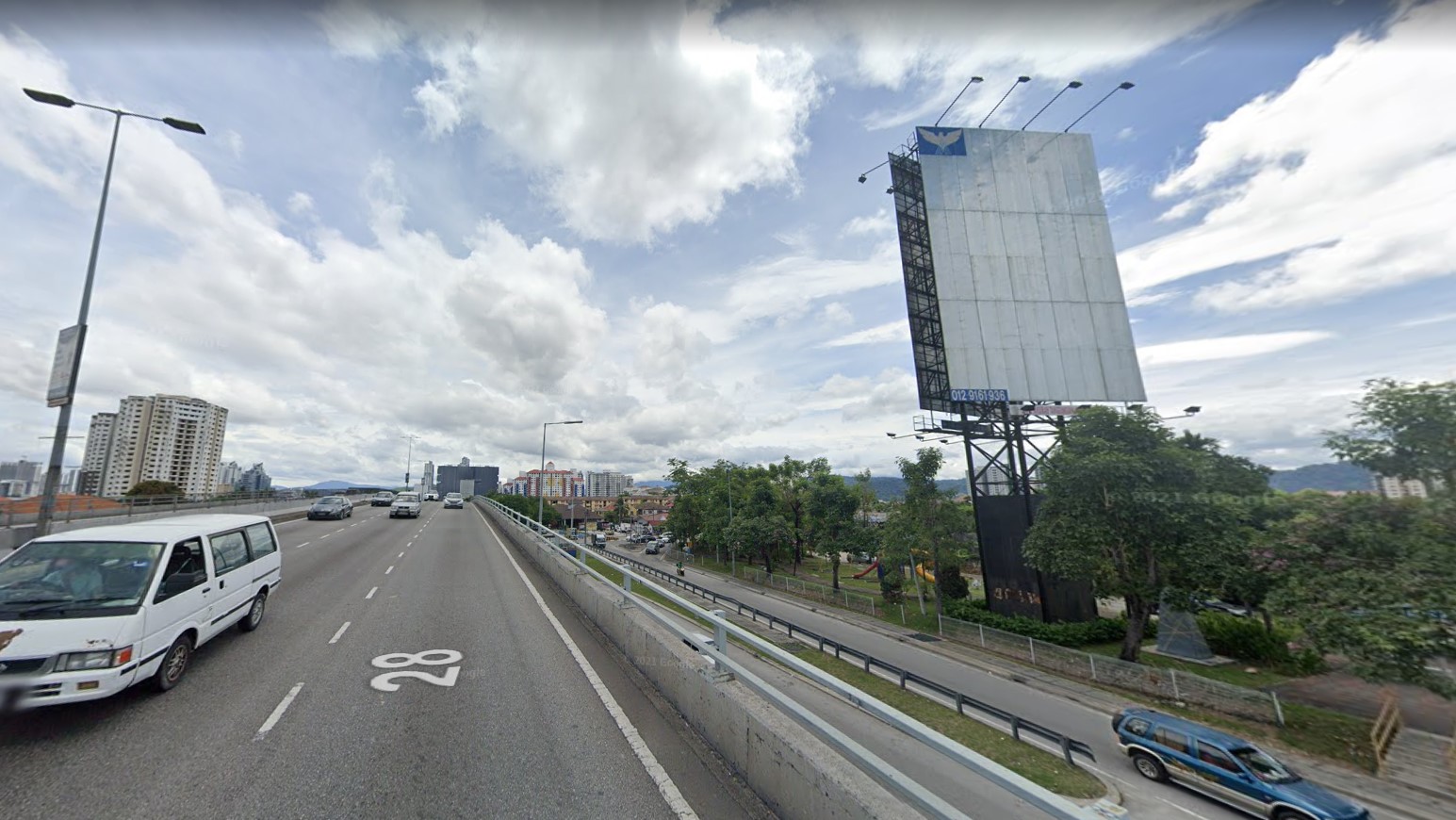
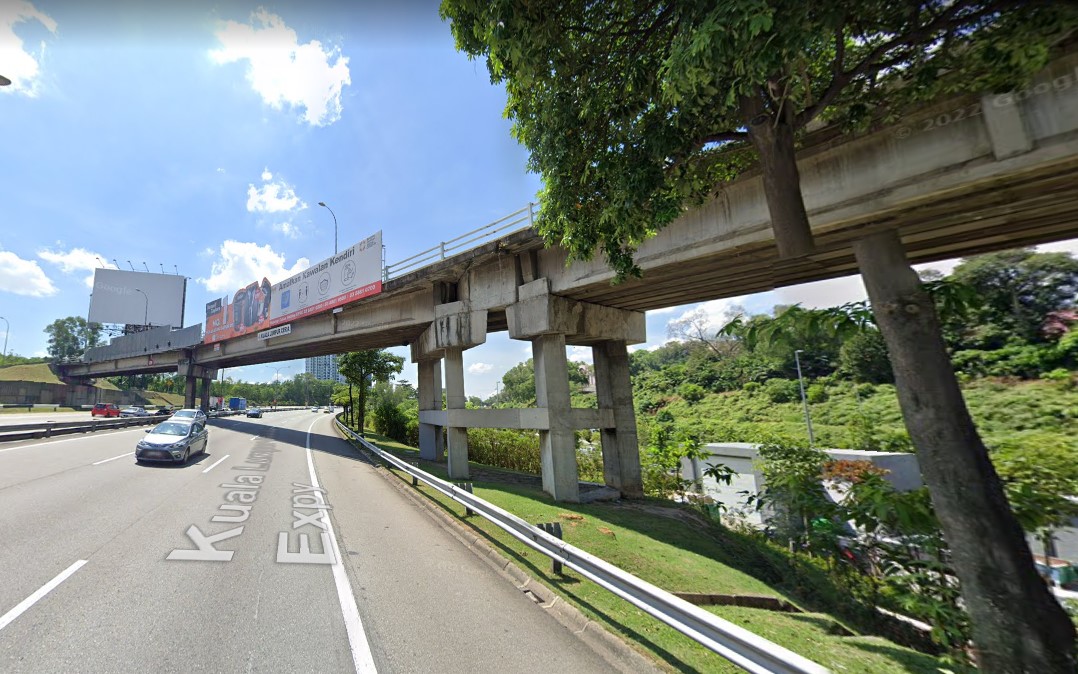
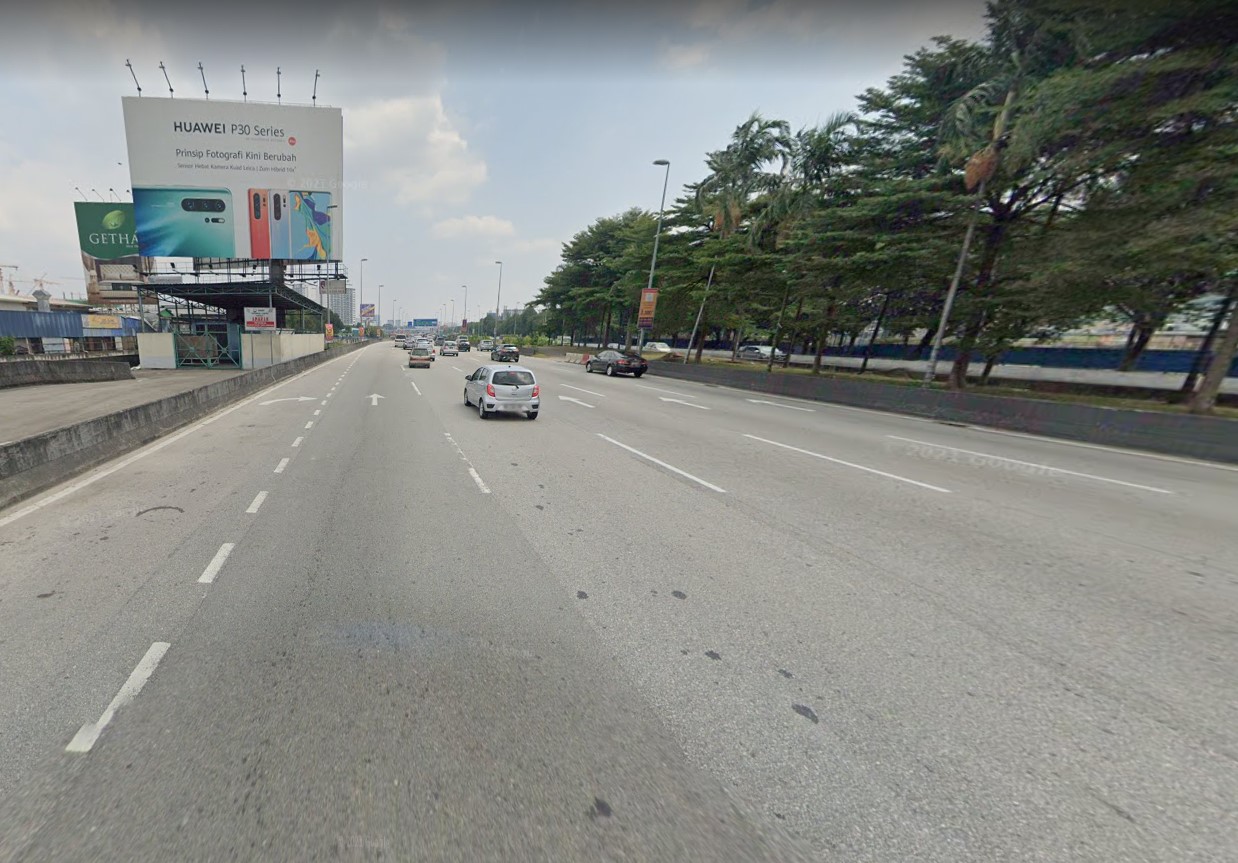
- Federal Highway (partial) — the highest-volume corridor linking KL to Petaling Jaya, Shah Alam and Klang
- MRR2 (Middle Ring Road 2) — ring-road coverage across Cheras, Ampang, Setapak and Kepong
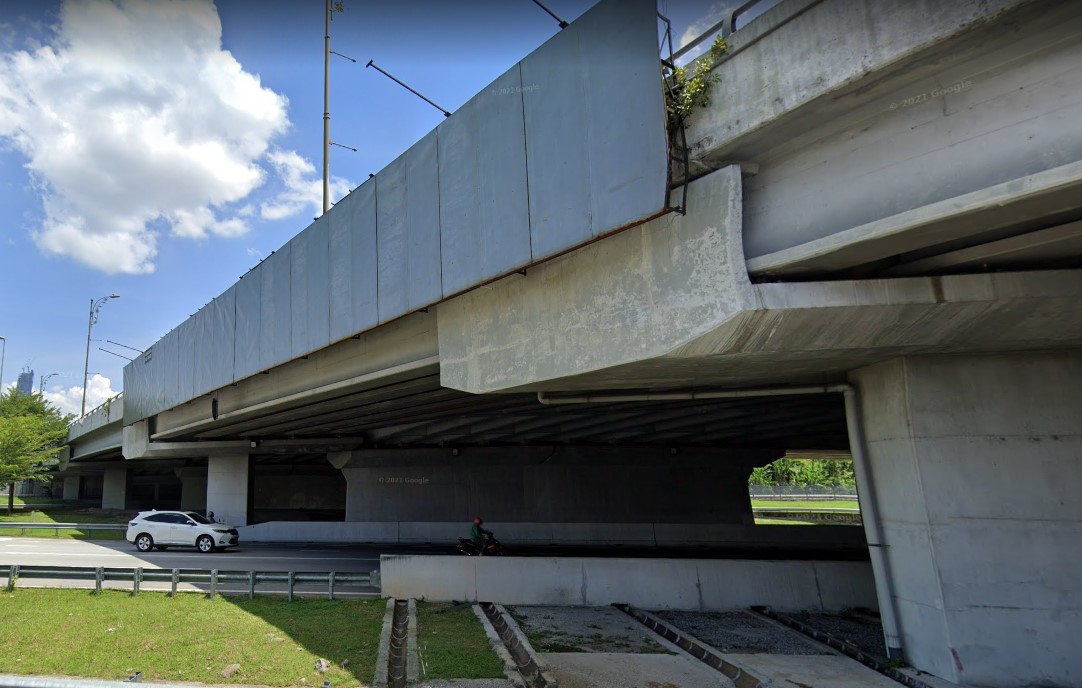
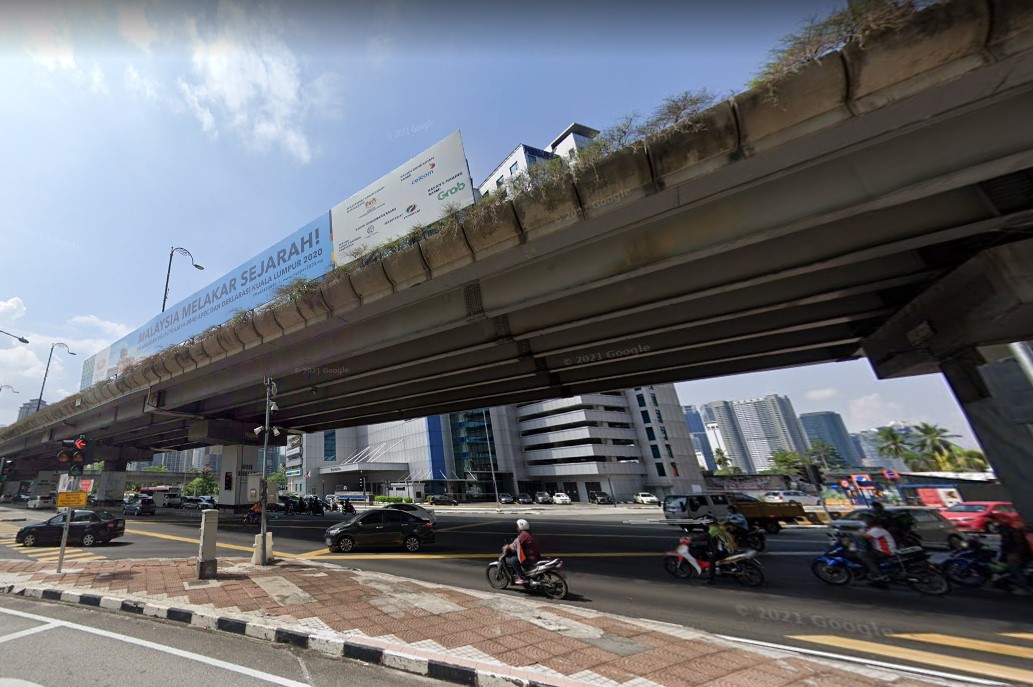
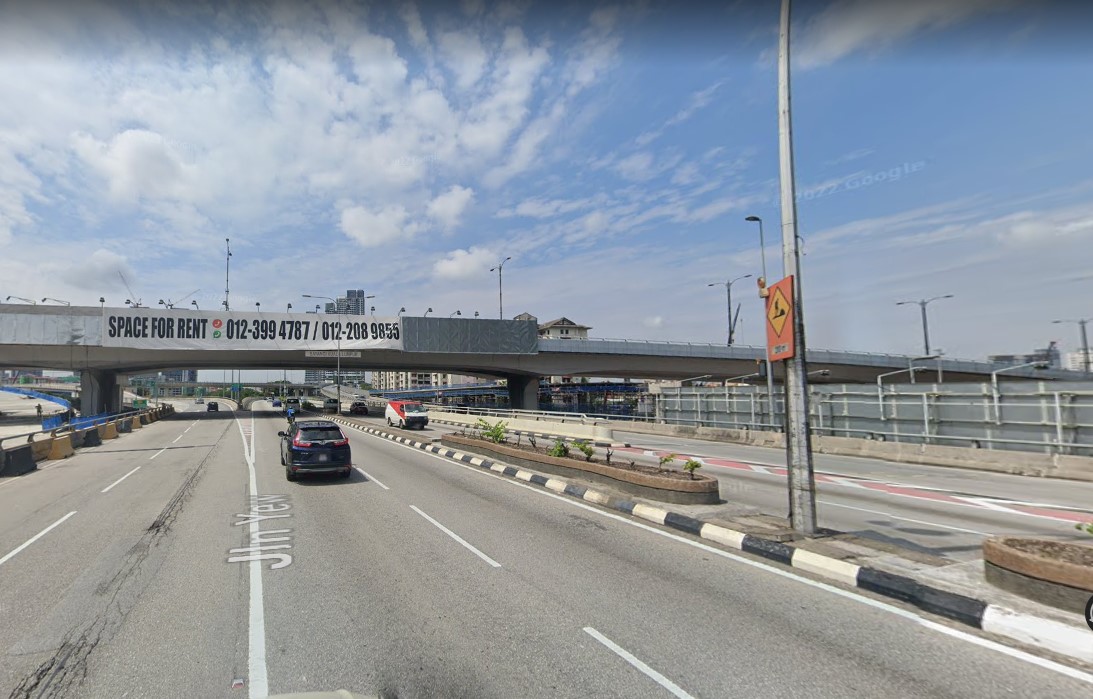
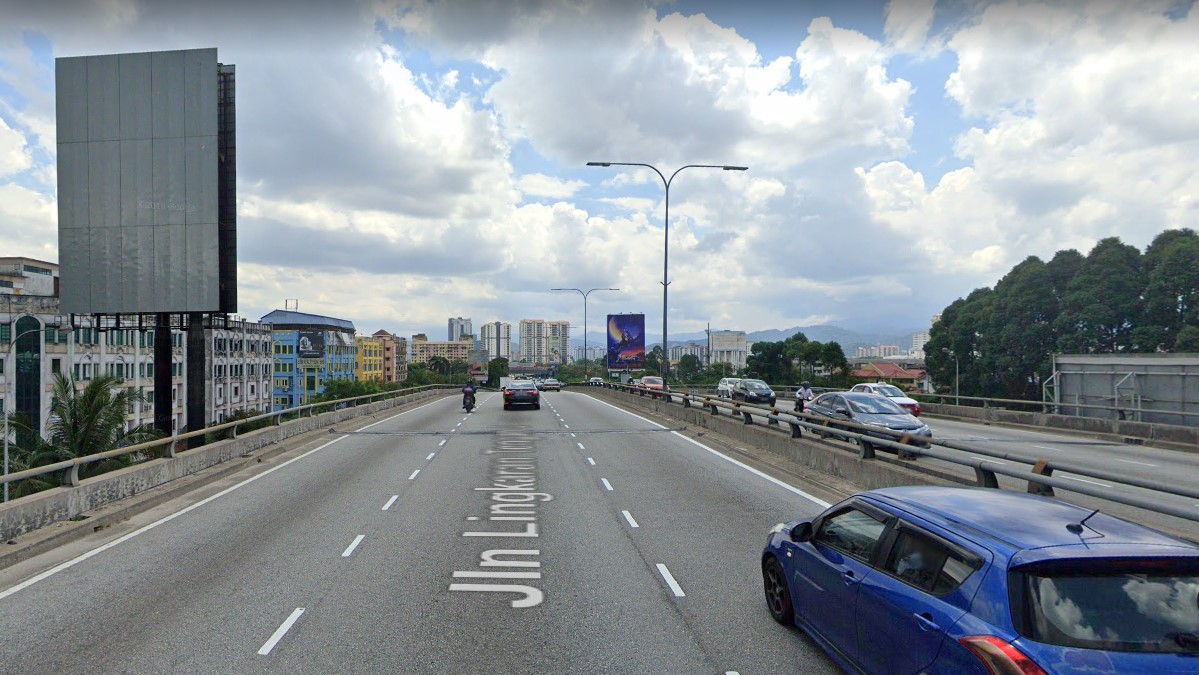
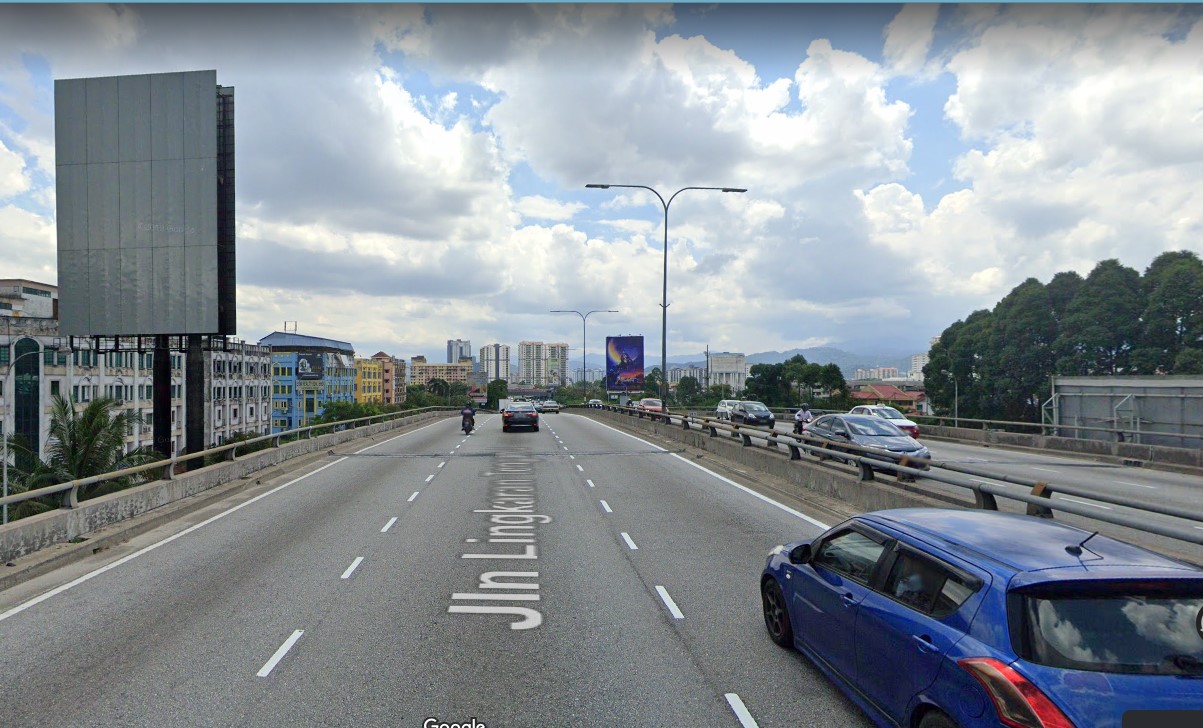
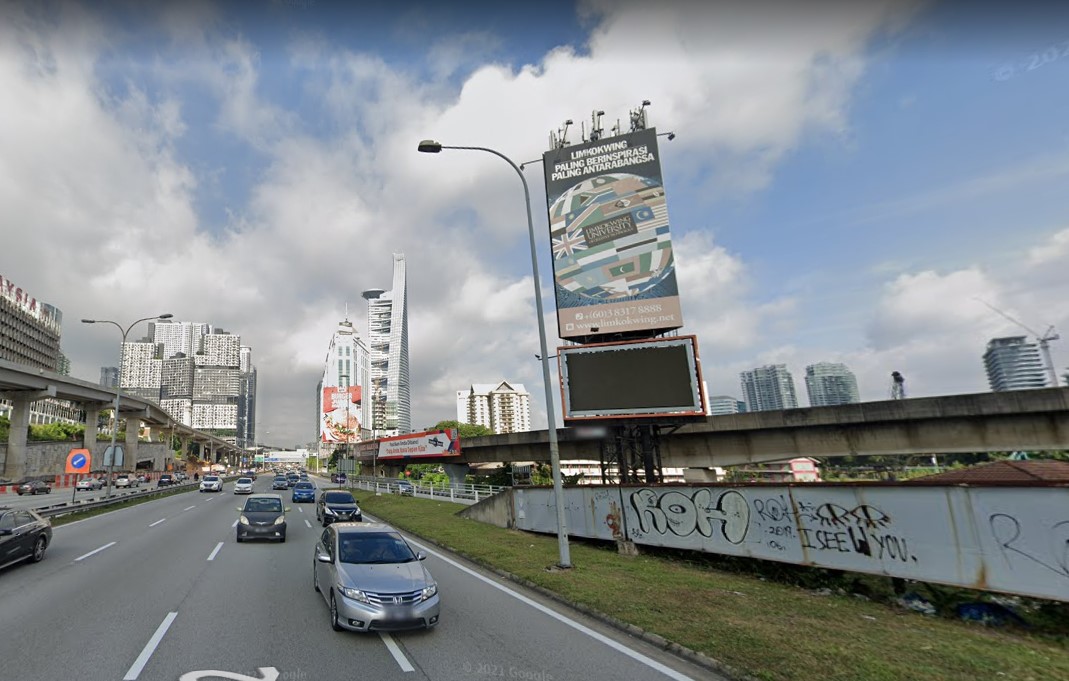
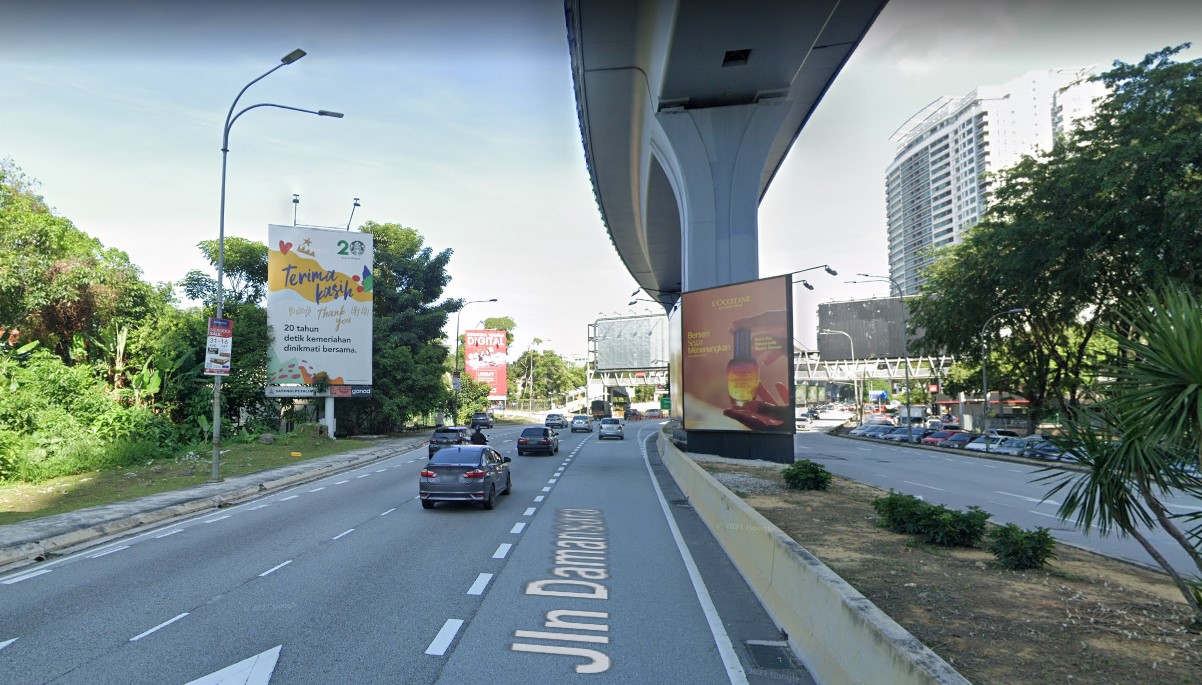
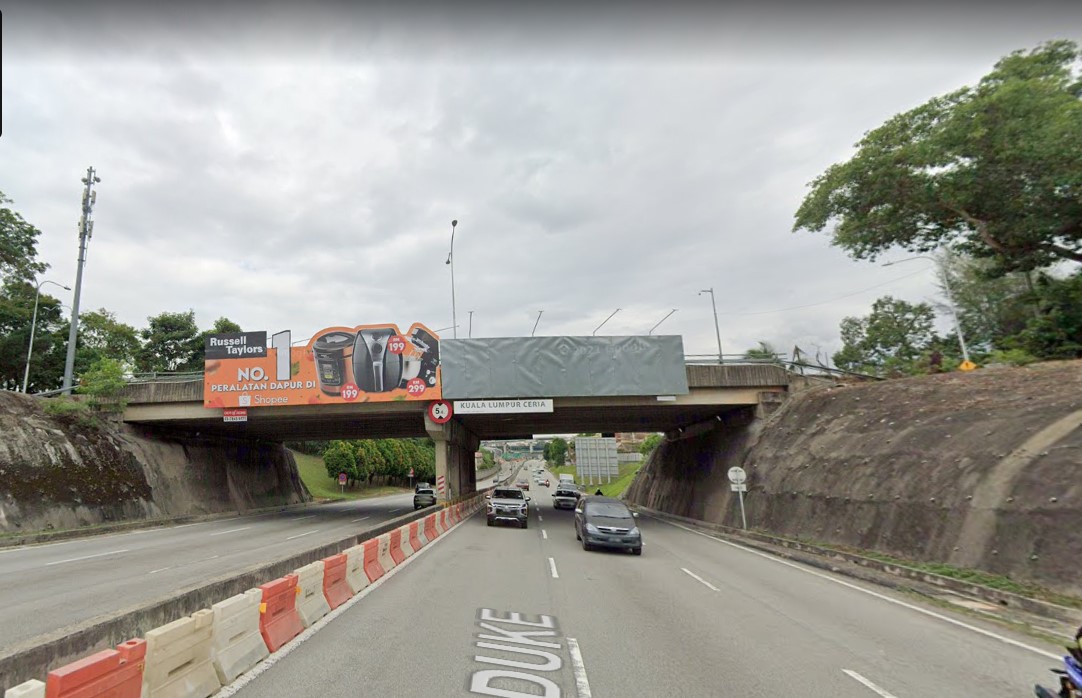
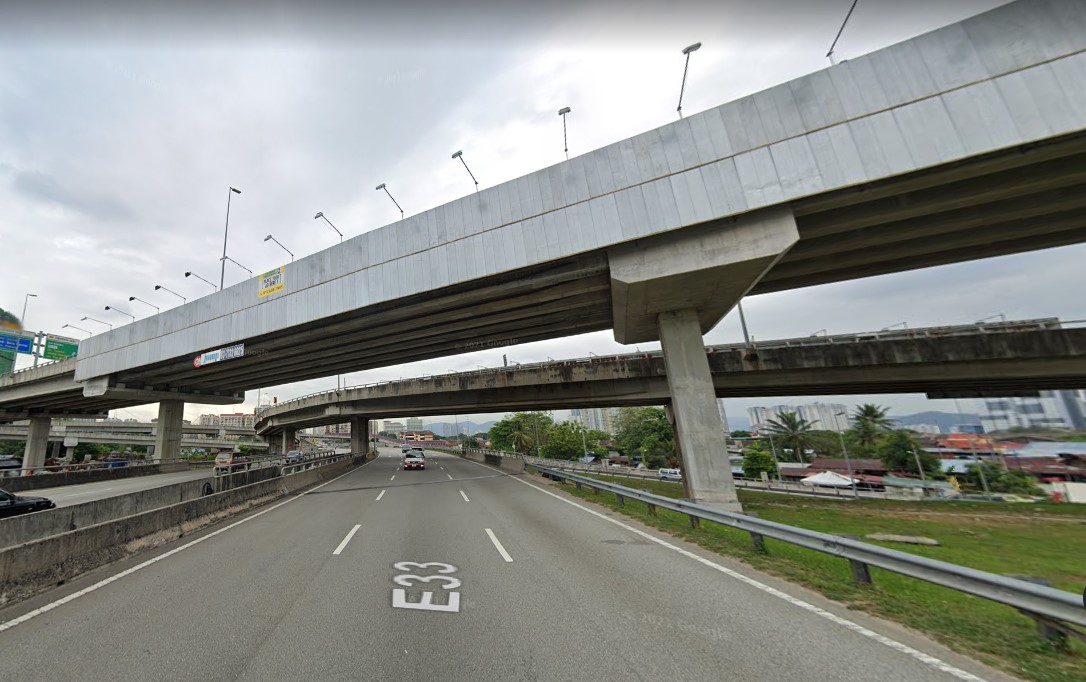
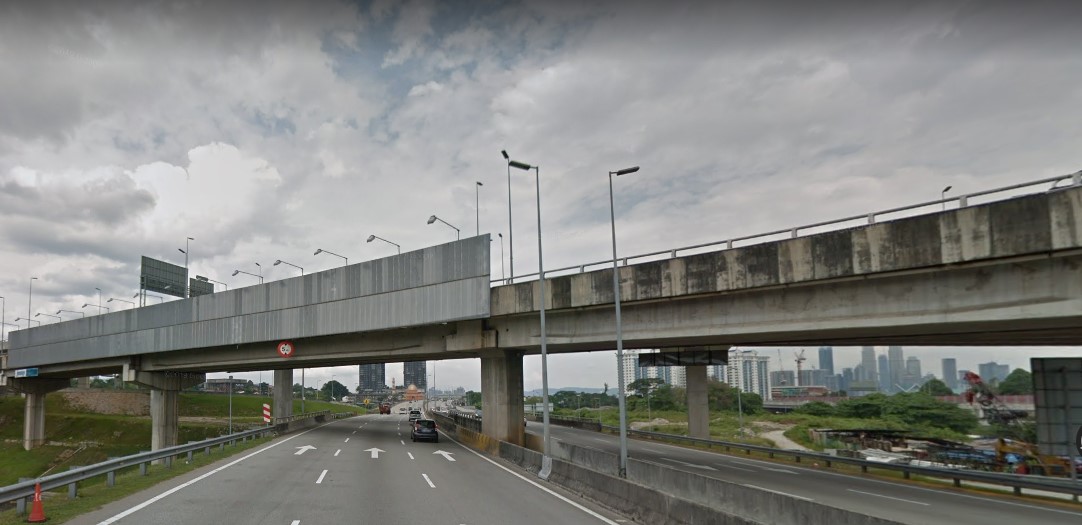
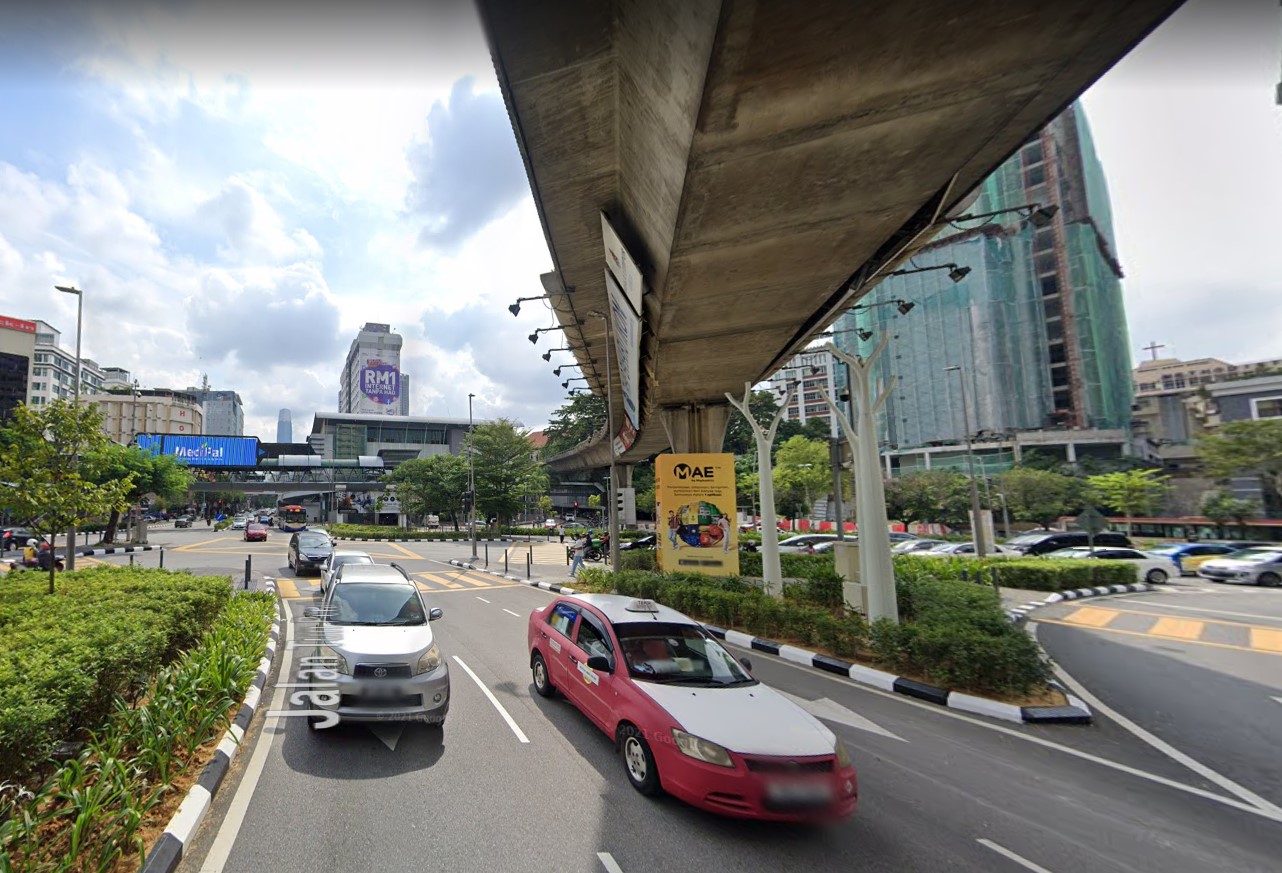
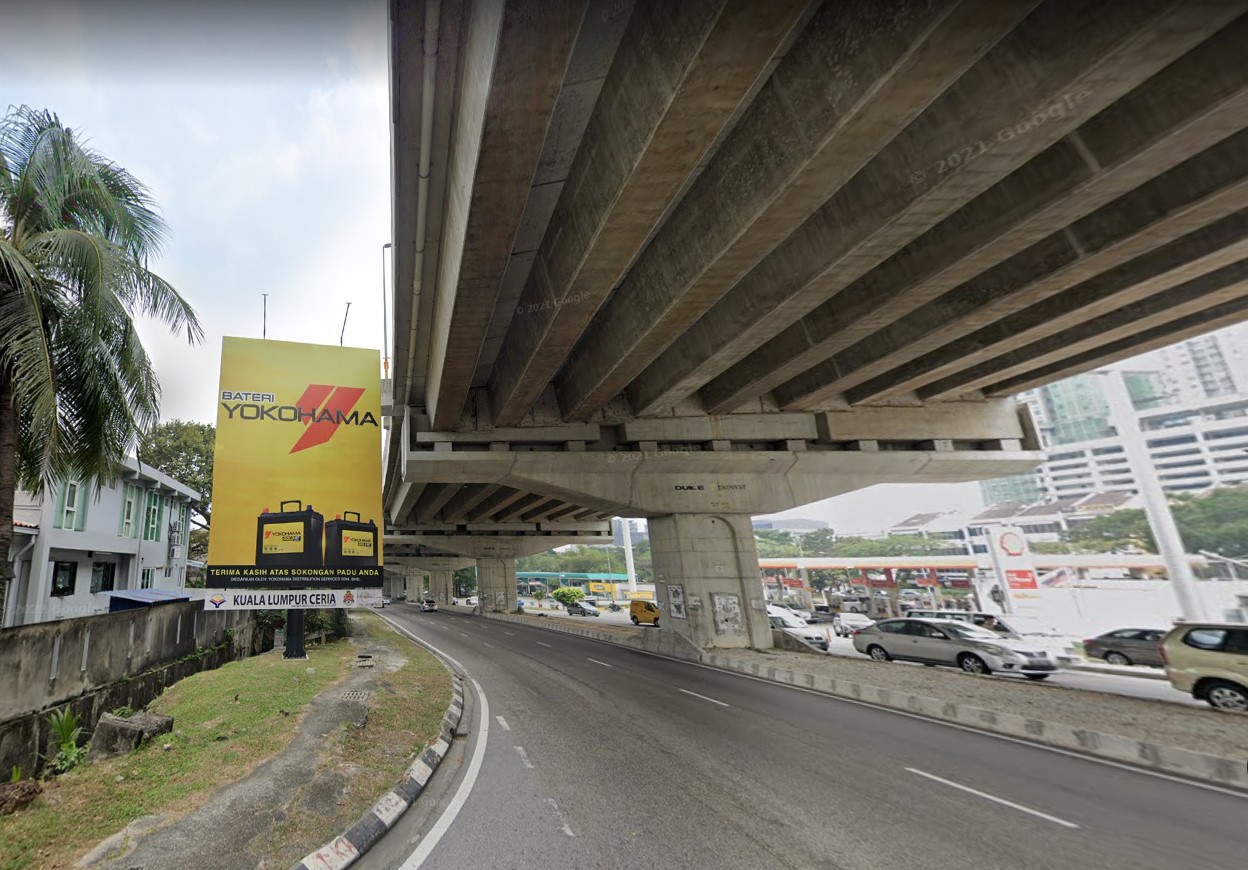
- DUKE Expressway — elevated inventory with long unobstructed sightlines and premium spectacular sites
Format Availability Across the Federal Territory
Format selection should follow the corridor. Highway and ring-road sites reward scale and simplicity, while inner-city inventory rewards frequency and creative flexibility.
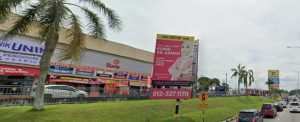
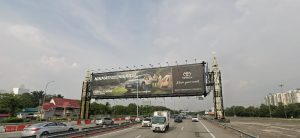
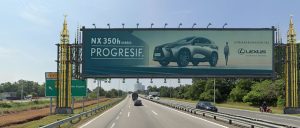
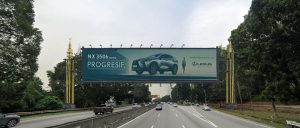
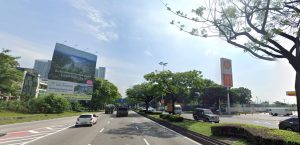
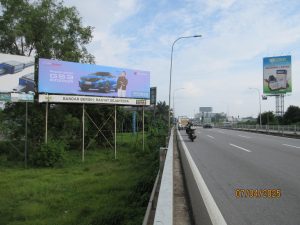
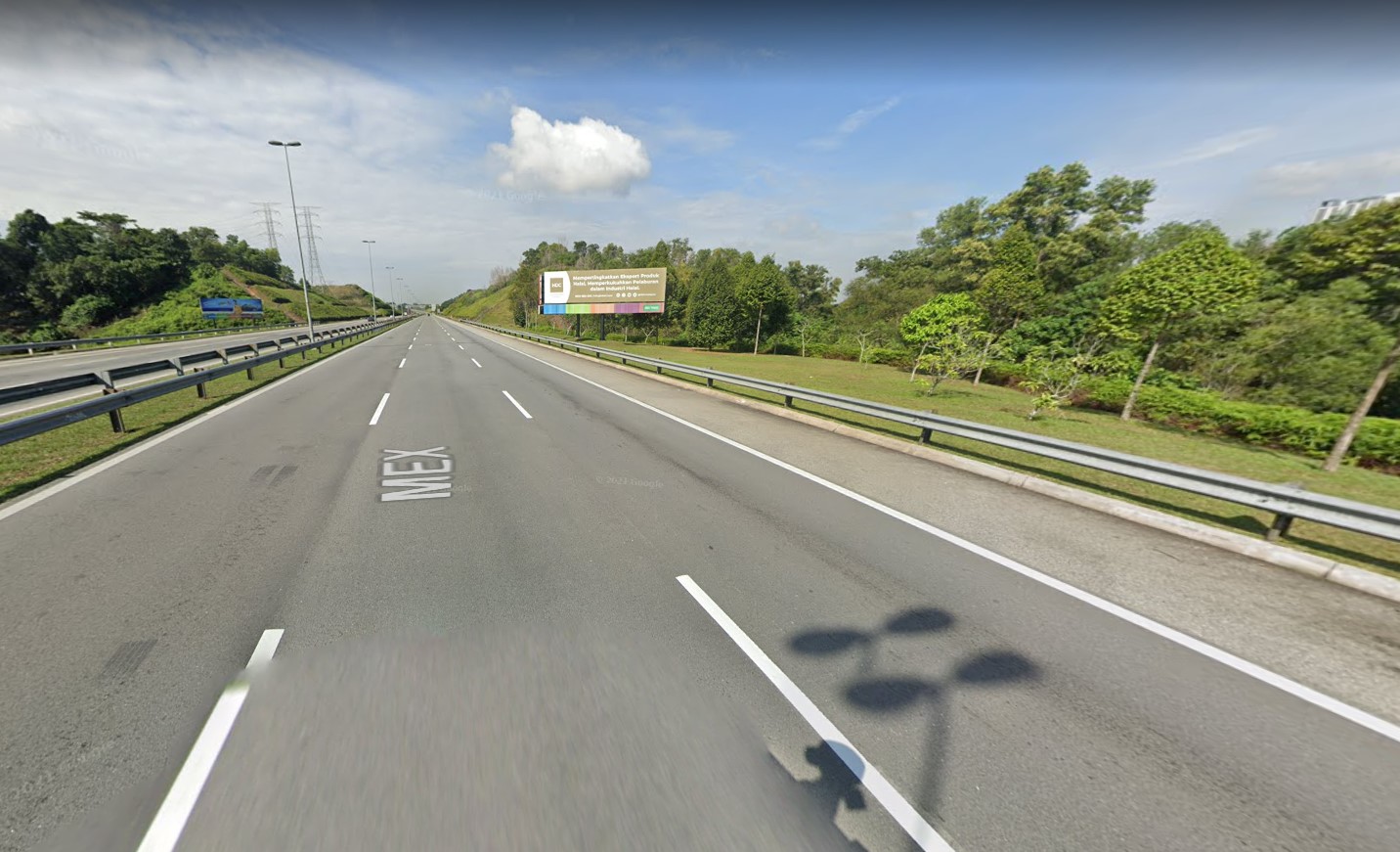
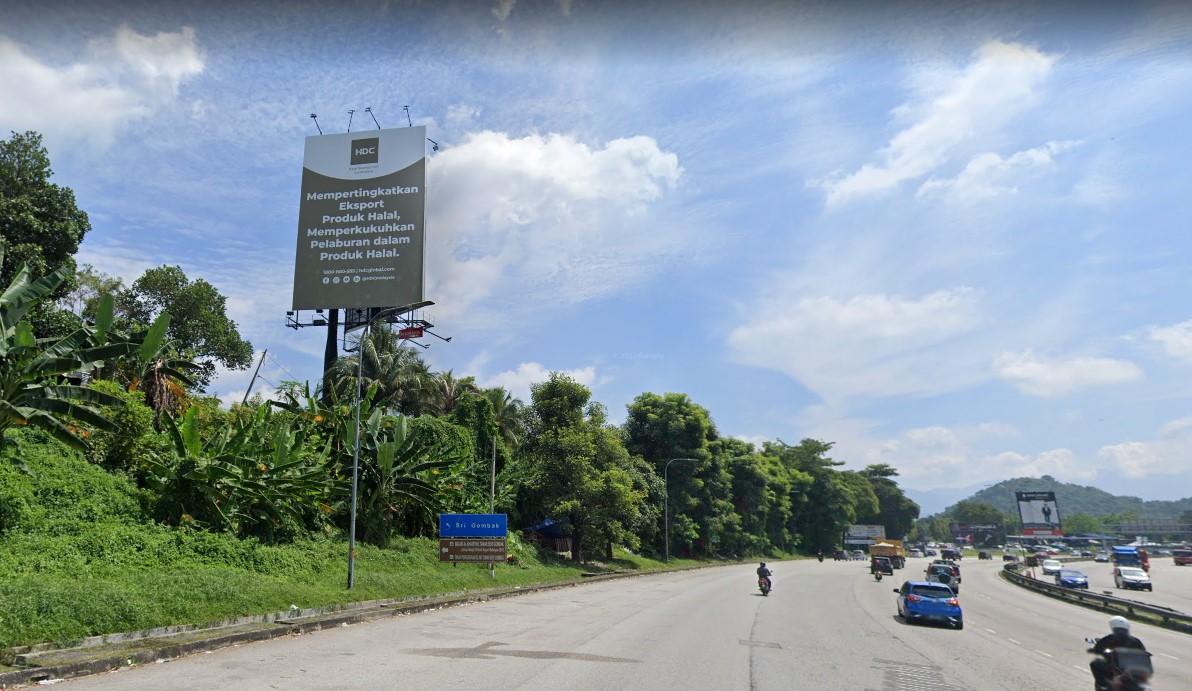
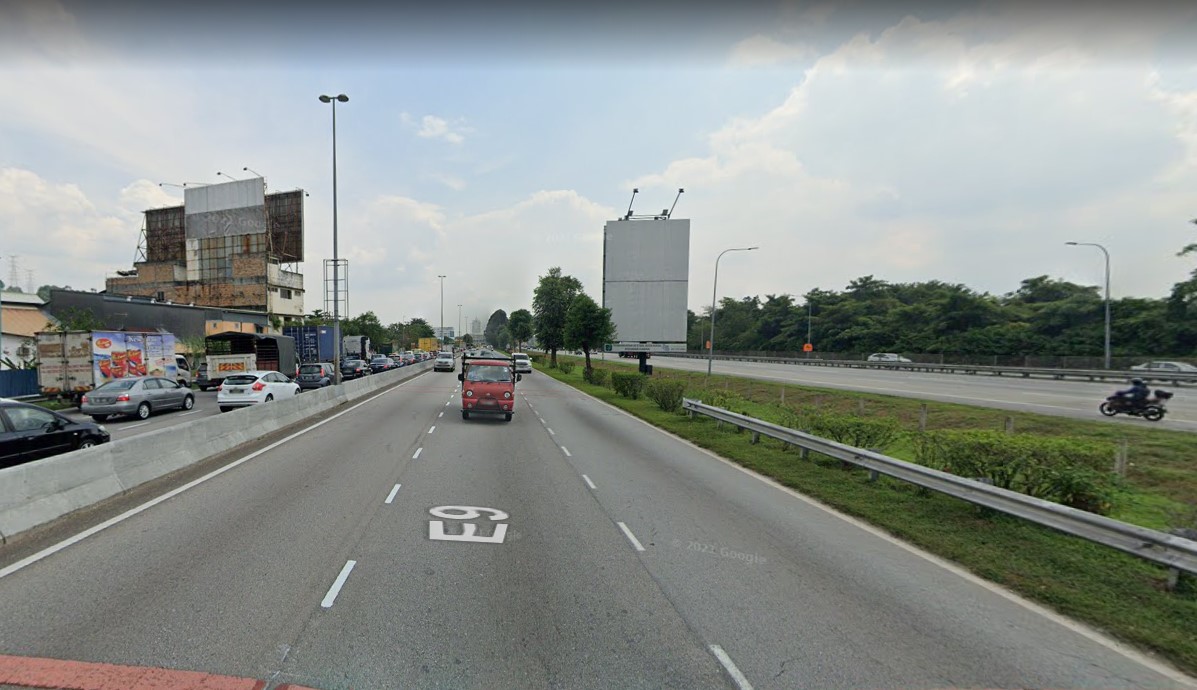
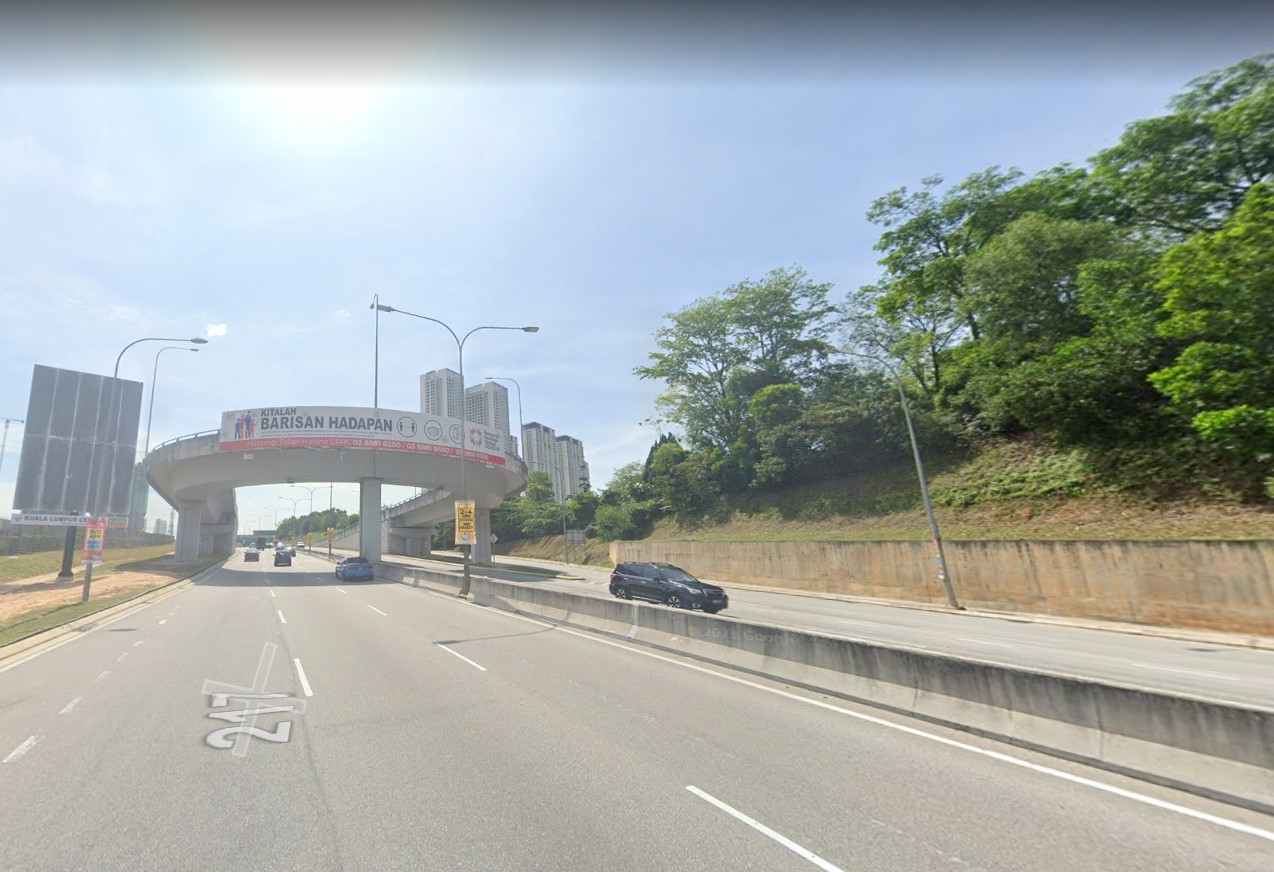
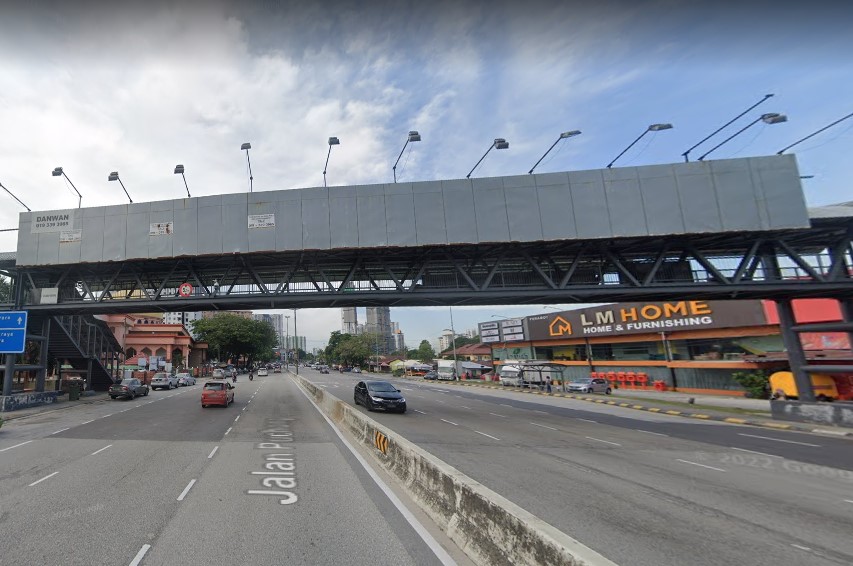
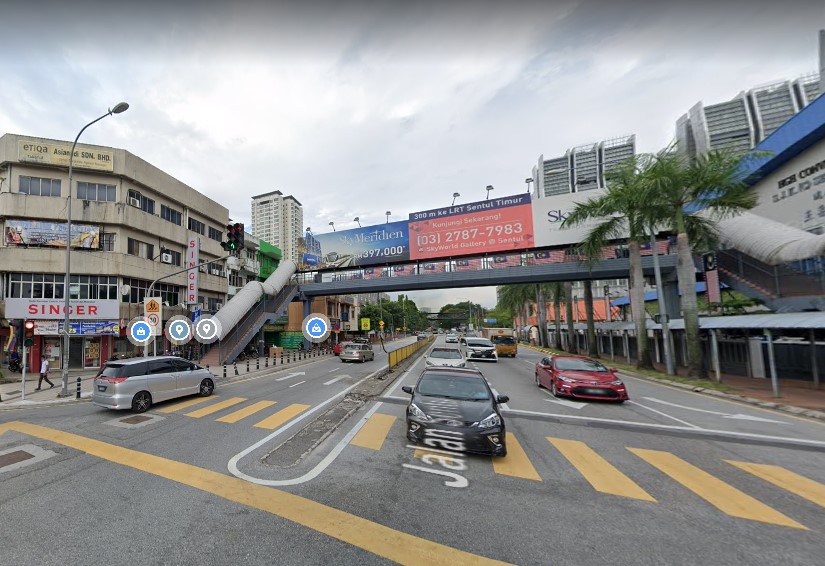
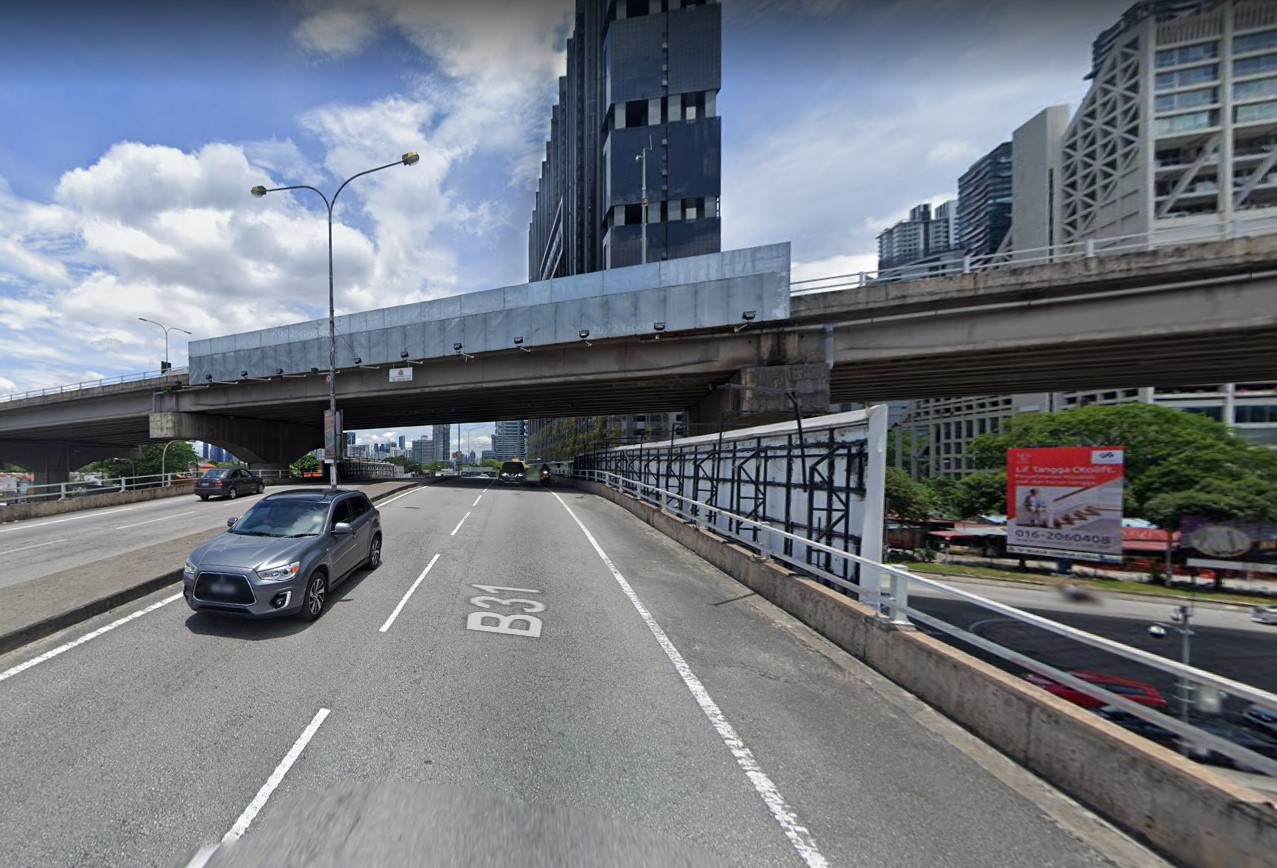
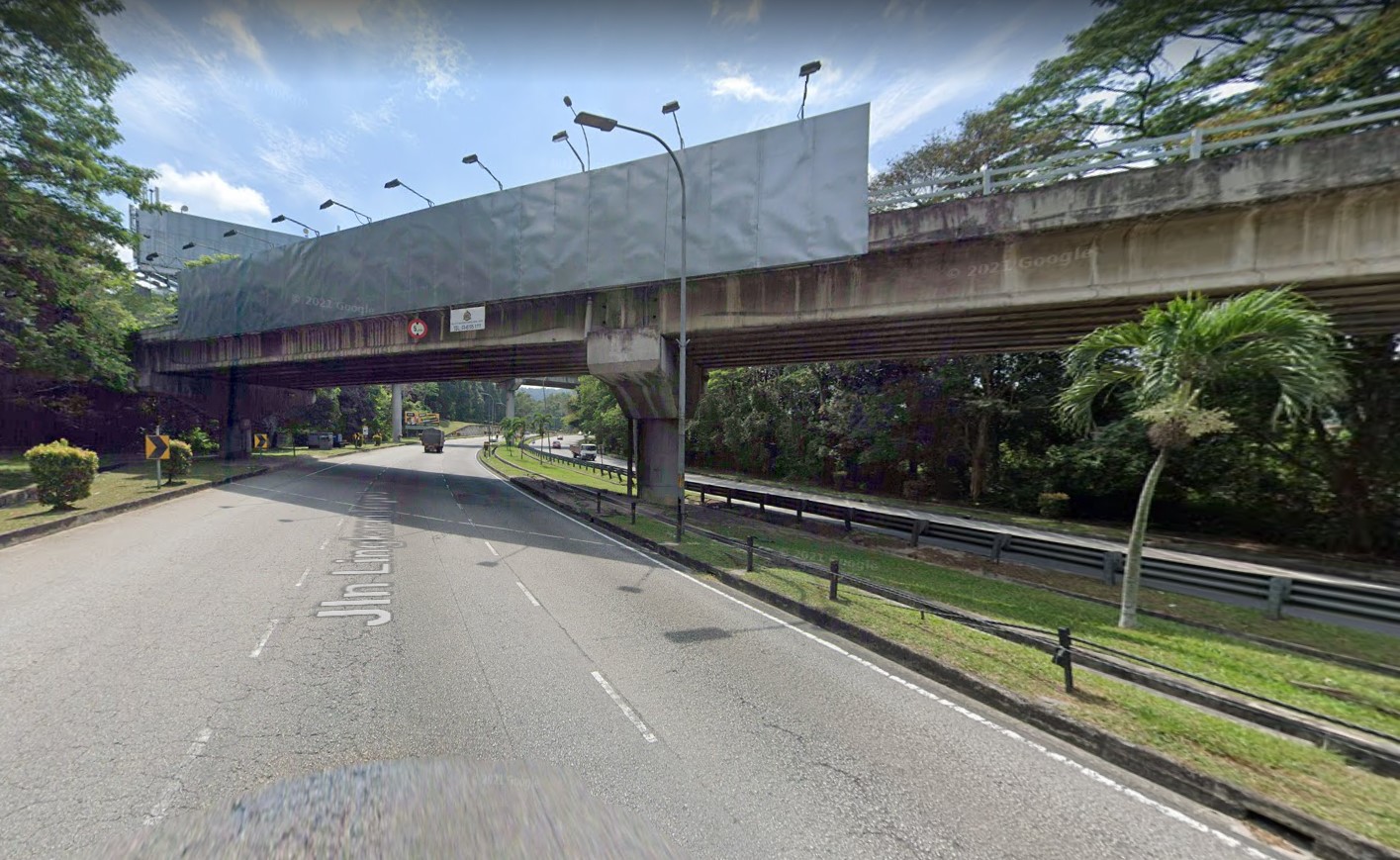
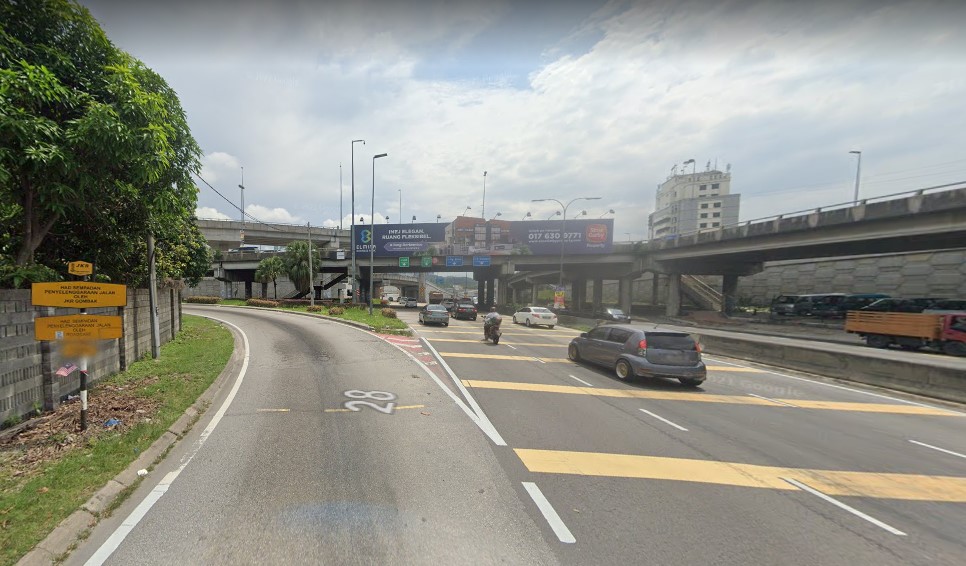
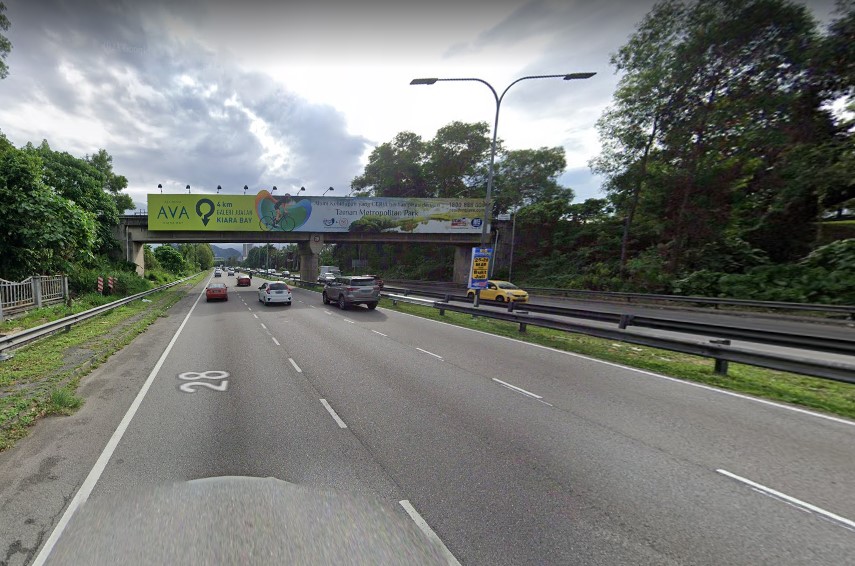
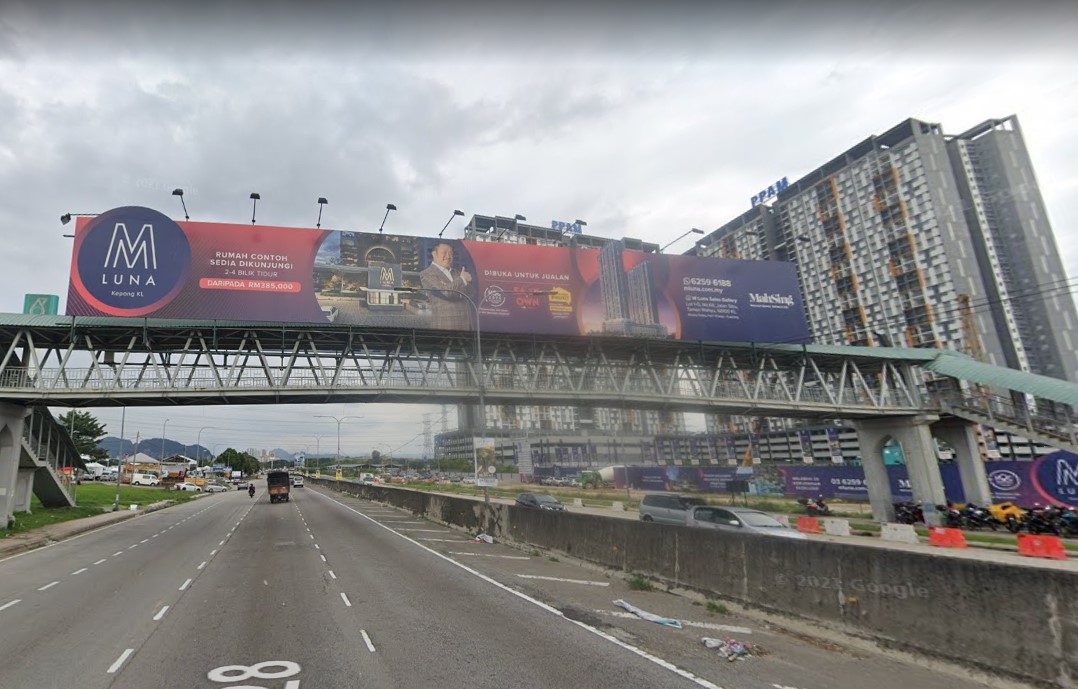
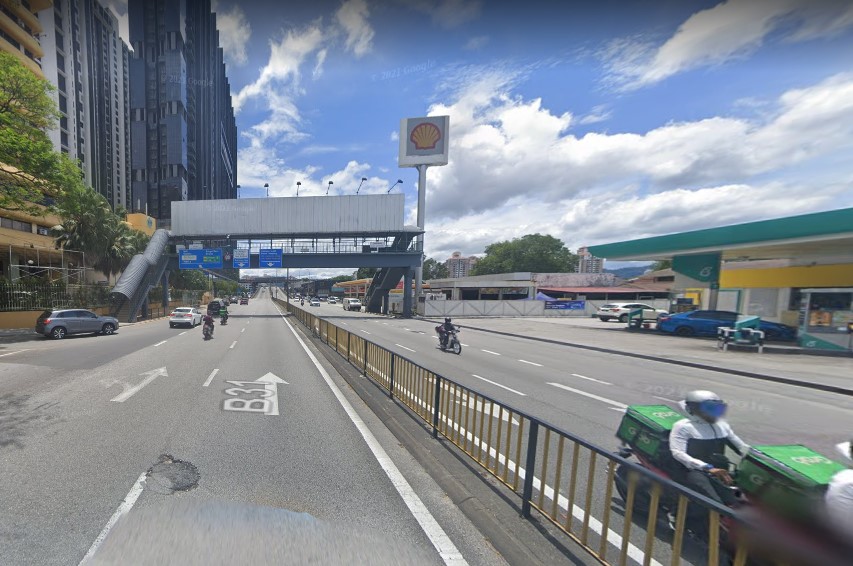
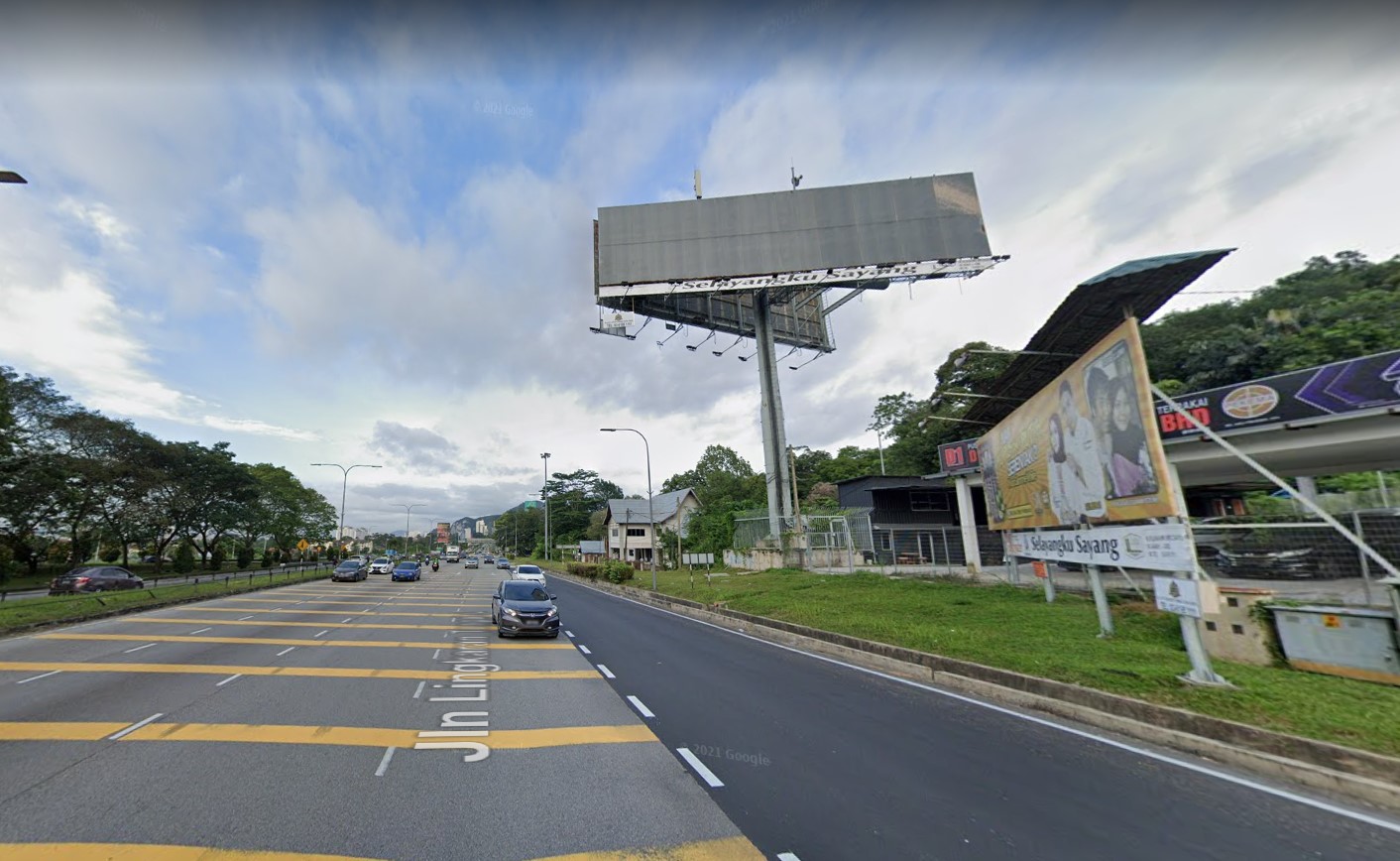
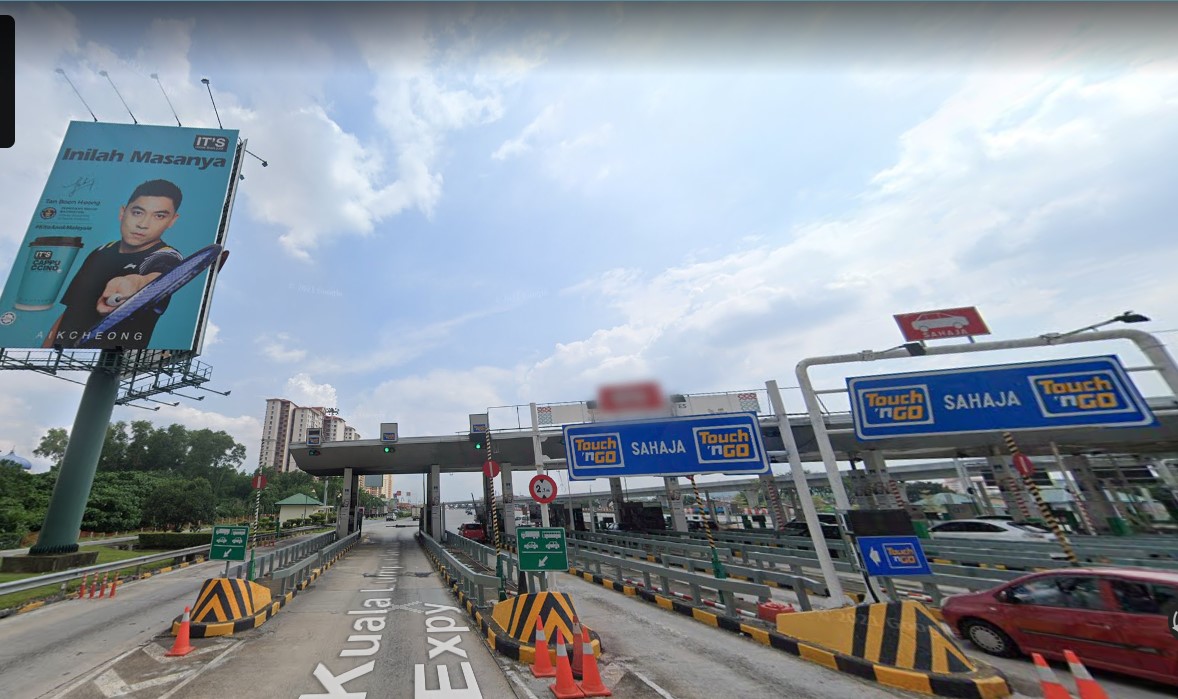
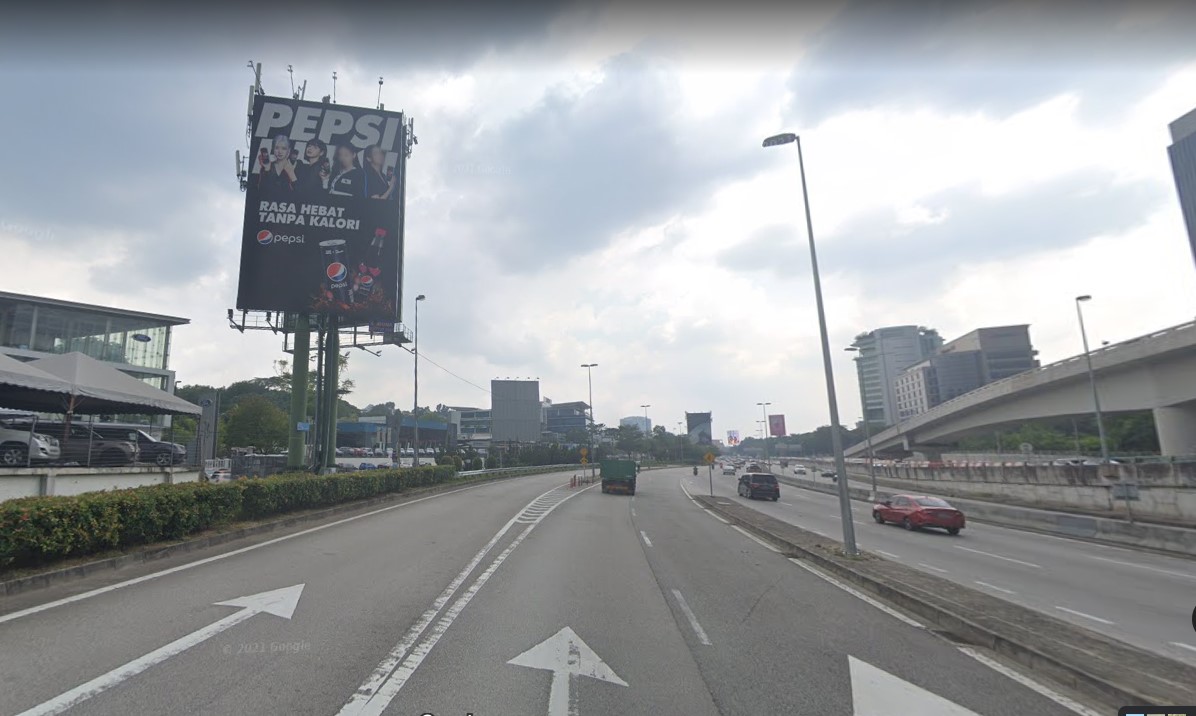
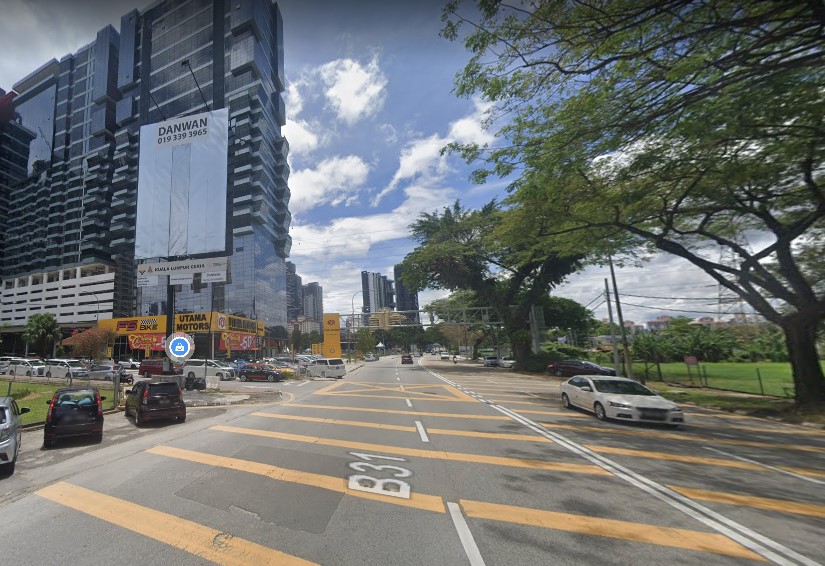
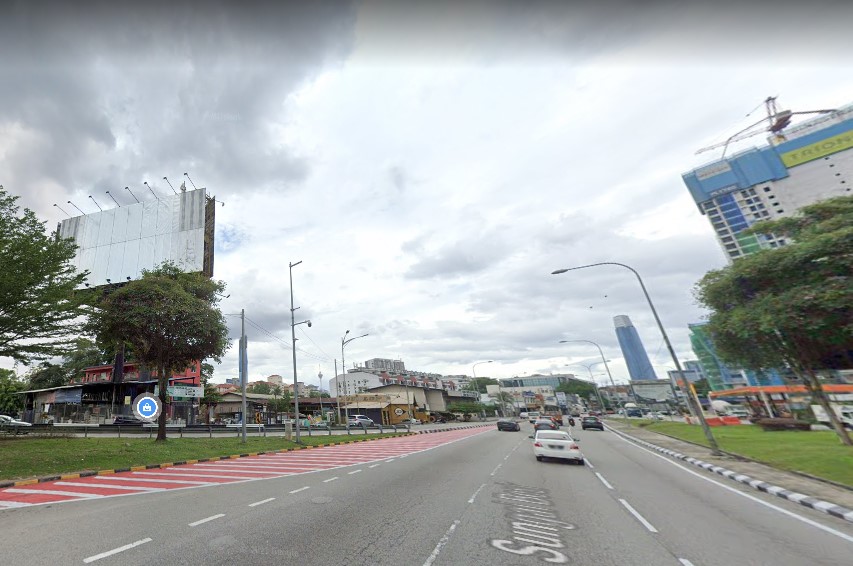
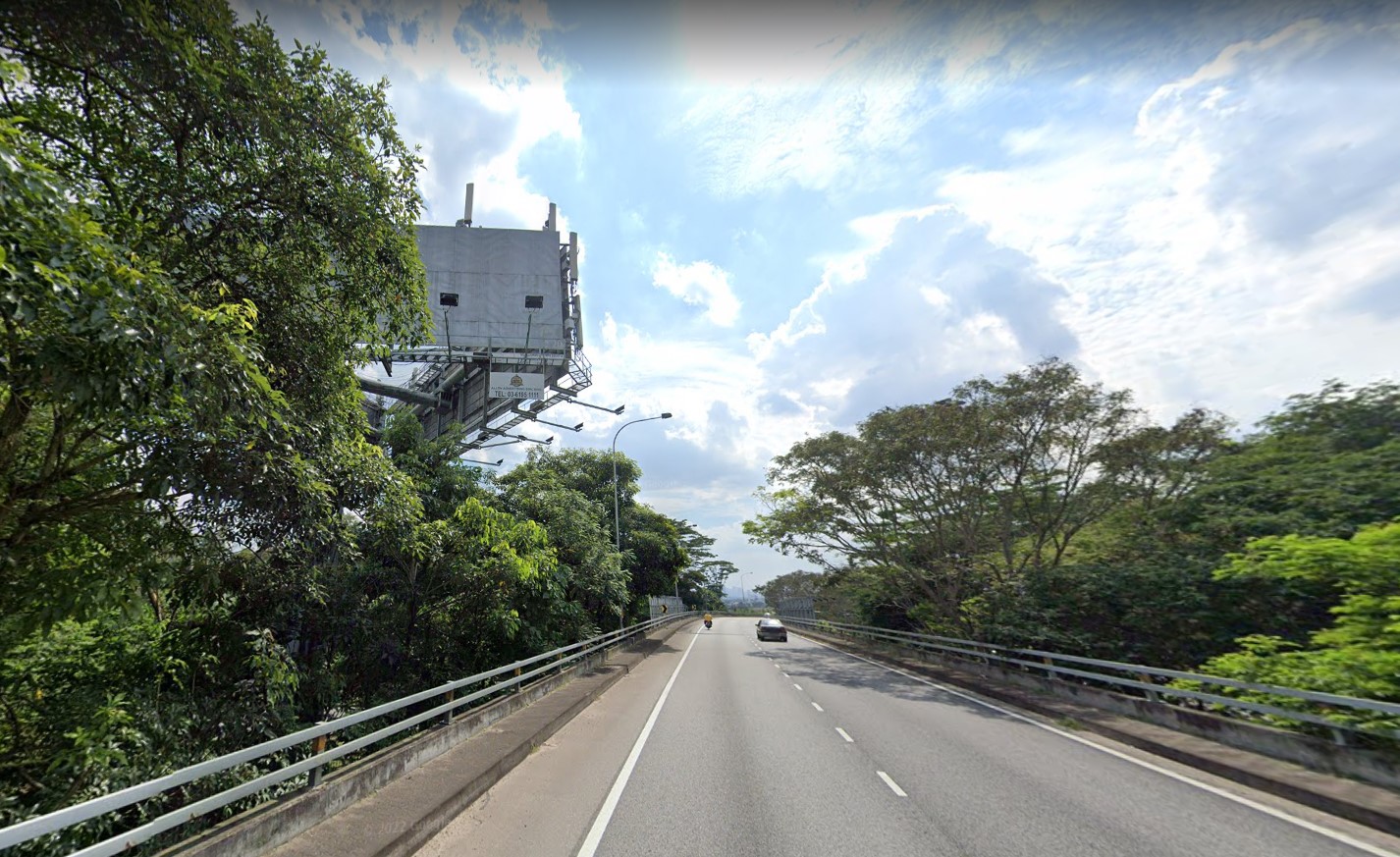
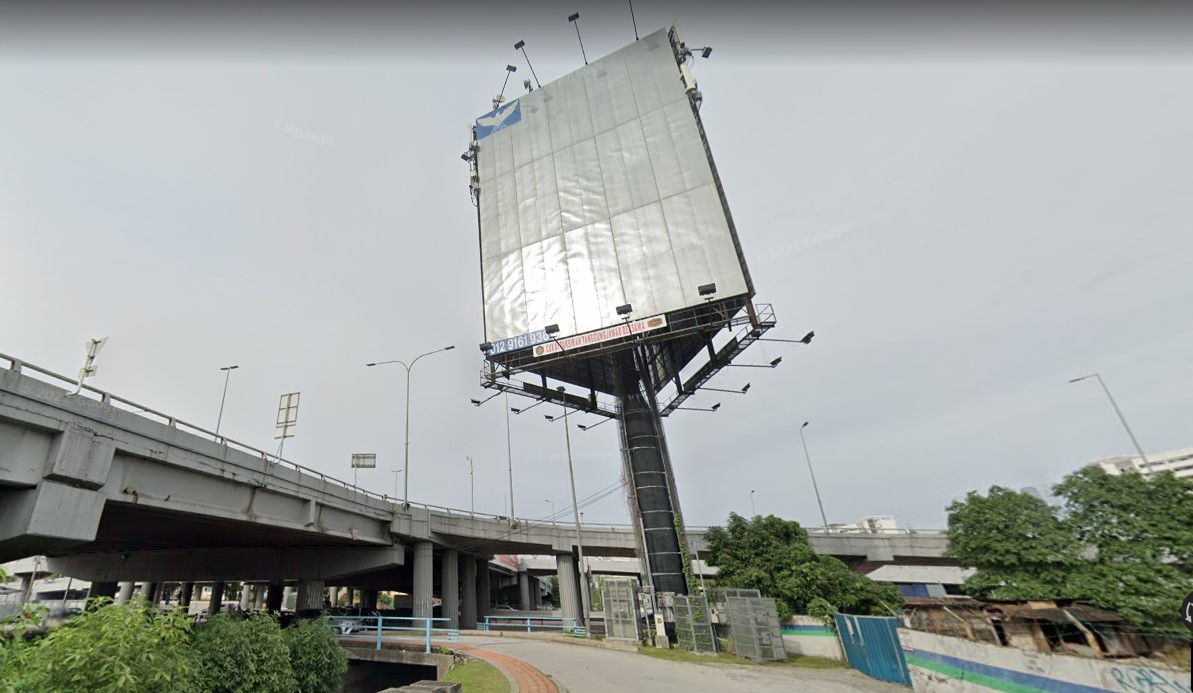
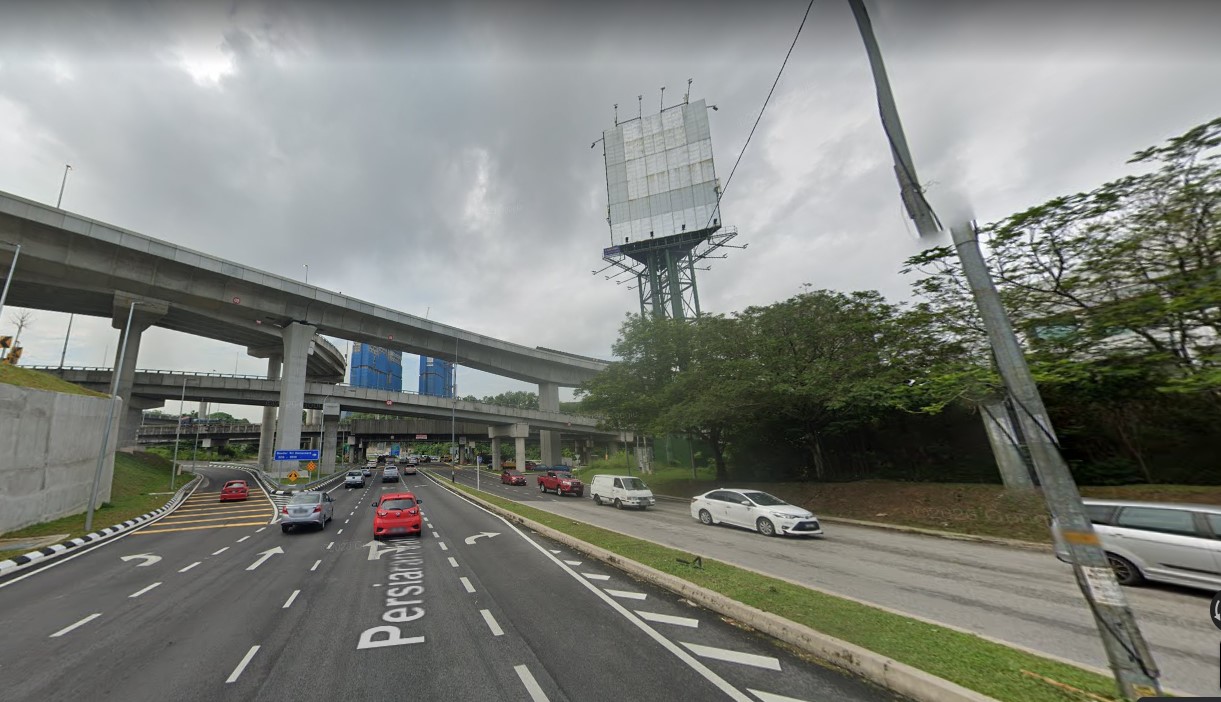
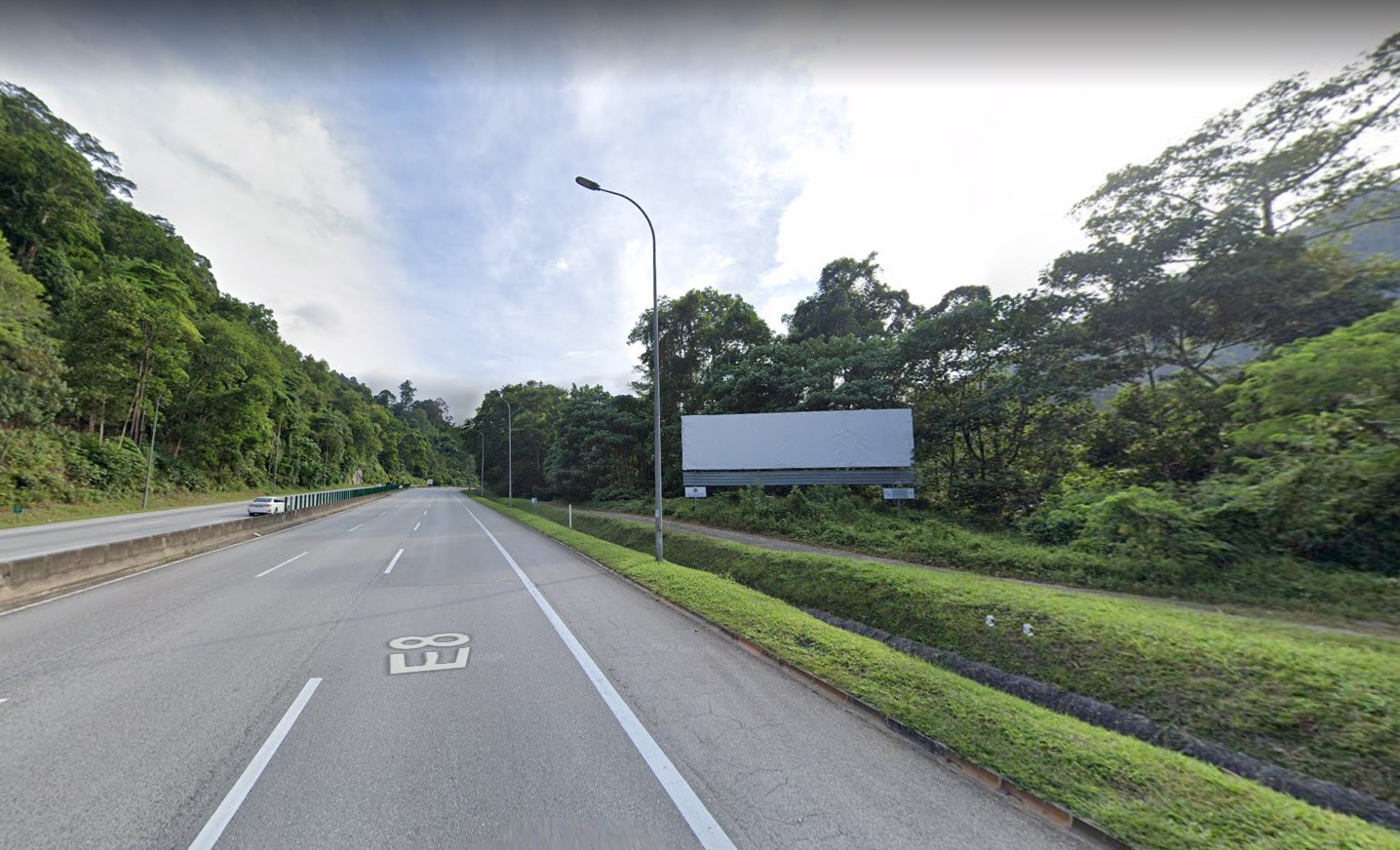
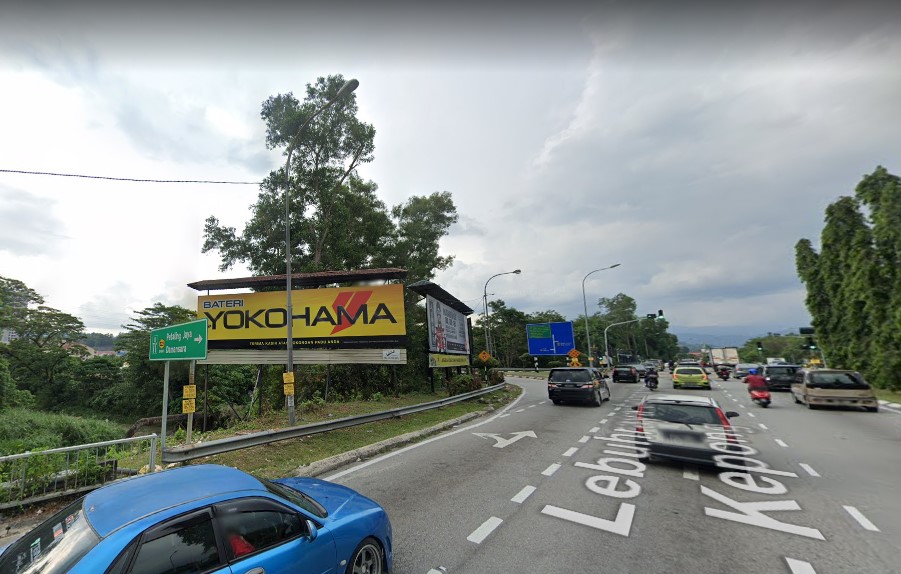
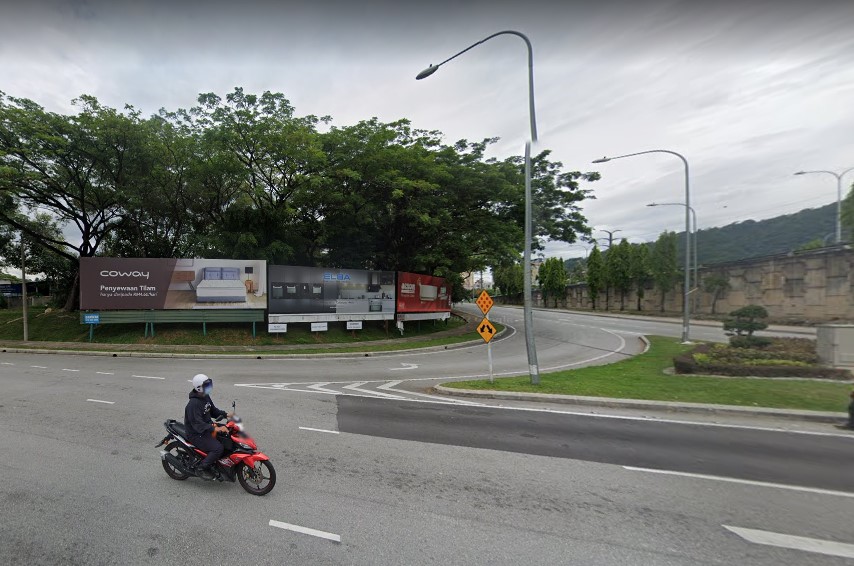
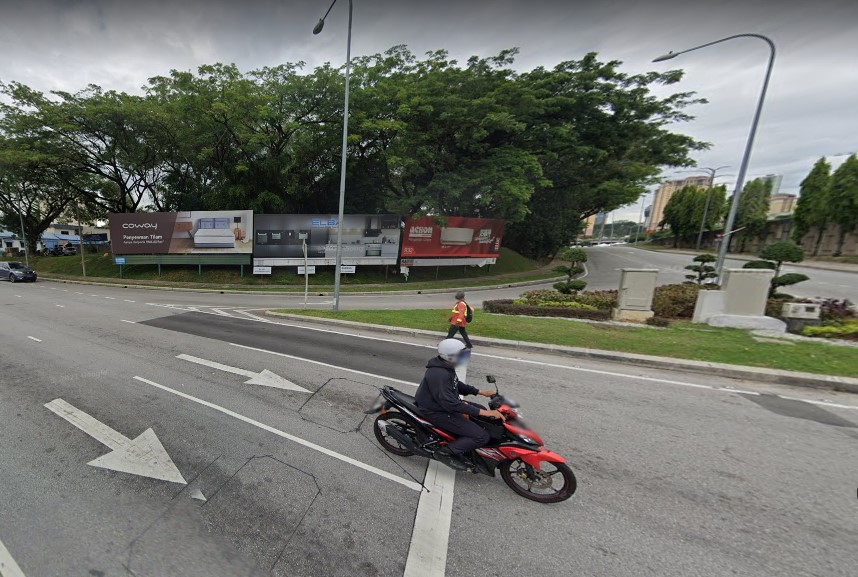
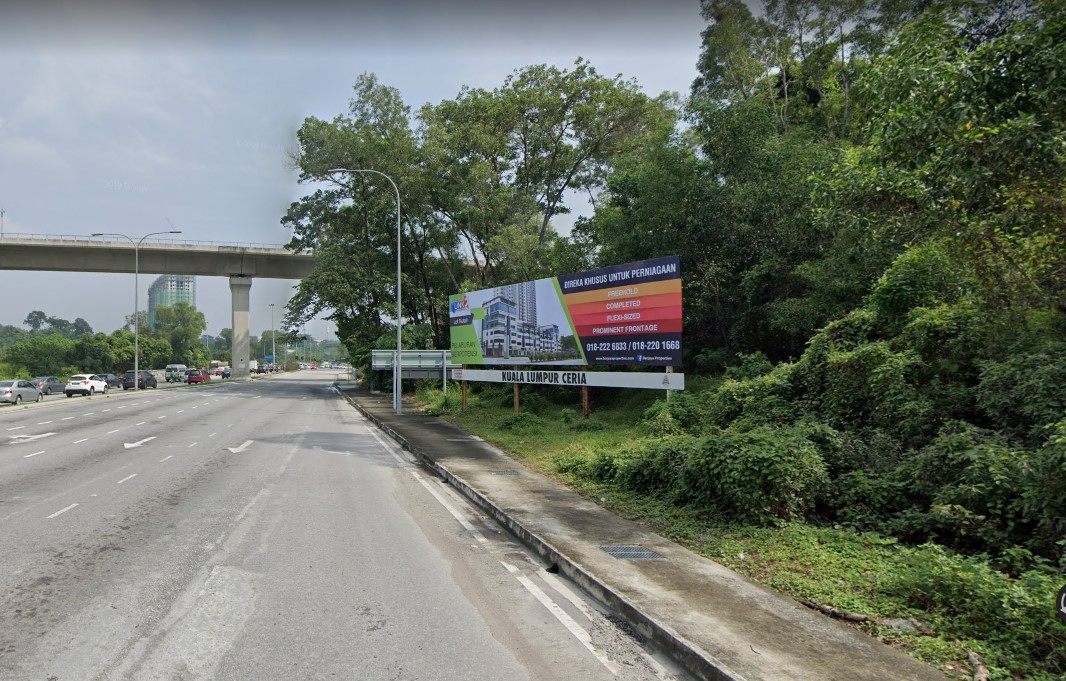
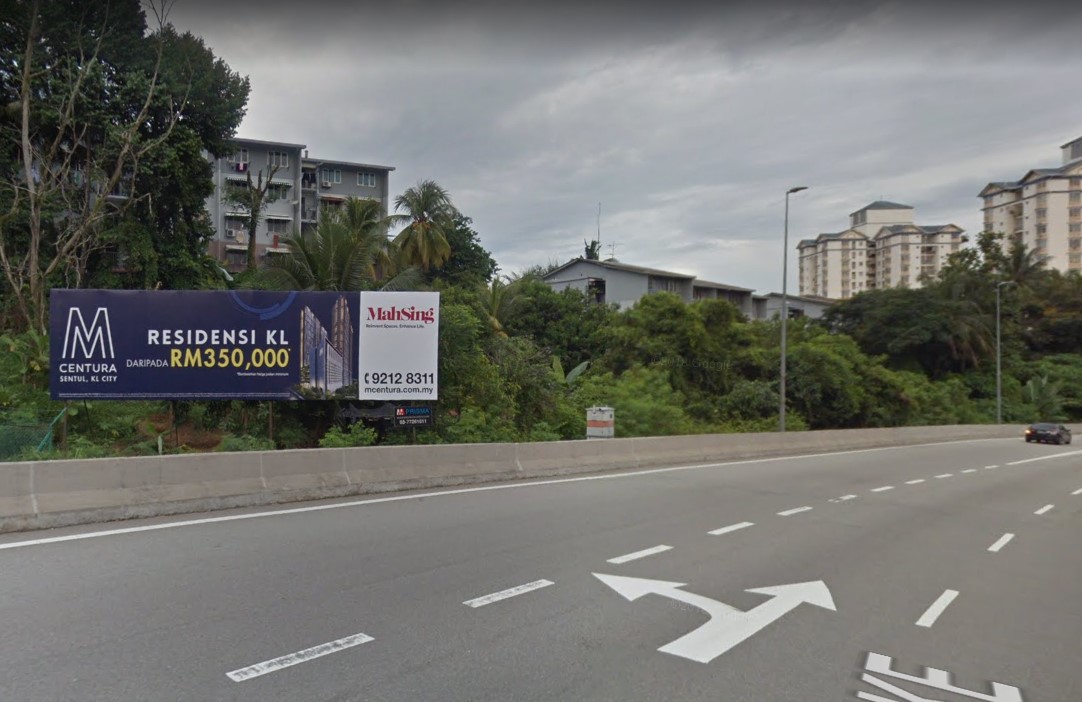
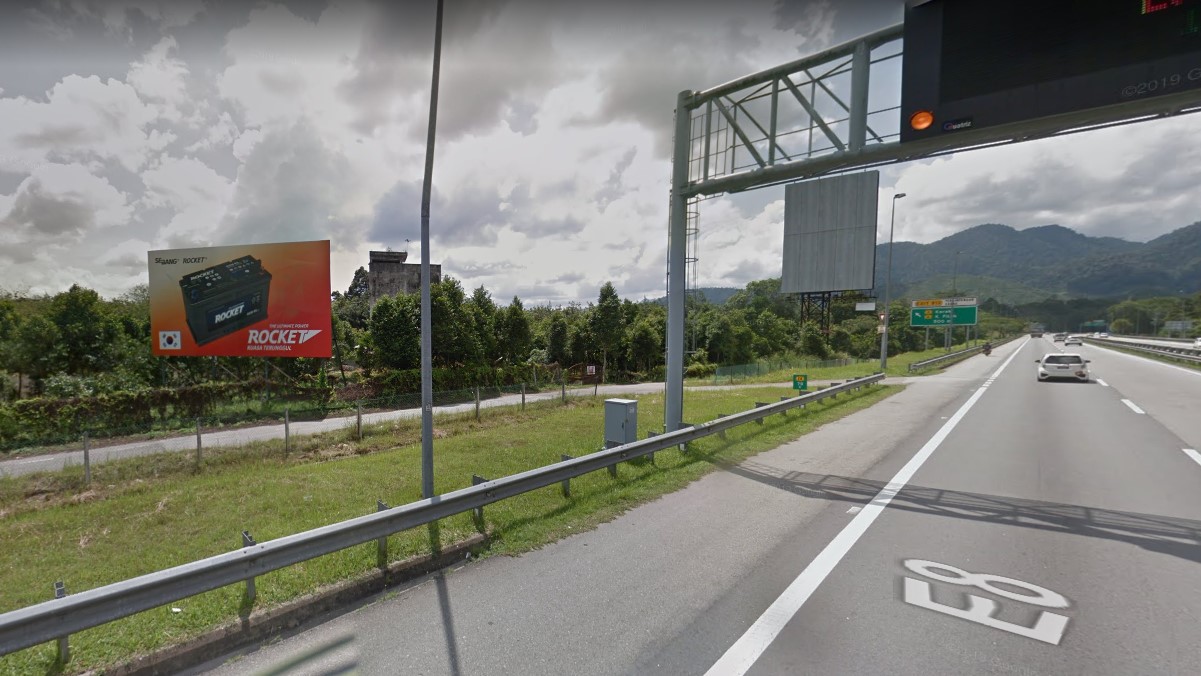
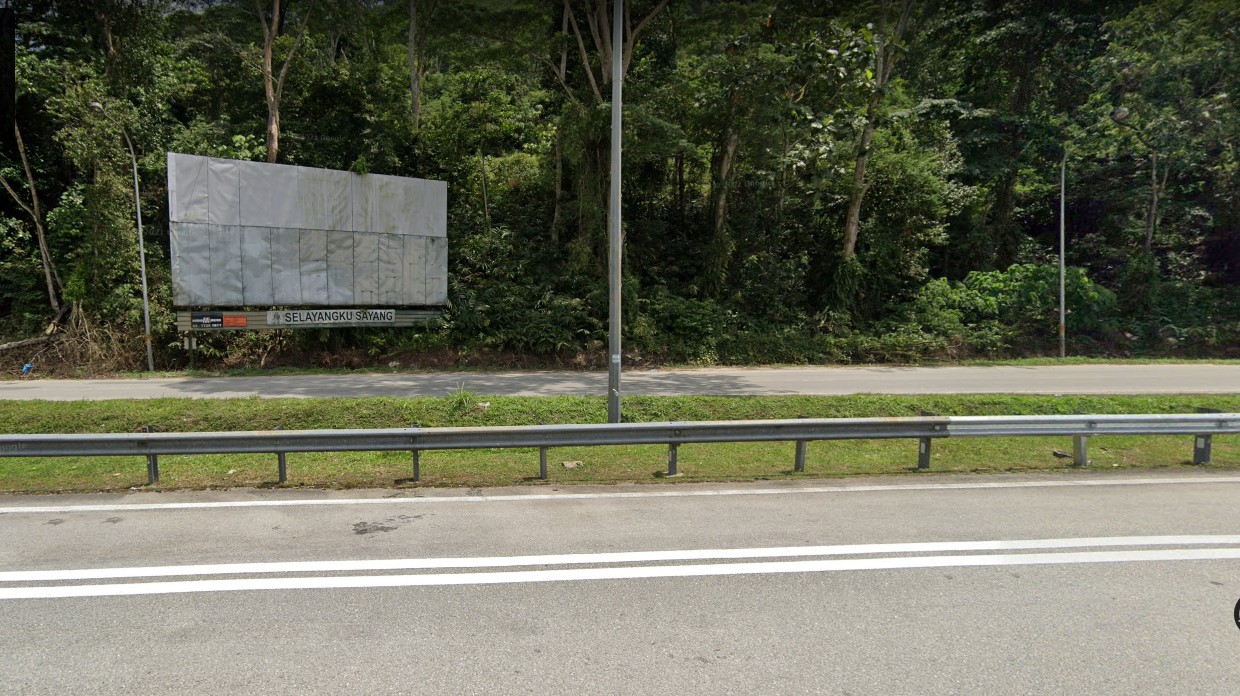
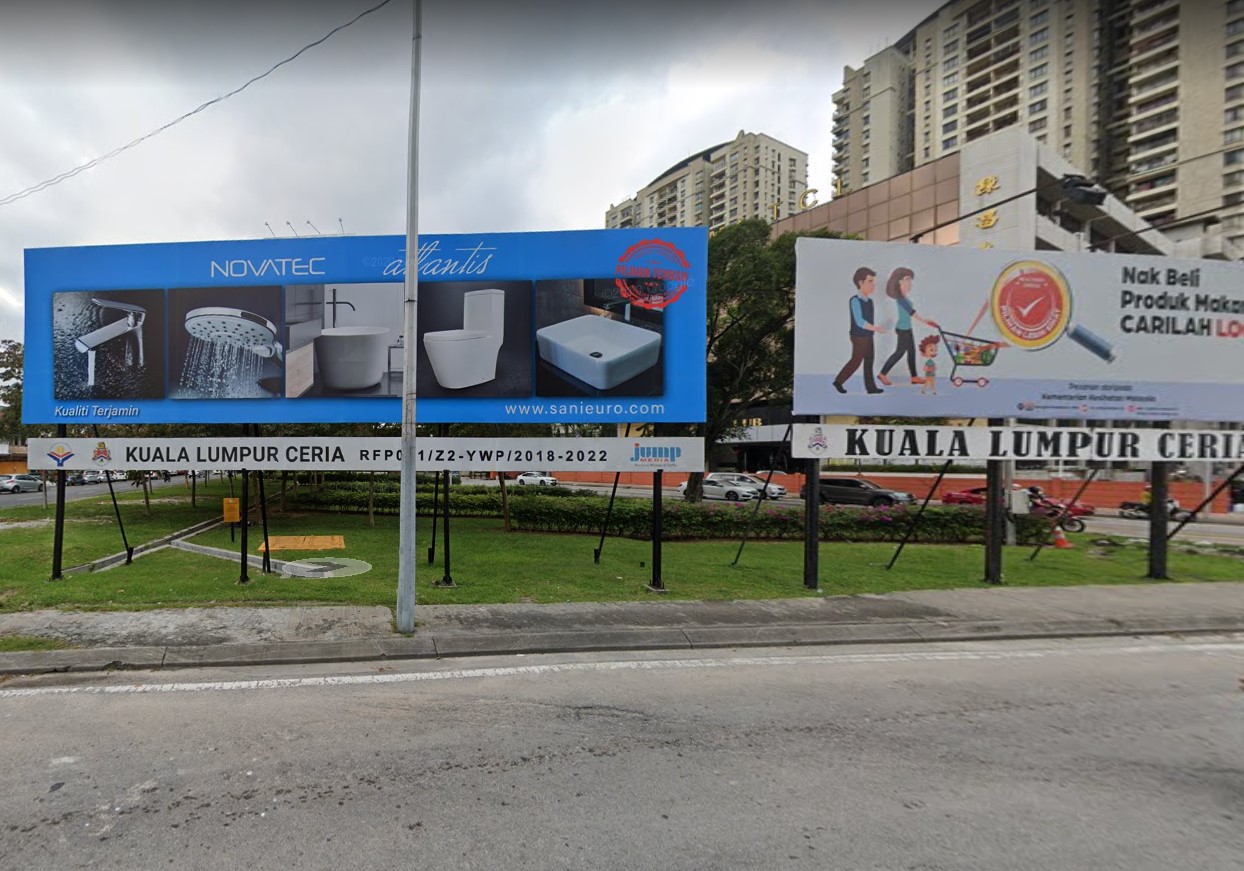
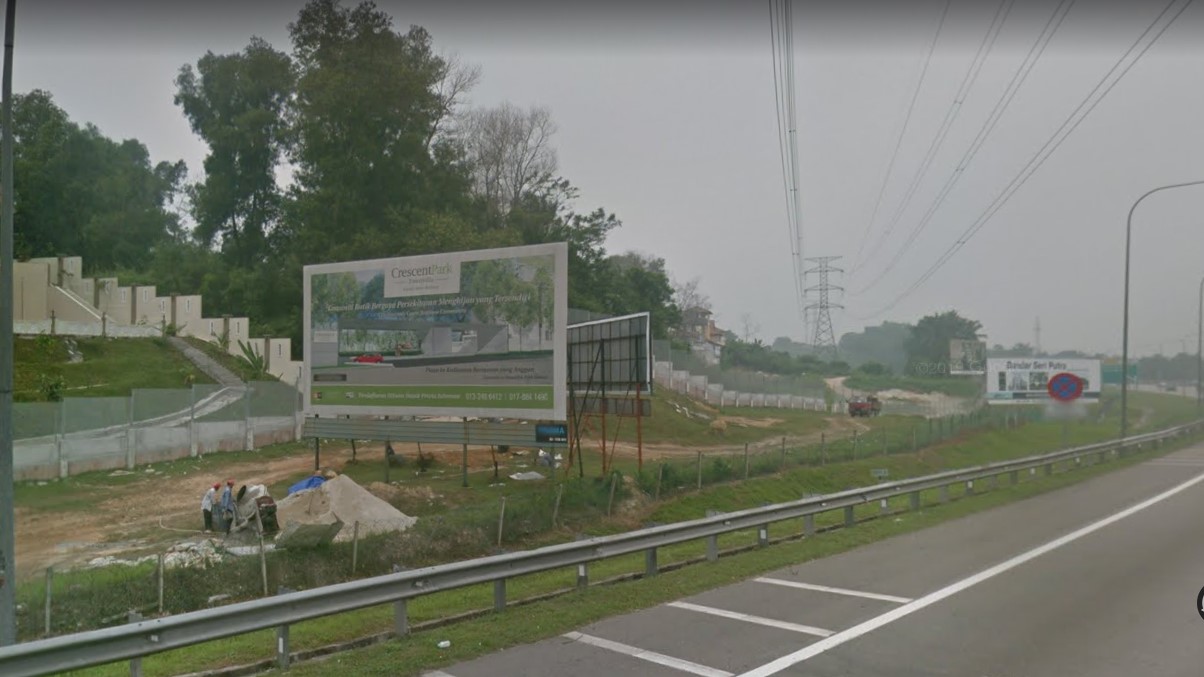
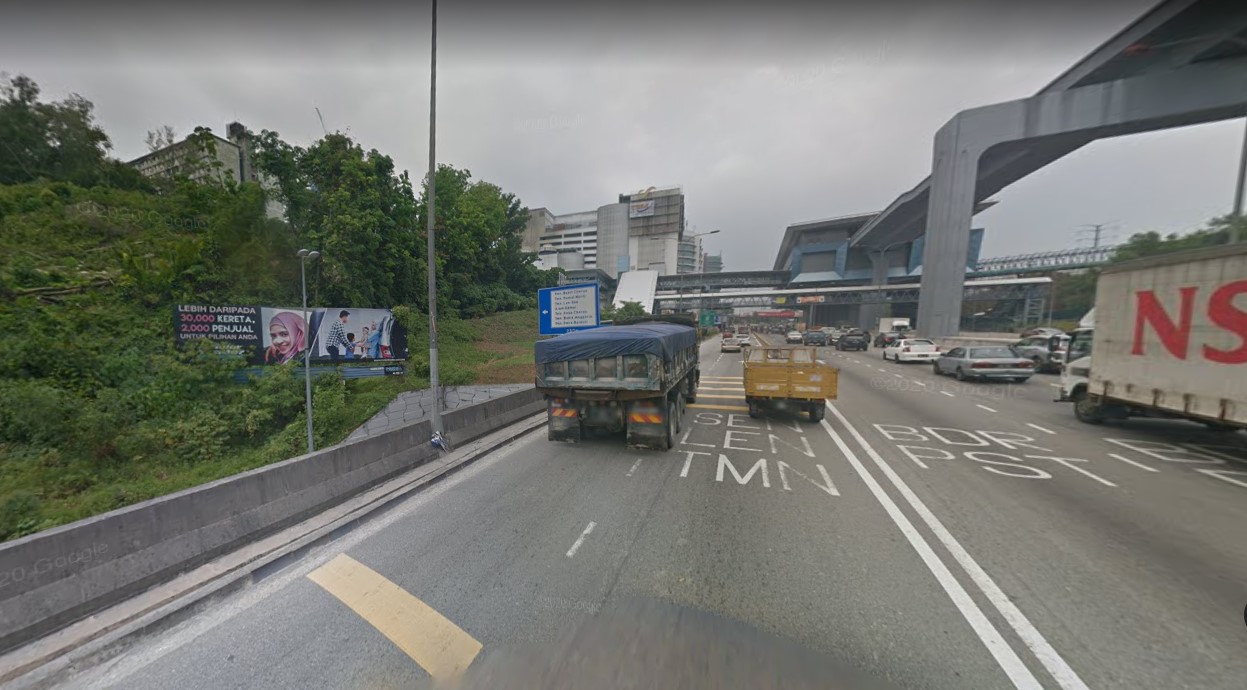
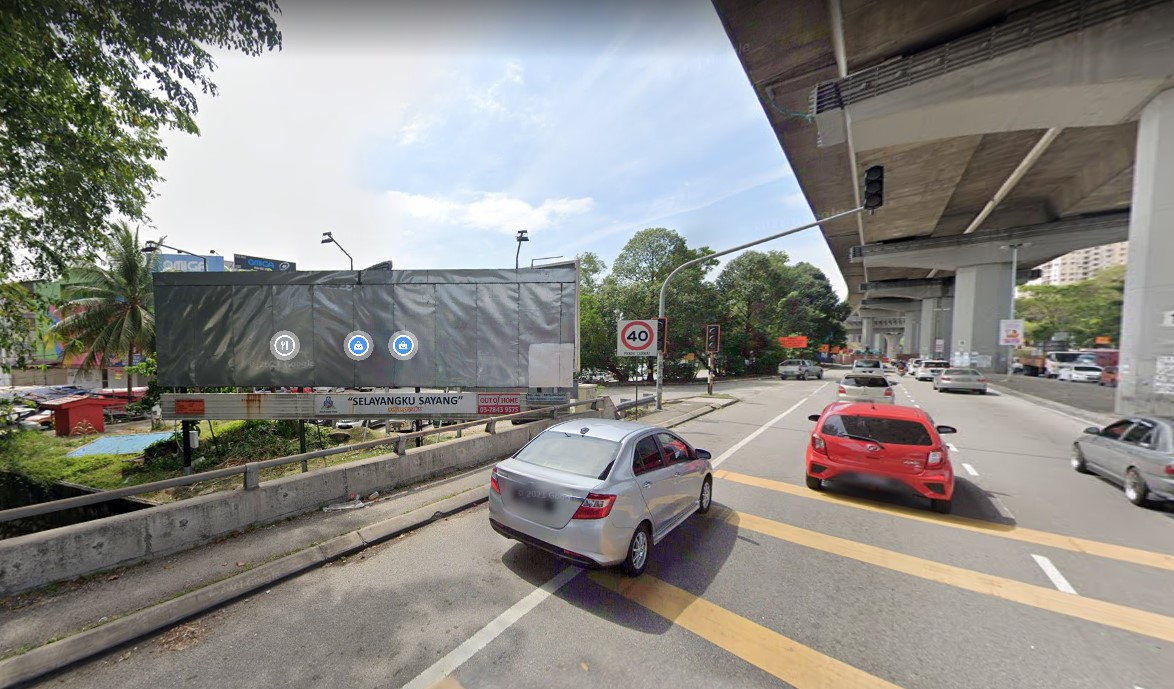
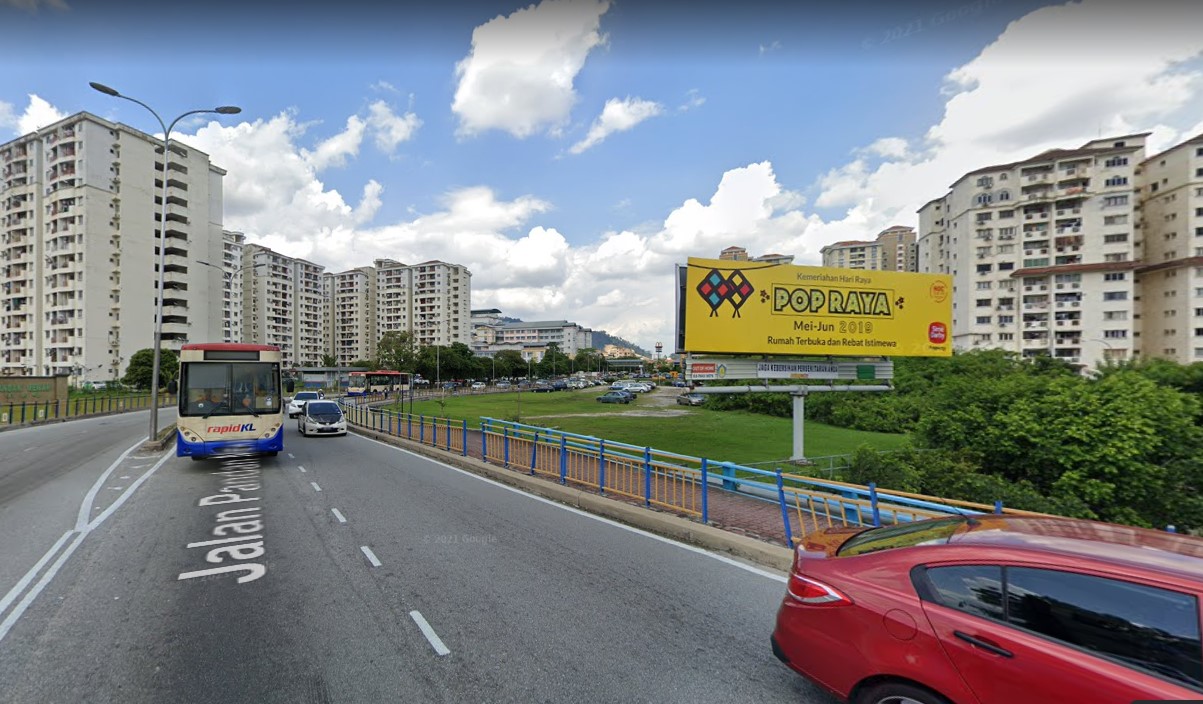
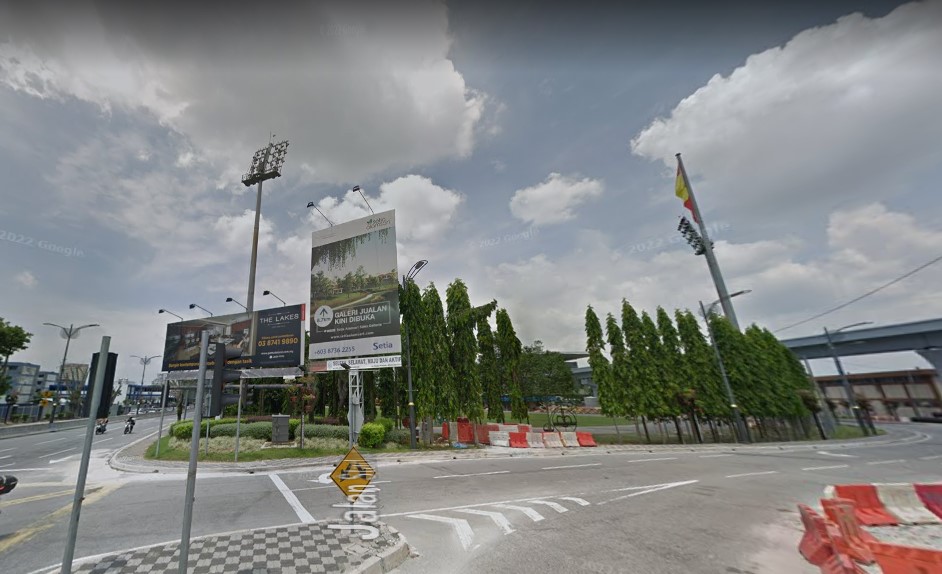
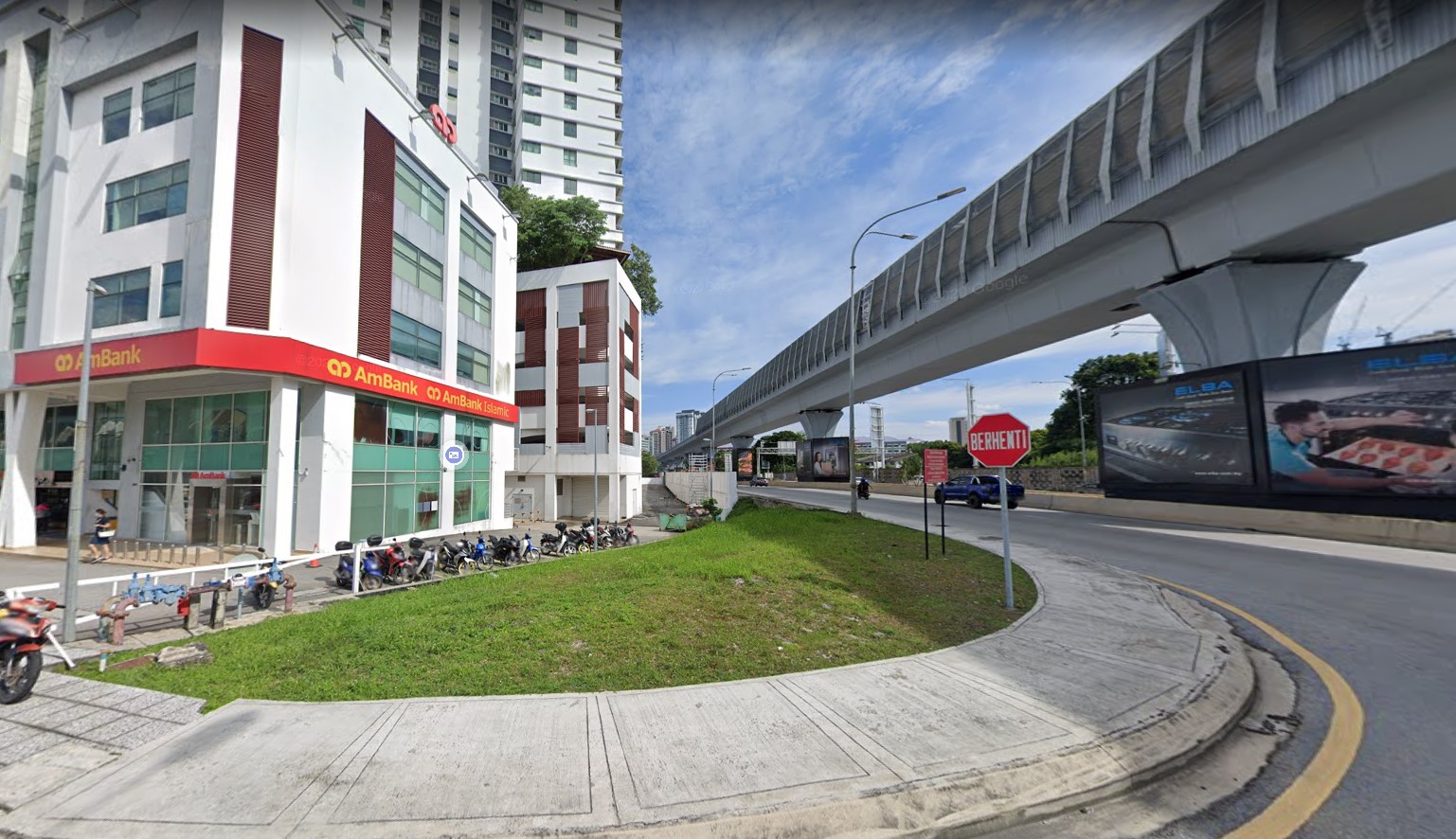
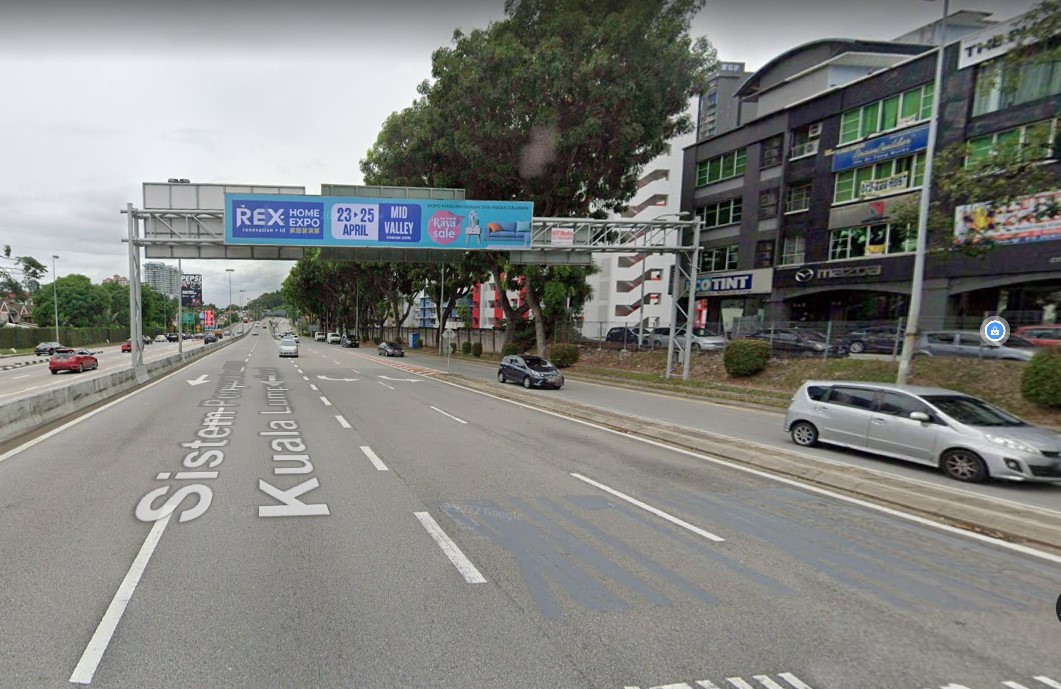
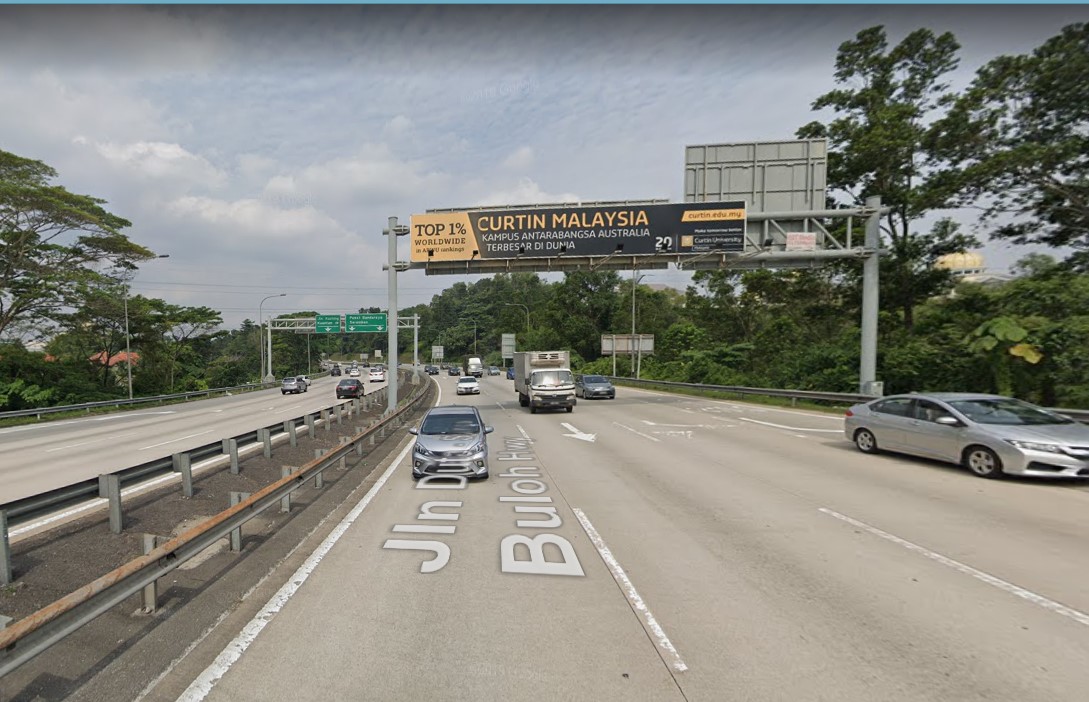
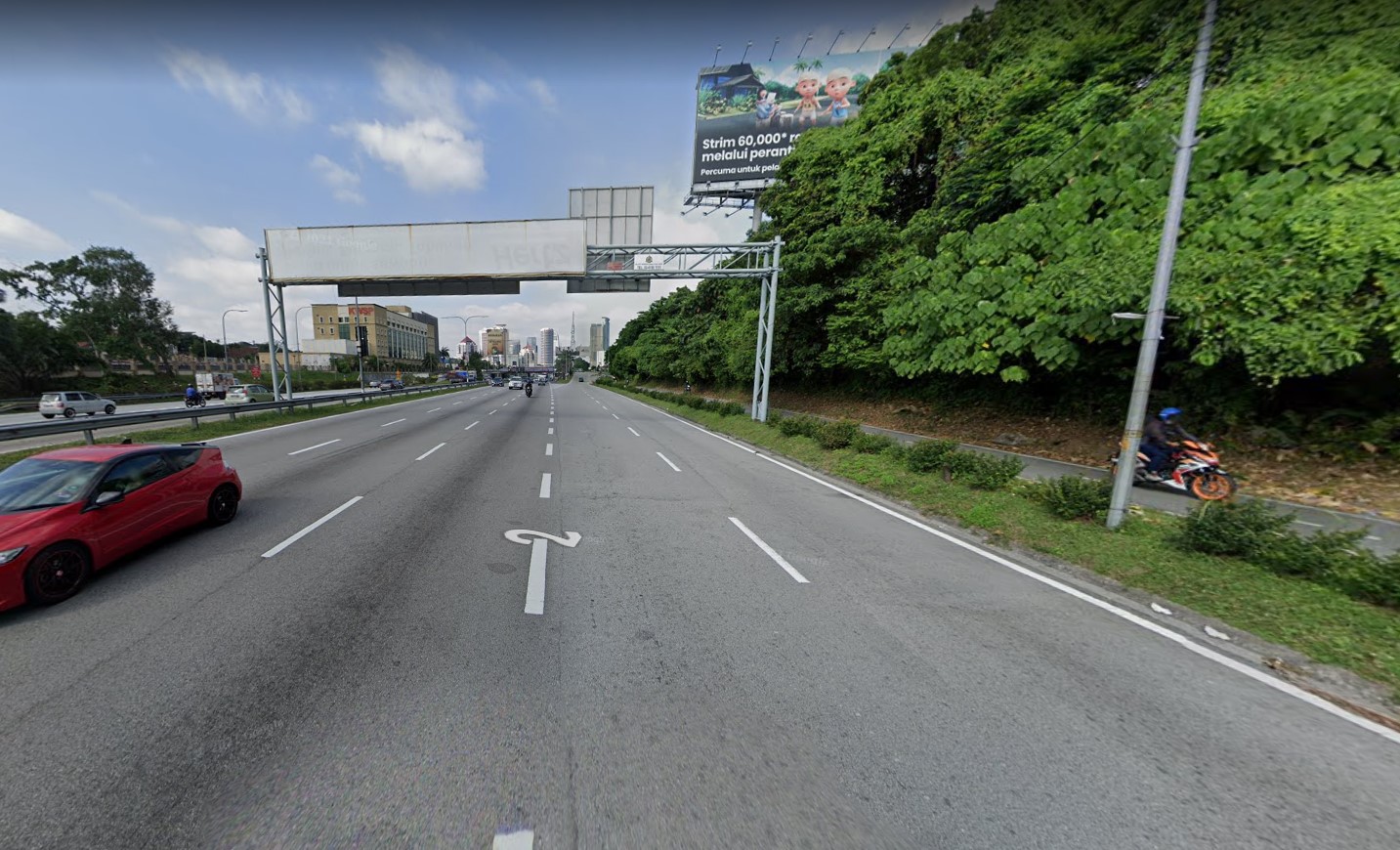
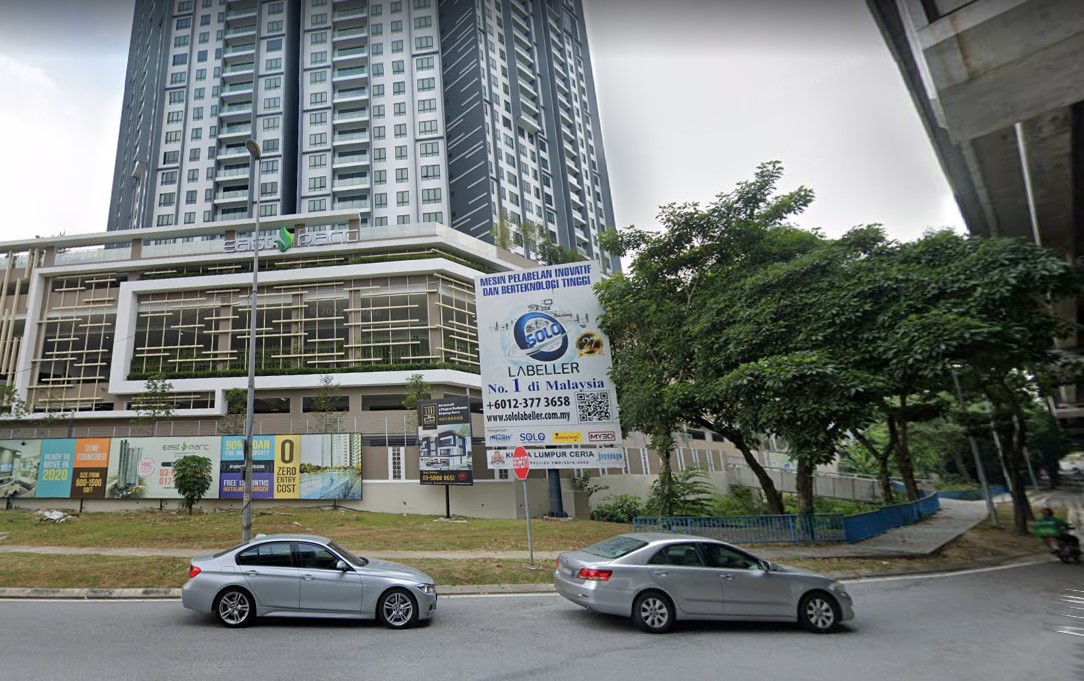
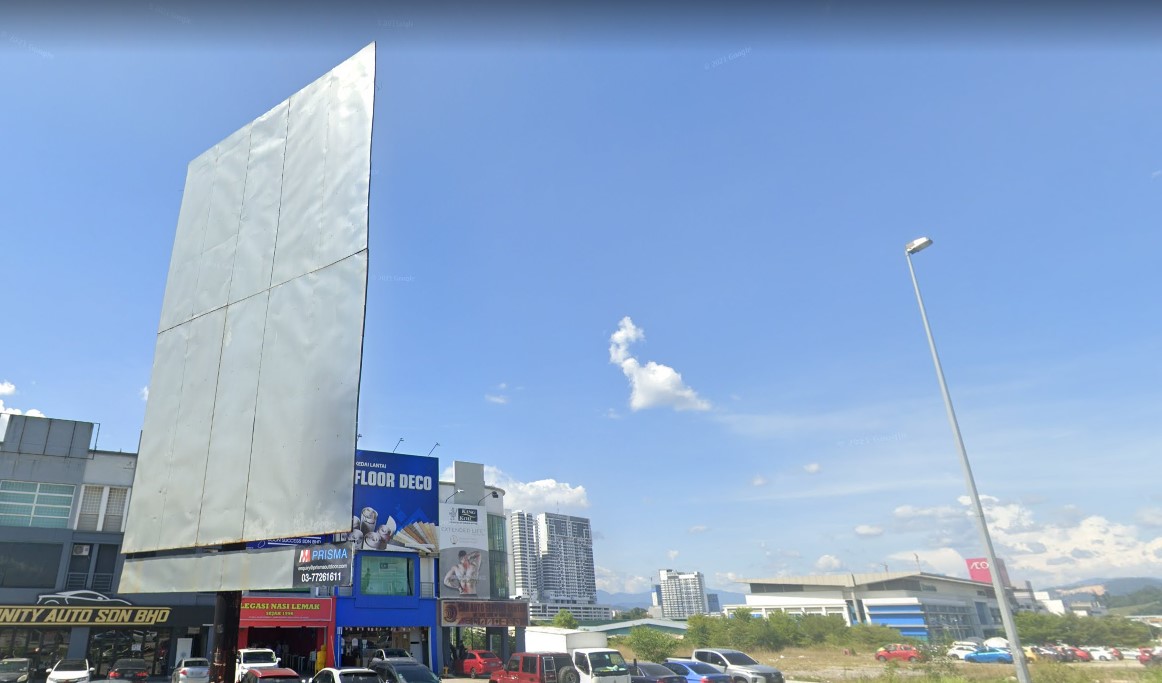
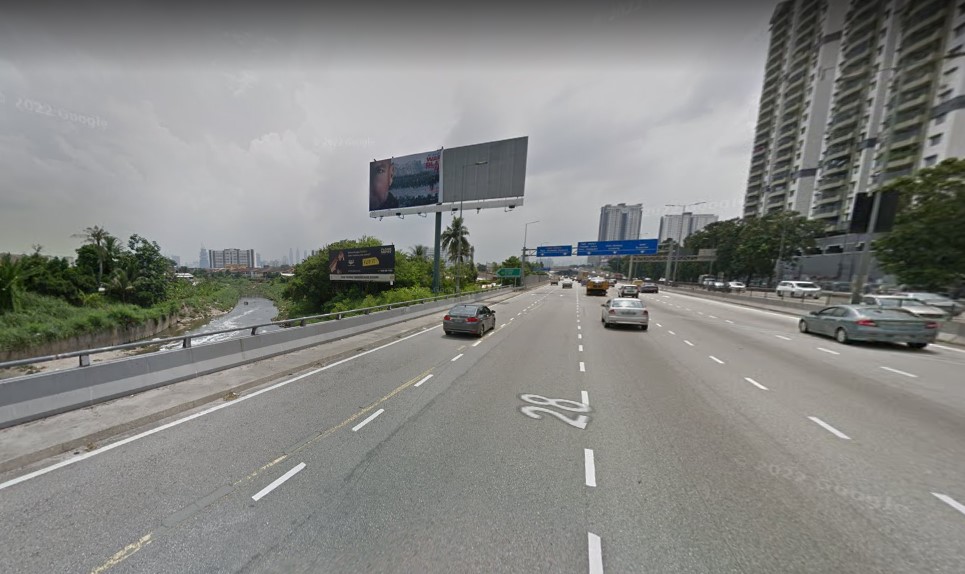
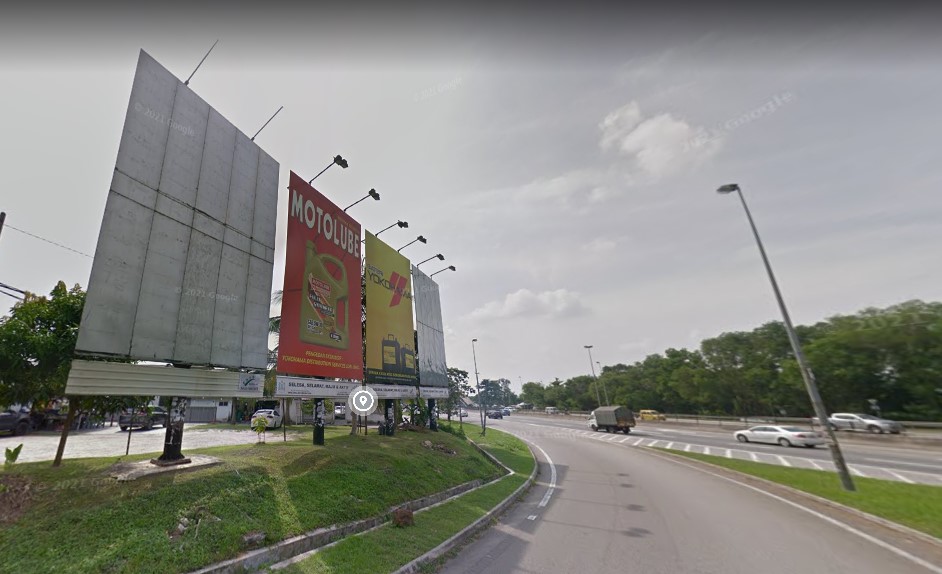
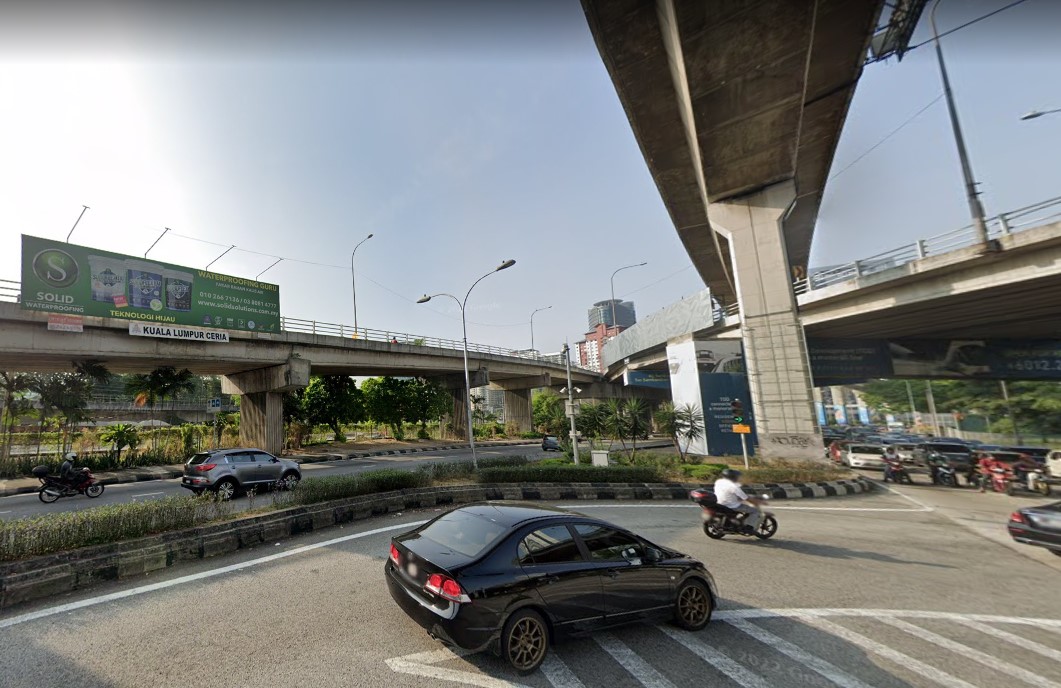
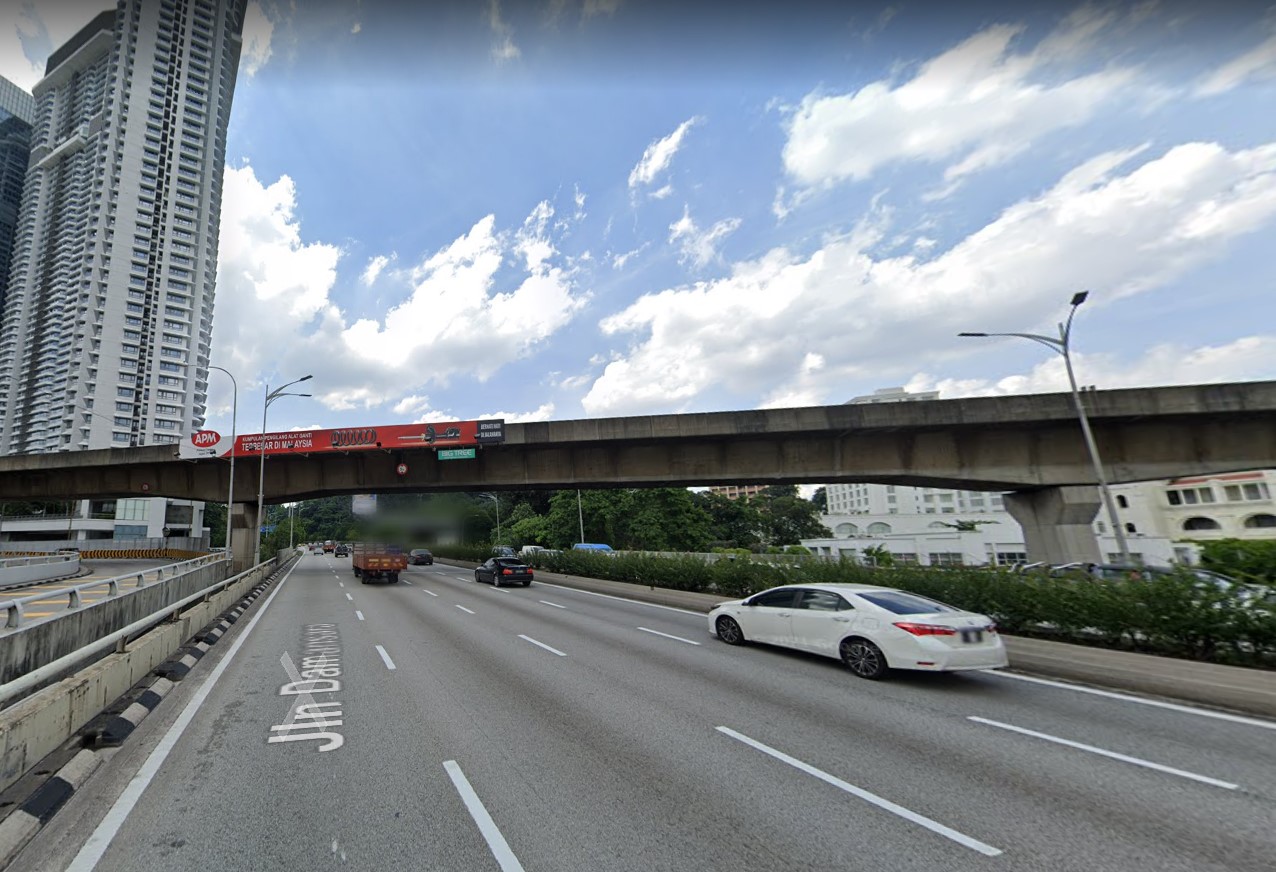
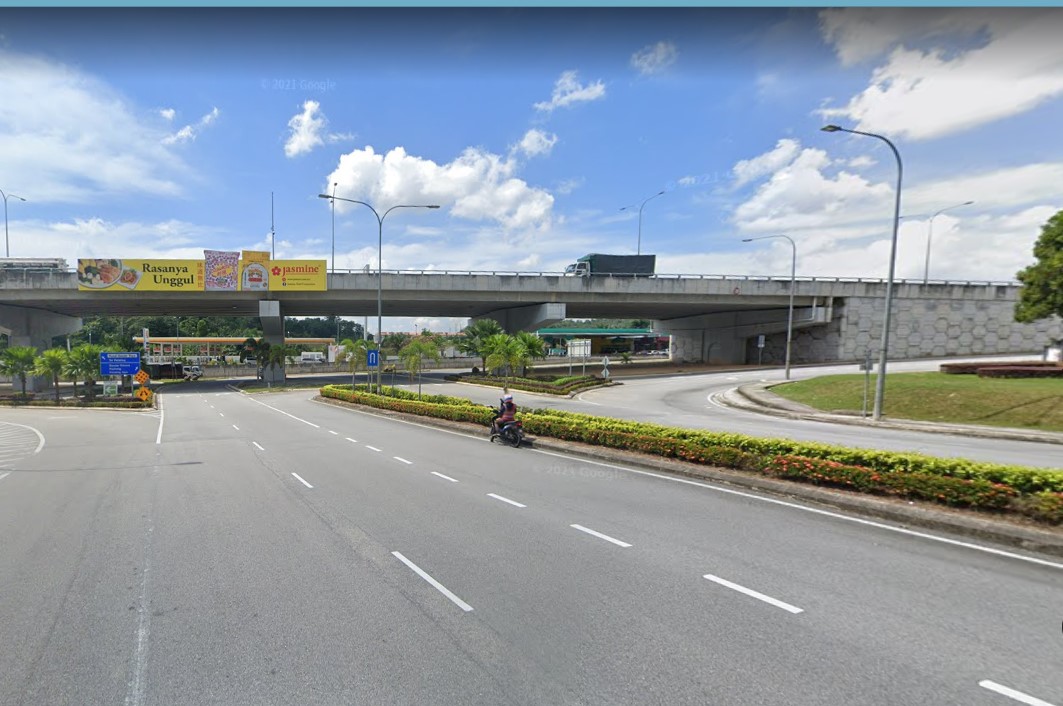
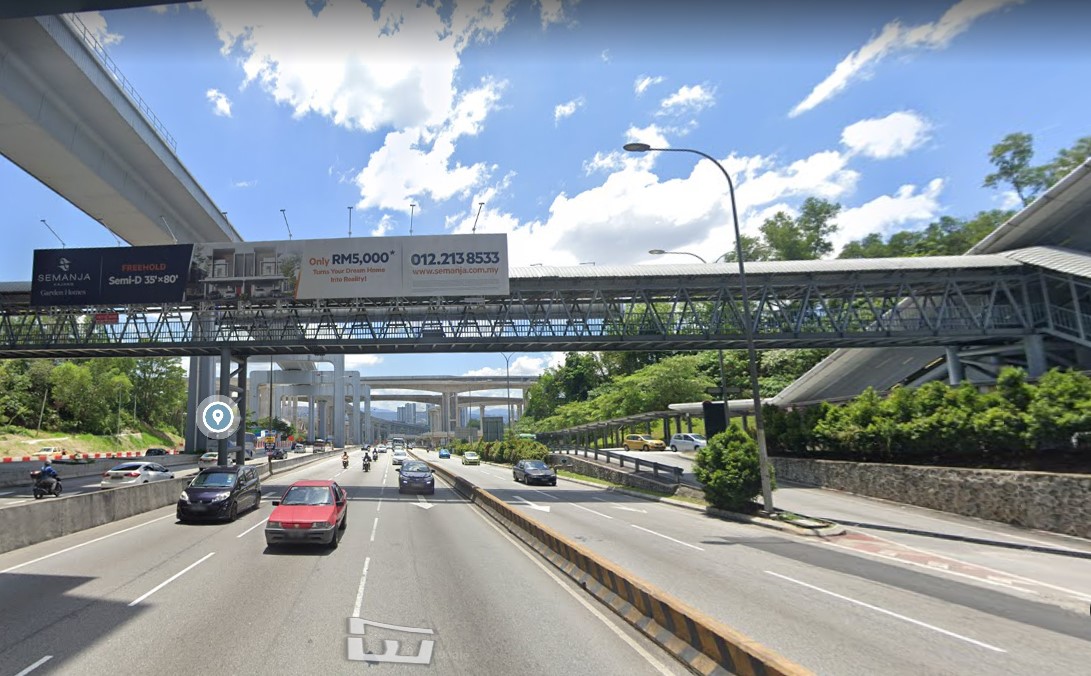
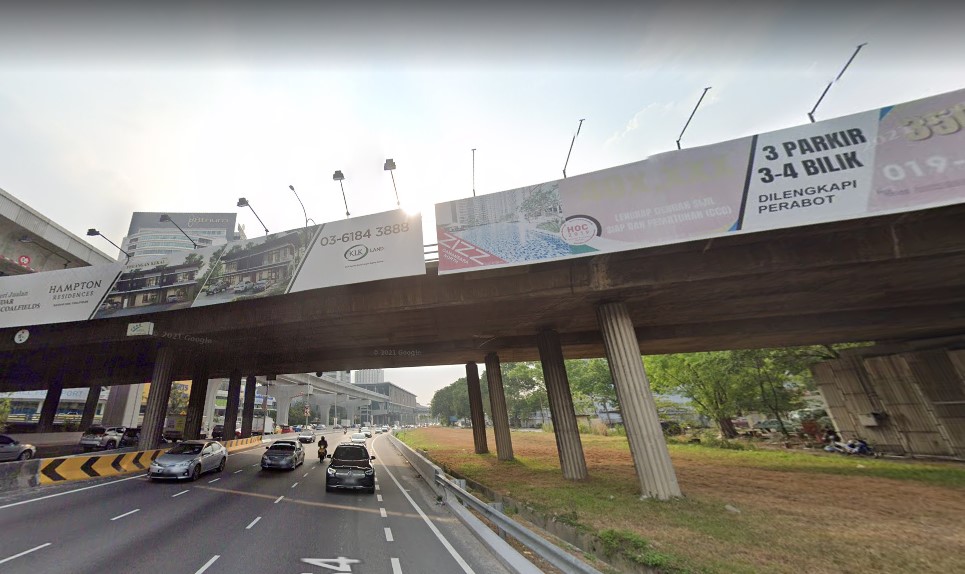
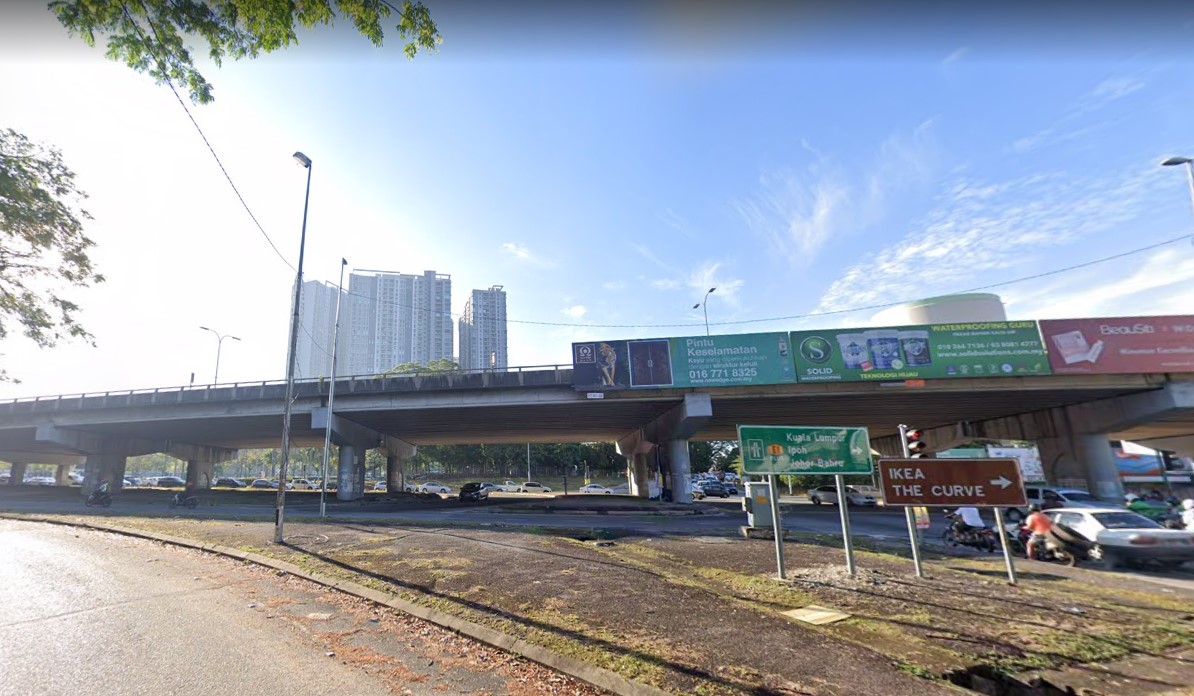
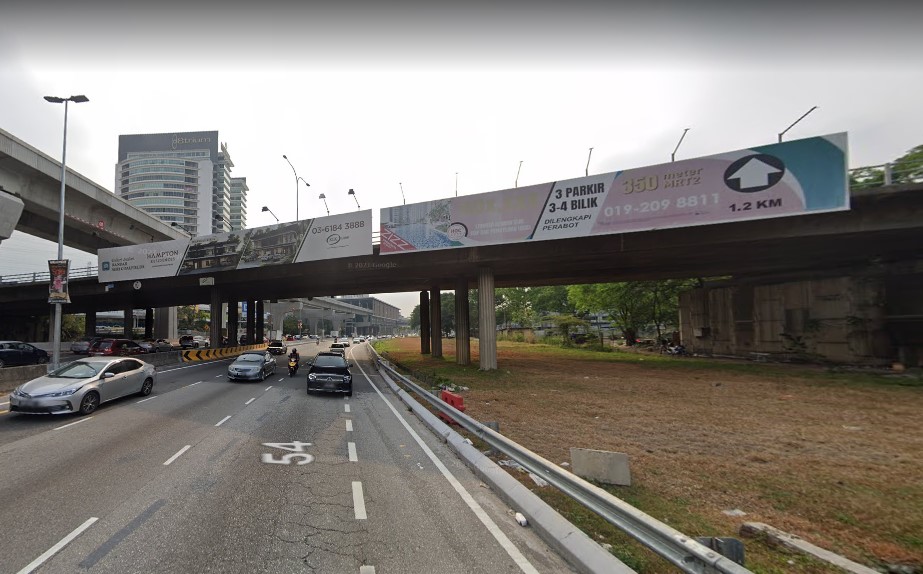
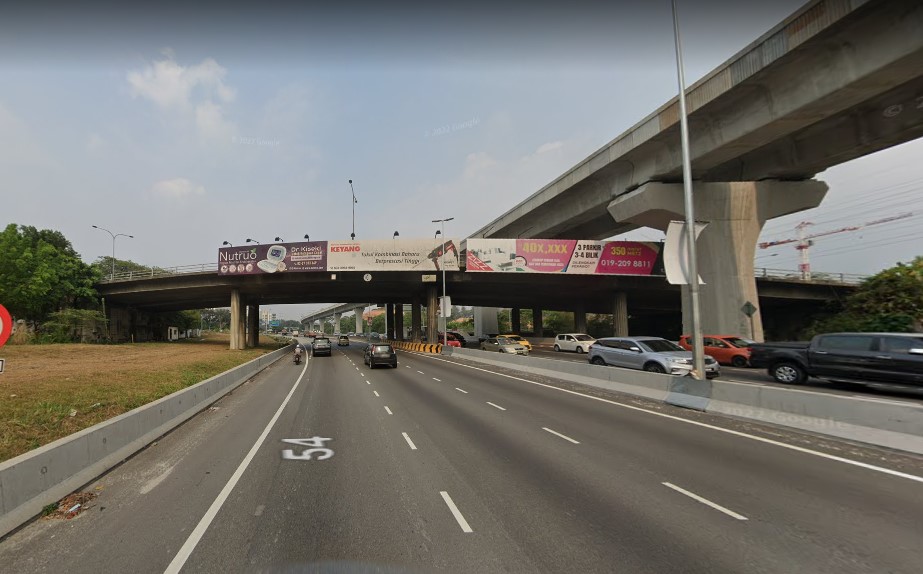
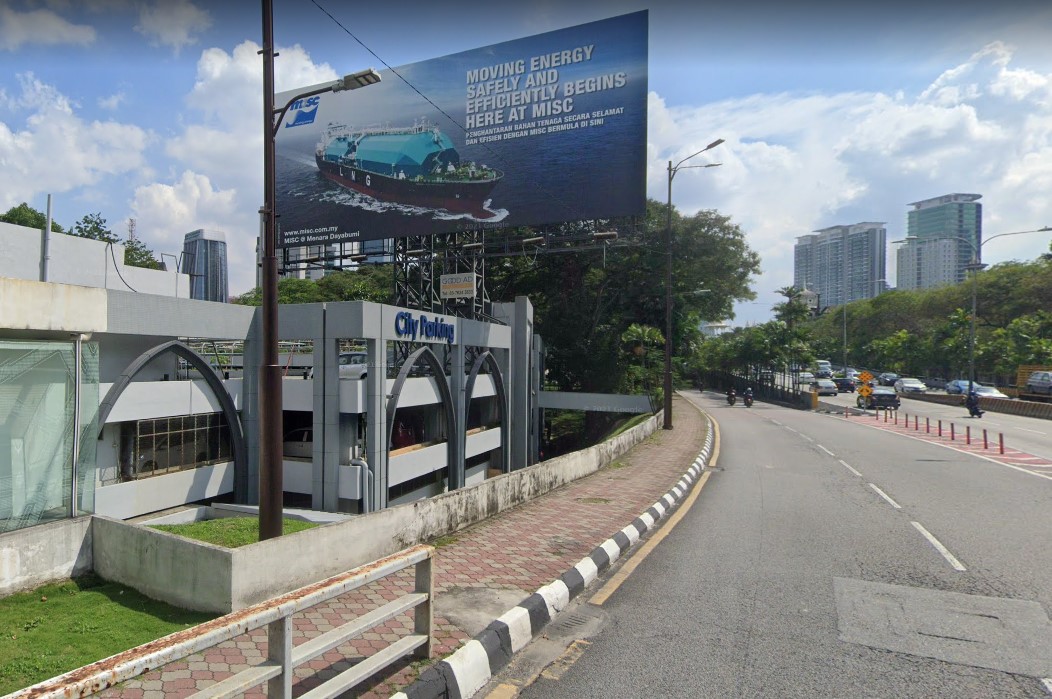
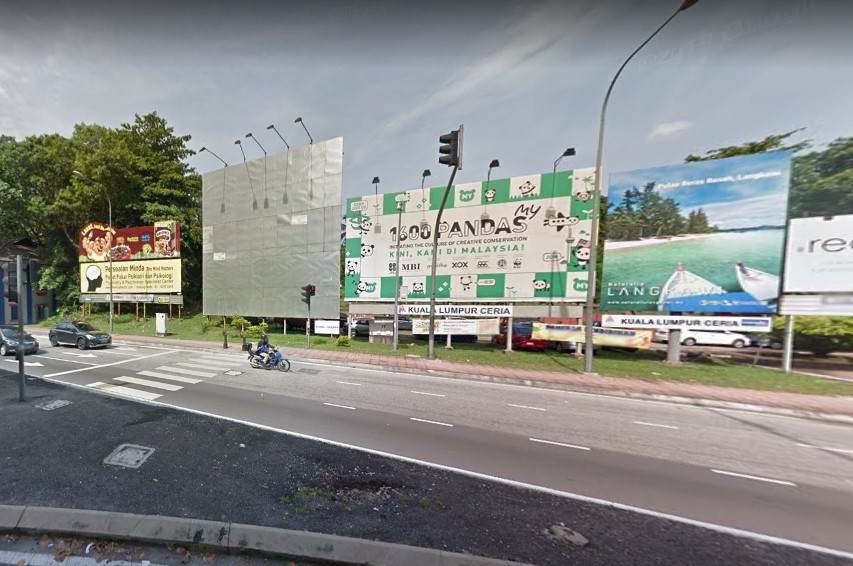
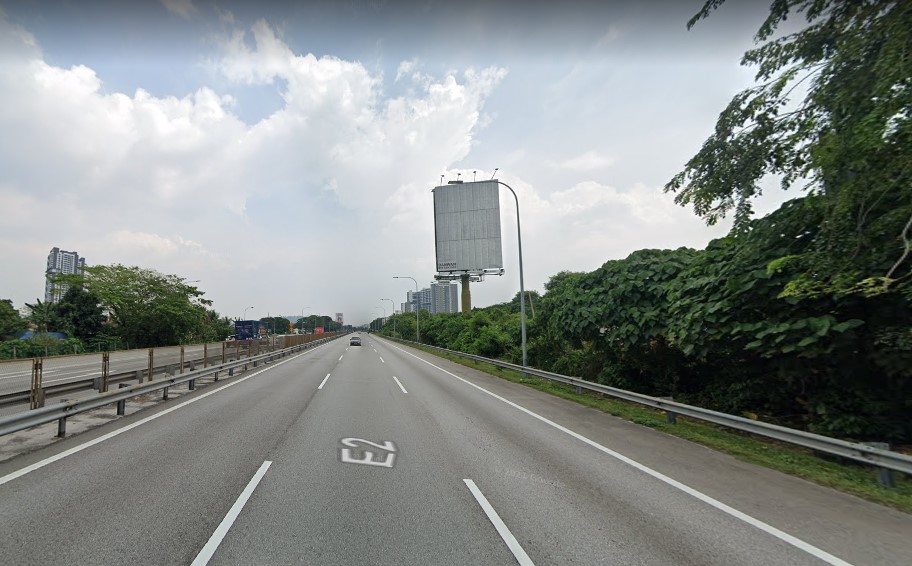
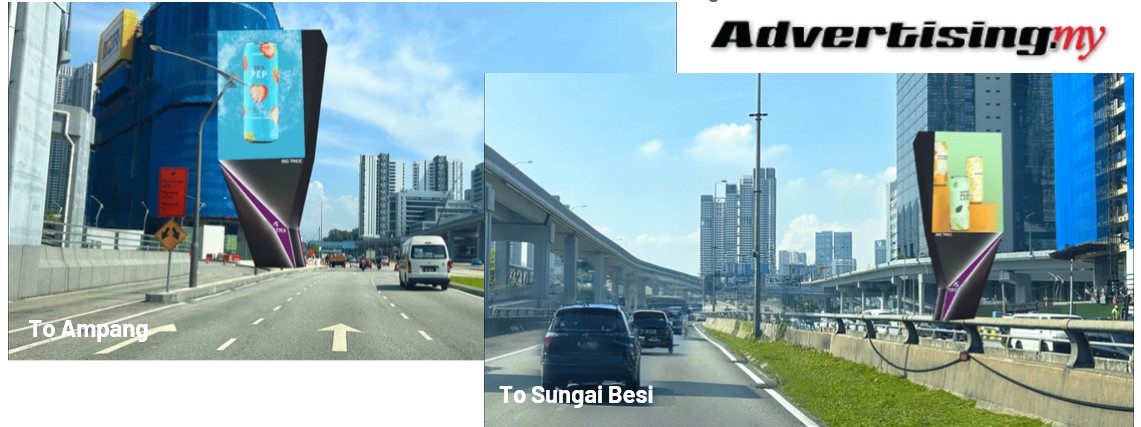
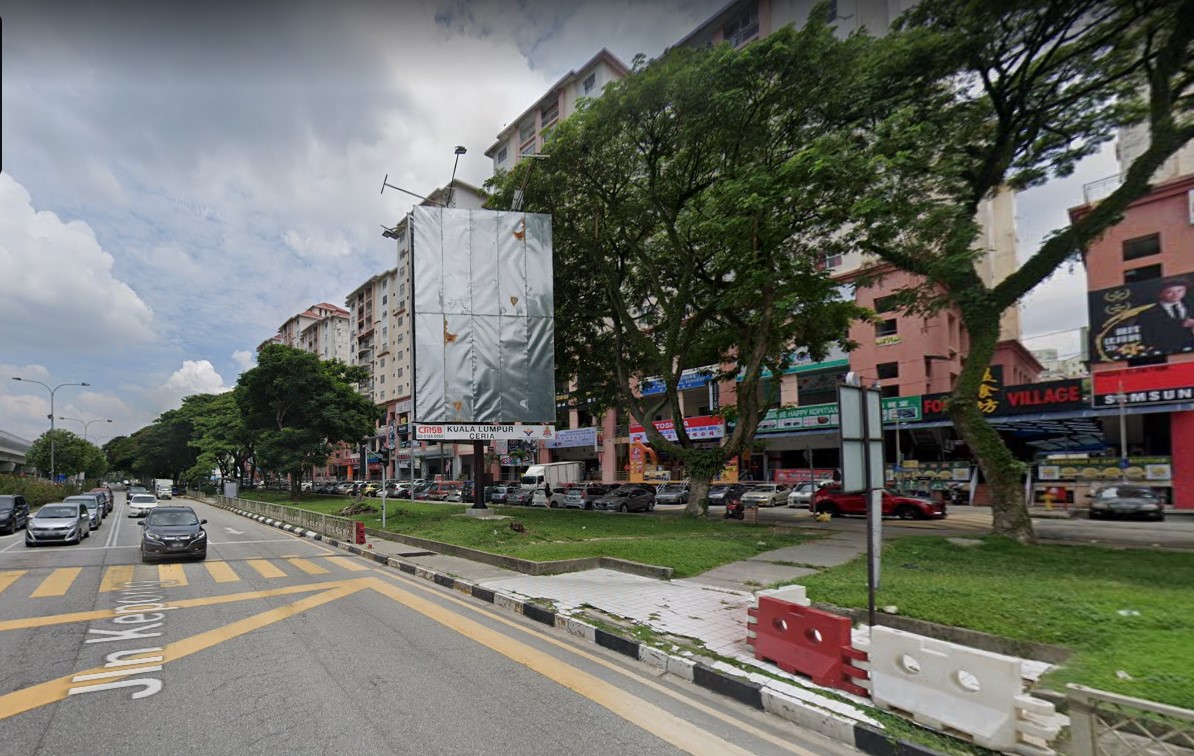
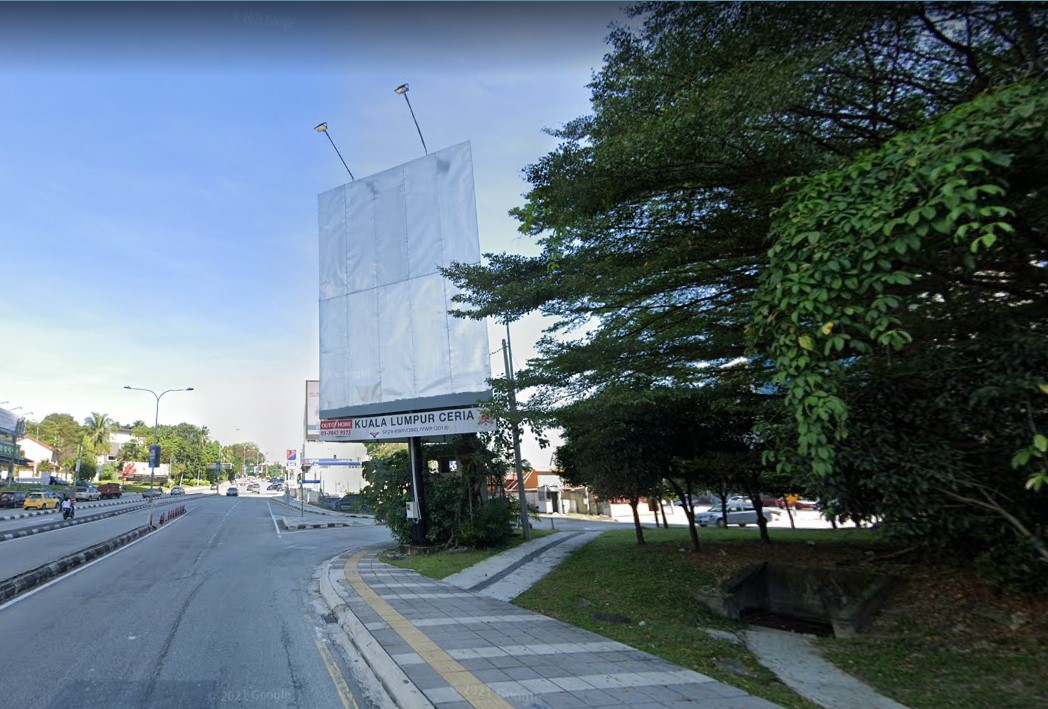
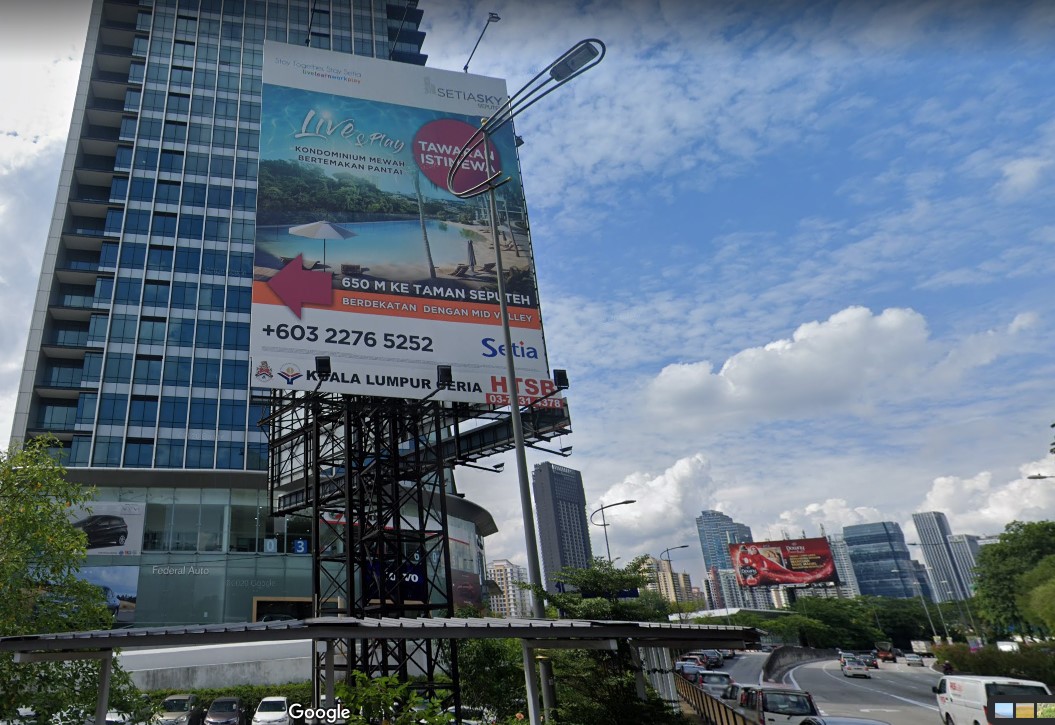
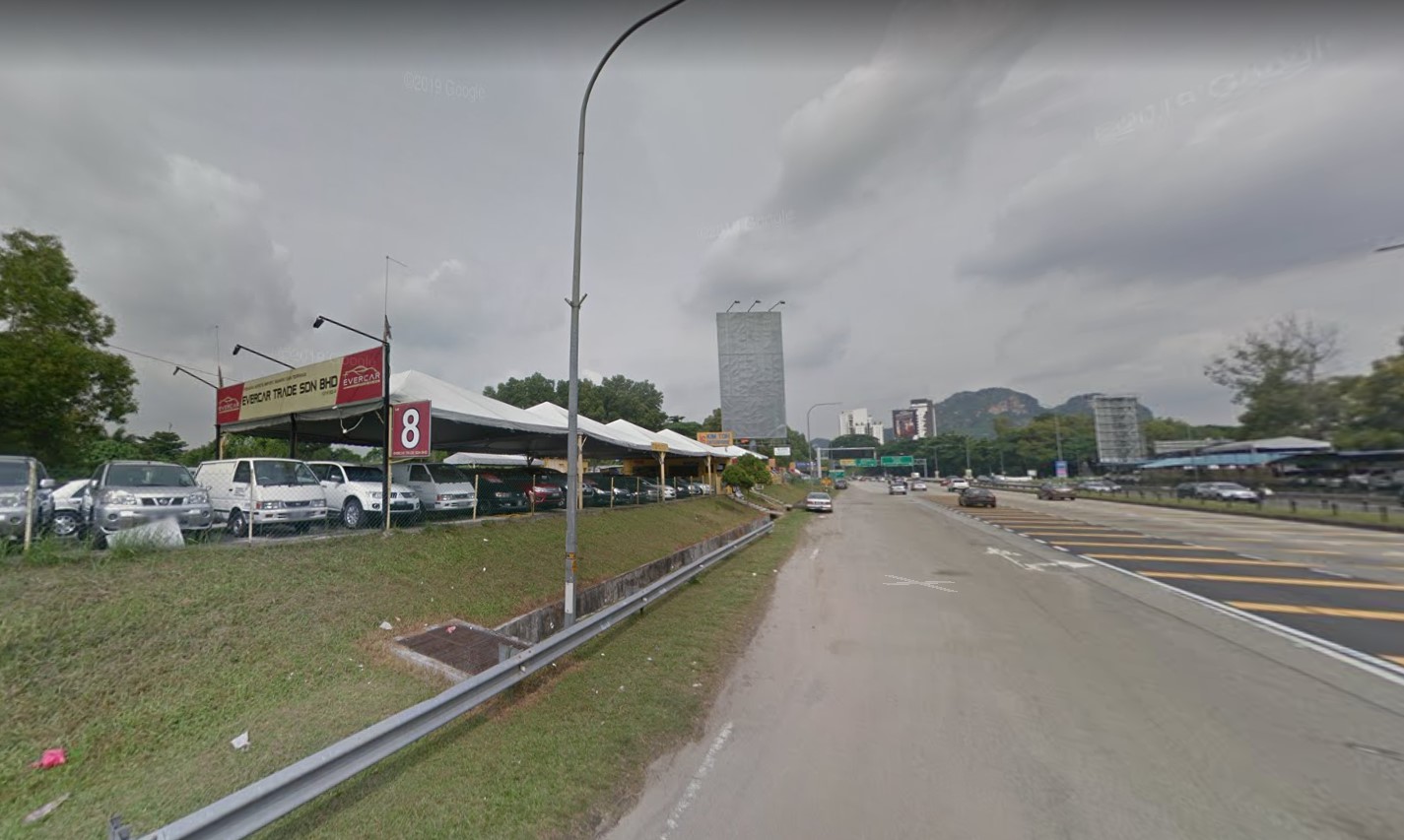
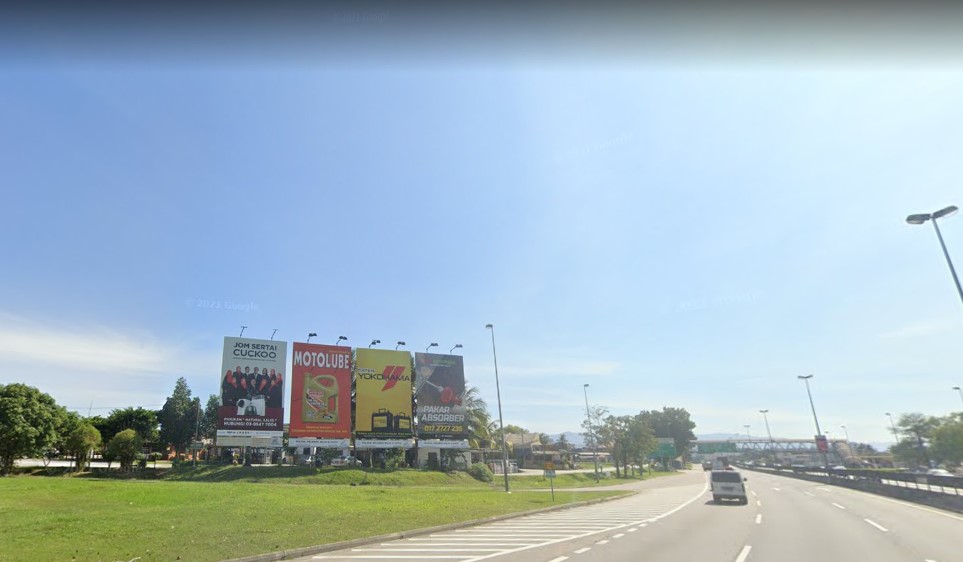
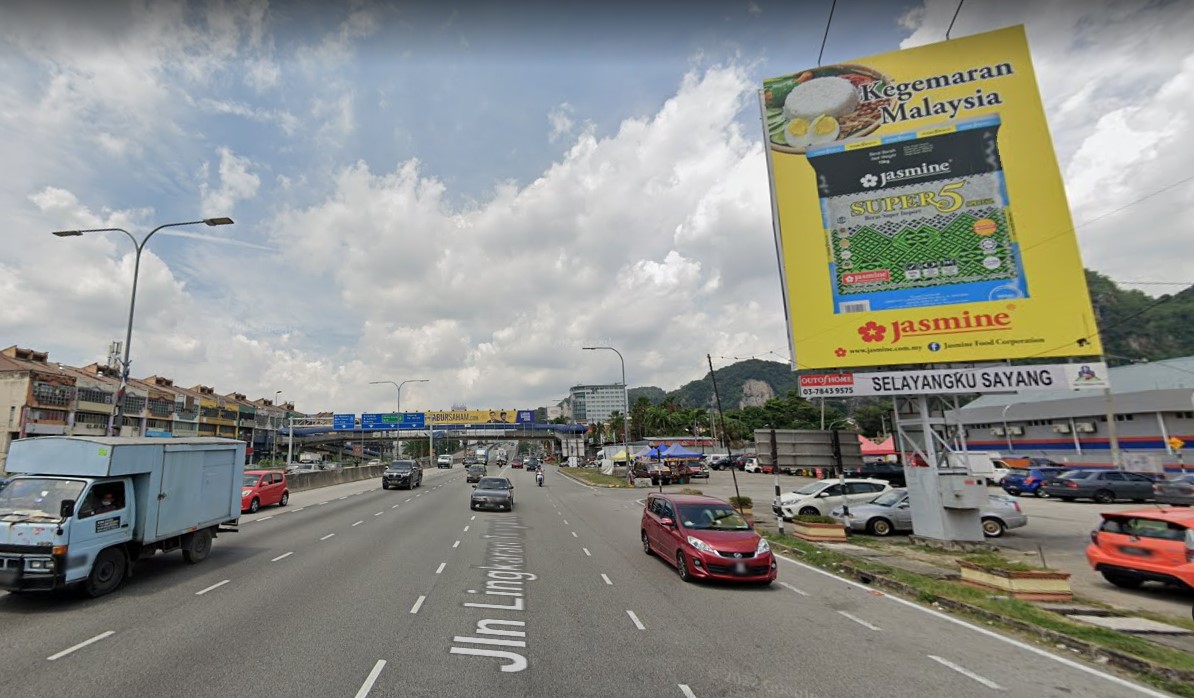
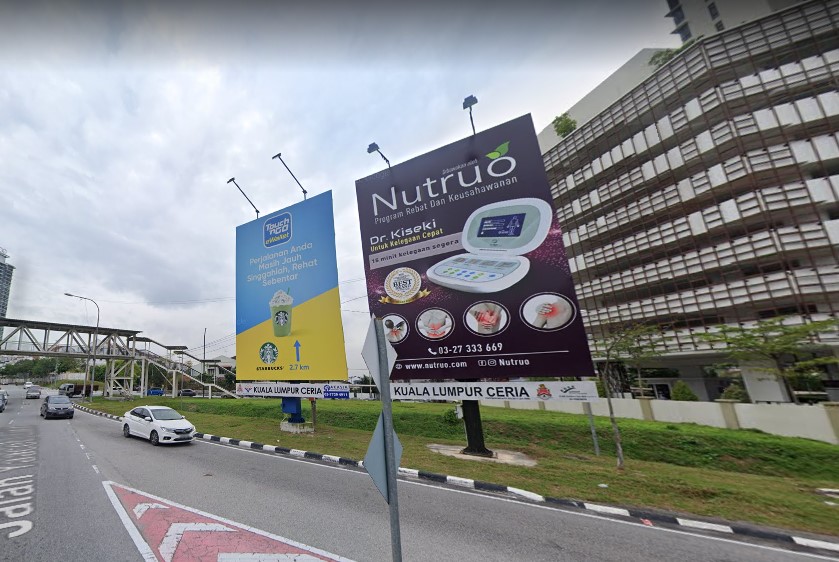
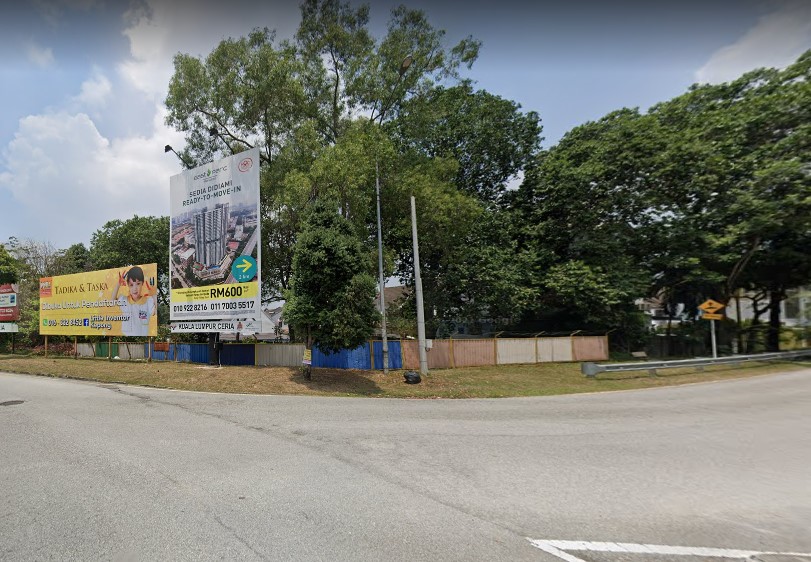
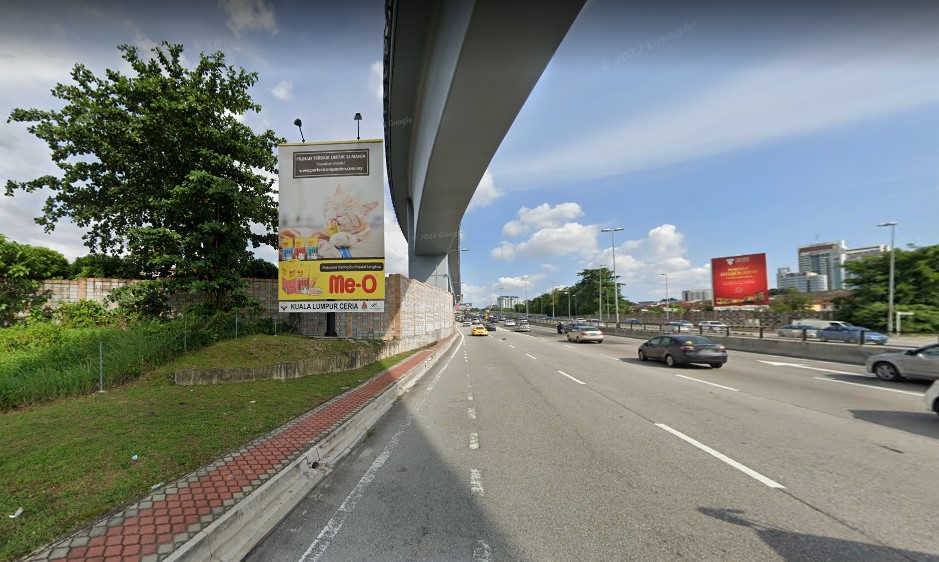
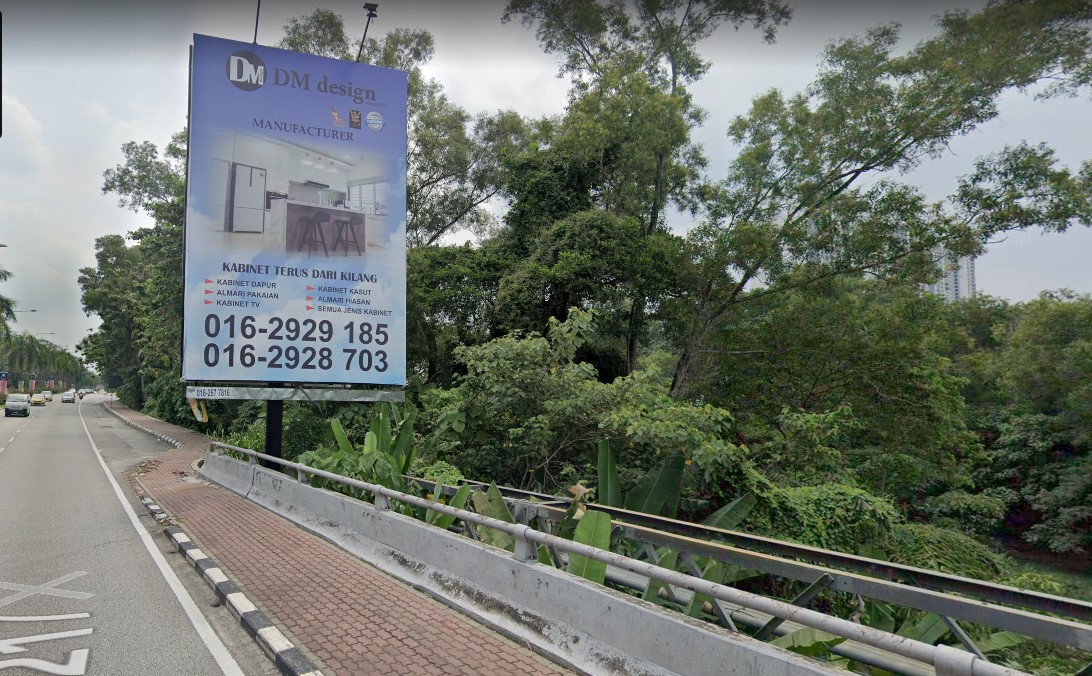
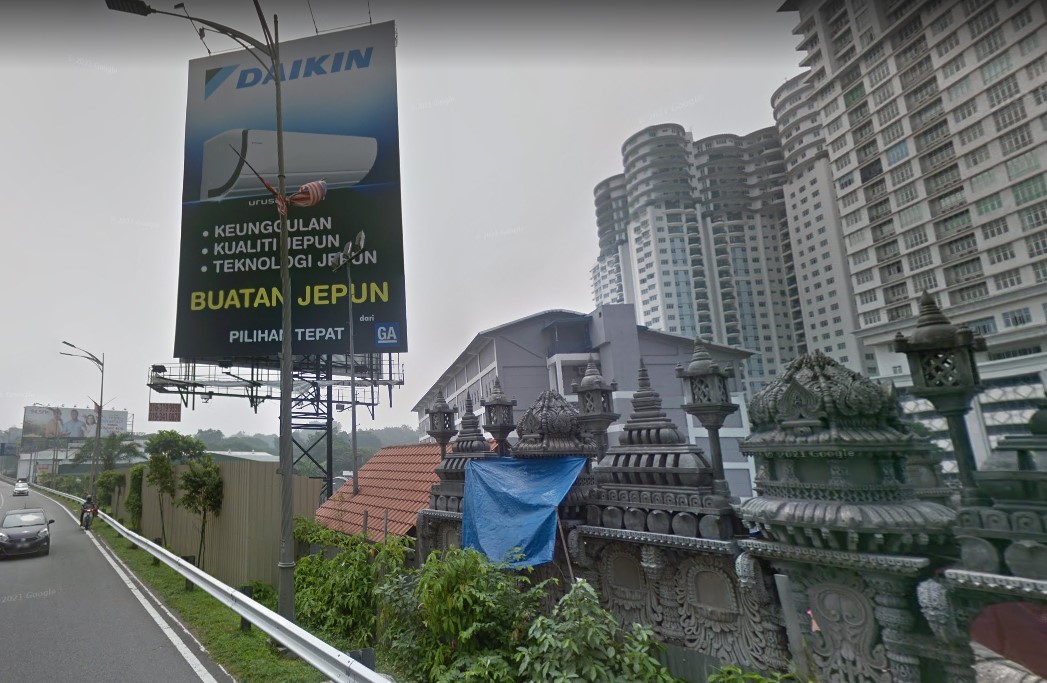
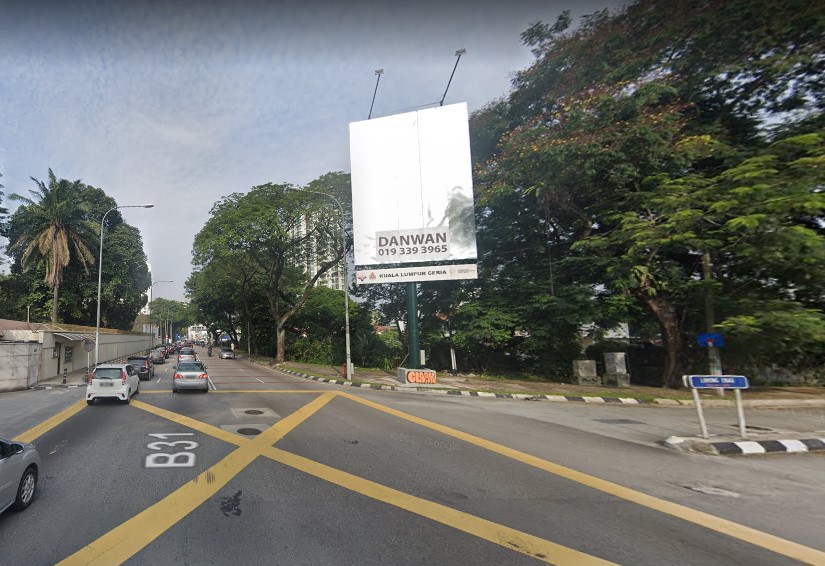
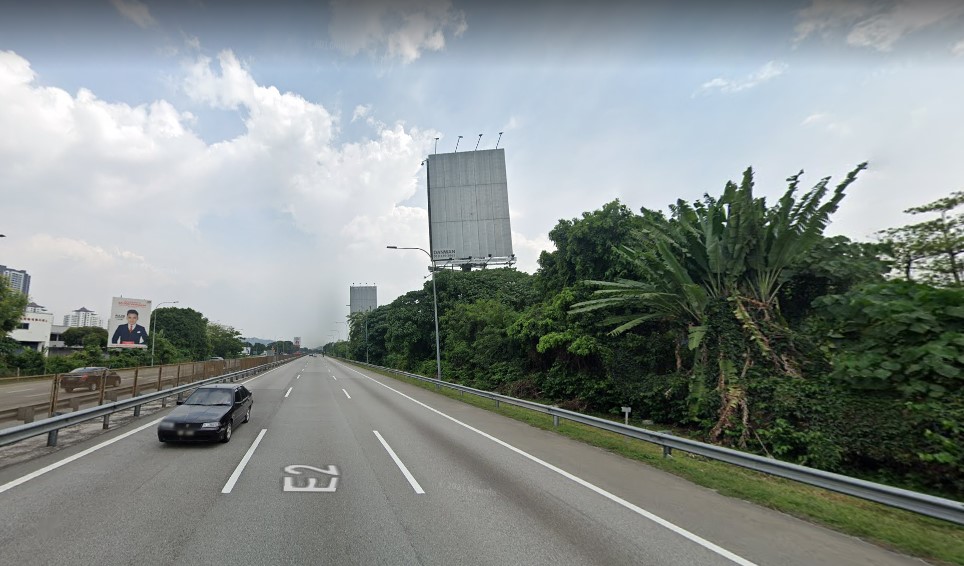
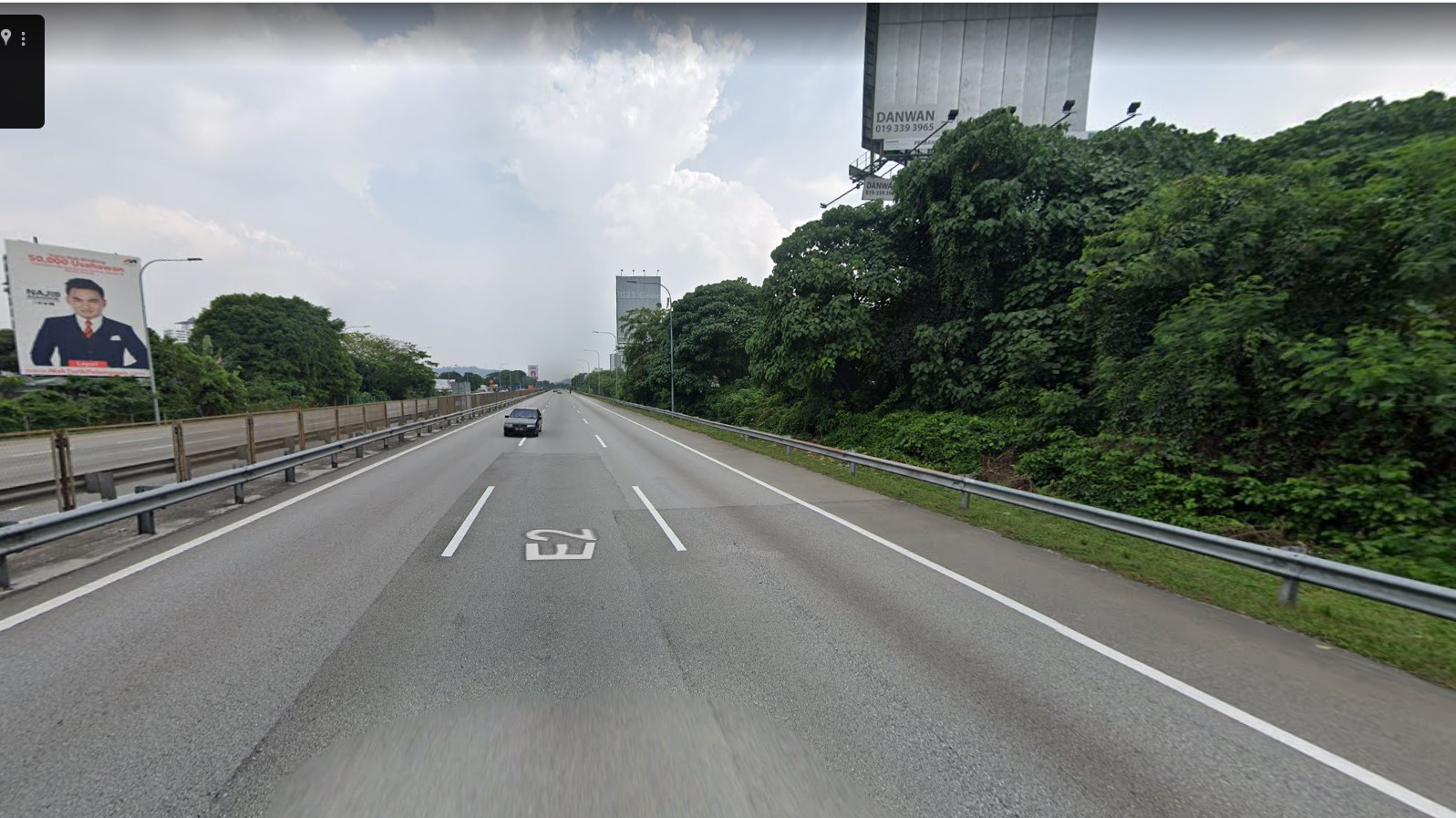
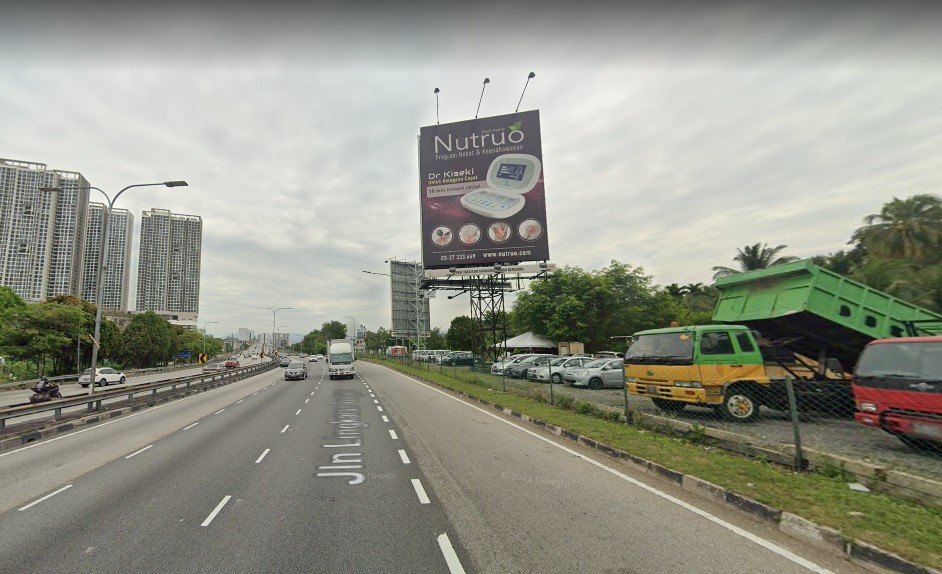
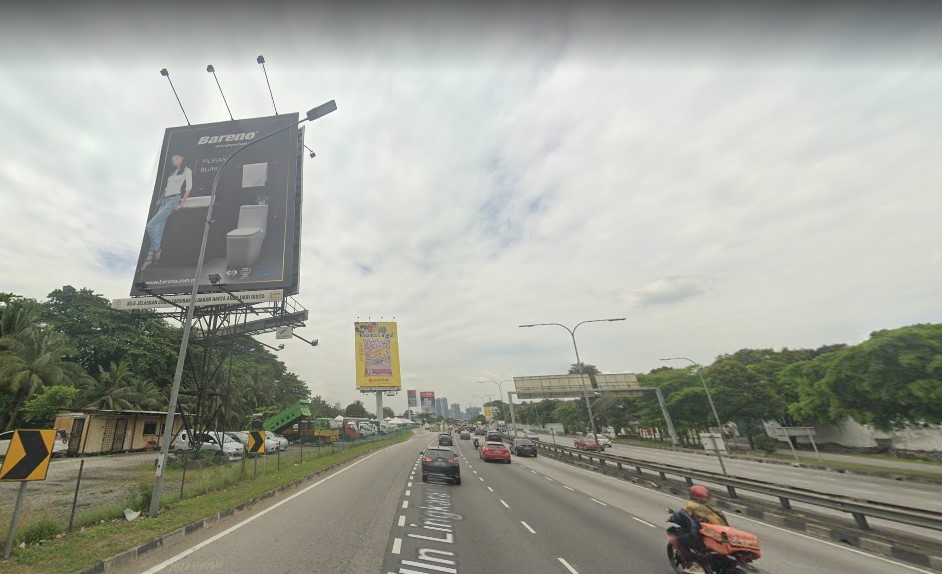
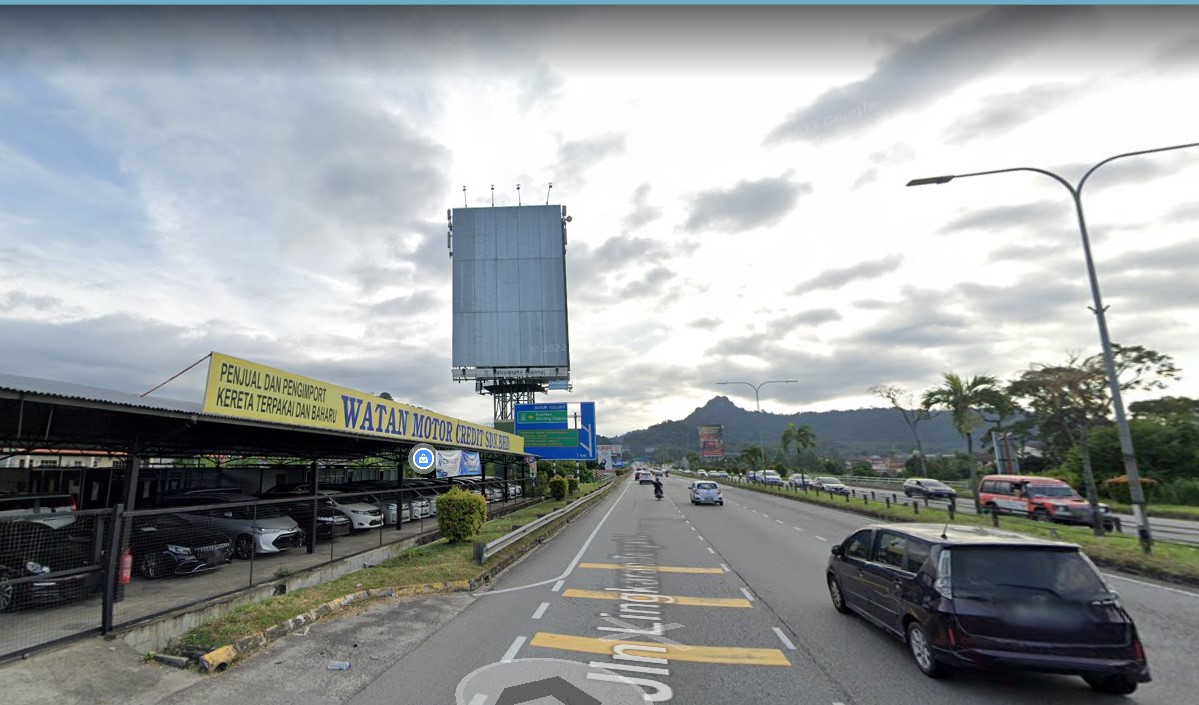
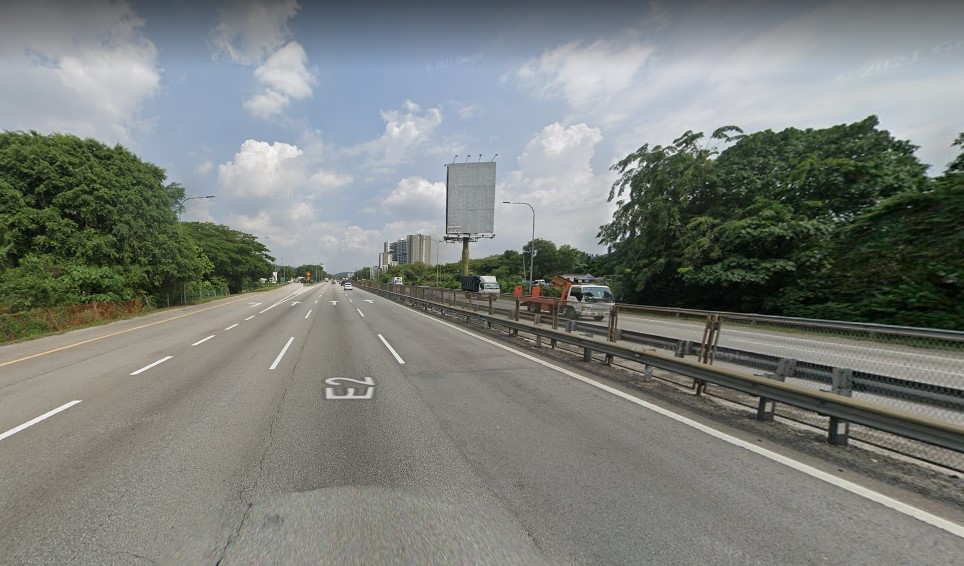
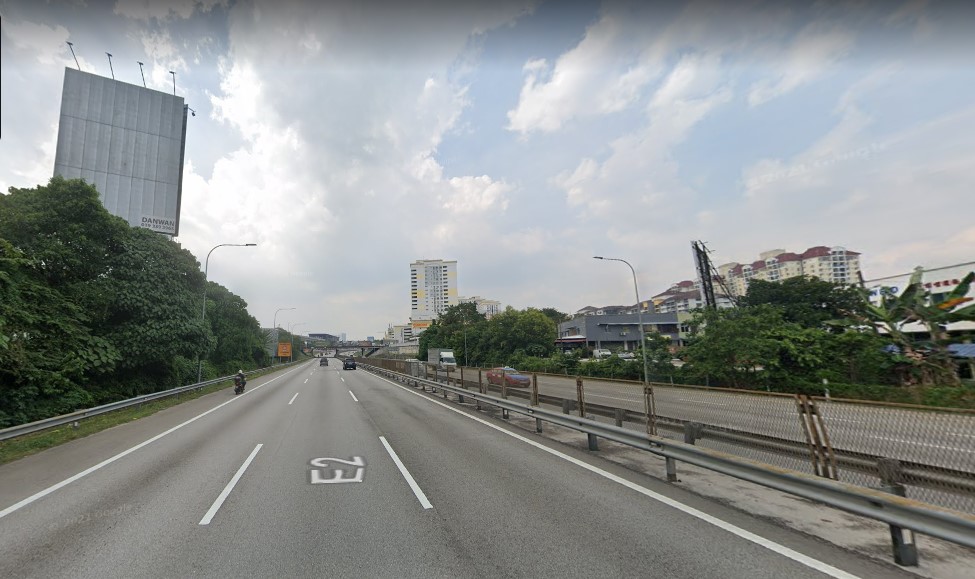
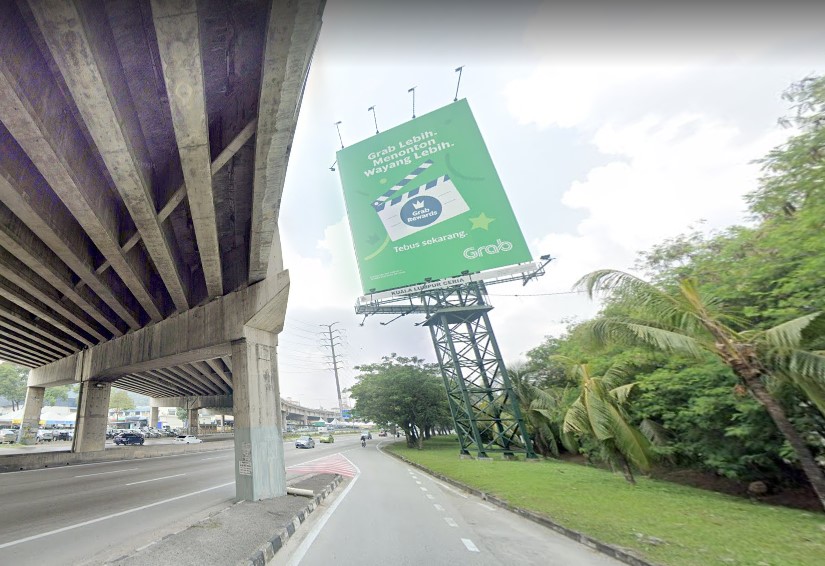
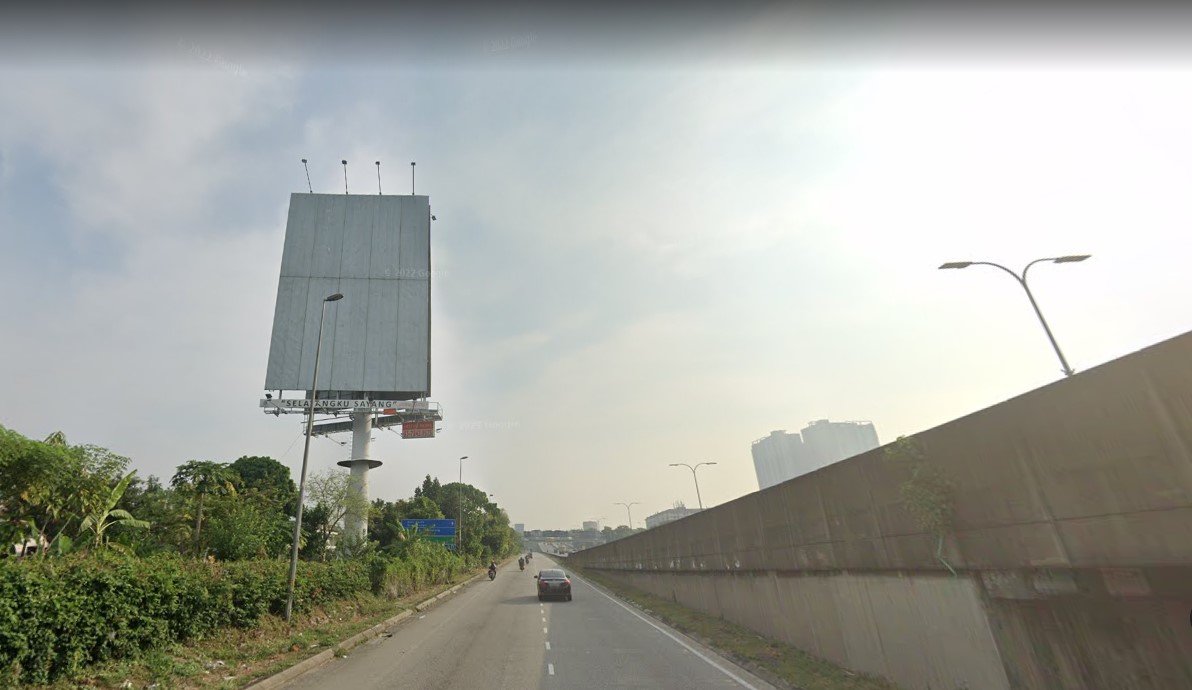
- Unipole and spectacular billboards — highway and elevated positions along Federal Highway(from Syed Putra to Pantai), MRR2, DUKE and Jalan Kuching
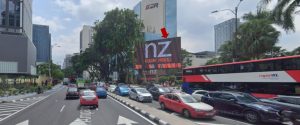
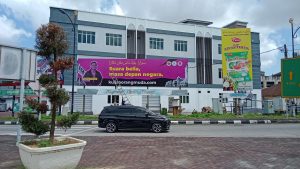
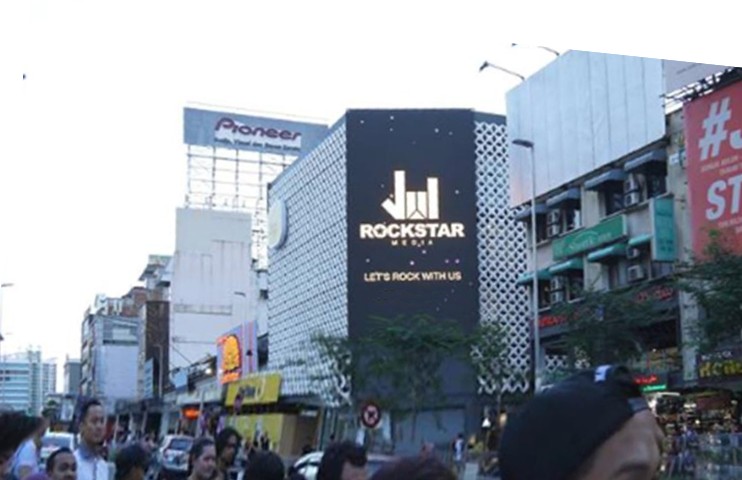
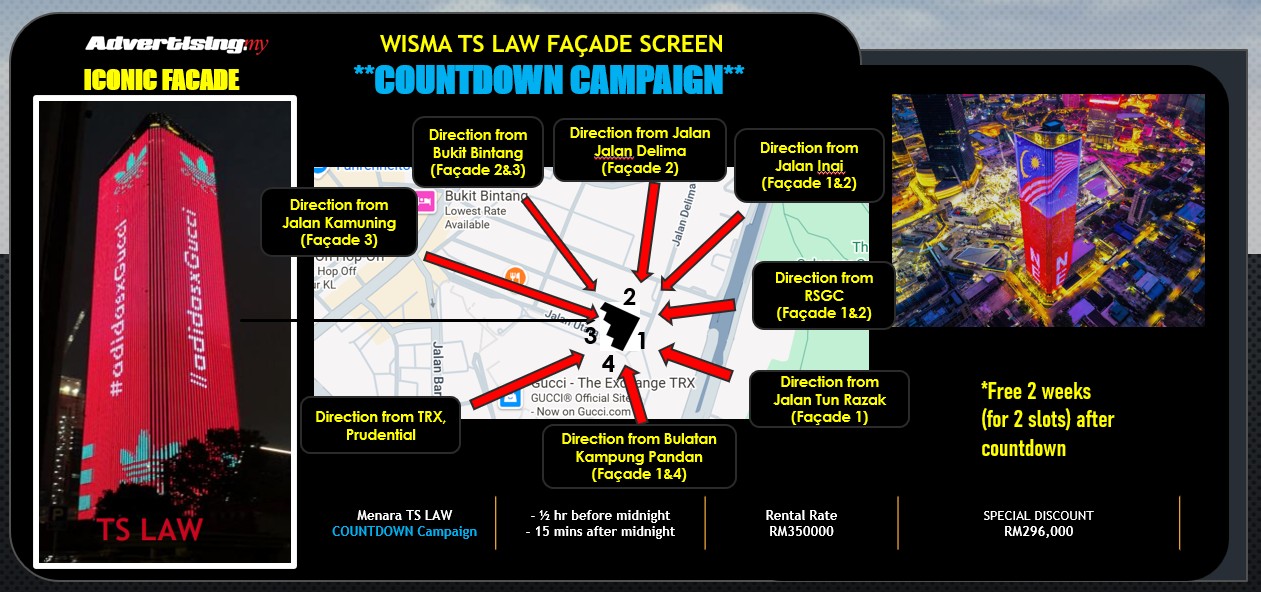
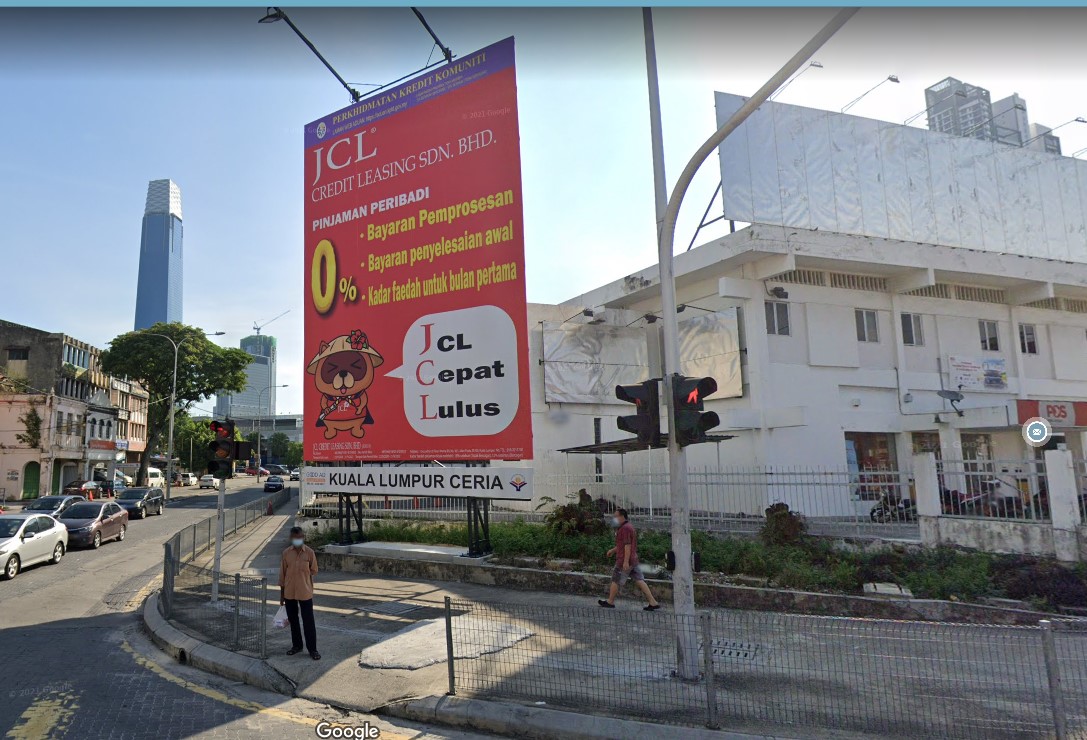
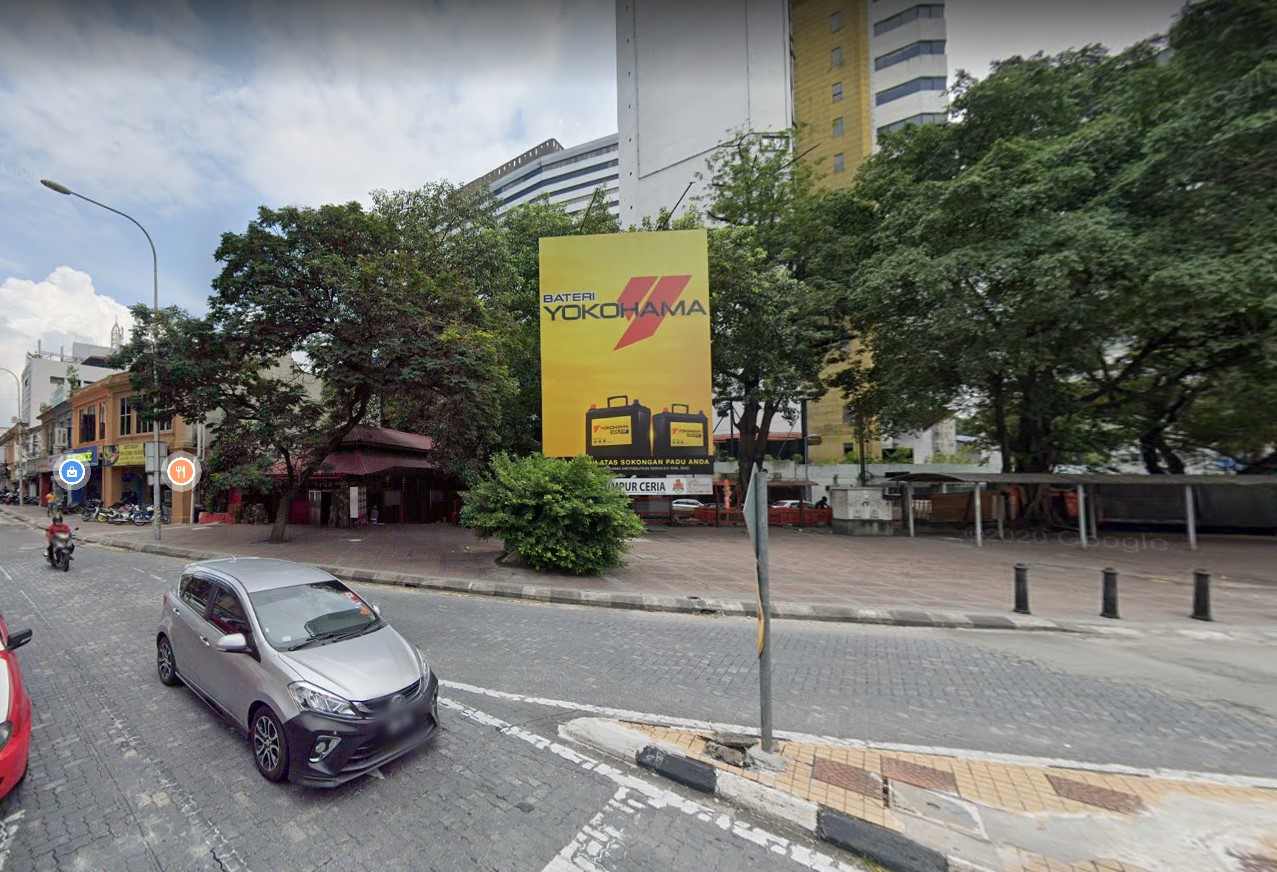
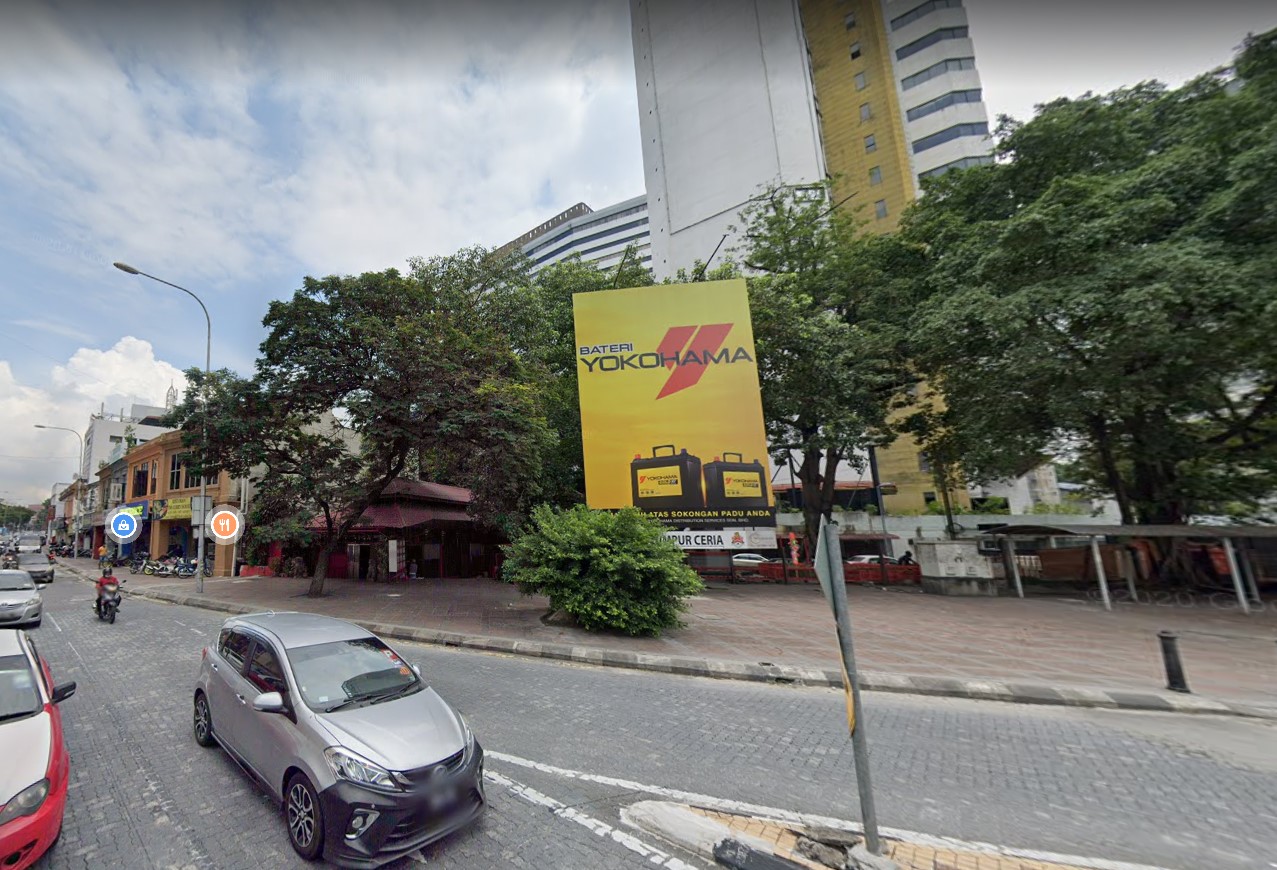
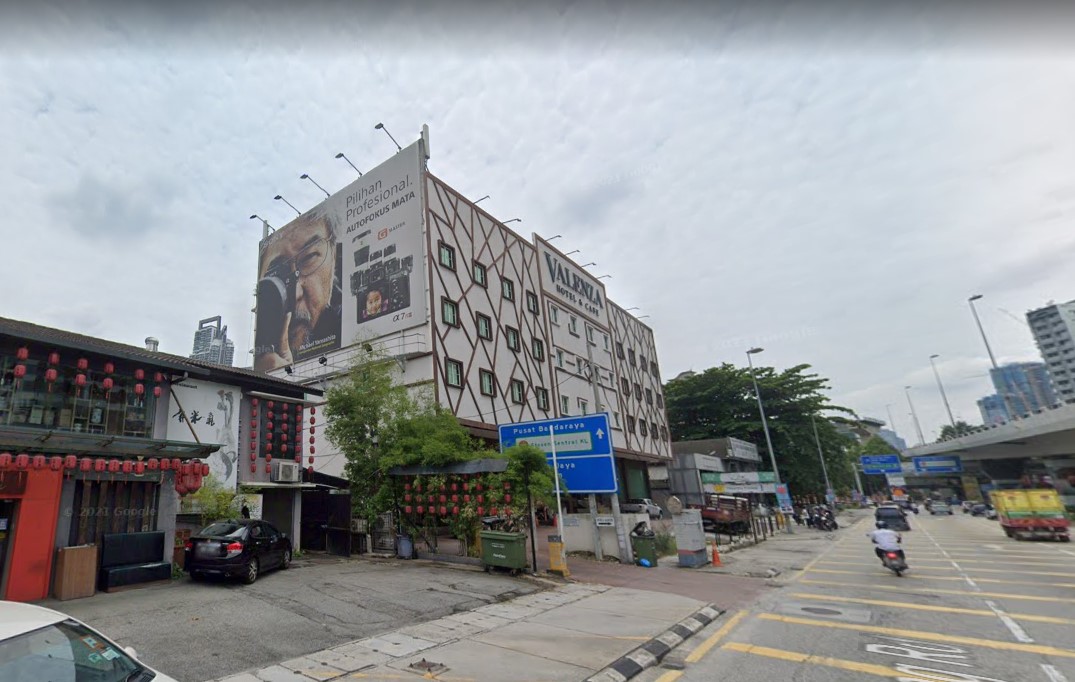
- Wallscape and building wraps — high-rise facades in commercial districts, subject to gondola access costs
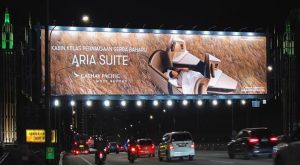
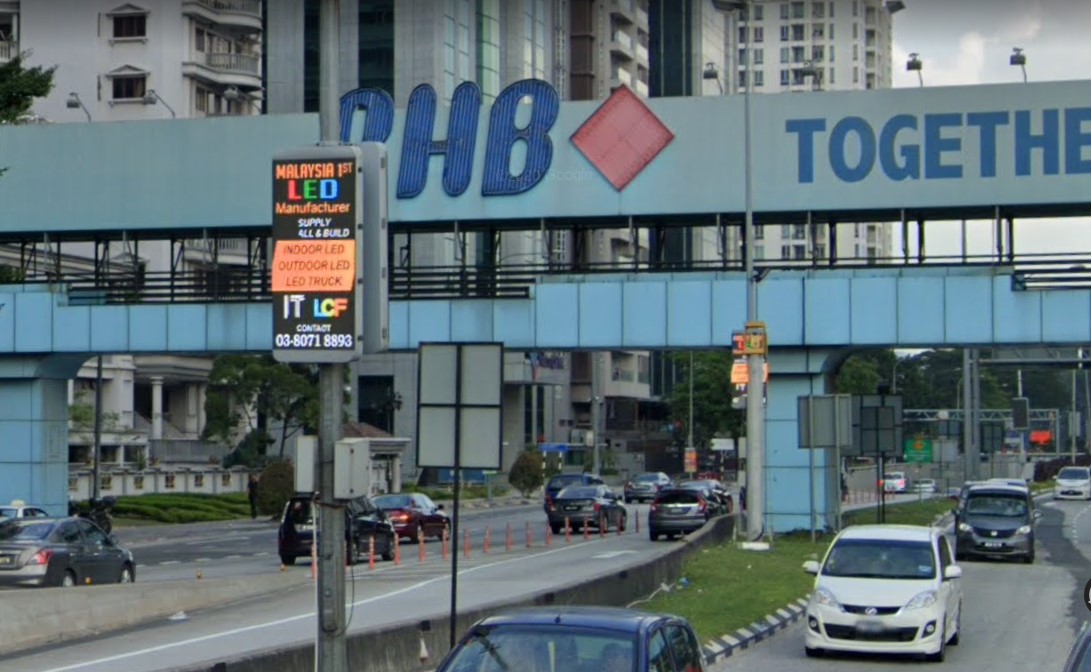
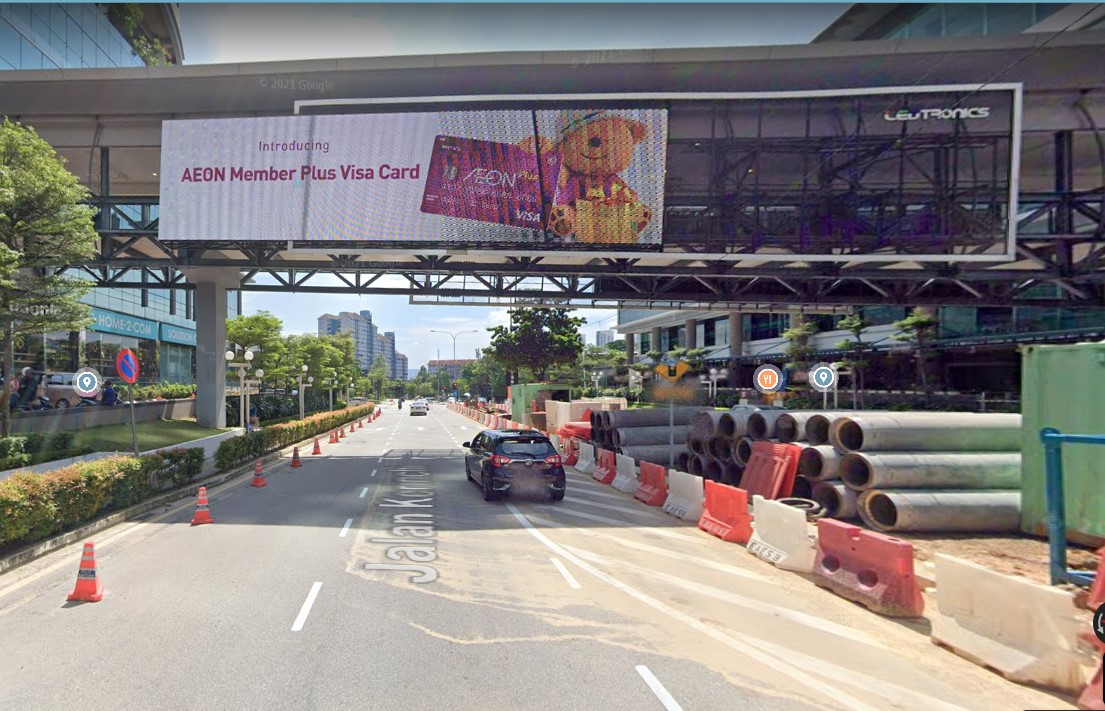
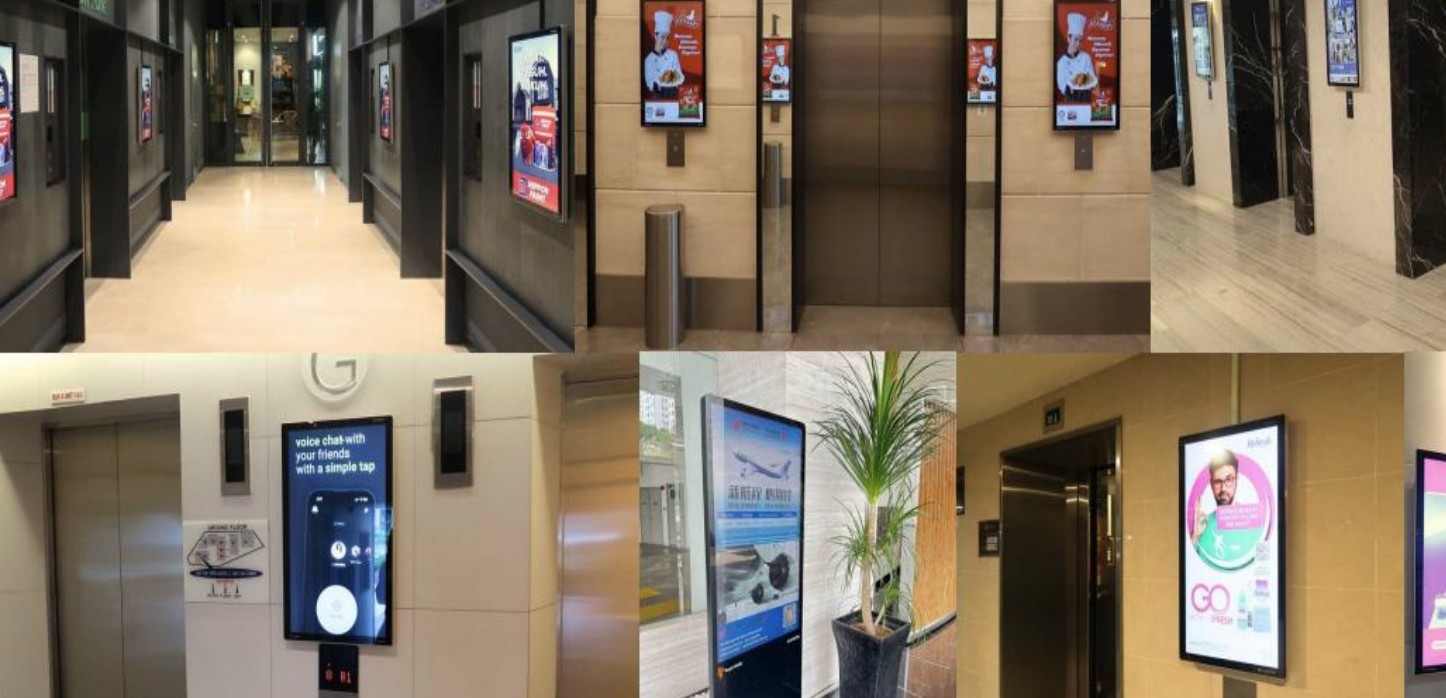
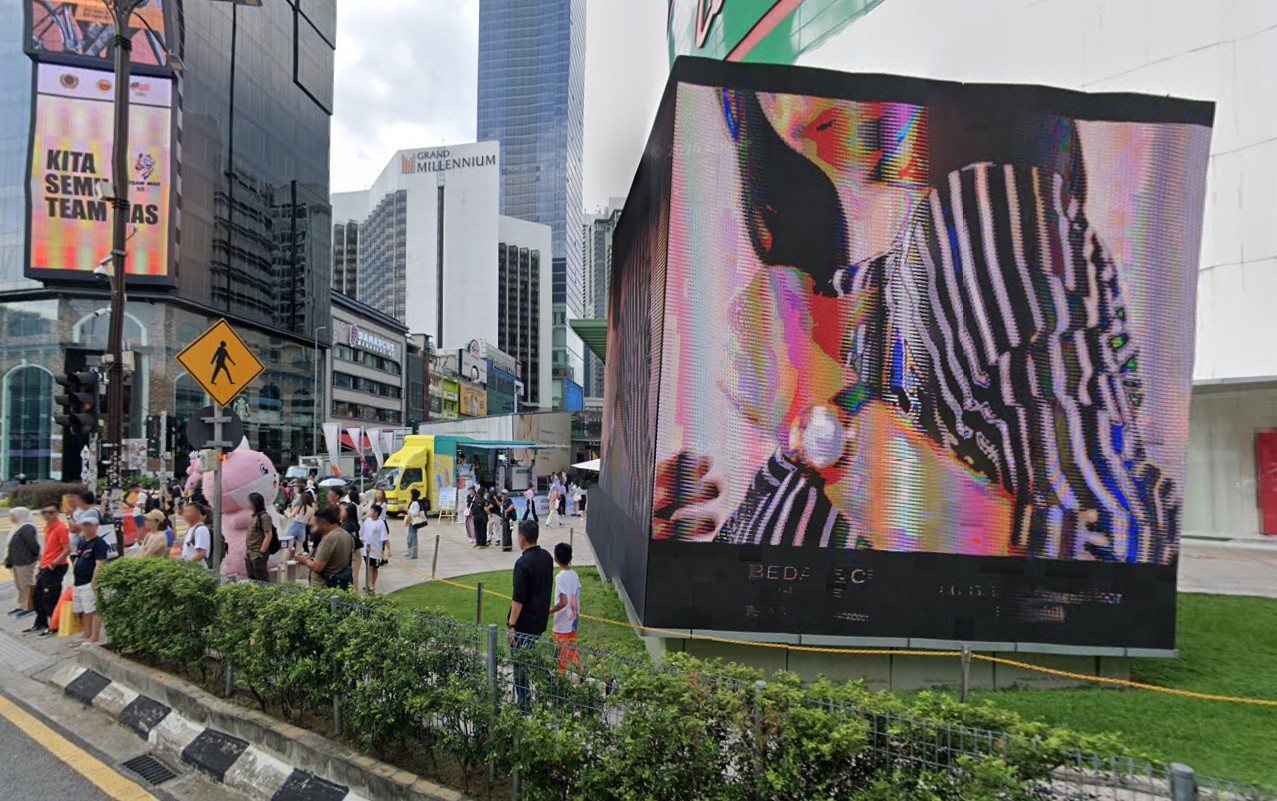
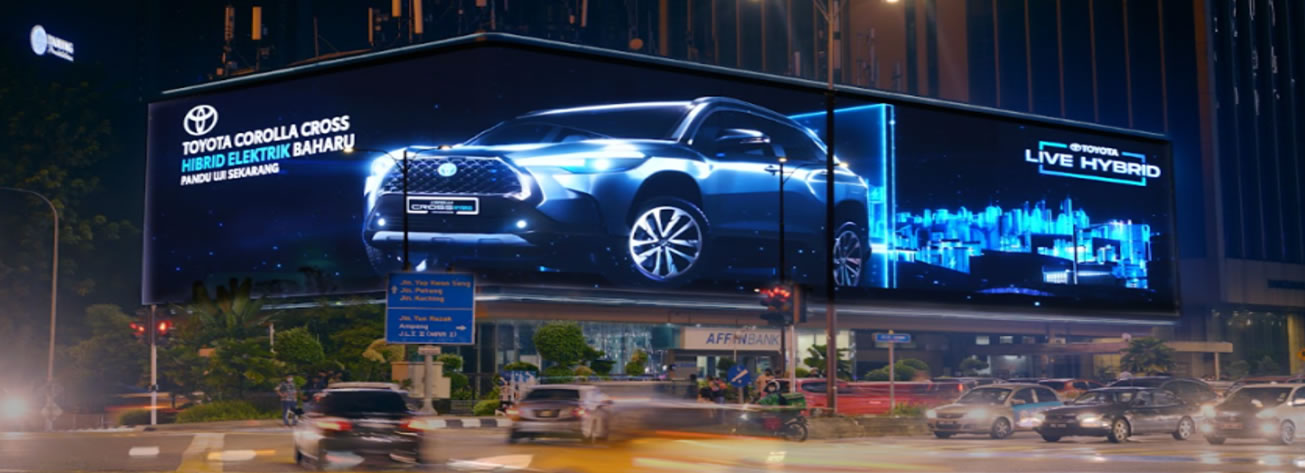
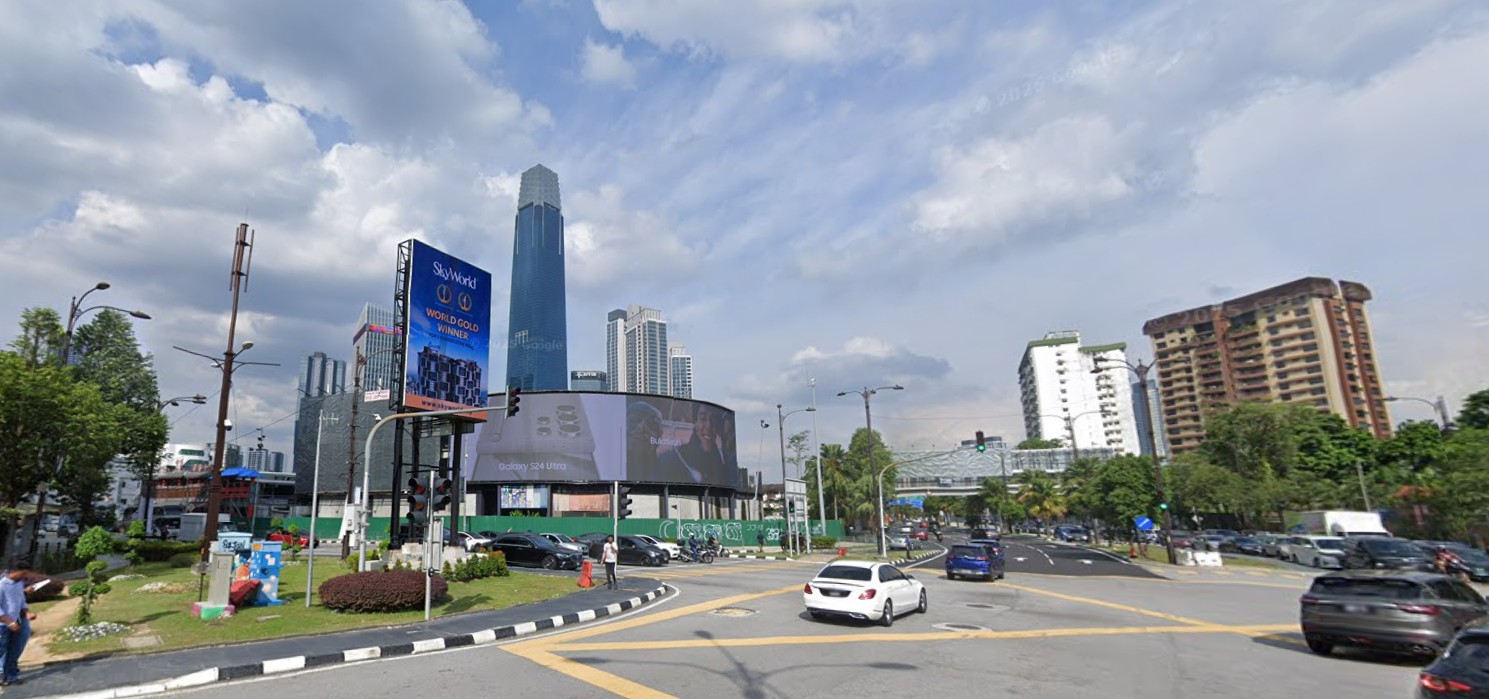
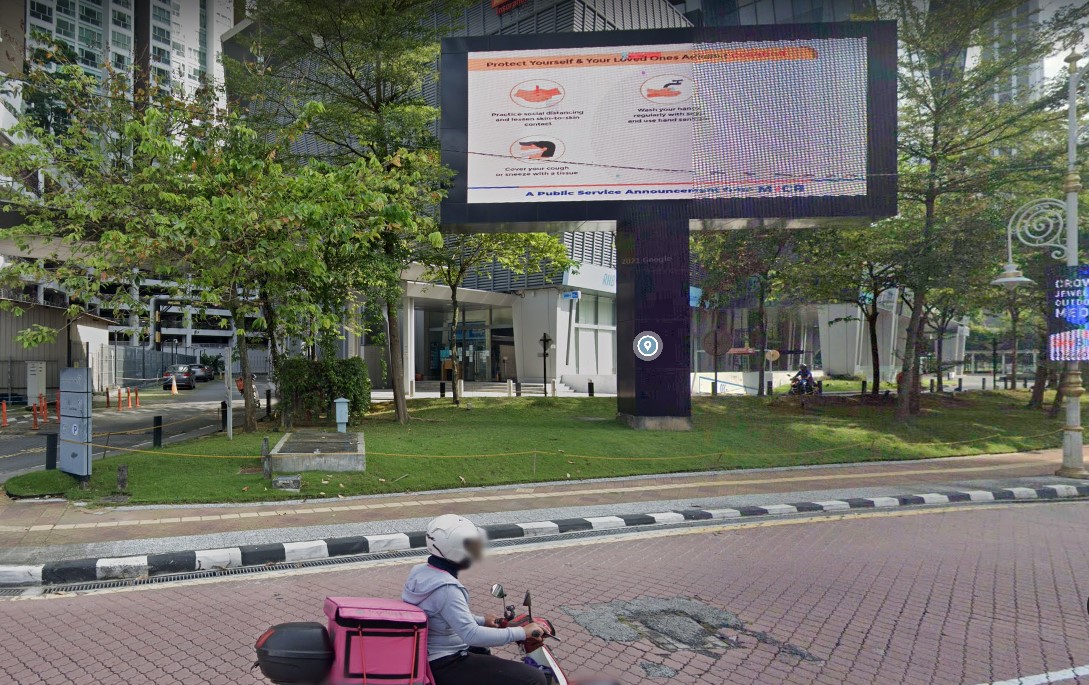
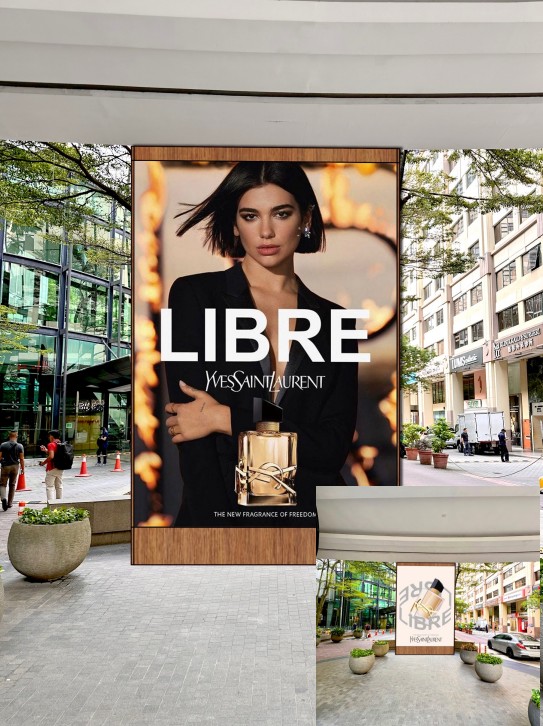
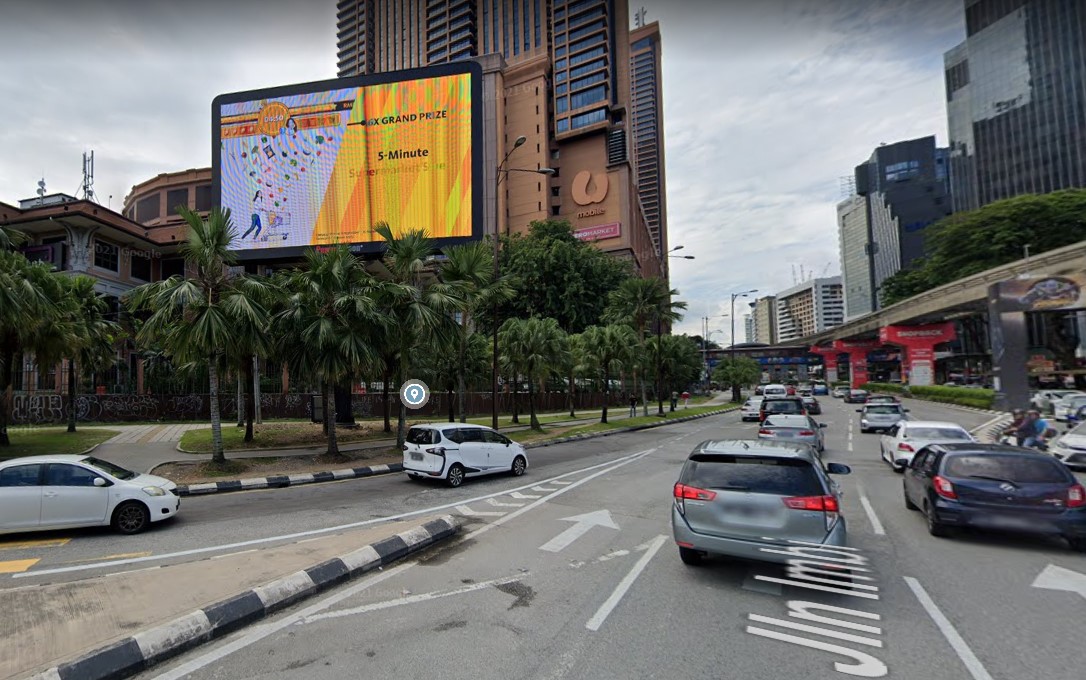
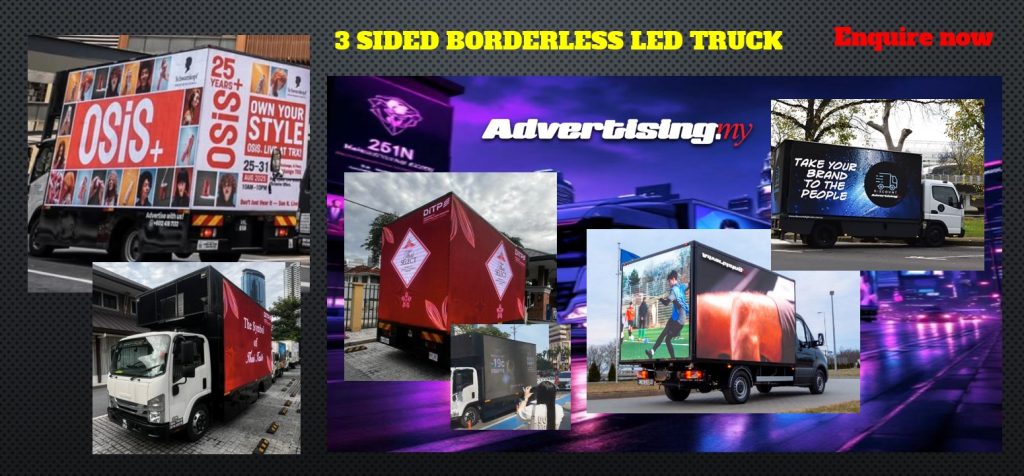
- DOOH (digital LED) — concentrated in the city centre, KL Sentral and major mall frontage, sold on short monthly cycles
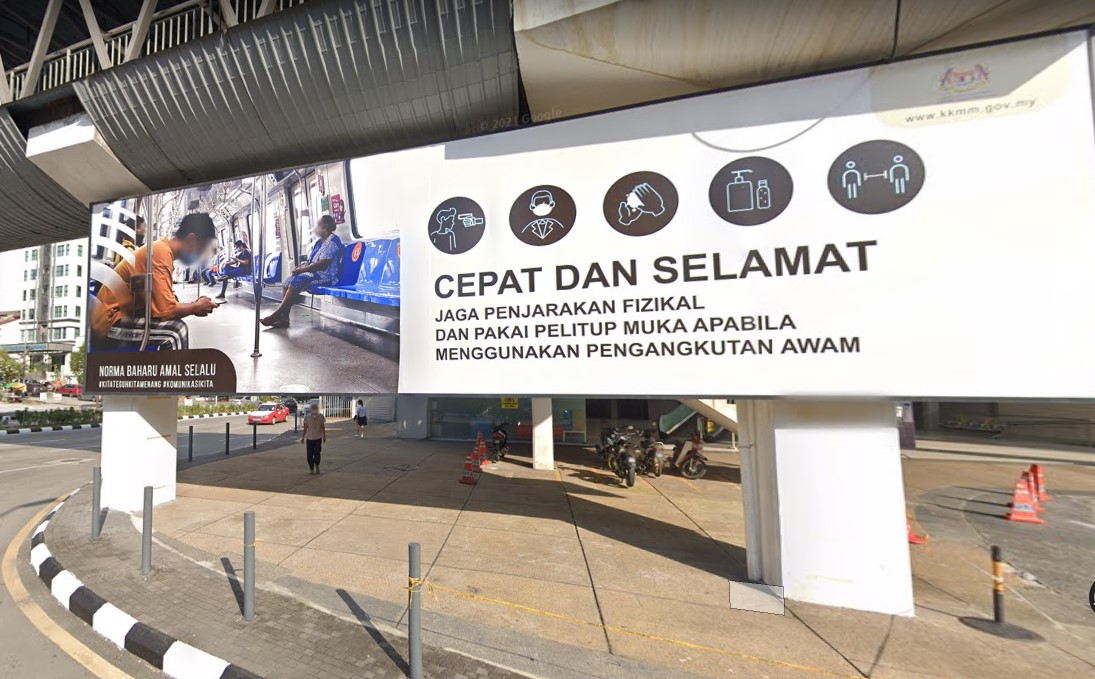
- Bus shelters and street furniture — pedestrian-level reach in Brickfields, Chow Kit, Bangsar and residential corridors
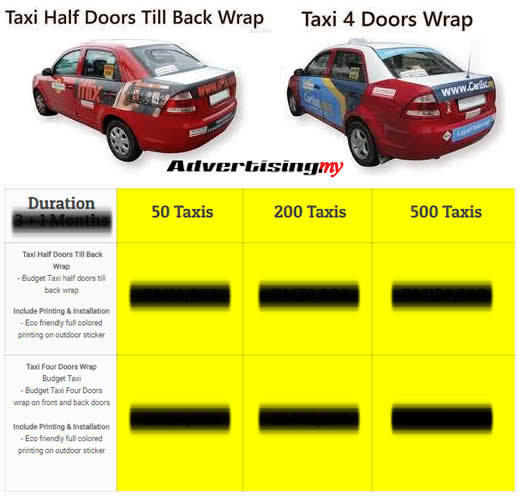
- Transit and rail media — LRT, MRT, Monorail, KTM Komuter station and train-body advertising
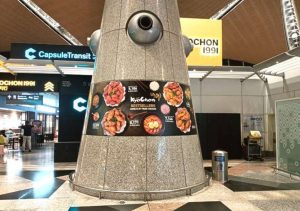
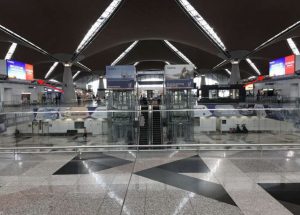
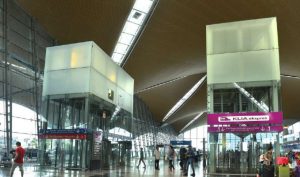
- Airport advertising — KLIA Terminal 1 and Terminal 2, reaching business, outbound and international arrival audiences
Transport Network and Commuter Reach
KL’s rail network shapes daily movement patterns, and every interchange is a concentration point for both transit media and adjacent outdoor sites.
- LRT — Kelana Jaya and Ampang/Sri Petaling lines serving east, south and west corridors
- MRT — Kajang and Putrajaya lines running through the core into outer suburbs
- KL Monorail — the direct Bukit Bintang, KL Sentral and Chow Kit link, high tourist usage
- KTM Komuter — regional feed from Selangor, Seremban and beyond
- Rapid KL buses and the free GOKL loop within the city centre
- KLIA Ekspres and KLIA Transit — the airport rail link from KL Sentral, capturing high-value travelling audiences