Shopping in Full Colour: How Lotus’s In-Store Ad Formats Turn an Everyday Grocery Run Into a Brand Moment
Supermarket advertising works because it meets shoppers at the exact point of decision. Inside Lotus’s stores, brands can own the travelator, the lift, the pillars and even the floor, all within metres of the shelf.
These formats are grouped under an in-store media offering that lets advertisers place their message along the natural path a shopper takes, from the moment they enter until they reach the checkout counter.
Why In-Store Media Works So Well
Traditional outdoor advertising builds awareness on the road. In-store media does something different: it reaches people who are already inside a buying environment, wallet out and basket ready.
The Shopper Mindset Advantage
Someone walking through a hypermarket is in active purchase mode. A message seen at the entrance can influence a decision made only minutes later in front of the shelf.
Repetition Without Fatigue
Grocery shopping is habitual. Weekly visits mean the same shopper sees your campaign again and again, building familiarity that a single-exposure channel struggles to match.
- High purchase intent among shoppers already inside the store.
- Proximity to the product shelf shortens the path to purchase.
- Repeat weekly visits create natural frequency.
- Family audiences, including parents and children together.
- A brand-safe retail environment with no unwanted content nearby.
- Formats that cannot be scrolled past or blocked.
Travelator and Escalator Branding
The travelator is one of the most underrated advertising spaces in any hypermarket. Shoppers step on, hold the rail and have nothing to do but look ahead for the full ride.
Branding runs along both side panels, creating a tunnel effect that surrounds the shopper. The message travels with them as they move between floors, rather than passing by in a second.
What Makes It Effective
Dwell time is the strength here. Unlike a poster glimpsed while walking, travelator branding holds attention for the entire length of the ride, with no competing distractions.
Creative Tips for This Format
Long horizontal panels suit sequential storytelling. Brands can split a message into stages, so the shopper reads a short narrative as they glide upward or downward.
- Use bold, simple type that stays readable at a glance.
- Repeat the logo along the panel for continuous recognition.
- Keep key messages above the handrail line.
- Consider a sequence of short phrases rather than one block of text.
- Use strong colour blocking to separate your brand from store signage.
Lift Door Branding
Lift doors give a brand something rare in retail: a guaranteed, face-on view. Shoppers stand directly in front of the doors while waiting, with no way to look elsewhere.
The full door surface becomes a single canvas. When the lift arrives, the artwork splits and reopens, which adds a small moment of movement that catches the eye.
Ideal for Premium Positioning
Because the format is clean, contained and viewed up close, it suits brand-led campaigns. Beauty, personal care, electronics and premium FMCG lines all photograph well in this space.
The Waiting Window
Lift waiting time is usually short but consistent. Shoppers with trolleys, families and elderly customers rely on lifts, giving advertisers a captive and repeat audience every visit.
Pillar and Column Wraps
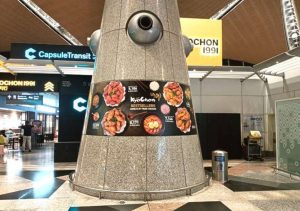
Pillars sit in the middle of the shopping floor, which makes them visible from multiple directions at once. A wrapped column reads as part of the store, not as clutter.
Because pillars are usually placed near entrances, promotional aisles and service counters, they catch shoppers during pauses in the journey, when people stop to check a list or decide where to go next.
Visibility From Every Angle
A wrapped pillar works like a three-dimensional billboard. Whether a shopper approaches from the trolley bay, the aisle or the cafe, one face is always in view.
Strong for Launches
New product launches benefit most. The scale of a pillar wrap signals that something is worth noticing, and the format pairs naturally with a nearby display or sampling activity.
- 360-degree visibility across an open shopping floor.
- Placement near entrances and high-traffic service points.
- Large enough for product imagery at full scale.
- Works together with hanging banners above the same area.
- Effective for seasonal and festive takeovers.
Hanging Banners and Overhead Branding
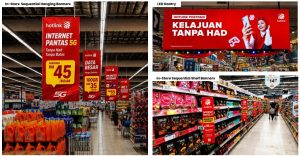
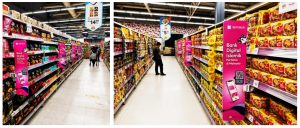
Overhead banners solve a common retail problem: shelving blocks the sightline. Hanging media sits above the aisles, visible from across the store floor.
This format is useful for directional messaging, guiding shoppers toward a category, a promotion zone or a partner brand’s section elsewhere in the store.
Best Used as a Set
Single banners work, but a series across the ceiling creates a stronger takeover effect, making the campaign feel like part of the store environment rather than an add-on.
Floor Stickers and Entrance Branding
Floor graphics at the entrance turnstile catch shoppers at the very start of the trip, before the basket is filled and before competing brands have had their chance.
People naturally look down as they push a trolley through a gate. That downward gaze makes floor media surprisingly hard to miss, despite sitting outside normal eye level.
Short Messages Only
Shoppers are moving when they pass over floor graphics. Keep the creative to a logo, a short line and one clear cue, such as an aisle direction or a promotion name.
- Positioned at entry turnstiles where every shopper passes.
- Useful for directing traffic toward a specific aisle or display.
- Pairs well with QR codes for app downloads or vouchers.
- Ideal for short promotional bursts and festive periods.
- Low visual competition compared with shelf-level clutter.
Building a Full Store Takeover
The formats work hardest when combined rather than booked alone. A takeover mirrors the shopper journey, delivering the same message at several points along the route.
A Typical Journey Sequence
Floor graphics greet the shopper at the entrance. Pillars reinforce the message on the main floor. Travelator panels hold attention between levels, and lift doors close the loop.
Consistency Is the Key
Use the same colours, imagery and tagline across every format. Shoppers should recognise the campaign instantly, so repetition builds memory instead of feeling like separate ads.
Nationwide Coverage Across Malaysia
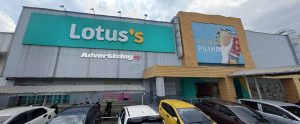
Lotus’s in-store media is available across ten states and territories, letting advertisers run national campaigns or focus spending on specific regional markets.
- Klang Valley reach through Kuala Lumpur and Selangor stores.
- Northern coverage across Pulau Pinang, Kedah and Perak.
- Southern and central reach via Johor, Melaka and Negeri Sembilan.
- East coast presence in Pahang and Kelantan.
- Flexible selection by state, city or individual store.
Matching Stores to Your Market
Regional selection matters. A halal snack brand may prioritise Kelantan and Pahang, while a premium household product may perform better in Kuala Lumpur and Selangor outlets.
Measuring In-Store Campaign Results
In-store media sits close enough to the shelf that sales data becomes a usable measure. Compare product movement in branded stores against similar stores without the campaign.
- Track sales uplift in participating stores during the campaign period.
- Use unique QR codes or promo codes for direct attribution.
- Compare branded stores against a control group.
- Monitor redemption rates on in-store vouchers.
- Combine with sampling activity to measure trial conversion.
Making the Most of Lotus’s In-Store Media
These formats give brands something digital channels cannot: presence at the final decision point. A shopper sees the message, walks a few steps and reaches the product.
Choose formats that match your objective, keep the creative consistent across every surface, and select the states that reflect your market. Done properly, the store itself becomes your strongest media channel.


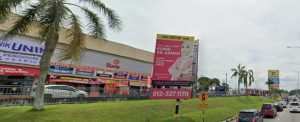
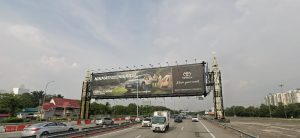
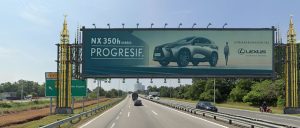
 Iconic Gantry @ LEBUHRAYA PERSEKUTUAN (FT002) SUBANG SHAH ALAM KM 16.30
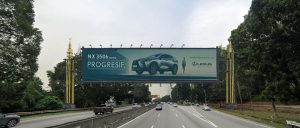
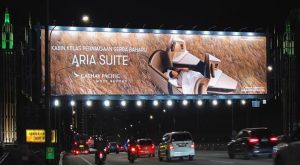 Iconic Gantry @ NKVE KM27.1 Jalan Duta (After Jalan Duta Toll Plaza)
 Iconic Gantry @ LEBUHRAYA UTARA SELATAN (PLUS) NILAI KE SEREMBAN